
Regional bird guide
Southeast Bird Guide
The Southeast, from Virginia and West Virginia south to Florida and west through Kentucky, Tennessee, Arkansas and Louisiana, offers pine woods, swamps, barrier islands and mild winters. Bird presence and timing vary by location, weather and migration.
Landscape and habitats
Habitats include Appalachian forests, pine woodlands, hardwood bottomlands, large swamps, coastal marshes, barrier islands and subtropical wetlands in Florida. See our guides to forests, wetlands and coastlines.
Backyards and suburbs are rich here because of long growing seasons and mild winters. Birds such as the Red-bellied Woodpecker, Northern Mockingbird and Eastern Bluebird are widely seen in many parts of the region.
Florida deserves its own mention. Its warm climate, wetlands and coasts support wading birds and subtropical species that are rare or absent elsewhere in the country, and its peninsula shape means migrants gather there in fall. Meanwhile, the southern Appalachians hold cool, high-elevation forests, and the Atlantic and Gulf coasts hold barrier islands and tidal marshes that hold different groups again.
Migration and flyway context
The region lies across the Atlantic and Mississippi flyways, two of the four administrative flyways used by the U.S. Fish and Wildlife Service. The Gulf Coast is a key landing area for many songbirds returning from tropical wintering grounds in spring and a launching point in fall.
Weather matters. Strong fronts and onshore winds can concentrate tired migrants along the coast, while calm clear nights let birds pass inland unseen. Our understanding migration guide explains the patterns.
Birding highlights by season
Spring brings migrants along the Gulf and in southern woods, plus nesting birds across the interior. Summer is hot and humid, with breeding birds in swamps and pine woods and seabirds along the coast.
Fall brings migrants again, including hawks and songbirds heading south. Winter is a major draw: many birds from the north spend the season in the Southeast, filling marshes, bays and feeders. Check the seasonal calendar for broad patterns.
Hurricane season, roughly June through November, affects coastal planning. Storms can reshape beaches and nesting sites, and sometimes carry seabirds and other unusual birds inland, but they also bring danger. Follow official forecasts and local guidance and avoid coastal trips during warnings. After storms, some refuges and parks close for repairs, so check before you travel.
Regional hazards and etiquette
Heat and humidity, biting insects, ticks, venomous snakes and alligators in some waters are all realities. Drink water, use repellent, watch where you step and keep a safe distance from wildlife. Summer thunderstorms build quickly, so keep an eye on the sky.
Beach-nesting birds are common along the Atlantic and Gulf coasts, and many beaches post closures. Obey them and keep dogs leashed. Never approach nests or play recordings to lure birds, and ask permission before entering private land, as outlined in our responsible birding guide.
Planning tips
Winter is excellent for trips, since weather is mild and many birds are present. Early morning is best for activity and cooler temperatures in summer. Look for state parks, national wildlife refuges and coastal preserves, and check them for closures and tide information.
Use the explore tool to browse by region, and keep a list of what you see. Local Audubon chapters and state wildlife agencies often publish seasonal birding guides.
Consider joining local Christmas Bird Count or other volunteer surveys. These community-science projects are open to beginners in many places, and they pair you with experienced birders who know the local area. Participation also helps collect long-term data on how birds are changing, which supports conservation planning.
Frequently asked questions
Is winter a good time for birding in the Southeast?
Yes. Many birds from farther north spend winter in the region, and mild weather makes outings comfortable. What you see depends on location, weather and food supplies each year.
Which flyways does the Southeast include?
Mainly the Atlantic and Mississippi flyways, which are administrative divisions used by the U.S. Fish and Wildlife Service. Birds often cross between them.
What safety issues should I keep in mind?
Heat, insects, ticks, snakes and alligators in some areas, and sudden storms. Carry water, use repellent, stay on trails and keep a safe distance from wildlife.
Season by season
Presence varies. Bird presence and timing change with location, weather, habitat and migration. Treat this page as a starting point, then check recent local sightings (for example on eBird) before you go.
Spring
Gulf Coast and southern woods can fill with migrants, and residents begin nesting early. Timing varies with weather.
From our library (26): American Goldfinch, American Robin, Bald Eagle, Barn Swallow, Belted Kingfisher, Blue Jay, Brown Pelican, Canada Goose, Downy Woodpecker, Eastern Bluebird, Great Blue Heron, Great Horned Owl, Greater Roadrunner, House Finch, Mallard, Mourning Dove, Northern Cardinal, Northern Mockingbird, Osprey, Red-bellied Woodpecker, Red-tailed Hawk, Red-winged Blackbird, Ruby-throated Hummingbird, Sandhill Crane, Song Sparrow, White-breasted Nuthatch
Summer
Hot and humid, with nesting birds in swamps, pine woods and on beaches. Go early in the day.
From our library (24): American Robin, Bald Eagle, Barn Swallow, Belted Kingfisher, Blue Jay, Brown Pelican, Canada Goose, Downy Woodpecker, Eastern Bluebird, Great Blue Heron, Great Horned Owl, Greater Roadrunner, House Finch, Mallard, Mourning Dove, Northern Cardinal, Northern Mockingbird, Osprey, Red-bellied Woodpecker, Red-tailed Hawk, Red-winged Blackbird, Ruby-throated Hummingbird, Sandhill Crane, White-breasted Nuthatch
Fall
Migrants and hawks head south, and coastal sites can be productive. Timing varies by year and storm patterns.
From our library (26): American Goldfinch, American Robin, Bald Eagle, Barn Swallow, Belted Kingfisher, Blue Jay, Brown Pelican, Canada Goose, Downy Woodpecker, Eastern Bluebird, Great Blue Heron, Great Horned Owl, Greater Roadrunner, House Finch, Mallard, Mourning Dove, Northern Cardinal, Northern Mockingbird, Osprey, Red-bellied Woodpecker, Red-tailed Hawk, Red-winged Blackbird, Ruby-throated Hummingbird, Sandhill Crane, Song Sparrow, White-breasted Nuthatch
Winter
Mild weather and many northern birds on marshes, bays and in yards. Numbers vary from year to year.
From our library (25): American Goldfinch, American Robin, Bald Eagle, Belted Kingfisher, Blue Jay, Brown Pelican, Canada Goose, Downy Woodpecker, Eastern Bluebird, Great Blue Heron, Great Horned Owl, Greater Roadrunner, House Finch, Mallard, Mourning Dove, Northern Cardinal, Northern Mockingbird, Osprey, Red-bellied Woodpecker, Red-tailed Hawk, Red-winged Blackbird, Sandhill Crane, Song Sparrow, Western Meadowlark, White-breasted Nuthatch
Birds in our library for this region
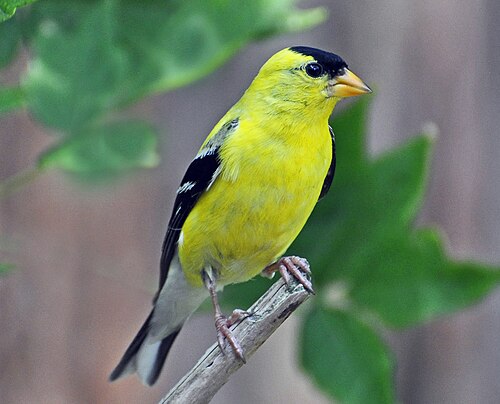
American Goldfinch
Spinus tristis
A small seed-eating finch. Breeding males are bright yellow with a black cap; winter birds turn a muted tan-olive.
- Tiny
- Grasslands
- Backyards
Spring, Fall, Winter
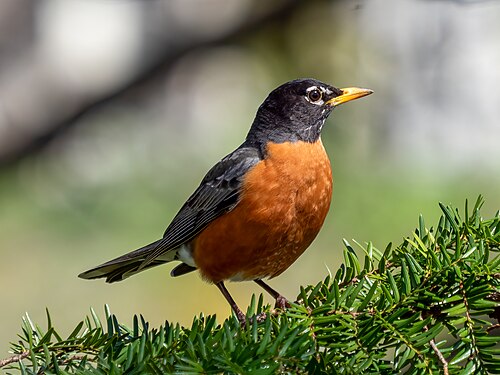
American Robin
Turdus migratorius
A gray-brown thrush with a rusty-orange breast, often seen sprinting and pausing across lawns while hunting worms.
- Medium
- Backyards
- Cities
Year-round
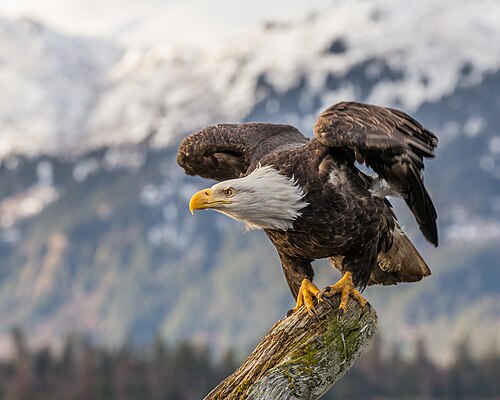
Bald Eagle
Haliaeetus leucocephalus
America’s national bird, a huge dark-brown raptor with a white head and tail that fishes along coasts, rivers and large lakes.
- Very large
- Wetlands
- Coastlines
Year-round
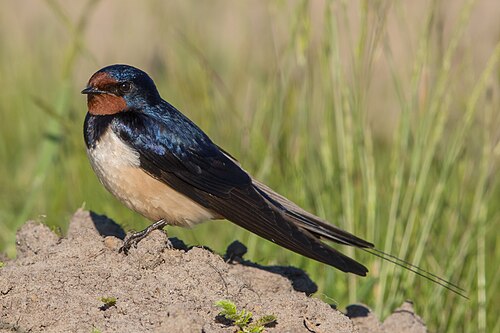
Barn Swallow
Hirundo rustica
A graceful, blue-backed swallow with a rusty throat and a deeply forked tail, often seen skimming over fields and nesting under bridges.
- Small
- Grasslands
- Wetlands
Spring, Summer, Fall
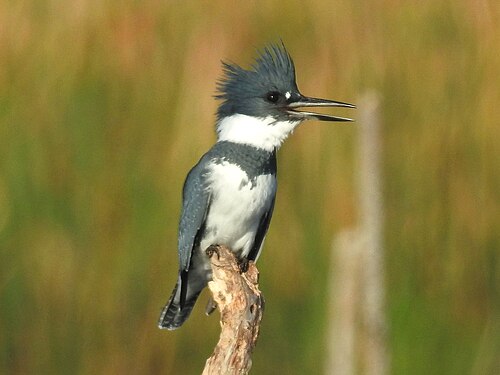
Belted Kingfisher
Megaceryle alcyon
A shaggy-crested, blue-gray waterside bird that rattles along rivers and plunges headfirst for fish.
- Medium
- Wetlands
- Coastlines
Year-round
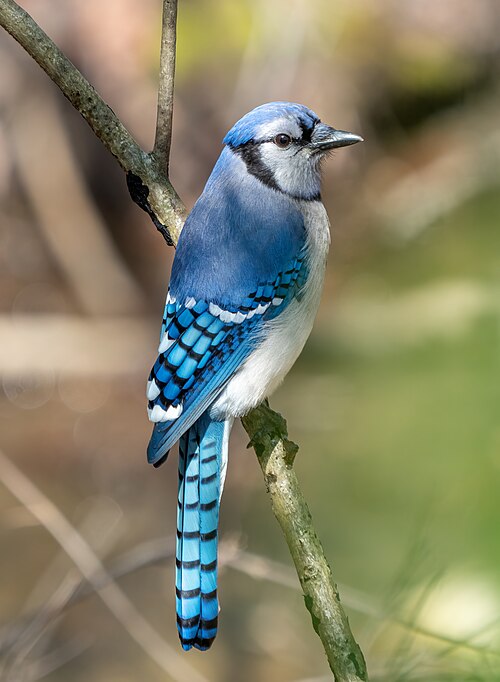
Blue Jay
Cyanocitta cristata
A loud, crested jay in blue, white and black. Common in eastern woods and yards, with some birds migrating in fall.
- Medium
- Forests
- Backyards
Year-round
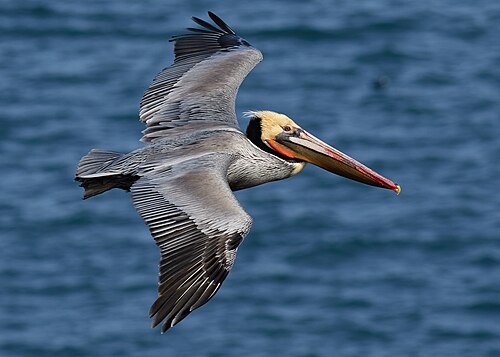
Brown Pelican
Pelecanus occidentalis
A big, dark coastal seabird that plunges headfirst for fish and glides low over the waves. Its recovery from pesticide losses is a conservation success.
- Very large
- Coastlines
Year-round
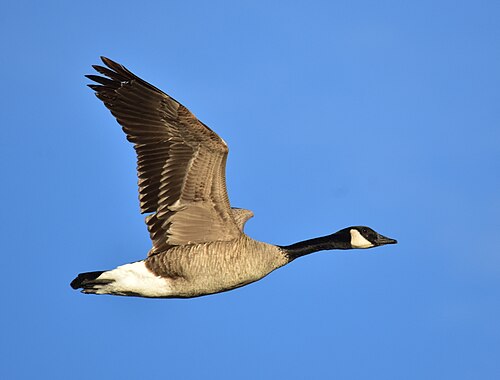
Canada Goose
Branta canadensis
A big brown goose with a black head and neck and a white chinstrap, now common on lakes, golf courses and fields across the US.
- Very large
- Wetlands
- Cities
Year-round
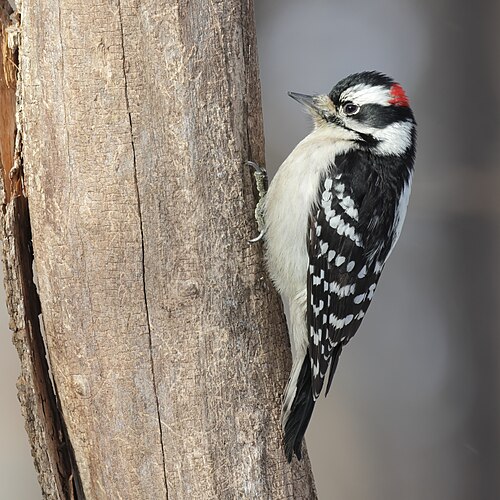
Downy Woodpecker
Dryobates pubescens
The smallest woodpecker in North America, a black-and-white bird with a short bill that visits suet feeders and tiny branches.
- Small
- Forests
- Backyards
Year-round
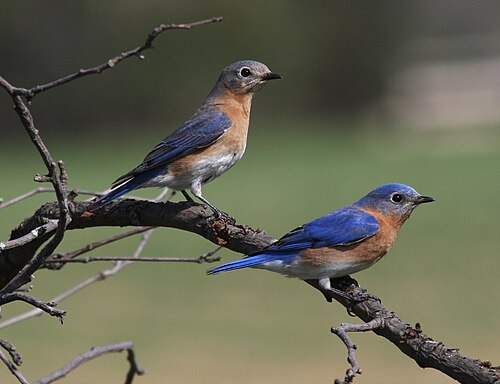
Eastern Bluebird
Sialia sialis
A small thrush of open country: the male is bright blue above with a rusty throat and chest, and a white belly.
- Small
- Grasslands
- Backyards
Year-round
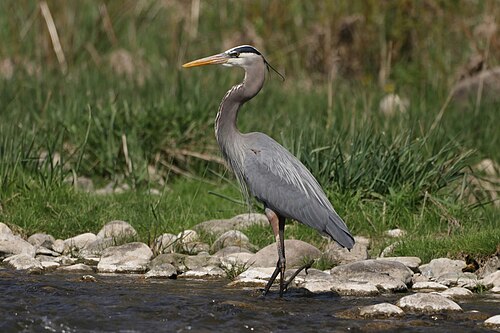
Great Blue Heron
Ardea herodias
North America’s largest heron, a tall gray-blue wader that stands motionless in shallows and strikes with a spear-like bill.
- Very large
- Wetlands
- Coastlines
Year-round
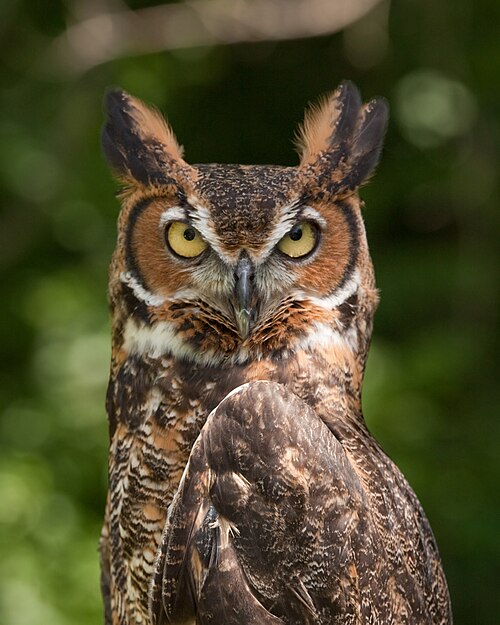
Great Horned Owl
Bubo virginianus
A big, heavy-bodied owl with feather tufts like horns and a deep, steady hoot. It lives in almost every kind of wooded or semi-open country.
- Large
- Forests
- Deserts
Year-round
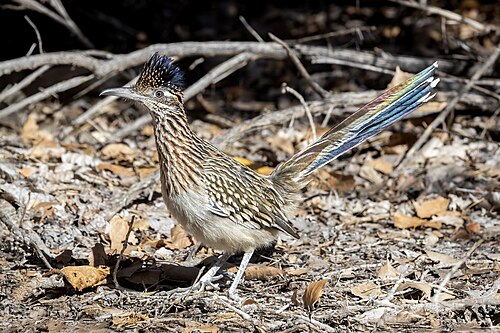
Greater Roadrunner
Geococcyx californianus
A long-tailed, ground-running cuckoo of the dry Southwest that hunts lizards, snakes, and big insects on foot.
- Large
- Deserts
- Grasslands
Year-round
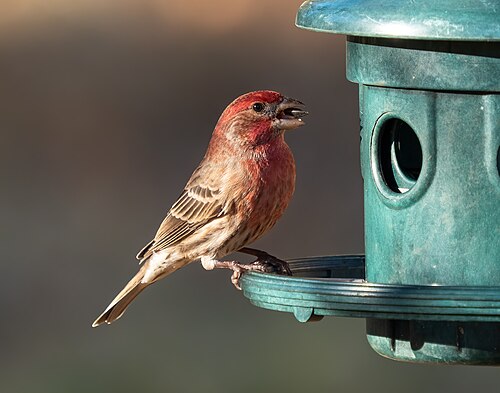
House Finch
Haemorhous mexicanus
A streaky brown finch. Males have a red head and chest. Native to the Southwest and now widespread in cities across the US.
- Small
- Cities
- Backyards
Year-round
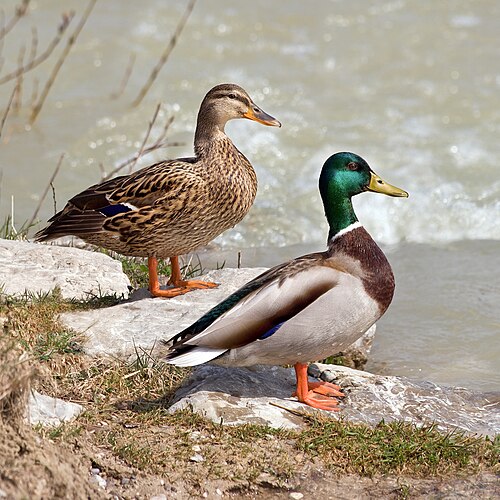
Mallard
Anas platyrhynchos
The familiar dabbling duck of ponds and park lakes. Males have a glossy green head; females are mottled brown with an orange bill.
- Large
- Wetlands
- Cities
Year-round
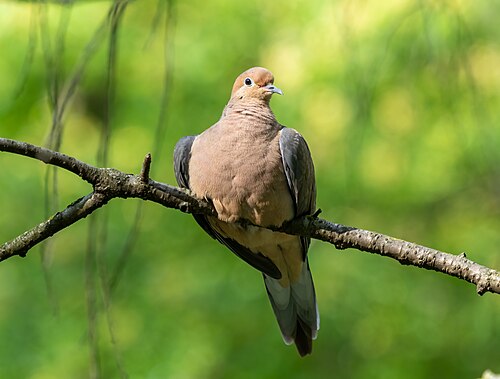
Mourning Dove
Zenaida macroura
A slim, soft gray-tan dove with a long pointed tail and a low, owl-like coo, common on wires, lawns and under feeders.
- Medium
- Backyards
- Grasslands
Year-round
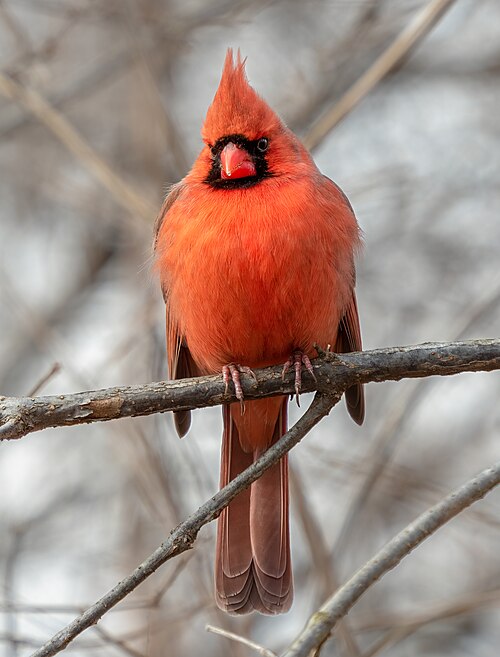
Northern Cardinal
Cardinalis cardinalis
A crested, year-round songbird. The male is brilliant red with a black face; the female is warm tan with red accents.
- Medium
- Backyards
- Forests
Year-round
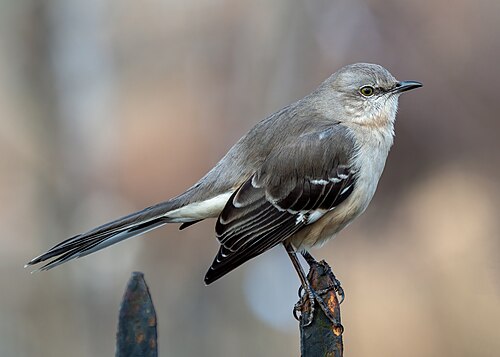
Northern Mockingbird
Mimus polyglottos
A slim gray songbird that sings from rooftops and wires, repeats borrowed phrases, and flashes white wing patches when it hops across a lawn.
- Medium
- Backyards
- Cities
Year-round
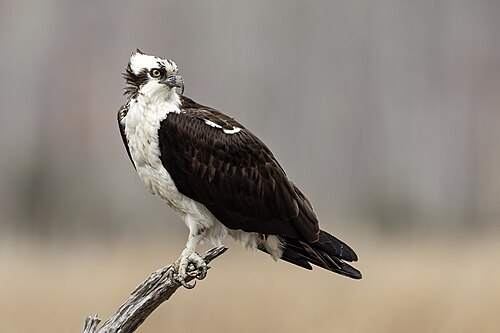
Osprey
Pandion haliaetus
A large fish-eating raptor that hovers over water and plunges feet-first for its catch. Look for its stick nests on poles and platforms.
- Large
- Wetlands
- Coastlines
Year-round
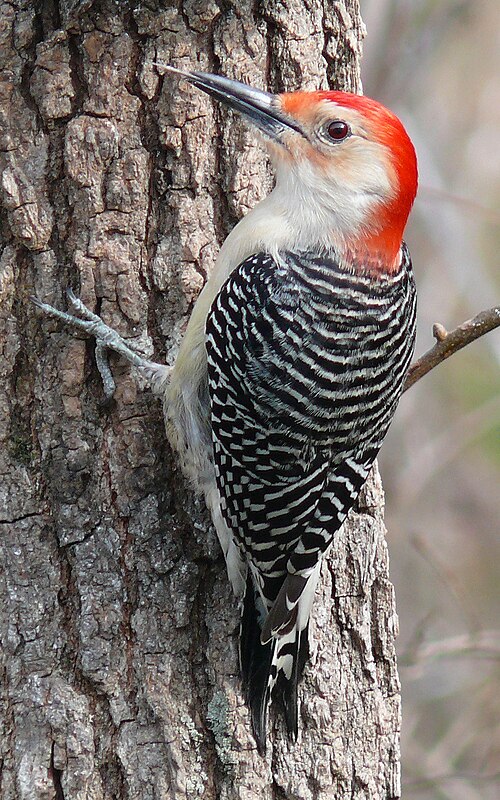
Red-bellied Woodpecker
Melanerpes carolinus
A medium woodpecker with a zebra-striped back and a red cap, familiar in eastern woods, suburbs and at suet feeders.
- Medium
- Forests
- Backyards
Year-round
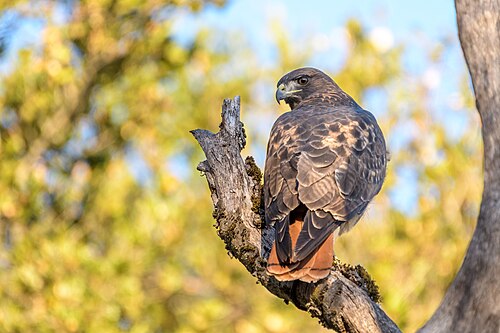
Red-tailed Hawk
Buteo jamaicensis
The most common large hawk in North America, often seen soaring over fields or perched on roadside poles, with a brick-red tail as an adult.
- Large
- Grasslands
- Forests
Year-round
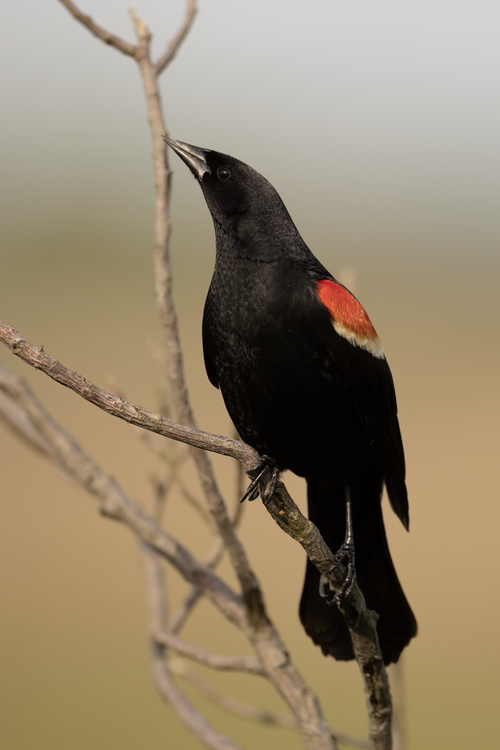
Red-winged Blackbird
Agelaius phoeniceus
A marsh-edge blackbird: males are glossy black with red-and-yellow shoulder patches, females are heavily streaked brown.
- Small
- Wetlands
- Grasslands
Year-round
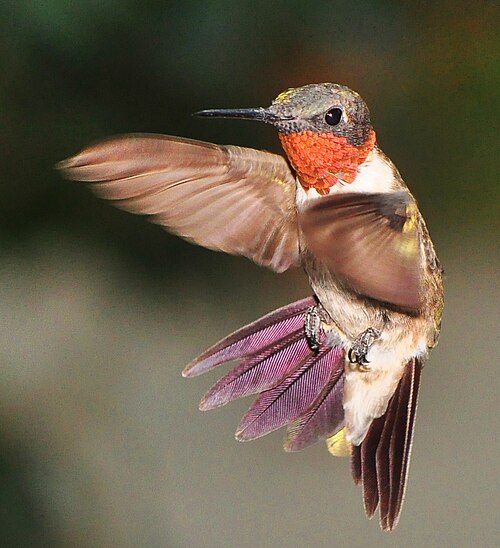
Ruby-throated Hummingbird
Archilochus colubris
The only hummingbird that breeds across eastern North America, a tiny summer visitor that migrates to Mexico and Central America.
- Tiny
- Backyards
- Forests
Spring, Summer, Fall
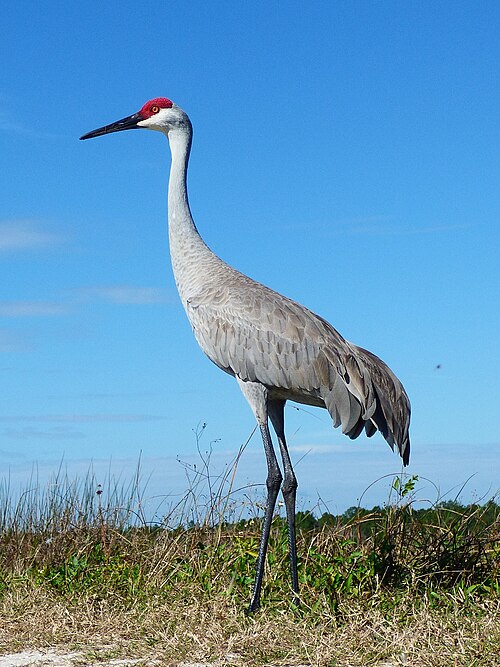
Sandhill Crane
Antigone canadensis
A tall gray crane with a red forehead, a bugling rattle, and migrations that fill Great Plains skies with hundreds of thousands of birds.
- Very large
- Wetlands
- Grasslands
Year-round
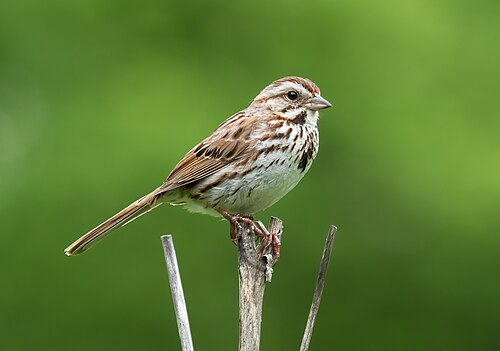
Song Sparrow
Melospiza melodia
A streaky, medium-sized sparrow with a central breast spot and a loud, varied song. It turns up in thickets, marsh edges and yards across the continent.
- Small
- Wetlands
- Backyards
Spring, Fall, Winter
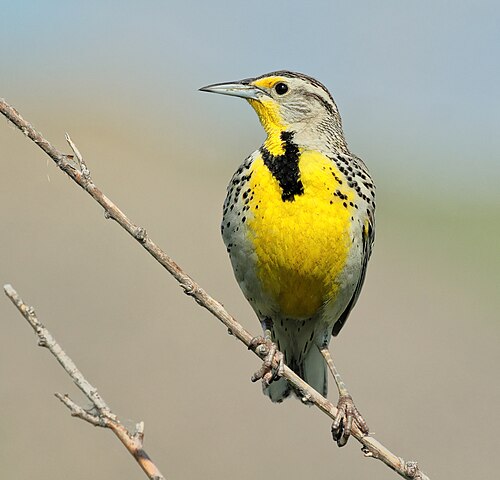
Western Meadowlark
Sturnella neglecta
A streaky brown grassland bird with a bright yellow chest and black V, best known for its flute-like, gurgling song from a fence post.
- Medium
- Grasslands
Winter
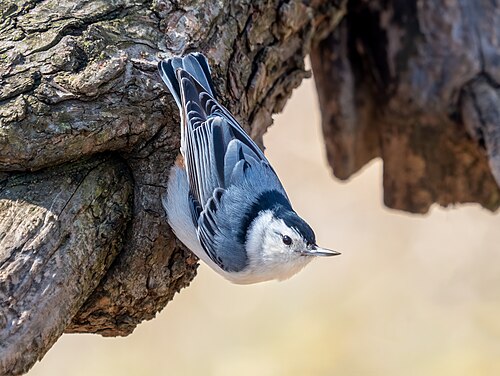
White-breasted Nuthatch
Sitta carolinensis
A compact, blue-gray bird that creeps headfirst down tree trunks and gives a nasal yank-yank. A regular at feeders with sunflower seeds and suet.
- Small
- Forests
- Backyards
Year-round
Related guides
Sources
- U.S. Fish & Wildlife Service: Administrative Flyways
- All About Birds (Cornell Lab of Ornithology)
- Audubon
Sources are the pages consulted when this entry was written. How we choose and use sources: sources and identification criteria.