
Backyard Birding · 8 min read
Backyard Birding
A bird feeder can bring birds to your window, but a yard that offers food, water, cover and nesting places will bring more of them and keep them safer. This guide starts with the habitat and then covers feeders, hygiene, hazards and seasonal care.
Habitat first, feeders second
Birds need four things from a yard: food, water, shelter from weather and predators, and a place to raise young. Feeders only supply part of the first. A yard with a few trees, a tangle of shrubs and a patch of unmowed ground often attracts more species than a bare lawn with a feeder in the middle.
Think in layers. Tall trees give singing perches and nest sites, mid-height shrubs give cover, and low plants and leaf litter give insects and seeds. Even a small balcony can help with a few native plants in containers and a shallow water dish.
What shows up depends on where you live. A suburban yard in the Northeast, a canyon home in the Southwest and a coastal garden in the Pacific West have different regular visitors. Our regional guides and the backyard habitat page give a sense of what to expect.
Native plants do the heavy lifting
Plants that grew in your area before it was developed tend to support the insects local birds depend on, including the caterpillars that many songbirds feed to their nestlings. They also produce berries, seeds and nectar at times that match local bird needs.
Pick plants suited to your region and soil rather than copying a list from another state. A local native plant society, state wildlife agency, county extension office or nature center usually publishes regional plant lists. Choose a mix of trees, shrubs and flowering perennials so something is blooming, fruiting or holding seed in each season.
Leave some mess if you can. Seed heads, fallen leaves and dead branches feed and shelter birds through fall and winter, and a brush pile can give small birds a refuge from hawks.
Water is a magnet
A reliable water source can draw birds that never visit a feeder. Use a shallow basin with a rough surface for grip. Birds generally prefer shallow water, and a few inches at the deepest is usually plenty. A few flat stones in the middle help small birds.
Moving water, such as a dripper or small fountain, tends to catch attention. Change the water often and scrub the basin so algae and droppings do not build up. In warm weather, stagnant water can also breed mosquitoes, so refresh it every day or two. In freezing climates, a heater designed for bird baths keeps water open in winter.
Place the bath where birds can see approaching cats and can reach cover quickly, but not so close to dense shrubs that a cat can hide next to it.
Appropriate foods, and what to skip
Different foods attract different birds, and the choice should match who you want to help. Black oil sunflower seed is a widely used all-around choice. Nyjer (thistle) seed in a fine-mesh feeder suits finches such as the American Goldfinch. Suet cakes help woodpeckers and nuthatches, especially in cold weather, and are often best offered in the cooler months because suet can go rancid in heat. A whole-seed mix with a lot of cheap filler is often kicked to the ground and wasted.
Offer fresh food in amounts the birds finish within a few days. Moldy, wet or clumped seed can make birds sick and should be thrown away.
Skip bread, chips and other human snack food. They offer little nutrition and attract pests. Do not make homemade nectar with honey, brown sugar or artificial sweeteners, and skip red dye. These are not safe for hummingbirds.
Safe feeder hygiene
Crowded feeders let diseases pass from bird to bird. Clean regularly, and clean more often when birds look sick or the weather is damp. Audubon’s feeder guidance, updated in 2025, describes a simple routine: throw out old seed rather than dumping it on the ground, scrub with soap and water, soak for about 15 minutes in a half-vinegar, half-water mix, rinse well and let everything dry fully before refilling.
Spread feeders out, rake up hulls and droppings beneath them and move feeding stations a few feet now and then. Feeders that hold small amounts of seed are easier to keep fresh.
If you see a bird that looks sick, take the feeders down for a while, clean everything and keep your distance from the bird. Wear gloves if you must handle a dead bird, wash your hands afterward and keep pets away.
Hummingbird feeders
Hummingbird nectar is simple: one part plain white table sugar to four parts water, stirred until dissolved. The Hummingbird Society, which we checked, recommends spring or purified water and says to avoid red dye, honey, molasses and artificial sweeteners. A slightly stronger mix is sometimes used in cold weather, but plain 1:4 is the standard.
Nectar spoils fast. The same source suggests changing it every two to three days, and more often in hot weather above about 90°F, and cleaning the feeder before every refill rather than topping it off. Vinegar works for routine cleaning. Rinse until no smell remains. If you use a diluted bleach soak, do it only occasionally and rinse very thoroughly.
Hang feeders where you can see them and where birds are not at risk from windows or cats. In the Southeast and East, the Ruby-throated Hummingbird is the main visitor, while on the West Coast Anna’s Hummingbird may stay year-round. Timing differs by region, so rely on local hummingbird sightings rather than a calendar date to know when to put feeders out and take them down.
Windows, cats and pesticides
Glass is one of the biggest backyard hazards. American Bird Conservancy states that more than one billion birds die from glass collisions each year in the United States. At home, the idea is to break up reflections: apply patterned decals or tape on the outside of the glass, or hang cords and screens in front of it. A few scattered stickers are rarely enough, so closely spaced patterns work better. Moving feeders either very close to the glass (within a few feet) or well away from it is a commonly suggested step.
Cats are the other major threat. American Bird Conservancy estimates that domestic cats kill about 2.4 billion birds a year in the U.S. and recommends keeping cats indoors or supervised, with catios, harnesses or leashes as options for outdoor time. This protects the cat too.
Pesticides and herbicides remove the insects that nestling birds depend on, and some products can poison birds directly. Avoid broad-spectrum sprays, use less toxic approaches when you can, and let a few insect-chewed leaves be a sign of a healthy garden.
Seasons, local rules and avian flu
Backyard needs change through the year. Spring and fall bring migrants that appreciate water and native shrubs, summer is for nesting and quiet, and winter is when feeders and open water matter most. Our seasonal birdwatching guides outline what to expect, and the Understanding Migration guide explains why visitors come and go.
Check local rules before you install anything. Some homeowner associations and cities limit feeders or require that food not attract rodents, and some places restrict feeding wildlife. Never touch or move a nest; most native wild birds in the U.S. are protected by federal law, and leaving nests alone is both kind and legal.
Highly pathogenic avian influenza has affected wild and domestic birds in recent years. Audubon’s 2025 article notes that experts say feeders do not currently pose a major risk but advises removing them if a local agency recommends it. A search of current news in 2026 showed that the USDA did not recommend removing feeders unless you keep poultry, and that several state agencies had issued their own temporary advice. This guidance changes, so check your state wildlife agency and USDA before deciding. If you keep backyard chickens or live next to poultry, take extra care to keep wild birds away from them.
Frequently asked questions
Do I have to put out a feeder to enjoy backyard birds?
No. Native plants, a clean source of water and some cover can attract many species by themselves. Feeders are an extra, and they come with a duty to keep them clean and fresh. Habitat helps birds all year.
How often should I clean my feeders?
Clean them regularly, more often when the weather is damp or when birds look sick. Hummingbird feeders need a clean before every refill and fresh nectar every two to three days, or sooner in hot weather.
Should I take my feeders down because of bird flu?
It depends on where you live. Recent guidance did not call for removal unless you keep poultry, but states sometimes issue temporary advice. Check your state wildlife agency and USDA before you decide, and follow any local notice.
Birds mentioned in this guide
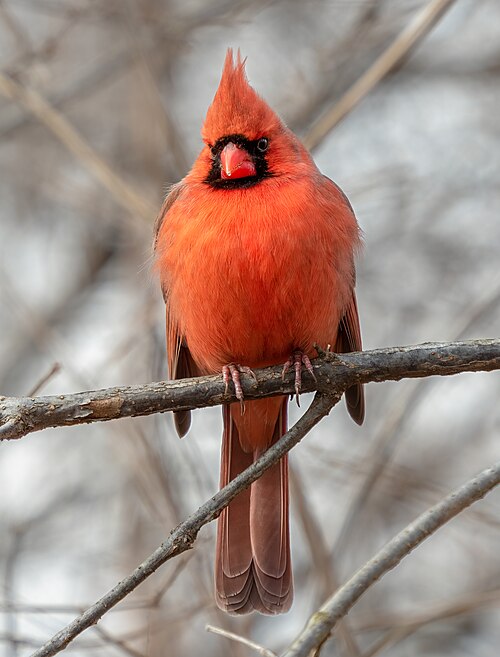
Northern Cardinal
Cardinalis cardinalis
A crested, year-round songbird. The male is brilliant red with a black face; the female is warm tan with red accents.
- Medium
- Backyards
- Forests
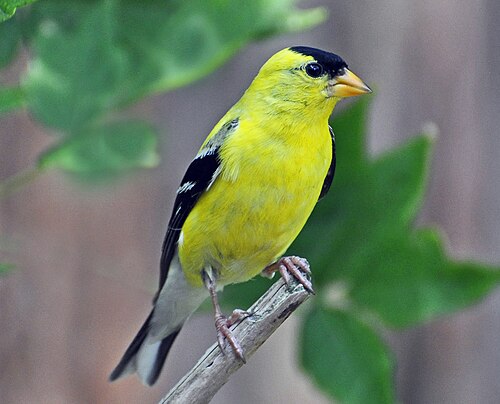
American Goldfinch
Spinus tristis
A small seed-eating finch. Breeding males are bright yellow with a black cap; winter birds turn a muted tan-olive.
- Tiny
- Grasslands
- Backyards
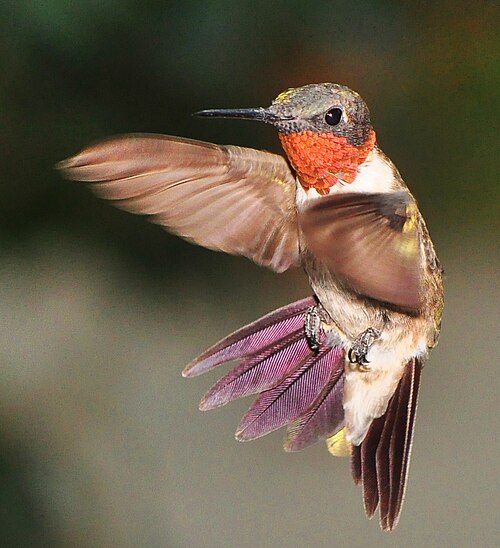
Ruby-throated Hummingbird
Archilochus colubris
The only hummingbird that breeds across eastern North America, a tiny summer visitor that migrates to Mexico and Central America.
- Tiny
- Backyards
- Forests
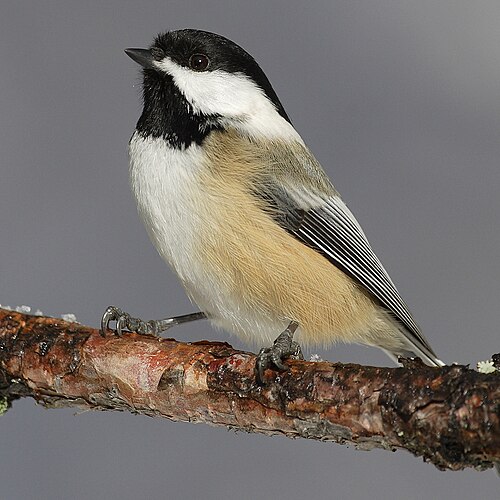
Black-capped Chickadee
Poecile atricapillus
A tiny, curious songbird with a black cap and bib, white cheeks and a clear fee-bee song. A resident across the northern states.
- Small
- Forests
- Backyards
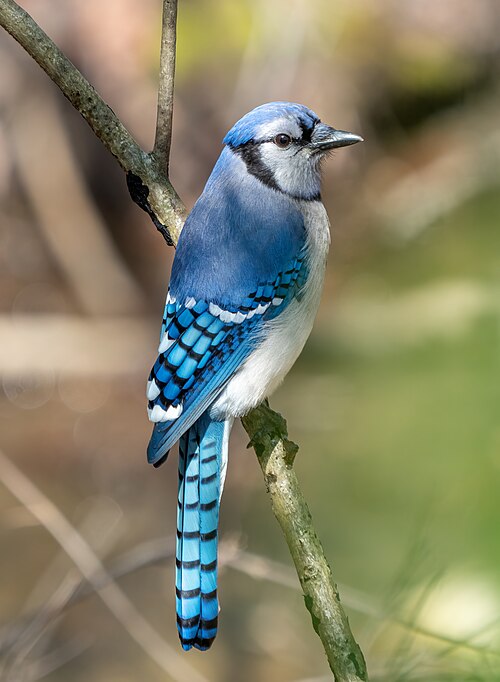
Blue Jay
Cyanocitta cristata
A loud, crested jay in blue, white and black. Common in eastern woods and yards, with some birds migrating in fall.
- Medium
- Forests
- Backyards
Keep reading
Sources
- Audubon: What Does the Avian Flu Surge Mean for Your Bird Feeders? (Feb. 2025)
- Hummingbird Society: Feeding Hummingbirds
- American Bird Conservancy: Preventing Glass Collisions
- American Bird Conservancy: Keep Cats Indoors
Sources are the pages consulted when this entry was written. How we choose and use sources: sources and identification criteria.