
Habitat guide
Wetlands Birdwatching
Wetlands include marshes, swamps, ponds, wet meadows and river edges, and they draw an unusual variety of birds. This guide covers how birds use them, how the seasons change what you see, and how to watch with care.
What counts as a wetland
A wetland is land that stays wet enough, for long enough, to shape the plants and animals that live there. Freshwater marshes full of cattails and reeds, wooded swamps, prairie potholes, mudflats, flooded fields and the shallow edges of lakes and slow rivers all qualify.
Wetlands change constantly. Water levels rise with rain or snowmelt and drop in dry spells, and a spot that was open water last month can be exposed mud this month. Birds respond quickly to those shifts, which is why a wetland can look empty one week and crowded the next.
How birds use wetlands
Different birds use different parts of the same wetland. Ducks and geese such as the Mallard and Canada Goose swim and feed on the water. Long-legged wading birds, including the Great Blue Heron, stalk the shallows. Belted Kingfishers watch from perches over open water, and Ospreys hunt from the air over larger pools.
Thick emergent plants shelter nesting birds that stay hidden. Red-winged Blackbirds are a familiar sight on cattail stems in spring. Other marsh birds are secretive and far more often heard than seen. Wetlands also give migrating birds places to rest and refuel, which is why large flocks can gather at the right time.
Water depth decides who can feed where. Dabbling ducks and shorebirds prefer shallow water and exposed mud, diving ducks use deeper open water, and herons and egrets can wade at moderate depths. Because water levels shift naturally or are managed on refuges, the mix of birds follows. A wetland that is drawn down slowly in late summer, for example, often exposes mud that migrating shorebirds find useful, though management plans differ from site to site.
Seasonal change
Spring brings returning waterfowl, singing marsh birds and the first nesting activity. Fall brings the opposite flow, with flocks gathering and moving south. Many wetlands see their largest numbers during migration, but the dates shift with latitude, weather and water conditions.
Summer is the main breeding season for many species, and young birds begin to appear on the water. In winter, open wetlands in milder regions can hold large groups of ducks, geese and cranes, while frozen northern ones empty out. Because freeze-up and thaw vary year to year, local reports are more reliable than fixed dates.
What to look for
Scan the edge where water meets vegetation, since many birds feed or hide there. Look at different distances. A mid-pond group of ducks, a heron standing still at the bank and small birds moving through reeds all need separate scans.
Use a spotting scope if you have one, because wetland birds are often far out and you should not walk closer. Learn silhouettes and behavior: ducks that dabble versus dive, herons that stand versus walk, and swallows hawking insects over the surface. The bird finder can help narrow an unknown bird by size, color and habitat.
Light and wind matter on open water. Morning light from behind you shows colors and patterns clearly, while glare can turn a distant flock into silhouettes. Wind can push birds to the sheltered side of a pond. Watch for sudden alarm across a flock, which can mean a hawk or eagle overhead. Raptors hunting a wetland are part of how it works, and they are worth watching quietly from a safe distance.
Watching wetlands responsibly
Wetlands are sensitive. Stay on boardwalks, dikes and marked paths. Walking into reeds or along the water’s edge can crush nests and flush birds at critical moments, and it can leave nesting birds exposed to predators. Observation platforms and blinds help watchers keep their distance.
Keep quiet around roosting flocks. When a whole group lifts off in alarm, it burns energy the birds may need for migration or winter survival. Do not feed waterfowl bread or processed snacks, which can harm them and pollute the water. Follow refuge rules, including seasonal closures, and check our guide on observing birds responsibly.
Regional variation across the US
The Prairie Pothole region in the northern Plains is a major waterfowl nesting area. The Gulf Coast and Southeast have extensive swamps, bayous and coastal marshes. The Pacific coast and Central Valley provide key wintering wetlands, and the Great Lakes and Atlantic coast have marshes that serve migrants.
Arid regions rely on scattered ponds, reservoirs and river corridors that act as oases for birds. Timing and presence vary by location, weather and migration. For a trip, read our migration hub and the matching regional guide, and check local refuge pages for current conditions.
Frequently asked questions
When is the best time to visit a wetland for birds?
Spring and fall migration often bring the most variety, and early morning is usually best. Winter can be excellent where water stays open. Timing differs by region and year, so check local reports and refuge updates before you go.
Why do I hear birds in a marsh but not see them?
Many marsh specialists live in thick vegetation and stay hidden. Learning their calls helps. Visit at dawn or dusk when they are more active, and wait quietly in one spot rather than moving around.
Should I bring bread to feed ducks?
No. Bread and processed foods offer poor nutrition and can cause health problems for waterfowl, and they foul the water. Enjoy wild birds from a distance and let them forage naturally.
Birds in our library that use this habitat
11 species in the library are commonly found here. Presence and timing vary by region and migration. Use the habitat and region explorer to narrow by region and season.
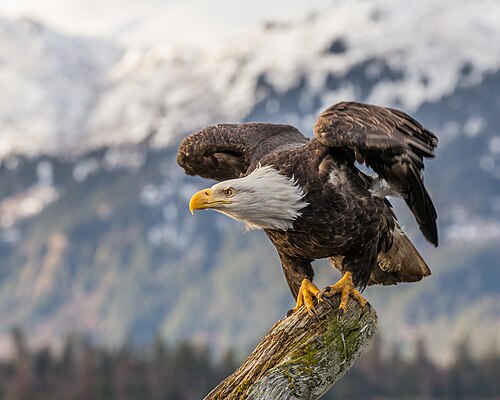
Bald Eagle
Haliaeetus leucocephalus
America’s national bird, a huge dark-brown raptor with a white head and tail that fishes along coasts, rivers and large lakes.
- Very large
- Wetlands
- Coastlines
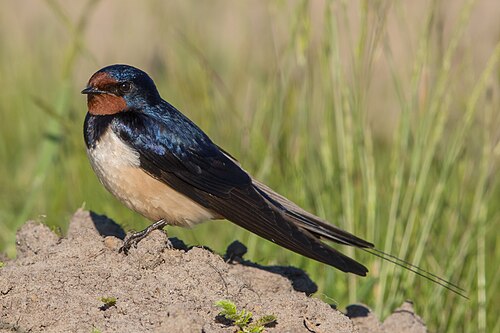
Barn Swallow
Hirundo rustica
A graceful, blue-backed swallow with a rusty throat and a deeply forked tail, often seen skimming over fields and nesting under bridges.
- Small
- Grasslands
- Wetlands
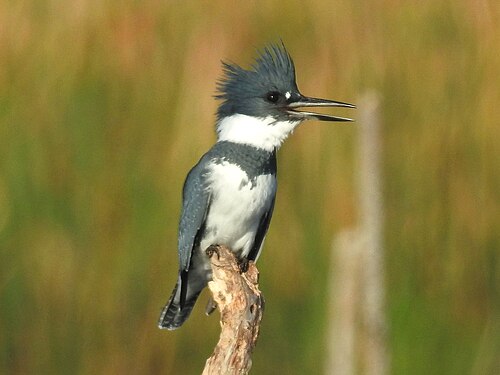
Belted Kingfisher
Megaceryle alcyon
A shaggy-crested, blue-gray waterside bird that rattles along rivers and plunges headfirst for fish.
- Medium
- Wetlands
- Coastlines
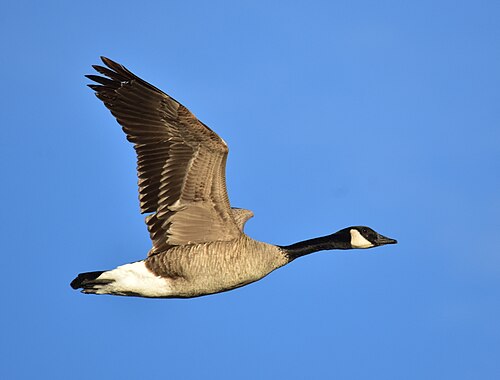
Canada Goose
Branta canadensis
A big brown goose with a black head and neck and a white chinstrap, now common on lakes, golf courses and fields across the US.
- Very large
- Wetlands
- Cities
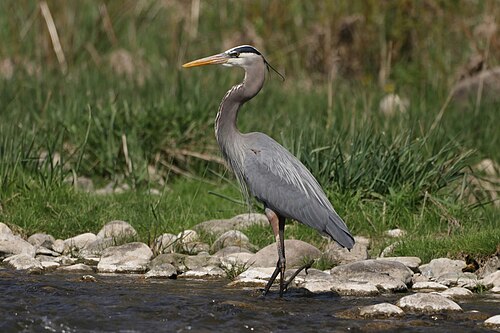
Great Blue Heron
Ardea herodias
North America’s largest heron, a tall gray-blue wader that stands motionless in shallows and strikes with a spear-like bill.
- Very large
- Wetlands
- Coastlines
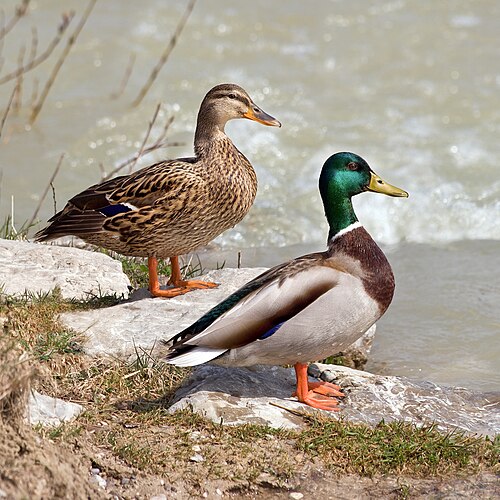
Mallard
Anas platyrhynchos
The familiar dabbling duck of ponds and park lakes. Males have a glossy green head; females are mottled brown with an orange bill.
- Large
- Wetlands
- Cities
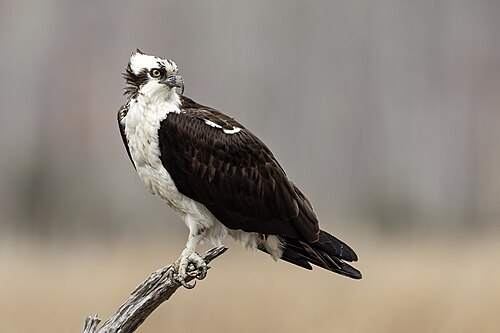
Osprey
Pandion haliaetus
A large fish-eating raptor that hovers over water and plunges feet-first for its catch. Look for its stick nests on poles and platforms.
- Large
- Wetlands
- Coastlines
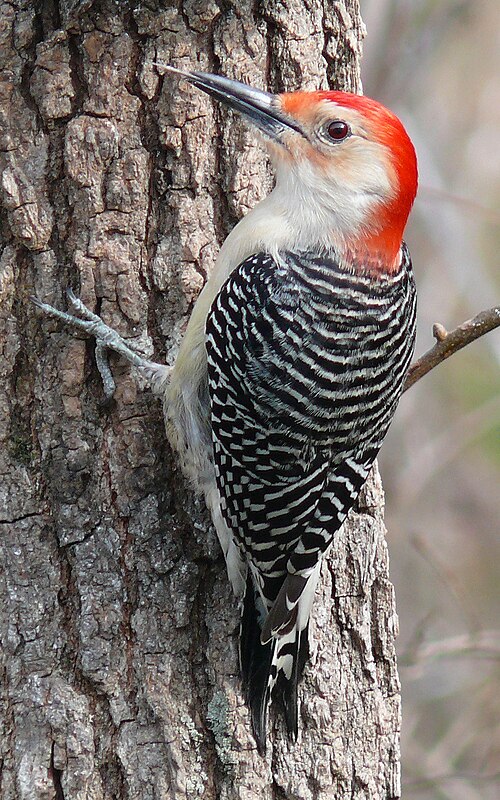
Red-bellied Woodpecker
Melanerpes carolinus
A medium woodpecker with a zebra-striped back and a red cap, familiar in eastern woods, suburbs and at suet feeders.
- Medium
- Forests
- Backyards
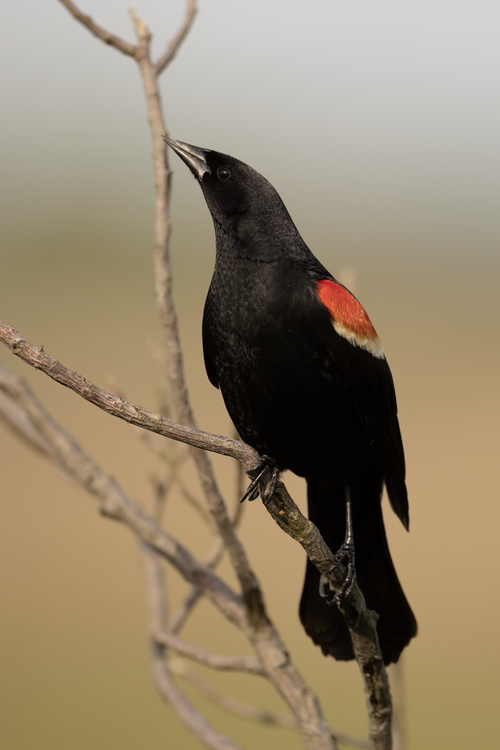
Red-winged Blackbird
Agelaius phoeniceus
A marsh-edge blackbird: males are glossy black with red-and-yellow shoulder patches, females are heavily streaked brown.
- Small
- Wetlands
- Grasslands
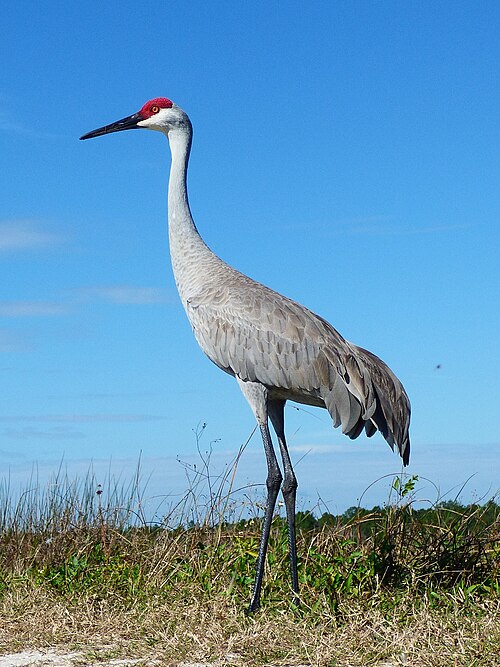
Sandhill Crane
Antigone canadensis
A tall gray crane with a red forehead, a bugling rattle, and migrations that fill Great Plains skies with hundreds of thousands of birds.
- Very large
- Wetlands
- Grasslands
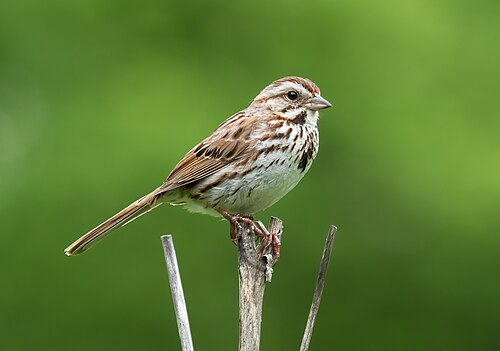
Song Sparrow
Melospiza melodia
A streaky, medium-sized sparrow with a central breast spot and a loud, varied song. It turns up in thickets, marsh edges and yards across the continent.
- Small
- Wetlands
- Backyards
Related guides
Sources
Sources are the pages consulted when this entry was written. How we choose and use sources: sources and identification criteria.