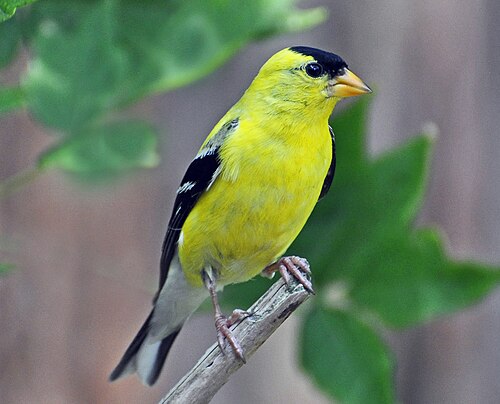
American Goldfinch
Spinus tristis
A small seed-eating finch. Breeding males are bright yellow with a black cap; winter birds turn a muted tan-olive.
- Tiny
- Grasslands
- Backyards

Topic
Backyard birding is one of the easiest ways to start and one of the best ways to keep learning. A yard, a patio or even a window feeder lets you watch the same birds day after day, so you pick up their habits, calls and seasonal patterns. Success depends on offering what birds need: food, water, cover and nesting places. The right feeder, a clean bird bath and native plants can all draw visitors. Safety matters too. Feeders need regular cleaning, the right foods avoid harm, and windows and cats are major hazards that you can reduce. This hub points to the guide on backyard birding, which covers feeders, foods and setup, and to the backyards habitat page, which explains how birds use yards through the seasons. If you are new, how to start birdwatching gives a simple first-week plan. Keep a list of the birds you see, note the dates, and add what you learn to community counts if you wish. Over a year, your yard becomes a living calendar of the local bird year.
Spinus tristis
A small seed-eating finch. Breeding males are bright yellow with a black cap; winter birds turn a muted tan-olive.
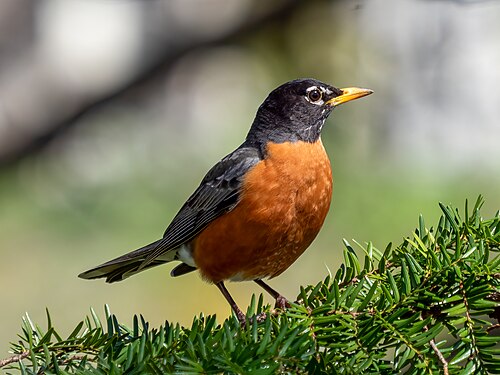
Turdus migratorius
A gray-brown thrush with a rusty-orange breast, often seen sprinting and pausing across lawns while hunting worms.
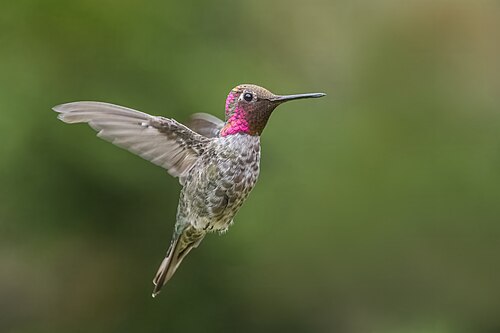
Calypte anna
A stocky Pacific Coast hummingbird with a rose-red head, now a year-round presence in many western yards and feeders.
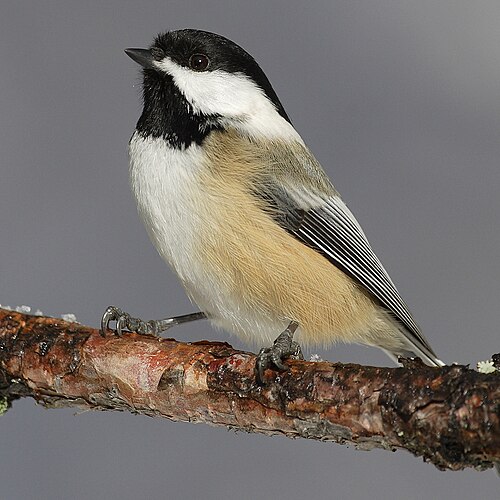
Poecile atricapillus
A tiny, curious songbird with a black cap and bib, white cheeks and a clear fee-bee song. A resident across the northern states.
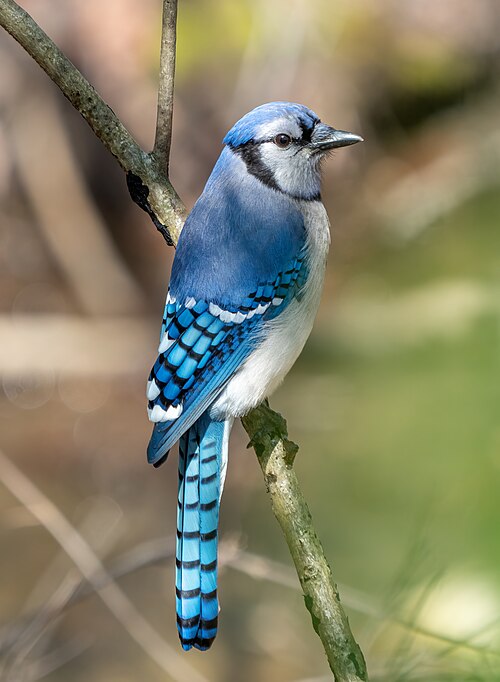
Cyanocitta cristata
A loud, crested jay in blue, white and black. Common in eastern woods and yards, with some birds migrating in fall.
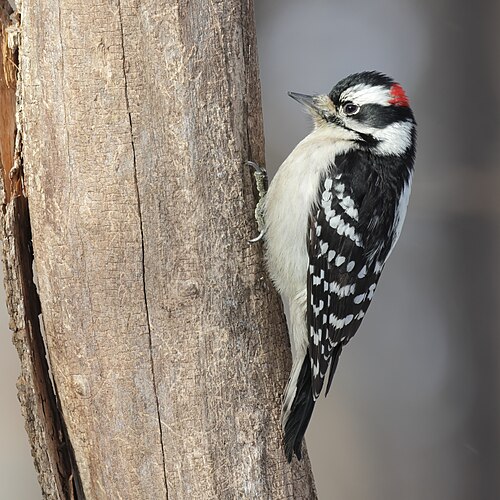
Dryobates pubescens
The smallest woodpecker in North America, a black-and-white bird with a short bill that visits suet feeders and tiny branches.
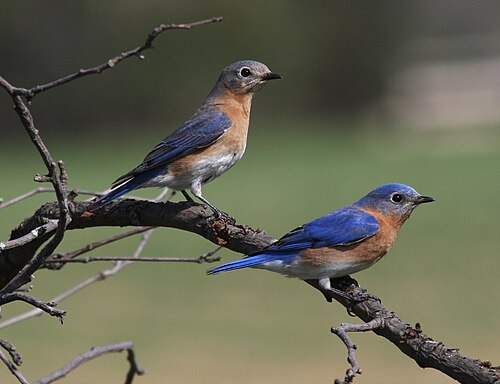
Sialia sialis
A small thrush of open country: the male is bright blue above with a rusty throat and chest, and a white belly.
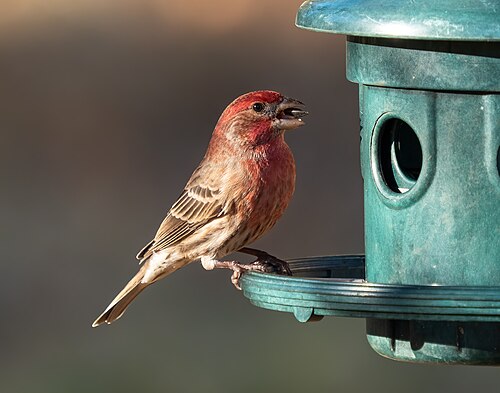
Haemorhous mexicanus
A streaky brown finch. Males have a red head and chest. Native to the Southwest and now widespread in cities across the US.
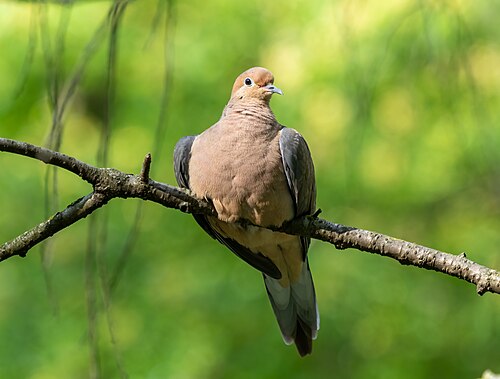
Zenaida macroura
A slim, soft gray-tan dove with a long pointed tail and a low, owl-like coo, common on wires, lawns and under feeders.
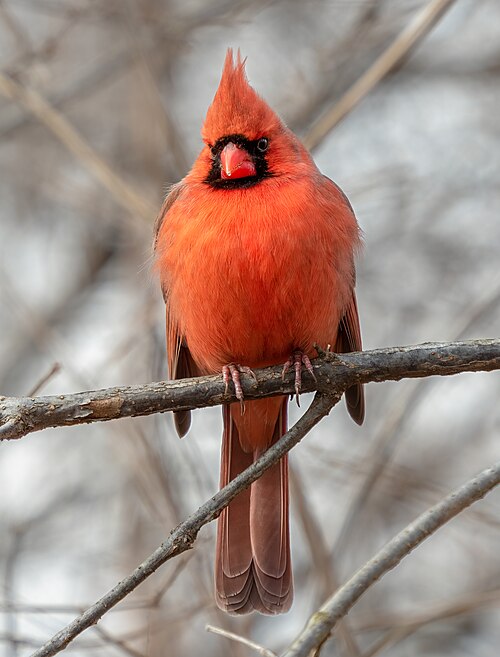
Cardinalis cardinalis
A crested, year-round songbird. The male is brilliant red with a black face; the female is warm tan with red accents.
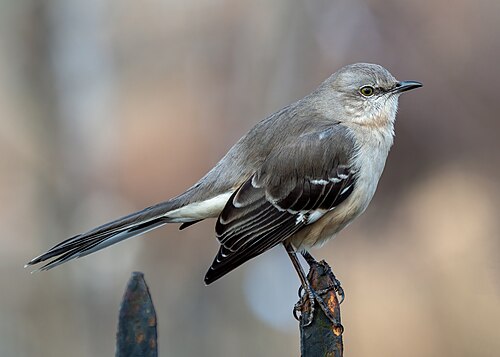
Mimus polyglottos
A slim gray songbird that sings from rooftops and wires, repeats borrowed phrases, and flashes white wing patches when it hops across a lawn.
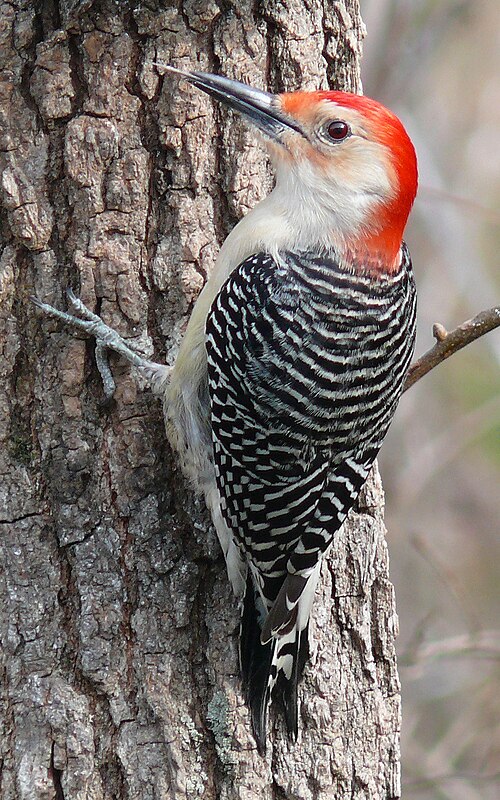
Melanerpes carolinus
A medium woodpecker with a zebra-striped back and a red cap, familiar in eastern woods, suburbs and at suet feeders.
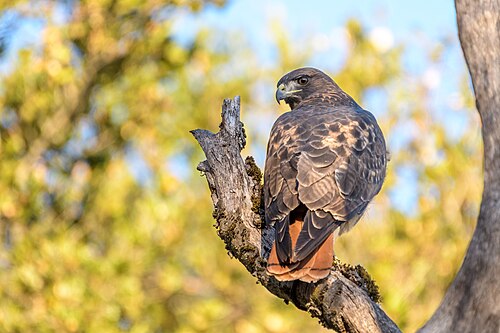
Buteo jamaicensis
The most common large hawk in North America, often seen soaring over fields or perched on roadside poles, with a brick-red tail as an adult.
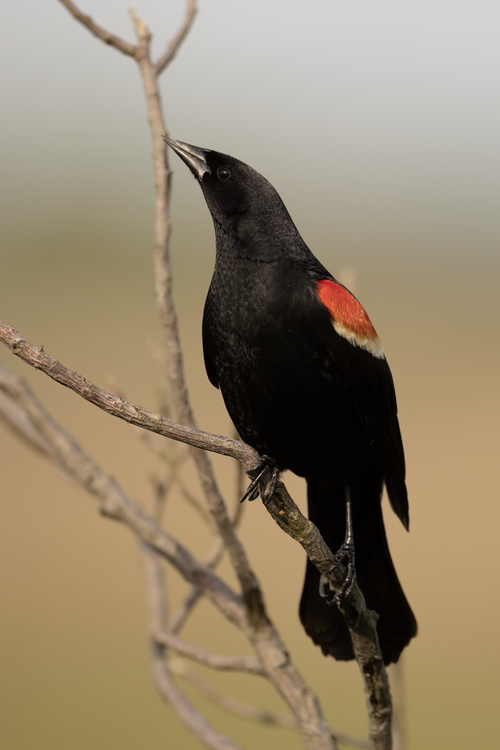
Agelaius phoeniceus
A marsh-edge blackbird: males are glossy black with red-and-yellow shoulder patches, females are heavily streaked brown.
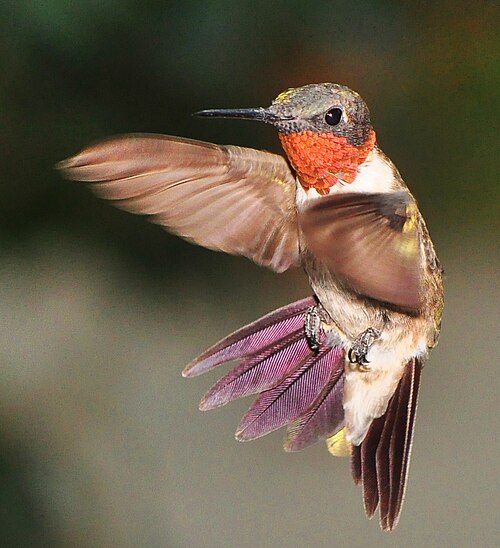
Archilochus colubris
The only hummingbird that breeds across eastern North America, a tiny summer visitor that migrates to Mexico and Central America.
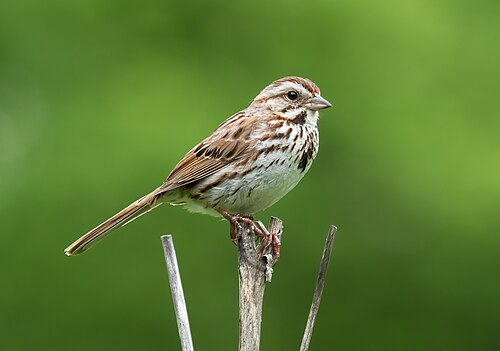
Melospiza melodia
A streaky, medium-sized sparrow with a central breast spot and a loud, varied song. It turns up in thickets, marsh edges and yards across the continent.
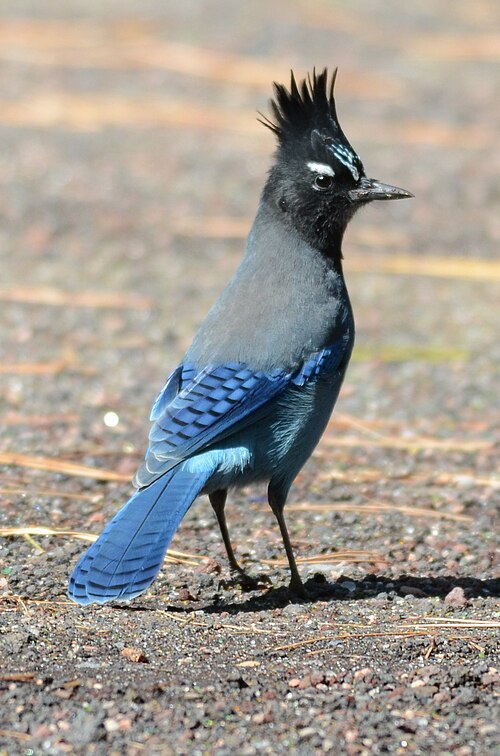
Cyanocitta stelleri
A crested, sooty-black and deep-blue jay of western evergreen forests, and a noisy regular at mountain campgrounds and feeders.
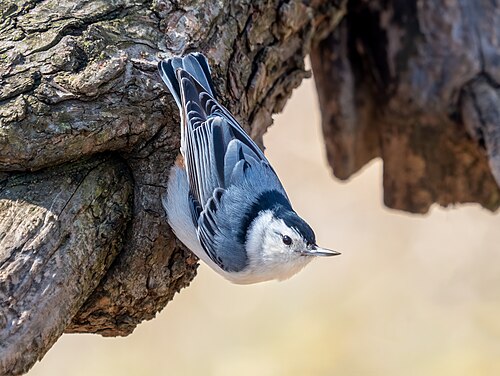
Sitta carolinensis
A compact, blue-gray bird that creeps headfirst down tree trunks and gives a nasal yank-yank. A regular at feeders with sunflower seeds and suet.
More: Backyards as habitat.