
Habitat guide
Backyards Birdwatching
A yard, balcony or garden can be a rewarding place to watch birds. This guide explains what birds look for around homes, how visitors change through the year, and how to attract them safely without causing harm.
What a backyard offers
Birds look for four things: food, water, cover and nesting spots. A yard that supplies several of these will see more activity than a tidy lawn. Trees and shrubs give shelter and perches, native plants supply seeds, berries and insects, and a source of clean water draws birds that rarely visit feeders.
Yards vary enormously, from a city balcony to a wooded acre, but even small spaces matter. Connected yards can form corridors that help birds move through suburbs.
How birds use yards
Feeder visitors such as the Northern Cardinal, Blue Jay, American Goldfinch and House Finch are the familiar faces. Others come for fruit, insects or water rather than seed. Woodpeckers visit suet, hummingbirds visit flowers and nectar feeders, and robins and bluebirds look for insects and berries.
Some birds use yards only as stopovers during migration, while others stay to nest. Nest boxes can help cavity nesters, provided the box suits the species and is placed and maintained properly.
Layers of plants make a big difference. A yard that has tall trees, mid-height shrubs and low plants offers perches, shelter and food at each level. Brush piles and a corner left a little wild give cover from weather and predators. Fruiting shrubs, seed heads left standing in fall and flowers that attract insects supply natural food that feeders cannot replace.
Seasonal change
Winter feeders are often busiest because natural food is scarce. In spring, migrants pass through and resident birds start to sing and pair up. Summer visits may drop off as birds nest and find plentiful natural food, and in fall, activity rises again with migration and the arrival of winter birds.
The exact timing varies with location, weather and migration. A change in the weather, a hawk nearby or a good natural fruit crop can empty a feeder for days without anything being wrong.
Safe feeding and habitat
Feed appropriate foods. Black-oil sunflower seed, suet and nyjer are widely used, and the right choice depends on the species you want to see. Avoid bread, honey, artificial sweeteners and red dye in nectar. For hummingbirds, plain sugar and water in a simple mix is the recommended nectar, and it needs frequent changing and cleaning.
Clean feeders regularly and space them away from spoiled seed and droppings, as dirty feeders can spread disease. Place feeders either very close to windows or well away from them to reduce collisions, and keep cats indoors. Native plants and a bird bath with fresh water often do as much as any feeder. Read our full backyard birding guide.
Think about safety. Keep feeders clean, remove old seed and wet clumps, and rinse nectar feeders often. Reduce window strikes with markings on the outside of glass, spaced closely enough that birds do not try to fly between them. Use pesticide-free gardening where you can, since insects are key food for nesting birds, and keep cats indoors, where they can neither hunt birds nor face traffic and other dangers.
What to look for
Learn the regulars first. Notice size, shape, bill and behavior, then color. Keep a notebook or app log of visits by date and weather. Over a year, you will see patterns that tell you when species arrive and leave.
Take part in community science. Counts such as the Great Backyard Bird Count and Project FeederWatch use observations from yards to track bird populations. The seasonal calendar and bird finder can help you identify what you see.
Regional variation across the US
Backyard birds vary by region. Eastern yards often see cardinals, jays and chickadees; western yards may host hummingbirds, towhees and jays suited to dry or coastal climates; southern yards can see wintering birds from the north; and desert yards gain from water more than from feeders alone.
In some regions, bears, raccoons or other wildlife may raid feeders. Local rules, seasons and wildlife agency advice apply, and bringing feeders in at night or during bear season may be recommended. Presence and timing vary by location, weather and migration.
Frequently asked questions
What is the safest way to start feeding birds?
Choose one clean feeder with black-oil sunflower seed, place it near cover, and keep it clean. Add water. Watch who comes before adding more feeders or foods.
Is it safe to use red nectar?
No. Red dye is unnecessary and may be harmful. Use plain white sugar dissolved in water, change it often, and clean the feeder each time. Do not use honey or artificial sweeteners.
Why did birds stop visiting my feeder?
Many things can cause it: natural food availability, nesting season, a predator nearby, or a dirty feeder. Clean the feeder, refresh the seed and be patient. Birds often return.
Birds in our library that use this habitat
18 species in the library are commonly found here. Presence and timing vary by region and migration. Use the habitat and region explorer to narrow by region and season.
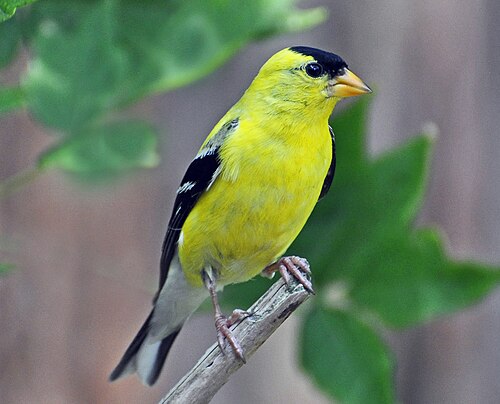
American Goldfinch
Spinus tristis
A small seed-eating finch. Breeding males are bright yellow with a black cap; winter birds turn a muted tan-olive.
- Tiny
- Grasslands
- Backyards
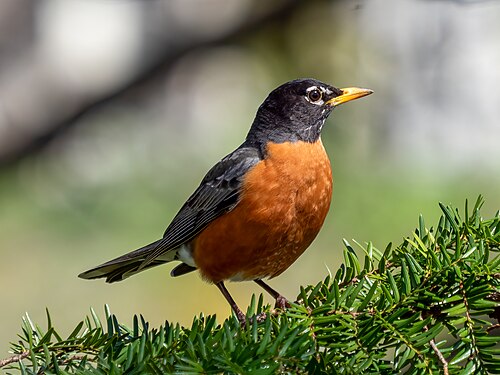
American Robin
Turdus migratorius
A gray-brown thrush with a rusty-orange breast, often seen sprinting and pausing across lawns while hunting worms.
- Medium
- Backyards
- Cities
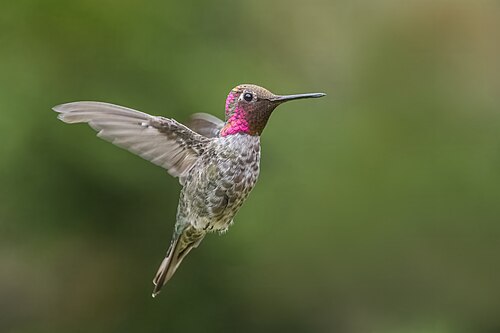
Anna’s Hummingbird
Calypte anna
A stocky Pacific Coast hummingbird with a rose-red head, now a year-round presence in many western yards and feeders.
- Tiny
- Backyards
- Cities
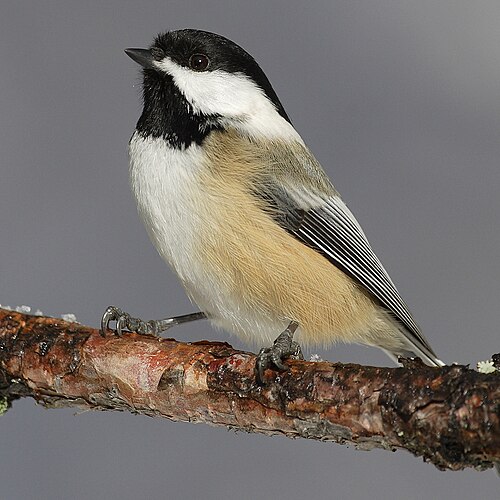
Black-capped Chickadee
Poecile atricapillus
A tiny, curious songbird with a black cap and bib, white cheeks and a clear fee-bee song. A resident across the northern states.
- Small
- Forests
- Backyards
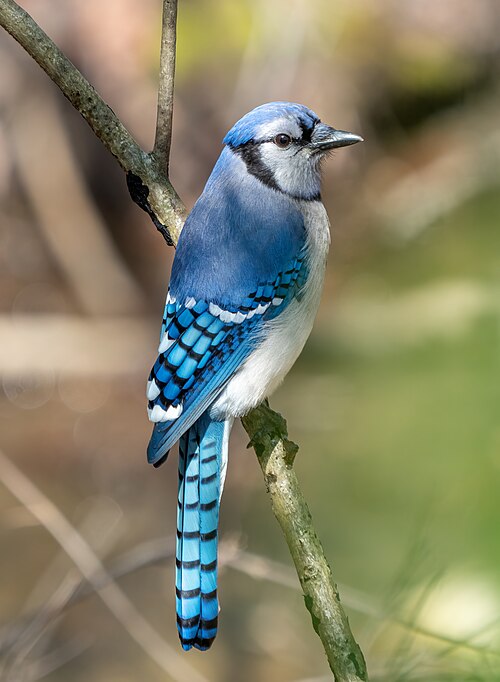
Blue Jay
Cyanocitta cristata
A loud, crested jay in blue, white and black. Common in eastern woods and yards, with some birds migrating in fall.
- Medium
- Forests
- Backyards
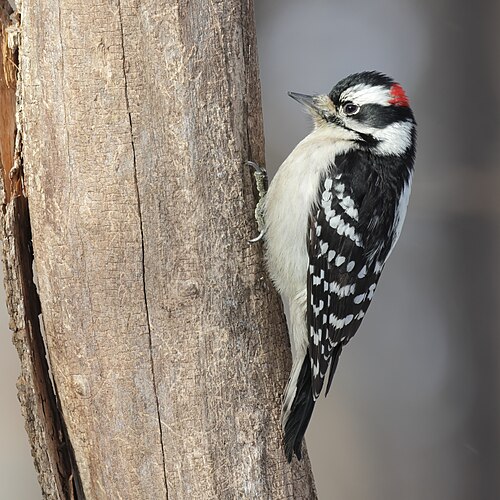
Downy Woodpecker
Dryobates pubescens
The smallest woodpecker in North America, a black-and-white bird with a short bill that visits suet feeders and tiny branches.
- Small
- Forests
- Backyards
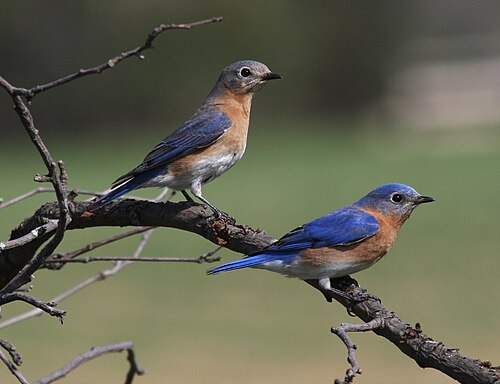
Eastern Bluebird
Sialia sialis
A small thrush of open country: the male is bright blue above with a rusty throat and chest, and a white belly.
- Small
- Grasslands
- Backyards
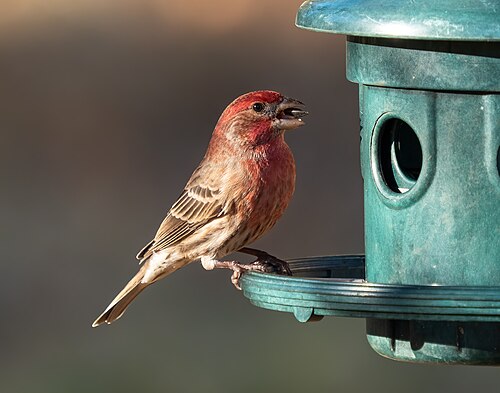
House Finch
Haemorhous mexicanus
A streaky brown finch. Males have a red head and chest. Native to the Southwest and now widespread in cities across the US.
- Small
- Cities
- Backyards
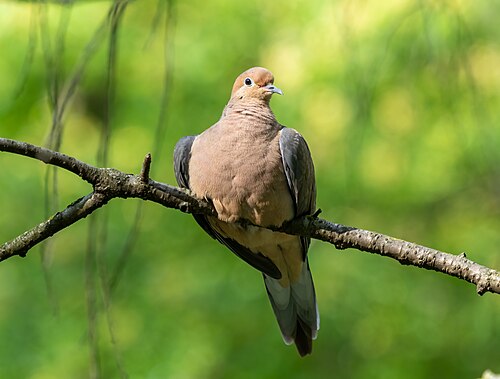
Mourning Dove
Zenaida macroura
A slim, soft gray-tan dove with a long pointed tail and a low, owl-like coo, common on wires, lawns and under feeders.
- Medium
- Backyards
- Grasslands
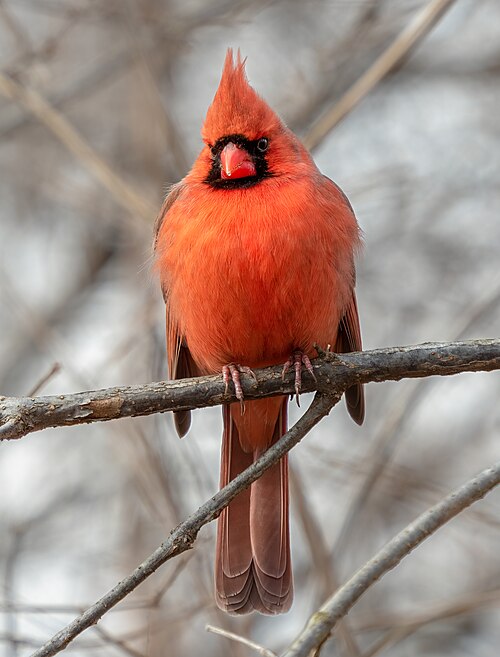
Northern Cardinal
Cardinalis cardinalis
A crested, year-round songbird. The male is brilliant red with a black face; the female is warm tan with red accents.
- Medium
- Backyards
- Forests
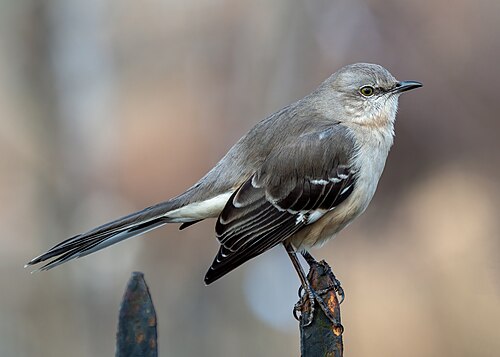
Northern Mockingbird
Mimus polyglottos
A slim gray songbird that sings from rooftops and wires, repeats borrowed phrases, and flashes white wing patches when it hops across a lawn.
- Medium
- Backyards
- Cities
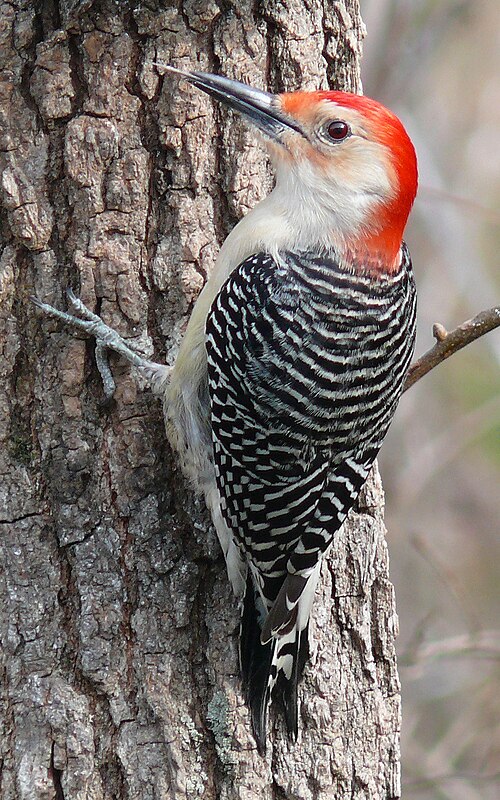
Red-bellied Woodpecker
Melanerpes carolinus
A medium woodpecker with a zebra-striped back and a red cap, familiar in eastern woods, suburbs and at suet feeders.
- Medium
- Forests
- Backyards
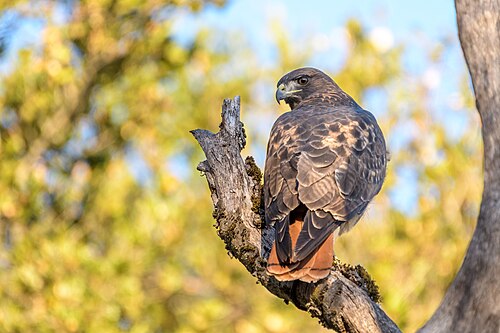
Red-tailed Hawk
Buteo jamaicensis
The most common large hawk in North America, often seen soaring over fields or perched on roadside poles, with a brick-red tail as an adult.
- Large
- Grasslands
- Forests
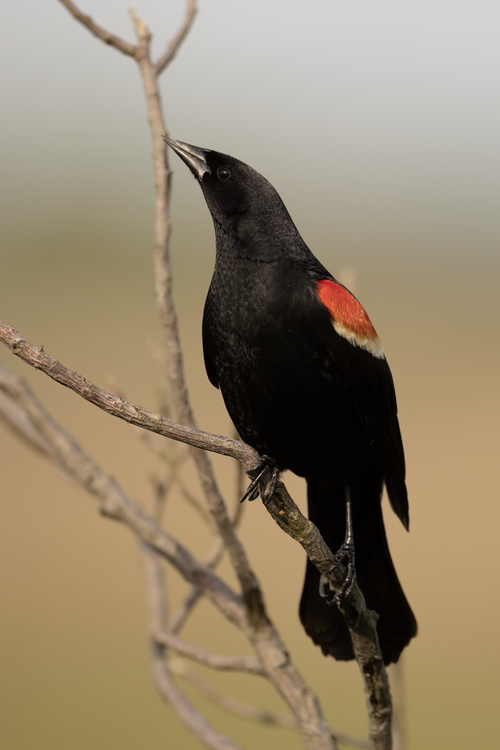
Red-winged Blackbird
Agelaius phoeniceus
A marsh-edge blackbird: males are glossy black with red-and-yellow shoulder patches, females are heavily streaked brown.
- Small
- Wetlands
- Grasslands
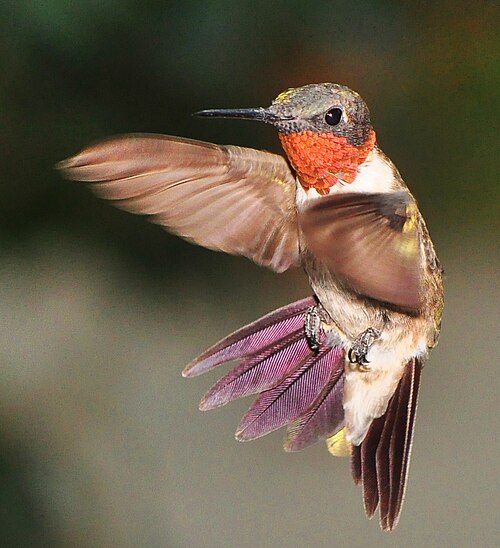
Ruby-throated Hummingbird
Archilochus colubris
The only hummingbird that breeds across eastern North America, a tiny summer visitor that migrates to Mexico and Central America.
- Tiny
- Backyards
- Forests
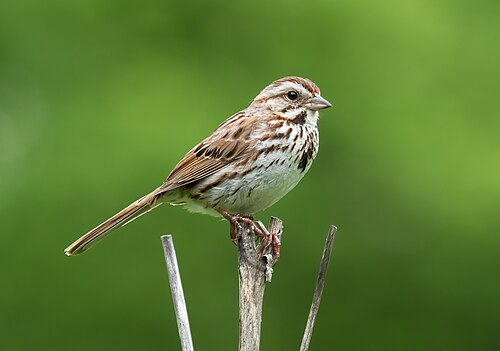
Song Sparrow
Melospiza melodia
A streaky, medium-sized sparrow with a central breast spot and a loud, varied song. It turns up in thickets, marsh edges and yards across the continent.
- Small
- Wetlands
- Backyards
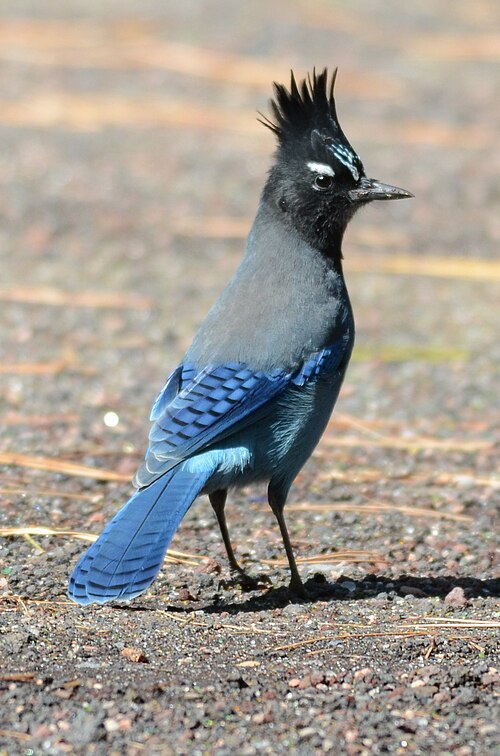
Steller’s Jay
Cyanocitta stelleri
A crested, sooty-black and deep-blue jay of western evergreen forests, and a noisy regular at mountain campgrounds and feeders.
- Medium
- Forests
- Backyards
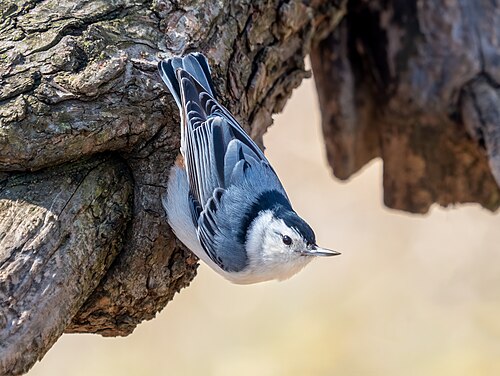
White-breasted Nuthatch
Sitta carolinensis
A compact, blue-gray bird that creeps headfirst down tree trunks and gives a nasal yank-yank. A regular at feeders with sunflower seeds and suet.
- Small
- Forests
- Backyards
Related guides
Sources
Sources are the pages consulted when this entry was written. How we choose and use sources: sources and identification criteria.