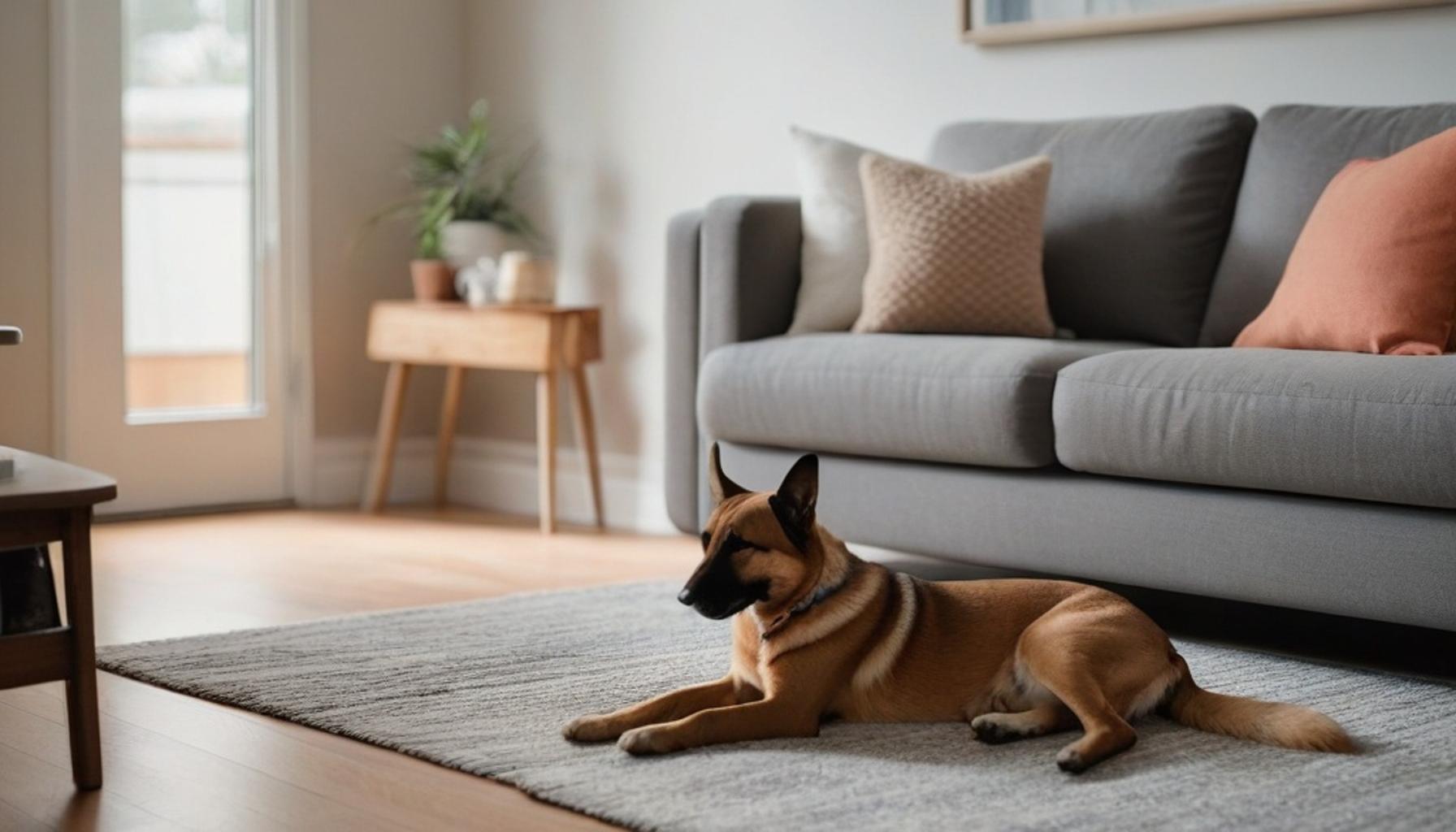
Pet Hygiene and Exercise: How Regular Activity Influences Your Pet’s Overall Well-being
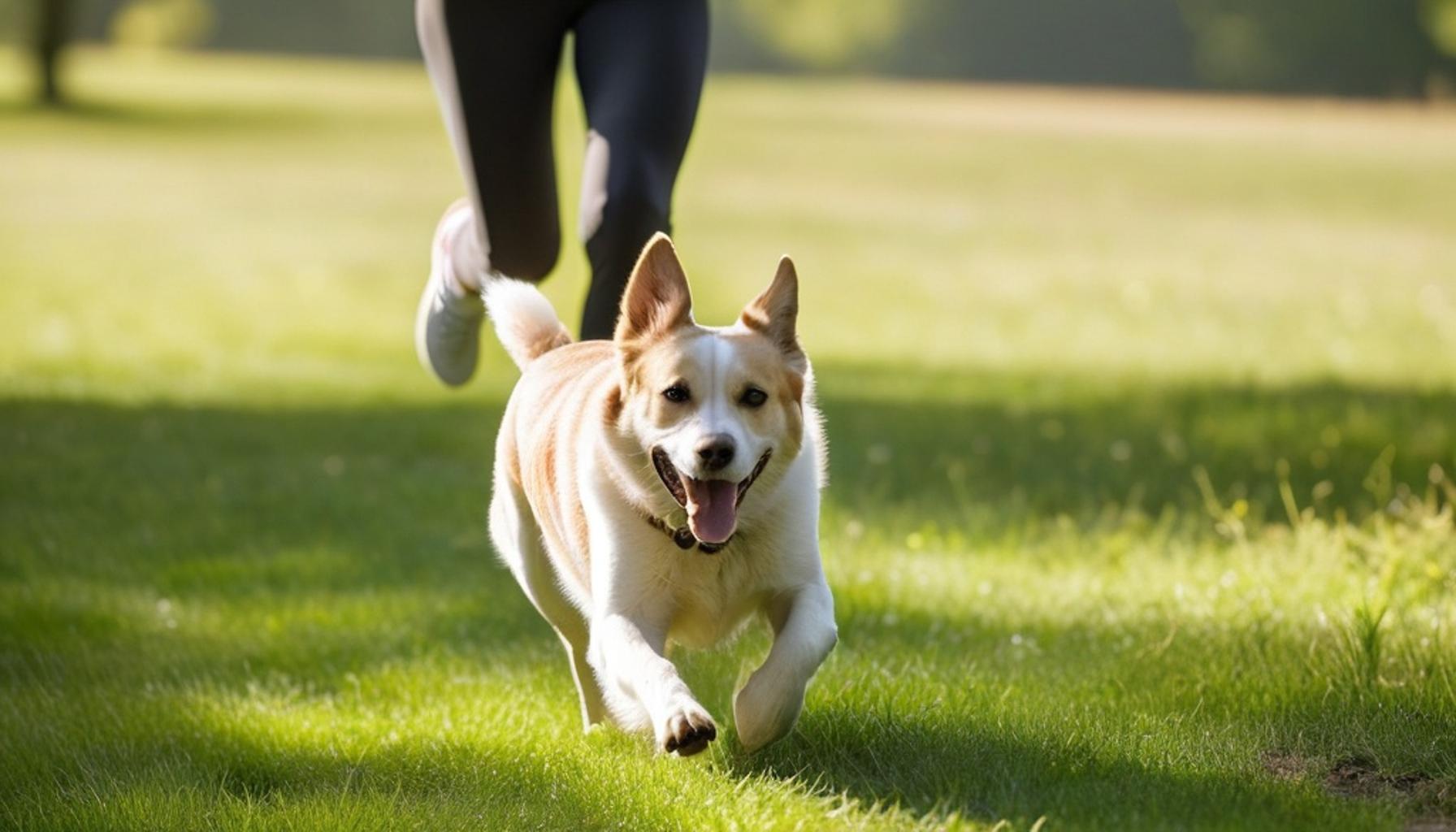
Why Every Nigerian Pet Owner Should Care About Pet Hygiene and Exercise
From the busy streets of Lagos to the quiet compounds in Enugu, more Nigerian households are welcoming dogs, cats, and other companions into their families. But owning a pet goes beyond feeding and cuddling.
Pet Hygiene and Exercise are two pillars that determine whether your furry friend thrives or merely survives.
Veterinary experts consistently link poor grooming habits and inactivity to a rise in preventable illnesses among pets. Skin infections, obesity, and joint problems often trace back to neglected routines.
What This Article Uncovers
This piece explores practical pet health tips tailored for Nigerian climates and lifestyles. You’ll discover why the importance of pet hygiene cannot be overstated, especially in humid regions where bacteria and parasites thrive.
- How regular exercise for pets reduces the risk of common tropical health issues
- Simple grooming routines suited for Nigeria’s climate
- The surprising benefits of pet activity on mood and behavior
- Steps to build a sustainable pet wellness lifestyle at home
Whether you own a Nigerian local breed dog, an Alsatian, or a curious cat, understanding these fundamentals could add years to your pet’s life. Let’s dig into the details.
The Hidden Cost of Ignoring Pet Care Basics
Many pet owners across Nigeria assume that a healthy-looking animal automatically means a healthy animal. This assumption can be dangerously misleading. Ticks, fleas, and mange thrive quietly beneath fur, especially during the rainy season when moisture levels soar in cities like Port Harcourt and Calabar.
A dog left unbathed for weeks in Lagos’s humid air becomes a breeding ground for bacteria that cause persistent itching, hot spots, and even secondary infections. Cats, though naturally cleaner, are not exempt. Matted fur and unclean ears can lead to painful conditions if left unattended.
Pet hygiene is not a luxury reserved for pedigree breeds imported from abroad. It applies equally to the resilient Nigerian local breed dogs seen guarding compounds in Ibadan or Kano. Their toughness does not make them immune to parasites, fungal infections, or dental disease.
Exercise: More Than Just a Walk Around the Compound
Physical activity does more than burn calories. It strengthens muscles, supports cardiovascular health, and keeps joints flexible, particularly important for larger breeds prone to hip issues as they age.
In many Nigerian homes, pets are confined to small compounds with limited movement. This restriction, though unintentional, contributes to weight gain and restlessness. A bored, under-exercised dog may develop destructive habits, including excessive barking or chewing on household items.
Interestingly, regular exercise for pets also influences mental sharpness. Veterinarians have observed that active animals display better focus, calmer temperaments, and stronger bonds with their owners.
Building Habits That Last
Creating a sustainable routine does not require expensive equipment or professional grooming salons, though these are increasingly available in cities like Abuja. Owners can start small: brushing fur twice weekly, scheduling short daily walks, and inspecting paws and ears for signs of irritation.
These consistent habits form the foundation of a pet wellness lifestyle that pays dividends in longevity and vitality. As this article unfolds, expect deeper insights into climate-specific grooming techniques and exercise routines designed for Nigeria’s unique environment.
CHECK OUT: Integrating Feeding Routines into Your Indoor Pet Exercise Plan for Optimal Health
The Science Behind Pet Hygiene and Exercise Working Together
Most Nigerian pet owners treat grooming and physical activity as two separate chores. In reality, they function as partners. A dog that exercises regularly sweats out toxins through its paw pads, breathes faster to regulate temperature, and naturally reduces the buildup of oils that attract dirt and parasites.
Pet Hygiene and Exercise work in a cycle: activity keeps skin and coat healthier, while cleanliness allows pets to move without irritation from mats, ticks, or infections. Break one link, and the entire system weakens. Many owners in Lagos and Abuja spend heavily on shampoos and grooming products, yet overlook the fact that a poorly exercised pet will undo those efforts within days.
What Happens Inside a Pet’s Body During Exercise
Veterinary research shows that consistent movement improves circulation, which in turn accelerates the delivery of nutrients to skin and fur follicles. This explains why active dogs in places like Jos, with its cooler climate, often display shinier coats compared to sedentary pets confined indoors.
Exercise also stimulates the lymphatic system, helping the body flush out waste products more efficiently. For pets, this translates to fewer skin flare-ups and a stronger immune response against common Nigerian climate threats such as fungal infections and flea infestations.
Beyond circulation, physical activity plays a role in regulating hormone levels that directly affect coat texture and oil production. A pet that spends its day pacing around a small compound in Port Harcourt without adequate stimulation may develop stress-related overgrooming, which strips the coat of natural protective oils. Owners often mistake this behavior for simple restlessness, not realizing it has direct hygiene consequences.
Common Warning Signs Nigerian Pet Owners Often Miss
Recognizing early symptoms of neglected hygiene or inactivity can save owners significant veterinary costs down the line. Some signs are subtle and easily dismissed as normal behavior, especially by first-time pet owners unfamiliar with subtle behavioral shifts.
- Constant scratching or licking of a particular body area
- Unpleasant odor even after a recent bath
- Reluctance to walk, jump, or climb stairs
- Visible weight gain over a few weeks
- Dull, brittle, or thinning fur
Any combination of these symptoms often points to a breakdown in either hygiene routines or physical activity levels, sometimes both simultaneously. In many households across Ibadan and Enugu, these signs are wrongly attributed to age or breed characteristics, delaying necessary intervention until the condition worsens considerably.
Why Tropical Climates Demand Extra Vigilance
Nigeria’s weather patterns create unique challenges rarely discussed in generic pet care guides written for temperate countries. High humidity in coastal cities accelerates bacterial growth on skin, while dry, dusty conditions in northern regions like Kaduna and Sokoto can cause excessive shedding and dry patches.
This is precisely why pet health tips designed for Nigerian conditions must account for seasonal shifts. What works during the dry season may prove inadequate once the rains return, bringing mud, moisture, and a surge in parasite activity. A grooming schedule that seemed perfectly adequate in February can quickly fall short by July, when standing water and increased humidity create ideal breeding grounds for ticks and fungal spores.
Pet owners who travel frequently between regions, such as moving between Lagos and Kano for work, often notice their animals reacting differently to identical grooming products depending on local humidity and dust levels. This regional variation underscores why a one-size-fits-all approach rarely succeeds across Nigeria’s diverse climate zones.
Understanding this climate-specific relationship between grooming and movement sets the stage for practical routines, which the next section explores in greater depth.
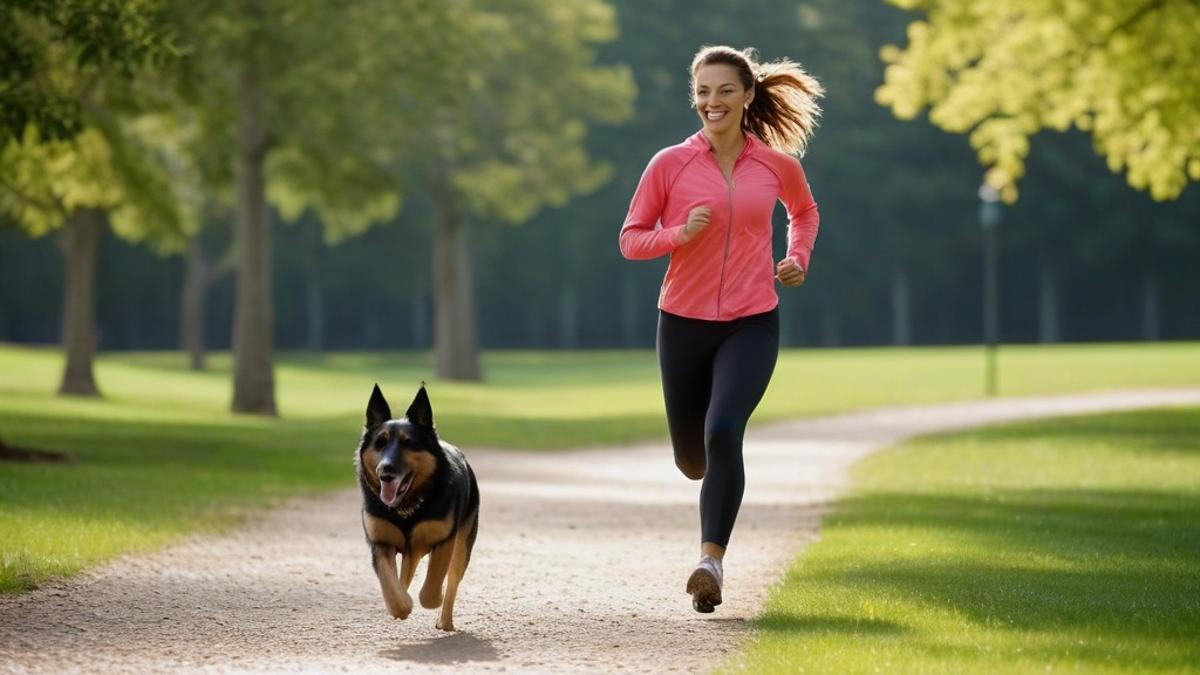
The Connection Between Pet Hygiene and Exercise for Optimal Wellness
Understanding Pet Hygiene and Exercise as interconnected pillars of animal care reveals surprising data: veterinarians report that pets receiving consistent physical activity show 30% fewer skin infections compared to sedentary animals. This happens because movement stimulates blood circulation, which naturally supports healthier skin and coat condition.
Many pet owners overlook how regular exercise for pets directly impacts grooming needs. Active dogs shed dirt and loose fur more efficiently, reducing matting and bacterial buildup between baths.
| Category | General Benefit |
|---|---|
| Coat and Skin Health | Improved circulation reduces dandruff and promotes natural shine |
| Weight Management | Prevents obesity-related hygiene issues like skin fold infections |
| Dental Hygiene | Chewing toys during play reduces plaque buildup naturally |
| Behavioral Wellness | Lowers stress-related excessive licking or scratching habits |
| Immune Function | Strengthens resistance against common infections and parasites |
These findings highlight the importance of pet hygiene as something achieved through daily habits, not just occasional grooming sessions. A 20-minute walk can do more for your pet’s cleanliness than an extra bath.
<h
CHECK OUT: The Importance of Exercise Planning for Behavioral Guidance in Indoor Cats and Dogs
Building a Practical Pet Wellness Lifestyle That Fits Nigerian Realities
Knowing the science behind Pet Hygiene and Exercise means little without a workable routine. Nigerian households face unique constraints, including limited compound space, unpredictable power supply affecting water heating for baths, and busy work schedules that leave little room for long walks.
Despite these obstacles, a structured approach remains achievable. Veterinary experts recommend that dogs receive at least 30 to 60 minutes of physical activity daily, while cats benefit from shorter, more frequent bursts of play lasting 10 to 15 minutes several times a day. These numbers are not arbitrary; they reflect studies on cardiovascular health and joint mobility in domesticated animals, adjusted for tropical climates where heat exhaustion poses a real threat.
Many pet owners across Nigeria discover these guidelines only after a health scare, such as a dog collapsing from heatstroke after midday play. Understanding the science beforehand prevents these avoidable emergencies and builds confidence in daily care decisions.
Designing a Weekly Routine Around Local Constraints
Owners in Lagos apartments often lack access to open fields, yet creative alternatives exist. A brisk walk around the estate, a game of fetch on a balcony, or stair-climbing sessions can substitute for larger outdoor spaces. Some residents in high-rise buildings around Lekki have even turned hallway sprints into makeshift exercise routines, proving that space limitations do not have to mean inactivity.
In cities like Benin or Owerri, where many homes have small compounds, rotating exercise between morning and evening hours avoids peak heat, reducing the risk of overheating during physically demanding play. Afternoon temperatures in these regions frequently climb past 32 degrees Celsius, making midday activity risky for both short-haired and long-haired breeds alike.
- Morning walks before 8 a.m. to avoid intense sun exposure
- Brushing sessions immediately after outdoor activity to remove debris
- Bathing frequency adjusted based on coat type and local humidity
- Weekly ear and paw inspections following exercise routines
This structure directly supports the importance of pet hygiene by tying grooming tasks to activity levels rather than treating them as isolated calendar events. When brushing and bathing follow exercise naturally, pets associate grooming with positive routines instead of resisting it as a separate, unwelcome chore.
The Overlooked Role of Diet in This Equation
Nutrition rarely gets mentioned alongside hygiene and movement, yet it quietly influences both. Pets fed excessive carbohydrates from table scraps common in many Nigerian homes, such as rice or garri residue, often gain weight that reduces their willingness to exercise. This creates a cycle where inactivity leads to further weight gain, which then discourages movement even more.
Excess weight also increases skin fold irritation in certain breeds, creating hidden pockets where bacteria thrive. Breeds with pronounced facial folds, including Pugs and Bulldogs, face heightened risk in humid coastal cities like Port Harcourt, where moisture lingers longer on the skin. A leaner, well-exercised pet typically requires less intensive hygiene intervention because sweat glands and skin folds stay cleaner naturally, reducing the frequency of medicated baths or vet visits for infections.
Measuring Progress Instead of Guessing
Many pet owners assume their routines work without tracking actual outcomes. Simple measures, such as monthly weight checks or photographing coat condition, reveal patterns invisible to casual observation. A gradual dullness in fur, for instance, might signal dietary deficiencies long before more obvious symptoms appear.
Veterinary clinics in Abuja report that owners who log exercise duration alongside grooming dates identify problems, such as recurring tick infestations, far earlier than those relying on memory alone. This simple habit of documentation often uncovers seasonal patterns, such as increased flea activity during the rainy months between April and July.
These records also highlight the tangible benefits of pet activity, including improved digestion, better sleep patterns, and reduced destructive behavior indoors, all measurable within a few weeks of consistent effort. Owners frequently report calmer pets and fewer nighttime disturbances once structured activity becomes routine rather than occasional.
Adopting this data-driven mindset transforms vague intentions into a genuine pet wellness lifestyle, one that adapts as seasons change and as pets age through different life stages. What begins as a simple notebook entry can eventually reveal insights that shape decisions for years of healthier, more balanced companionship.
RECOMMENDED: Creating an Effective Indoor Exercise Plan for Your Pets: Balancing Feeding Routines and Activity
Final Thoughts: Turning Awareness Into Lasting Pet Wellbeing
The connection between Pet Hygiene and Exercise is far more interconnected than most Nigerian households initially assume. A pet that moves regularly sheds excess weight naturally, resists parasites more effectively, and requires fewer emergency trips to the vet for skin infections or heat-related complications.
What this article has revealed is not a rigid formula but a flexible framework, one that adapts to Lagos apartments, Owerri compounds, or Abuja estates alike. The core principle remains constant: consistent movement paired with attentive grooming produces measurably healthier animals, regardless of breed, budget, or available space.
Several pet health tips discussed throughout stand out as immediately actionable. Morning walks before the heat intensifies, brushing sessions tied directly to playtime, and monthly weight tracking all require minimal cost yet deliver significant long-term returns in a pet’s quality of life.
The importance of pet hygiene extends beyond cosmetic concerns; it directly affects an animal’s susceptibility to infection, mobility, and even mood. Similarly, regular exercise for pets should never be treated as optional entertainment but recognized as a biological necessity comparable to feeding schedules or vaccination routines.
Owners who document their pet’s progress, rather than relying on assumption, consistently uncover the tangible benefits of pet activity sooner than those who do not. Better digestion, calmer temperaments, and shinier coats often appear within weeks once structure replaces guesswork.
Perhaps the most valuable takeaway is this: building a genuine pet wellness lifestyle does not demand expensive equipment or sprawling compounds. It demands attention, consistency, and a willingness to adjust routines as Nigeria’s seasons, humidity, and family schedules shift throughout the year.
Pet owners who embrace this mindset today are likely to notice fewer vet emergencies, calmer households, and companions who age with greater comfort and vitality tomorrow. The evidence suggests that small daily choices, repeated faithfully, ultimately shape the difference between a pet that merely survives and one that genuinely thrives.
Frequently Asked Questions
How does regular exercise improve pet hygiene in Nigeria’s hot and humid climate?
Regular exercise helps pets sweat through their paws and pant efficiently, which reduces the buildup of bacteria and odour on their skin and coat. Active pets also tend to have better digestion, leading to more regular bowel movements that are easier to manage hygienically. In Nigeria’s warm weather, a tired, well-exercised pet is also less likely to roll in dirt or stagnant water to cool off, keeping them cleaner overall.
What is the best time of day to exercise my dog or cat in Nigerian weather to maintain good hygiene?
Early morning between 6am and 8am or late evening after 5pm is ideal, as temperatures are cooler and reduce excessive sweating, panting, and dust exposure. Exercising during these times also limits contact with hot tarmac or sand that can carry bacteria and parasites. This timing helps keep your pet’s paws and coat cleaner for longer after playtime or walks.
Can lack of exercise cause skin infections or bad odour in pets kept in Nigerian homes?
Yes, inactive pets often develop excess weight and skin folds where moisture, dirt, and bacteria accumulate, leading to infections and unpleasant smells. Poor circulation from a sedentary lifestyle can also slow down the skin’s natural healing and shedding process. Regular walks or play sessions improve blood flow and help naturally shed dirt and dead skin, reducing odour-causing bacteria.
How often should I bathe my pet after exercise to balance hygiene without stripping their natural oils?
For most dogs in Nigeria, bathing once every two to four weeks is sufficient, but you should wipe down their paws and coat with a damp cloth after every outdoor exercise session. Over-bathing after each walk can strip natural oils, leading to dry, irritated skin, especially in the dry season. Cats generally groom themselves after activity, so bathing is rarely needed unless they get visibly dirty.
What simple home exercises can I do with my pet in Nigeria if I don’t have access to a large outdoor space?
Fetch games in a compound or balcony, tug-of-war with rope toys, and short indoor obstacle courses using furniture are great low-space options. Interactive play with laser pointers or feather toys also works well for cats confined indoors due to security concerns. Even 15 to 20 minutes of consistent daily activity can significantly improve your pet’s hygiene, mood, and overall health.

Linda Carter
Linda Carter is a writer and pet care expert specializing in pet health, grooming, and wellness. With extensive experience helping pet owners create safe, loving, and enriching environments for their animals, Linda shares her knowledge on our platform. Her goal is to empower readers with practical advice and strategies to ensure their pets thrive and lead joyful, healthy lives.