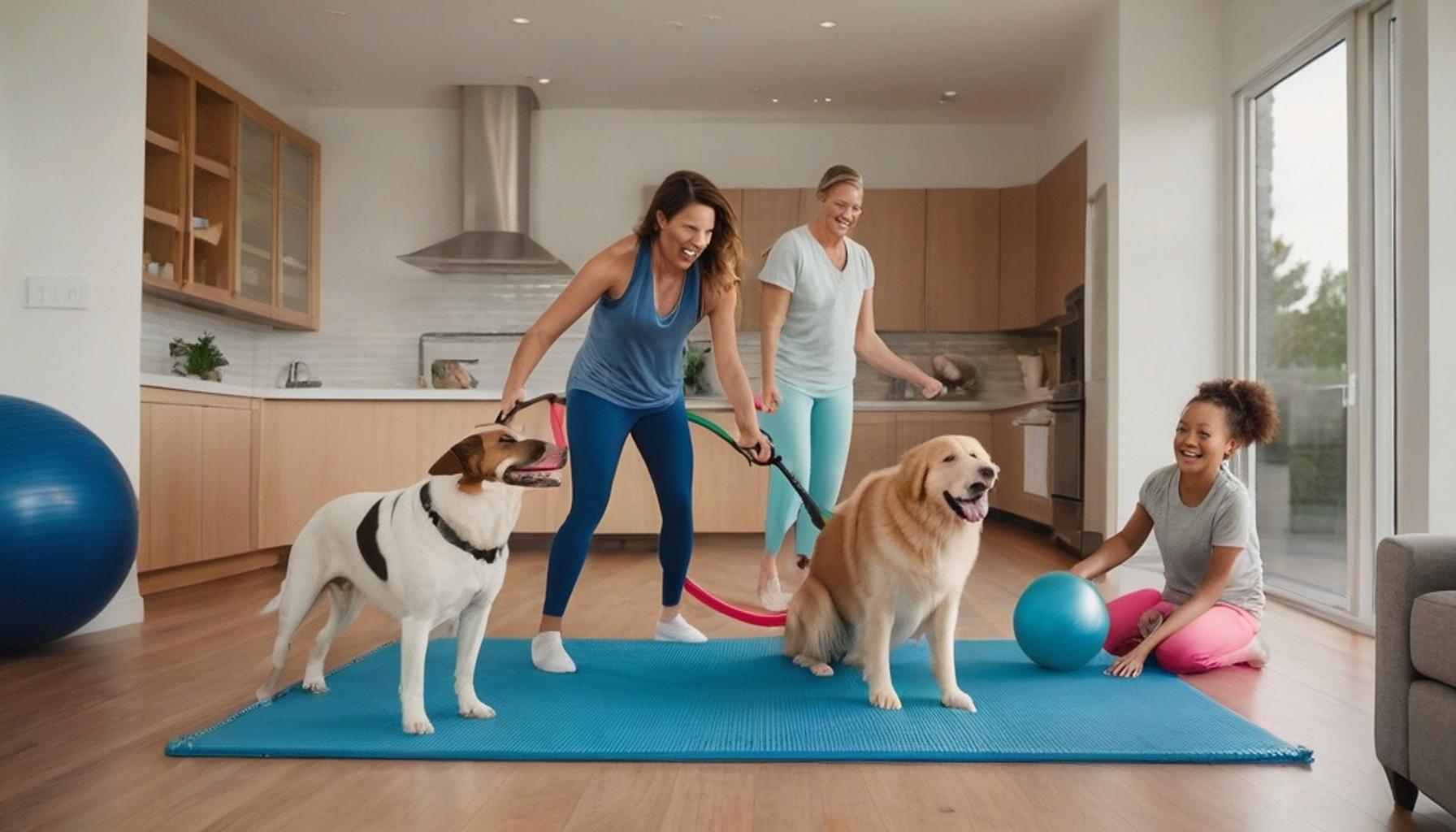
Integrating Feeding Routines into Your Indoor Pet Exercise Plan for Optimal Health
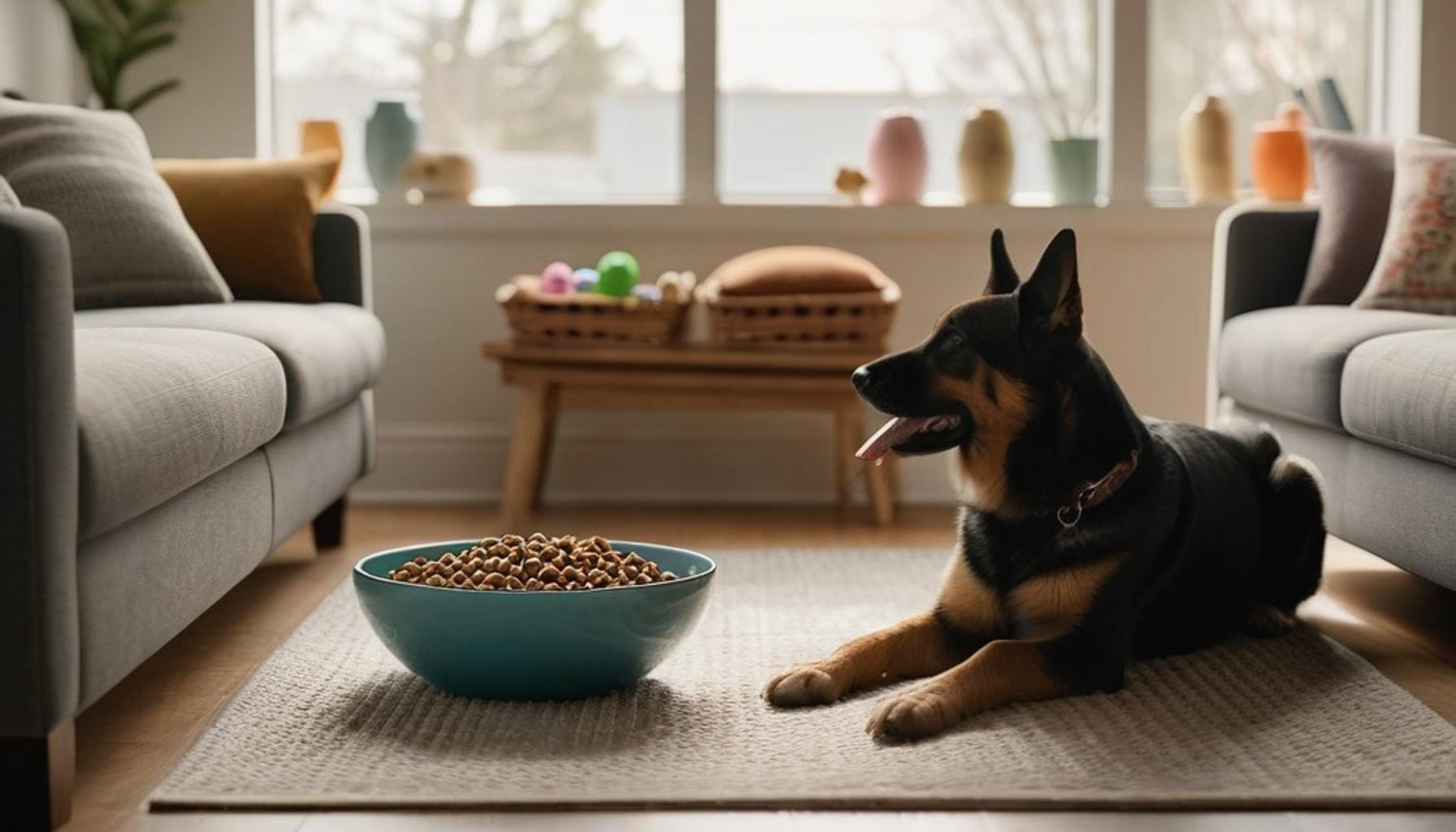
Why Feeding Time Matters for Your Indoor Pet’s Fitness
Lagos apartments and Abuja duplexes have one thing in common: limited space for pets to roam freely. This reality makes a well-structured indoor pet exercise plan essential for dogs and cats confined to compact living areas.
Many Nigerian pet owners focus solely on playtime, forgetting that feeding routines for pets directly influence energy levels and activity willingness. A poorly timed meal can leave your pet sluggish or, worse, disinterested in movement altogether.
The Missing Link: Diet and Exercise Working Together
Veterinary studies suggest that pets fed 30-60 minutes before light activity digest better and burn calories more efficiently. This timing strategy transforms ordinary indoor pet activities into calculated health interventions rather than random play sessions.
- Scheduled feeding reduces begging behavior during exercise routines
- Proper meal timing prevents bloating and digestive discomfort
- Consistent schedules help regulate metabolism for weight management
Consider this: obesity affects nearly one in three indoor pets globally, according to veterinary associations. Nigerian pet owners increasingly report similar concerns as more households adopt sedentary indoor lifestyles for their animals.
This article explores practical pet health tips for merging structured meals with movement schedules. You’ll discover actionable strategies for achieving optimal pet health without requiring a backyard or professional trainer.
Understanding Your Pet’s Natural Rhythm
Every animal operates on an internal clock, and pets are no exception. Dogs and cats thrive on predictability, which means erratic feeding times can throw off their entire day, including their enthusiasm for exercise. Think about how sluggish you feel after eating heavily right before a workout. Pets experience something similar, and this discomfort often translates into avoidance behavior when it comes time for play or movement.
Many Nigerian households feed pets whenever convenient, often based on human schedules rather than the animal’s biological needs. This inconsistency creates confusion and can lead to overeating, as pets never quite know when their next meal will arrive, prompting them to eat faster and more than necessary when food does appear.
Practical Steps for Nigerian Pet Owners
Start by establishing two fixed feeding times daily, ideally morning and early evening, spaced according to your pet’s breed and size. Smaller breeds common in Nigerian homes, such as Chihuahuas or indoor cats, generally require lighter, more frequent portions compared to larger dogs like German Shepherds often kept for security purposes.
After establishing consistent meal times, introduce short indoor activity bursts. A simple game of fetch down a hallway, climbing cat towers, or interactive puzzle feeders can stimulate both mental and physical engagement. These pet health tips require minimal investment yet yield significant improvements in your companion’s overall wellbeing and longevity.
LEARN MORE: The Importance of Exercise Planning for Behavioral Guidance in Indoor Cats and Dogs
Building a Balanced Schedule: Meal Timing and Movement
Crafting an effective indoor pet exercise plan requires more than good intentions. It demands a clear structure that aligns feeding windows with activity periods, much like how athletes plan their nutrition around training sessions. This synchronization between food intake and physical exertion often determines whether a pet thrives indoors or simply exists in a state of low energy.
Nigerian pet owners often underestimate how portion sizes affect energy output. A cat fed a large bowl of dry kibble at once may become lethargic for hours, while smaller, calculated portions sustain steady energy throughout the day. This phenomenon mirrors what happens to humans after a heavy plate of jollof rice at lunch, the body diverts energy toward digestion rather than movement, leaving little room for playfulness or alertness.
Designing a Weekly Feeding-Exercise Framework
Consistency beats intensity when it comes to diet and exercise for pets. Rather than sporadic long play sessions, veterinary behaviorists recommend shorter, repeated bursts of activity tied closely to feeding times. This method prevents the boom-and-bust cycle where pets are either overstimulated or completely inactive.
- Morning feed followed by a 15-minute walk or indoor obstacle course
- Midday light snack paired with mental stimulation toys, not vigorous exercise
- Evening meal followed by calm activities like gentle stretching or slow-paced play
This framework respects digestion while still meeting the pet’s daily movement quota. For apartment dwellers in cities like Port Harcourt or Ibadan, where outdoor space is scarce, this approach becomes especially valuable. Even a small balcony or hallway can serve as a functional training ground when structured correctly, turning limited square footage into an effective fitness zone.
Portion Control and Its Role in Activity Levels
Overfeeding remains a silent contributor to sluggish pets across Nigerian households. Many owners equate love with generous food portions, unaware that this habit undermines optimal pet health goals. This misconception often stems from cultural norms where feeding abundantly is seen as a sign of care, regardless of whether the animal actually needs the extra calories.
A medium-sized dog typically needs between 25 to 30 calories per kilogram of body weight daily, adjusted based on activity intensity. Cats require significantly less, often around 20 calories per kilogram, depending on breed and age. These figures shift considerably for working breeds or highly active felines, making it essential for owners to observe individual behavior rather than relying solely on generic charts.
Measuring food with a standard cup rather than estimating by eye prevents unintentional overfeeding. This simple adjustment alone has helped many pet owners notice increased enthusiasm during play sessions within just two weeks. Some veterinarians in Lagos have started recommending kitchen scales for even greater precision, especially for pets recovering from obesity-related conditions.
Matching Food Type to Activity Intensity
Not all pet foods support the same energy demands. Protein-rich diets fuel muscle activity better than carbohydrate-heavy fillers commonly found in cheaper commercial brands sold across local markets. Reading ingredient labels, though tedious, often reveals surprising amounts of maize or wheat derivatives disguised as primary components.
Introducing lean proteins like boiled chicken or fish, common in many Nigerian kitchens, can supplement commercial food and provide sustained energy for indoor pet activities. However, moderation remains key, as excess protein without adequate exercise can lead to weight gain rather than muscle development. Balance, as with most things concerning animal wellness, tends to outperform extremes in either direction.
Pet owners who pay attention to these details often report noticeable improvements in their animal’s willingness to engage in daily movement routines, proving that food choice directly shapes exercise outcomes. Those curious enough to experiment with structured feeding schedules frequently discover behavioral shifts they never anticipated, turning what seemed like a stubborn or lazy pet into an eager companion ready for daily activity.
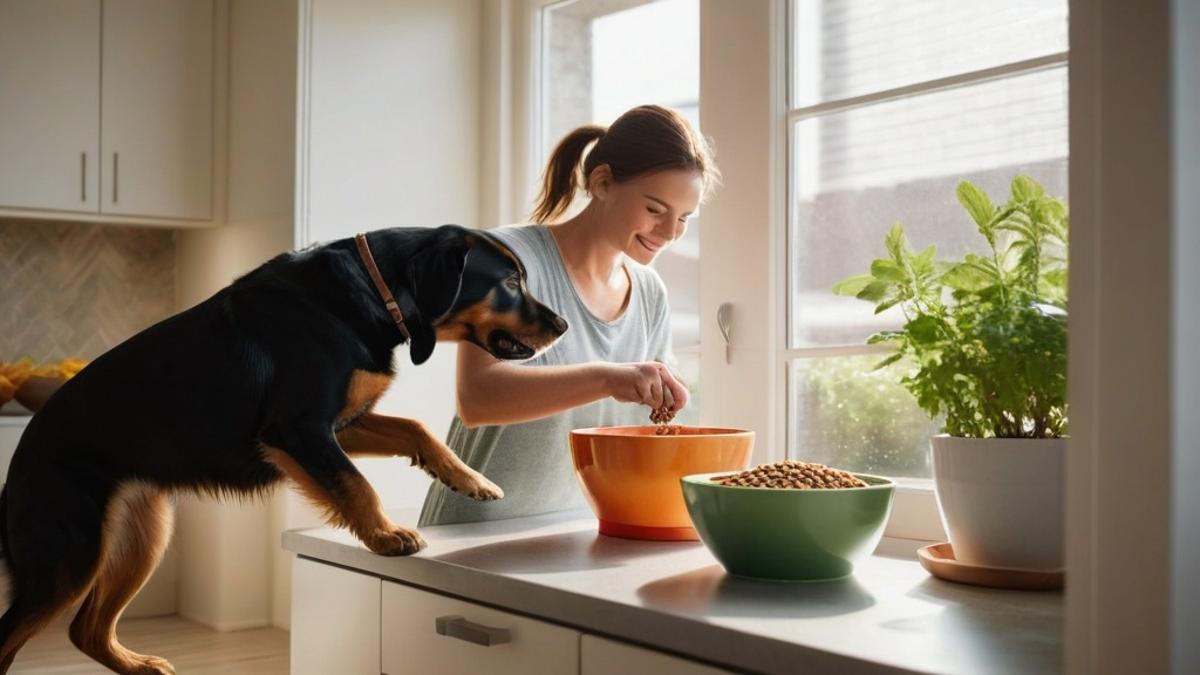
Structuring Feeding Routines Within Your Indoor Pet Exercise Plan
A well-designed indoor pet exercise plan only works when feeding routines for pets are synchronized with activity levels. Below is a breakdown of key aspects that influence optimal pet health.
| Category | Details |
|---|---|
| Feeding Schedule Timing | Meals sc
YOU MAY ALSO LIKE: Creating an Indoor Exercise Plan for Dogs and Cats: Balancing Activity with Feeding Routines and Health Monitoring Hydration, Timing Gaps, and Behavioral Cues That Signal SuccessWater intake rarely receives the same attention as food portions, yet it plays a decisive role in any indoor pet exercise plan. A dehydrated dog or cat tires quickly, cutting short play sessions before real cardiovascular benefit occurs. Nigerian humidity levels, especially in coastal cities like Lagos or Calabar, increase water loss during even mild indoor activity, sometimes without owners noticing until the pet becomes noticeably sluggish. Placing water bowls near resting spots and refreshing them twice daily encourages consistent hydration without owners needing to monitor constantly. Pets that drink adequately before exercise tend to sustain longer, more enthusiastic activity bursts compared to those left thirsty for hours. Some veterinarians in Port Harcourt have even suggested multiple small water stations across a home, particularly in households with more than one pet, to prevent competition that discourages timid animals from drinking enough. The 30-Minute Rule and Why Timing Gaps MatterVeterinary nutritionists frequently reference a 30-minute buffer between feeding and vigorous movement. This gap allows initial digestion to begin, reducing the risk of bloating or discomfort during play. Skipping this window has caused documented cases of gastric distress in larger dog breeds, particularly those prone to fast eating habits, a concern that becomes more pressing in households juggling multiple pets competing for the same bowl.
These small adjustments, though seemingly minor, form the backbone of sustainable feeding routines for pets that support long-term joint and digestive health, particularly important for aging animals or breeds already predisposed to hip complications. Owners who track these gaps consistently often report fewer emergency visits related to bloating, a costly and avoidable complication. Reading Behavioral Signals During Indoor ActivitiesPets communicate satisfaction or discomfort through subtle cues that many owners overlook. A dog that immediately seeks water and lies flat after a play session may be signaling overexertion relative to its last meal. Conversely, a cat that returns to its food bowl unprompted after light activity often indicates the previous portion was insufficient, a detail easily missed amid daily household routines. Tracking these signals over a two-week period, ideally in a simple notebook or phone app, reveals patterns unique to each animal. This data-driven approach transforms guesswork into informed adjustment, a practice increasingly recommended by animal clinics across Abuja and other urban centers, where busy schedules often leave little room for improvisation. Adjusting for Seasonal and Breed-Specific DifferencesNigeria’s dry and rainy seasons subtly influence appetite and energy expenditure. During the harmattan period, some pets exhibit reduced activity due to dust sensitivity, requiring lighter meals paired with shorter indoor sessions rather than forcing standard routines. Rainy season humidity, on the other hand, can push pets toward lethargy, making hydration and shaded rest areas even more critical. Breed also dictates how feeding and movement should intersect. Smaller breeds like Shih Tzus process food faster than larger breeds such as Boerboels, meaning timing gaps should shift accordingly rather than following a one-size-fits-all model. Mixed-breed pets, common across Nigerian households, may require owners to experiment cautiously before settling on a reliable rhythm. Owners who factor in these variables often notice their pets displaying more consistent enthusiasm, proof that thoughtful adjustment outperforms rigid, generic scheduling when pursuing genuine optimal pet health through daily indoor routines. The evidence suggests that patience, observation, and willingness to adapt matter far more than strict adherence to imported guidelines never designed with Nigerian climates in mind. Bringing Feeding and Movement Together for Lasting ResultsBuilding a functional indoor pet exercise plan is never about following a rigid template copied from foreign manuals. It requires paying attention to hydration levels, respecting timing gaps between meals and play, and interpreting the small behavioral signals pets offer daily. Across Lagos apartments, Abuja compounds, and Port Harcourt homes, the same principle holds true: consistency beats intensity. Throughout this discussion, one theme keeps resurfacing. Feeding routines for pets cannot be separated from activity schedules without risking digestive strain, poor energy distribution, or unnecessary veterinary bills. The 30-minute rule, seasonal adjustments during harmattan and rainy months, and breed-specific timing all point toward one conclusion, personalized attention outperforms generic scheduling every time. Owners who succeed with indoor pet activities typically share a few habits worth adopting immediately:
These practical pet health tips are not complicated, yet they remain underused simply because feeding and exercise are often treated as unrelated tasks rather than interconnected daily rituals. Moving forward, pet owners should view diet and exercise for pets as a single, adjustable system rather than two separate obligations. Small experiments, careful observation, and willingness to deviate from imported guidelines will likely produce better outcomes than strict rule-following ever could. Ultimately, achieving optimal pet health indoors depends less on perfection and more on attentiveness. Pets thrive when their humans notice patterns, respond promptly, and remain willing to adjust routines as seasons, ages, and circumstances change across Nigerian households. Frequently Asked QuestionsHow long after feeding my dog or cat should I start an indoor exercise session?Wait at least 30 to 60 minutes after a meal before starting active play or exercise to reduce the risk of bloating or discomfort, especially in larger dog breeds. For smaller pets like cats, a shorter 20 to 30 minute gap is usually fine. Always watch your pet’s energy levels and adjust the timing based on how they react after eating. Can I use treats as part of my indoor pet exercise plan without disrupting their diet in Nigeria’s hot climate?Yes, but treats should be factored into your pet’s daily calorie intake, especially since Nigeria’s warm climate can reduce a pet’s natural appetite for heavy exercise. Use small, healthy treats like boiled chicken pieces or commercial low-calorie options as rewards during indoor games like fetch or tug-of-war. This keeps your pet motivated without overfeeding, which is important for weight management in less active indoor environments. What time of day is best to combine feeding and exercise routines for indoor pets in Nigeria?Early morning or late evening works best, as these cooler periods align with typical feeding times and help pets stay comfortable during indoor play sessions. Avoid heavy exercise during Nigeria’s peak afternoon heat, even indoors, since poor ventilation in some homes can still cause overheating. Structuring meals around these cooler windows supports better digestion and sustained energy for activity. How do I adjust my indoor pet exercise plan if my pet is on a strict feeding schedule due to health issues?If your pet has diabetes, obesity, or digestive issues, consult your veterinarian to align exercise intensity with their specific feeding schedule and portion sizes. Light activities like slow-paced indoor walks or puzzle feeders can be scheduled shortly after meals to aid digestion without overexertion. Always monitor for signs of fatigue or distress, and adjust the plan based on your vet’s recommendations for Nigerian pet care providers if available. Are locally available Nigerian pet foods suitable for supporting an active indoor exercise routine?Many Nigerian pet owners successfully use a mix of quality commercial pet food and home-prepared meals with protein sources like fish, chicken, or eggs to fuel indoor exercise routines. Ensure the diet provides balanced nutrients, as locally sourced foods can vary in quality, so reading labels or consulting a vet is recommended. Proper hydration is also key, especially given Nigeria’s warm climate, to keep pets energized during indoor workouts. 
Linda CarterLinda Carter is a writer and pet care expert specializing in pet health, grooming, and wellness. With extensive experience helping pet owners create safe, loving, and enriching environments for their animals, Linda shares her knowledge on our platform. Her goal is to empower readers with practical advice and strategies to ensure their pets thrive and lead joyful, healthy lives. |