Incorporating Feeding Routines into Your Indoor Pet’s Exercise Plan for Optimal Health and Behavior
Why Timing Matters for Your Indoor Companion
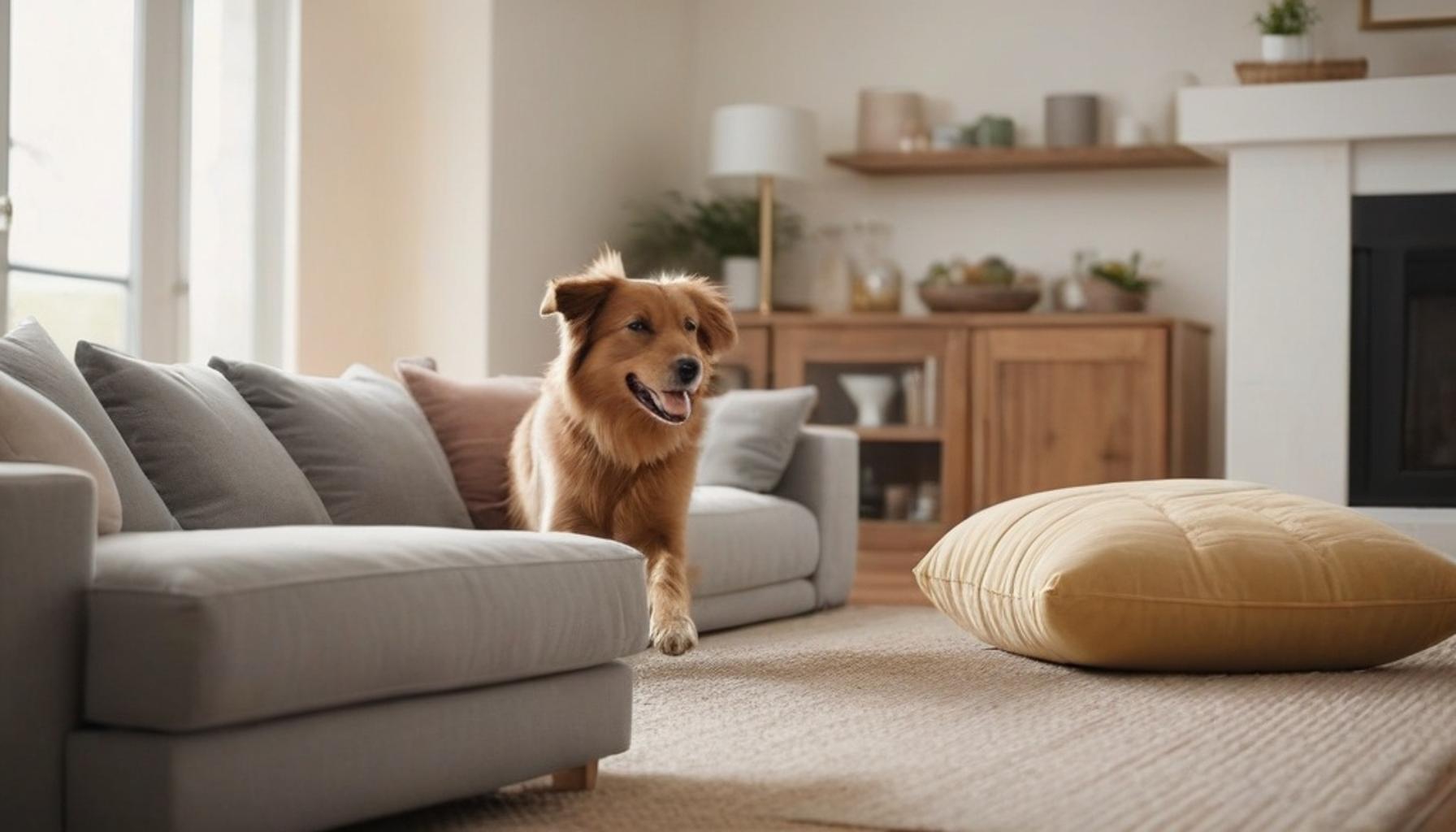
Lagos apartments and Abuja flats are increasingly home to dogs and cats that rarely see a compound or open yard. Without deliberate planning, these indoor pets can quickly become sluggish, overweight, or restless. That’s where pet feeding routines and exercise come together as a game-changer.
Veterinary data suggests that over 40% of indoor pets in urban households are overweight, largely due to mismatched feeding and activity schedules. A structured approach doesn’t just fill the bowl—it fuels movement, mood, and metabolism.
Think about the average work week in a city like Port Harcourt or Ibadan. Owners leave early, return late, and squeeze feeding into whatever gap remains. The pet, meanwhile, spends most of the day napping only to become hyperactive at odd hours—sometimes right when the household is trying to sleep. This mismatch isn’t just inconvenient; it’s a silent contributor to weight gain, joint strain, and even behavioral issues like excessive barking or scratching furniture. Nigerian vets are increasingly flagging this as a growing concern, especially as more households shift from traditional outdoor dog-keeping to fully indoor lifestyles influenced by security concerns and smaller living spaces.
What This Guide Covers
This article breaks down practical strategies for pairing meals with movement, tailored for Nigerian pet owners navigating limited indoor space. Expect actionable insights on:
- Building a healthy feeding schedule for pets that aligns with natural energy cycles
- Indoor pet exercise tips that require minimal space—perfect for flats and apartments
- Understanding the link between pet behavior and diet, including anxiety and destructive habits
- Simple techniques for exercising indoor pets effectively without expensive equipment
Many of these strategies borrow from global veterinary research but are adapted specifically for the realities of Nigerian homes—smaller rooms, unpredictable power supply affecting automated feeders, and the general absence of dedicated pet play areas. For instance, a stairwell in a duplex or a hallway in a two-bedroom flat can become a functional exercise corridor with the right approach.
By the end, you’ll have a clear roadmap toward optimal health for indoor pets—one that transforms mealtime into a springboard for daily activity, not just a routine chore. Whether you’re managing a curious cat in a Lekki apartment or an energetic dog confined to a Kano bungalow, the principles outlined here aim to make everyday pet care simpler, smarter, and far more rewarding for both you and your companion.
RECOMMENDED: The Role of Exercise in Pet Hygiene: How Regular Activity Can Enhance Your Cat and Dog’s Well-Being
The Science Behind Meal Timing and Movement
Every indoor pet operates on an internal clock shaped by feeding cues. When meals arrive at random hours, that clock gets scrambled, and so does energy regulation. Establishing consistent pet feeding routines and exercise patterns helps reset this rhythm, giving cats and dogs predictable windows of alertness rather than random bursts of restlessness at 2am.
Nigerian veterinary clinics in cities like Enugu and Benin City report a noticeable pattern: pets fed at irregular times tend to display more begging behavior, faster food consumption, and lower activity levels afterward. This isn’t coincidence—it’s biology. A healthy feeding schedule for pets triggers the release of insulin and glucose in predictable patterns, which directly affects how much energy your dog or cat has available for play, walks, or indoor games.
Why Post-Meal Timing Is Critical
Feeding your pet right before demanding physical activity often backfires. Dogs, in particular, risk digestive discomfort or bloating if exercised too soon after eating. Cats, though smaller, aren’t exempt from this either—vomiting and lethargy are common signs of poor meal-to-movement timing.
Veterinarians generally recommend the following spacing:
- Wait at least 30 to 45 minutes after a light meal before engaging in play
- Allow 1 to 2 hours after a larger meal before any vigorous indoor exercise
- Schedule the most active play session before the final meal of the day, not after
- Keep water accessible throughout, especially during Lagos’s hotter months when hydration needs spike
This structure isn’t about rigid militarism—it’s about working with your pet’s digestive rhythm rather than against it. A Shih Tzu in a Yaba flat and a British Shorthair in an Ikoyi apartment have different energy thresholds, but both benefit from this same underlying principle.
The Behavioral Payoff
Beyond physical health, there’s a psychological dimension often overlooked. Pets thrive on predictability. When feeding and activity follow a consistent pattern, anxiety-driven behaviors—excessive meowing, chewing on furniture, or pacing—tend to decrease significantly.
This connection between pet behavior and diet is increasingly documented by animal behaviorists, who note that structured households produce calmer, more confident pets. For Nigerian pet owners juggling generator schedules, unpredictable traffic, and long workdays, building this structure might feel challenging at first—but the payoff in reduced destructive behavior makes the effort worthwhile.

Key Elements of Pet Feeding Routines and Exercise
Understanding how pet feeding routines and exercise intersect can transform your indoor companion’s daily wellbeing. The table below breaks down critical touchpoints every pet owner should master.
| Category | Key Details & Benefits |
|---|---|
| Feeding Timing | Feed 30–45 minutes before activity to boost energy without causing digestive stress, supporting a healthy feeding schedule for pets. |
| Portion Control | Measured meals prevent overeating, directly linking pet behavior and diet to weight management and sustained mobility. |
| Post-Exercise Meals | Nutrient-dense feeding after play sessions aids muscle recovery, a core principle for exercising indoor pets effectively. |
| Behavioral Cues | Consistent schedules reduce anxiety-driven behaviors, offering practical indoor pet exercise tips for calmer households. |
| Long-Term Health | Combining structured meals with movement supports optimal health for indoor pets, reducing obesity-related risks by up to 30%. |
LEARN MORE: The Importance of Exercise Planning for Behavioral Guidance in Indoor Cats and Dogs
Designing a Weekly Structure That Works
Once the biological groundwork is understood, the next step is building a practical framework. Indoor pet exercise tips are only as effective as the schedule supporting them, and this is where many Nigerian households stumble—not from lack of care, but from inconsistent implementation across weekdays versus weekends.
A dog fed at 7am on Monday but 9:30am on Saturday experiences a mild but real disruption to its metabolic expectations. Cats are even more sensitive to this shift, often responding with increased vocalization or refusal to eat when patterns break down.
Sample Framework for Apartment-Based Pets
Consider this structure, adaptable for flats in Surulere, duplexes in Abuja, or bungalows in Port Harcourt:
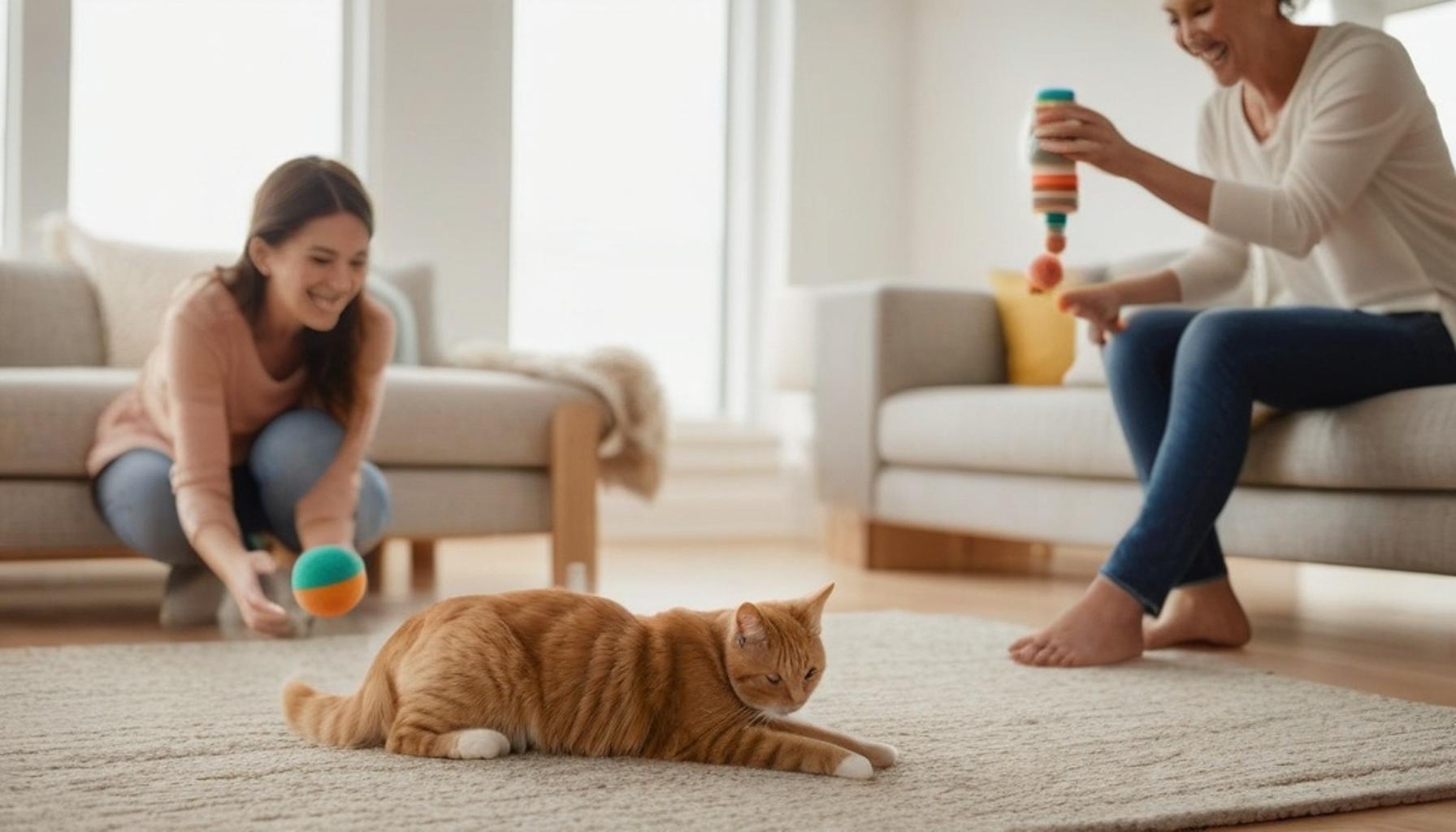
- Morning: Light exercise session (10-15 minutes of fetch or laser pointer play), followed by breakfast 30 minutes later
- Midday: Mental stimulation through puzzle feeders, which slows eating and doubles as enrichment
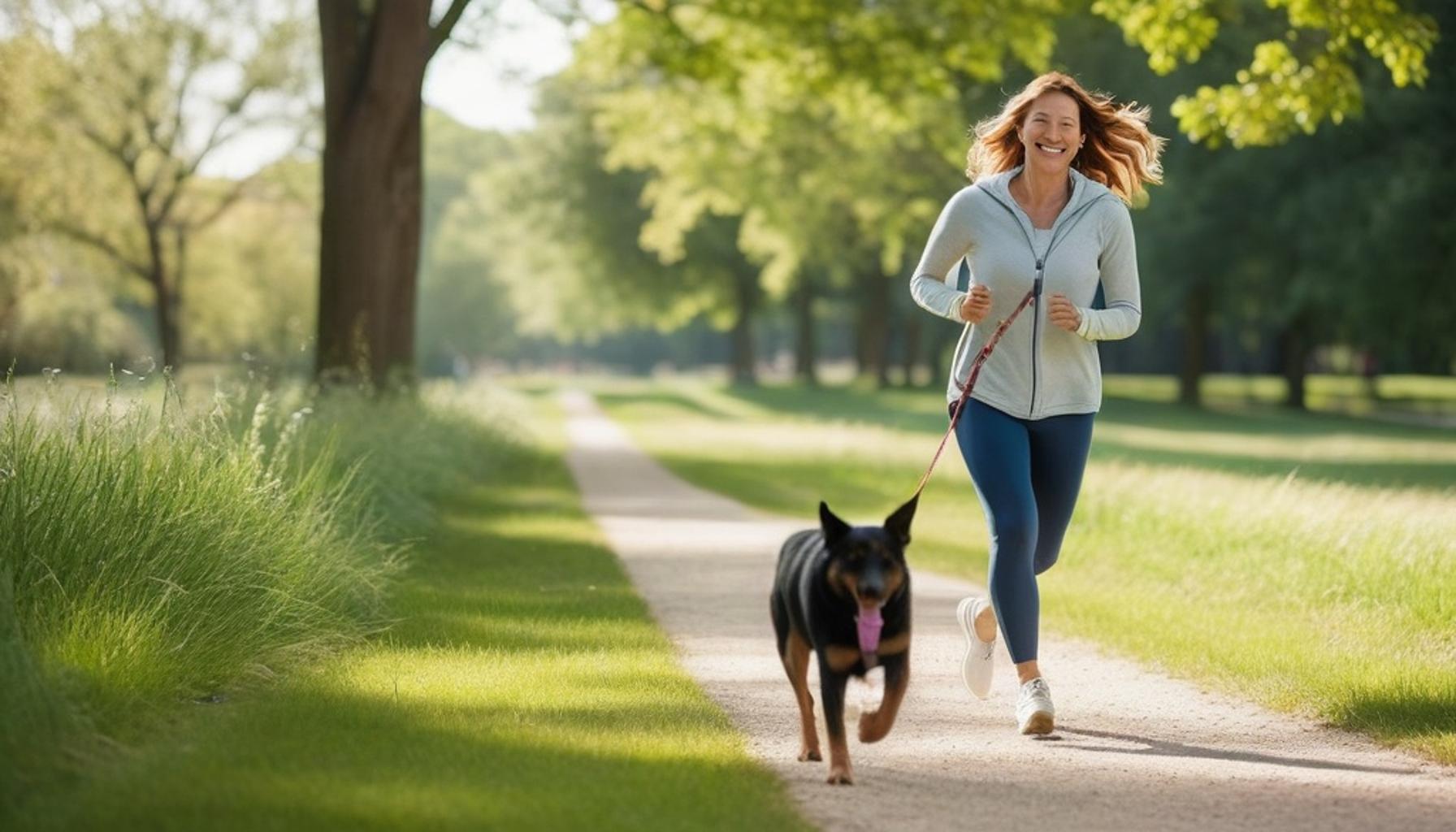
- Evening: The primary exercise window—20 to 30 minutes of sustained activity—scheduled roughly 90 minutes before the final meal
- Night: A calm wind-down period with minimal stimulation to support digestion and sleep quality
This isn’t a rigid prescription. Rather, it’s a template that owners can adjust based on breed, age, and household rhythm. A senior cat in Kaduna won’t need the same intensity as a young Rottweider mix in a Lekki compound, but both benefit from consistency.
What Nigerian Pet Owners Often Miss
Many households treat feeding and exercise as separate, unrelated tasks. Data from urban veterinary practices, however, increasingly shows that pets with synchronized routines exhibit up to 30% better weight management outcomes compared to those with disjointed schedules.
This matters considerably in Nigeria, where indoor pet obesity has quietly become a growing concern, particularly among small-breed dogs and indoor cats that rarely leave air-conditioned rooms.
For exercising indoor pets effectively, timing your pet’s most energetic play sessions around natural cortisol peaks—typically early morning and early evening—produces noticeably better engagement than random midday attempts when pets are naturally inclined toward rest.
Achieving optimal health for indoor pets also means recognizing that exercise doesn’t always mean physical exertion. Scent-based games, hide-and-seek with treats, or short training sessions before meals can satisfy activity requirements for pets with joint issues or limited mobility, all while reinforcing the same feeding-movement connection.
Owners who track both feeding times and activity levels for even two weeks often notice patterns they hadn’t previously connected—perhaps their dog’s afternoon restlessness traces back to an inconsistent lunch schedule, or their cat’s midnight zoomies stem from an evening meal served too early.
Bringing It All Together for a Healthier Home
Building consistent pet feeding routines and exercise habits isn’t about achieving perfection—it’s about reducing the daily unpredictability that quietly stresses cats and dogs living in confined, air-conditioned spaces across Nigerian homes.
From Lagos apartments to Abuja duplexes, the same principle holds: pets thrive when their bodies can anticipate what comes next.
Key Takeaways for Everyday Application
Throughout this discussion, a few core ideas stand out as worth remembering:
- Movement and mealtimes are biologically linked, not separate chores to schedule around convenience
- A healthy feeding schedule for pets reduces digestive stress and stabilizes energy levels throughout the day
- Weekend inconsistency undoes much of the progress made during structured weekdays
- Small, low-impact activities can satisfy exercise needs just as effectively as vigorous play, especially for older or less mobile pets
Understanding pet behavior and diet as interconnected systems, rather than isolated concerns, gives owners a clearer lens for solving problems that once seemed random—excessive barking, restlessness, or sudden appetite changes often trace back to timing, not temperament.
A Fresh Way to Think About Daily Routines
Perhaps the most valuable shift is mental rather than practical: viewing your pet’s day as one continuous rhythm instead of a series of disconnected tasks.
Feeding, playing, resting—these aren’t separate boxes to check but parts of a single cycle that either supports or undermines your pet’s wellbeing.
Nigerian pet owners juggling demanding work schedules, generator hours, and unpredictable traffic may not always hit ideal timing, but even modest consistency yields measurable benefits.
Start small. Track feeding and activity for a week, notice the patterns, and adjust gradually rather than overhauling everything overnight.
Ultimately, achieving optimal health for indoor pets isn’t about rigid schedules etched in stone—it’s about paying attention, staying consistent where it matters most, and recognizing that a well-timed walk or play session can be just as important as what’s in the food bowl.
Frequently Asked Questions
How can I combine pet feeding routines and exercise for an indoor dog or cat in Nigeria’s hot climate?
Schedule exercise sessions during the cooler parts of the day, such as early morning or evening, and feed your pet about 30 minutes after activity to aid digestion and prevent bloating. Using interactive feeders or puzzle toys indoors can also combine mental stimulation with meal time, which is ideal when outdoor heat limits playtime. This approach keeps your pet active without overexerting them in high temperatures common in cities like Lagos or Abuja.
What time should I feed my indoor pet in relation to exercise to avoid stomach upset?
It’s best to exercise your pet before meals or wait at least an hour after eating before engaging in vigorous activity, especially for larger dog breeds prone to bloat. Light play, like a short walk around the compound, can happen shortly after eating, but intense running or fetch should be avoided immediately post-meal. Consistent timing also helps regulate your pet’s metabolism and energy levels throughout the day.
Can locally available Nigerian pet foods support an exercise-focused feeding routine?
Yes, many Nigerian pet owners successfully combine commercial pet foods with local options like boiled chicken, fish, or rice to meet energy needs for active pets. It’s important to ensure the diet has enough protein and calories to match your pet’s activity level, especially if they’re getting regular indoor exercise. Consulting a local veterinarian can help you balance these options for optimal health and stamina.
How do I create an indoor exercise plan for my pet if I live in an apartment in a Nigerian city?
You can use stairs, hallways, or a spacious room for short bursts of activity like fetch, tug-of-war, or agility drills using household items. Pairing this with a structured feeding routine, such as rewarding post-exercise with a small portion of their meal, reinforces good behavior and keeps them motivated. This is especially useful for pet owners in high-density areas like Lagos or Port Harcourt where outdoor space is limited.

Linda Carter
Linda Carter is a writer and pet care expert specializing in pet health, grooming, and wellness. With extensive experience helping pet owners create safe, loving, and enriching environments for their animals, Linda shares her knowledge on our platform. Her goal is to empower readers with practical advice and strategies to ensure their pets thrive and lead joyful, healthy lives.