Creating a Balanced Exercise Plan for Indoor Pets: Integrating Feeding Routines and Health Monitoring
Why Indoor Pets in Nigeria Need More Than Just a Cozy Sofa
From Lagos apartments to Abuja duplexes, more Nigerian pet owners are keeping cats and dogs indoors for safety and security reasons. Gone are the days when dogs roamed freely in compounds in Enugu or Kano; today’s urban lifestyle, coupled with concerns over theft, traffic, and even dognapping, has pushed many families to keep their furry companions within the confines of home. But this comfort comes with a hidden cost: weight gain, boredom, and preventable health issues are on the rise among indoor pets.
A well-structured Balanced Exercise Plan for Indoor Pets isn’t just a luxury—it’s essential for their physical and mental well-being. Veterinary data shows that indoor pets are twice as likely to become obese compared to those with outdoor access. In cities like Port Harcourt, where space constraints are common in high-rise apartments, this risk is even more pronounced. Obesity in pets can lead to diabetes, joint problems, and reduced lifespan, making prevention far more affordable than treatment.
What This Guide Will Cover
This article breaks down practical strategies that fit into busy Nigerian households. You’ll discover how to combine movement, nutrition, and monitoring into one seamless routine that doesn’t require expensive equipment or large outdoor spaces. Many Nigerian pet owners assume that proper pet care requires a big compound or costly gadgets, but the truth is far more accessible than that.
- Feeding routines for indoor pets that prevent overeating and support energy levels, including portion control tips suited to local pet foods and homemade meals
- Simple indoor pet exercise ideas using household items and small spaces, such as staircases, corridors, or even balconies in Lagos flats
- A realistic pet fitness schedule tailored to different breeds and ages, from energetic local breeds like the Nigerian Sheepdog to smaller, laid-back cats
- Tools and techniques for health monitoring for pets at home, including simple weight checks and behavioral observation methods that don’t require constant veterinary visits
Whether you own a playful puppy in Port Harcourt or a laid-back cat in Ibadan, these indoor pet activity recommendations are designed to be affordable and easy to implement, even for first-time pet owners navigating Nigeria’s unique urban landscape. From DIY toys made with recycled materials to short but effective play sessions between work hours, this guide meets you where you are.
Ready to transform your pet’s daily routine into a pathway toward better health? Let’s dive into the details.
SEE ALSO: Creating an Effective Indoor Exercise Plan for Your Pets: Balancing Feeding Routines and Activity
# Understanding the Foundation: Why Exercise and Feeding Must Work TogetherMany pet owners in Nigeria treat feeding and exercise as two separate issues. This is a costly mistake. A truly effective Balanced Exercise Plan for Indoor Pets only works when physical activity and nutrition are managed together, not in isolation.Think of it this way: feeding your dog or cat without adjusting for their activity level is like filling a car with fuel it will never use. The excess doesn’t disappear—it turns into stored fat, sluggish behavior, and long-term health complications. This is particularly relevant in Nigerian homes where pets often rely on carbohydrate-heavy meals like rice, garri, or bread scraps, which provide quick energy but little nutritional balance.
The Real Cost of Ignoring the Connection
Veterinary clinics across Lagos and Abuja have reported a noticeable rise in overweight pets over the past five years. Some clinics estimate that 3 out of 5 indoor dogs brought in for routine checkups show signs of excess weight. This isn’t just a cosmetic issue—it directly affects mobility, heart health, and life expectancy.The good news? This trend is entirely reversible with consistent effort. Establishing proper feeding routines for indoor pets alongside structured movement can restore healthy weight within a few months, depending on the pet’s size and breed.
Key Signs Your Pet’s Routine Needs Adjustment
Before diving into solutions, it helps to recognize warning signs that your current approach isn’t working:
- Difficulty feeling your pet’s ribs without pressing firmly
- Reduced interest in play or noticeable fatigue after short activity bursts
- Excessive sleeping beyond normal breed patterns
- Visible weight gain around the belly or hindquarters
- Heavy panting or slow recovery after mild movement
If two or more of these signs sound familiar, it’s time to rethink both what your pet eats and how much they move. This is where health monitoring for pets becomes invaluable—not as an occasional vet visit, but as a weekly habit you can build at home.
Why Nigerian Households Have an Advantage
Contrary to popular belief, smaller living spaces don’t limit your ability to create effective routines. In fact, many indoor pet exercise ideas are specifically designed for compact environments like Lagos flats or Abuja apartments.Staircases become cardio zones. Corridors transform into fetch corridors. Even a modest balcony can host short, structured play sessions. The key lies in consistency rather than space size.Combining this with a well-timed pet fitness schedule ensures your pet burns energy proportionate to what they consume, creating a sustainable cycle rather than sporadic bursts of activity followed by long periods of inactivity. The next sections will break down exactly how to build this cycle, step by step.
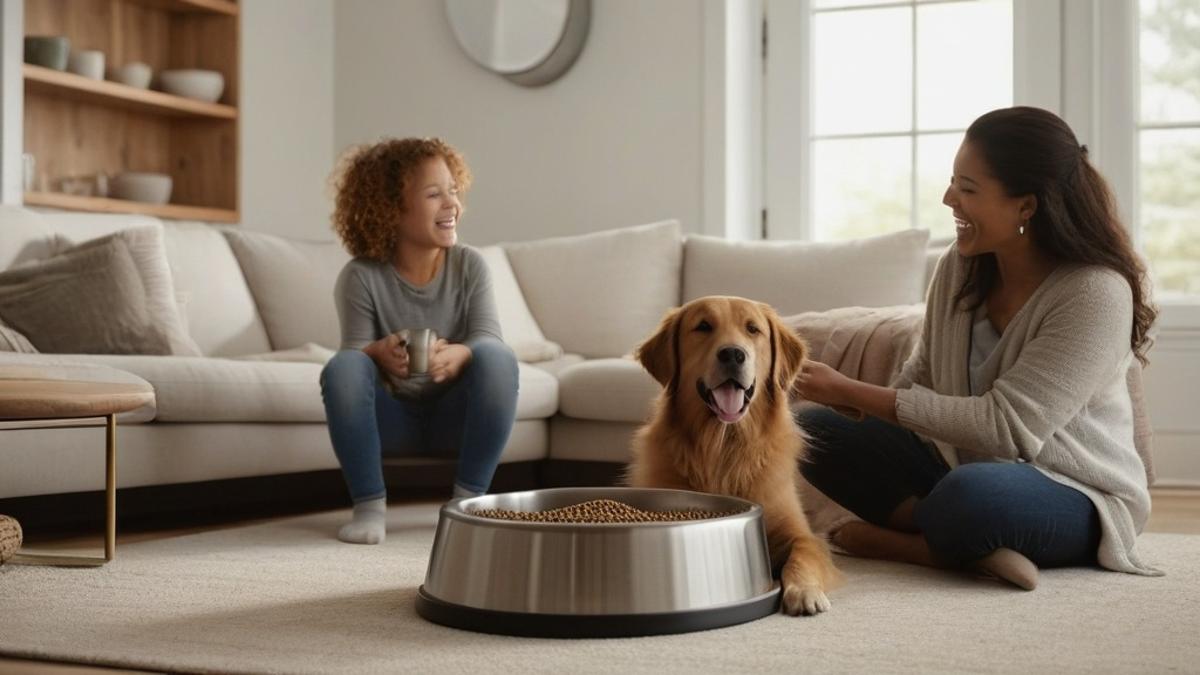
Key Aspects of a Balanced Exercise Plan for Indoor Pets
Building a Balanced Exercise Plan for Indoor Pets requires more than random playtime. It demands structured routines that connect movement, nutrition, and observation into one cohesive system that supports long-term wellness.
| Category | Key Benefit |
|---|---|
| Indoor Pet Exercise Ideas | Improves muscle tone and reduces boredom-driven behaviors |
| Feeding Routines for Indoor Pets | Stabilizes energy levels and prevents overfeeding |
| Health Monitoring for Pets | Detects early signs of weight or mobility issues |
| Pet Fitness Schedule | Creates consistency that supports long-term activity habits |
Each category above plays a distinct role, yet they overlap constantly. A well-timed pet fitness schedule paired with proper meal timing can prevent digestive discomfort during activity.
Tracking small metrics, like daily step counts or playtime duration, gives pet owners measurable insight into whether their indoor pet activity recommendations are actually working.
# Building the Framework: Practical Steps to Structure Daily RoutinesOnce you understand why exercise and feeding must be linked, the next challenge is execution. A Balanced Exercise Plan for Indoor Pets isn’t complicated, but it does require intentional structure rather than guesswork.Most Nigerian pet owners feed based on convenience rather than calculation. This section changes that approach by giving you tools that actually work within typical household routines.
Mapping Meal Times to Activity Windows
Timing matters more than most owners realize. Feeding immediately before intense play can cause bloating, especially in medium and large dog breeds common in Nigerian homes like German Shepherds and Boerboels.A practical pet fitness schedule should follow this general pattern:
- Morning walk or play session, followed by breakfast 30 minutes later
- Midday rest period with minimal food intake
- Evening exercise session, at least one hour before the final meal
This spacing allows digestion to occur without interference from vigorous movement, reducing the risk of digestive discomfort or lethargy.
Portion Control Backed by Numbers
Many Nigerian households estimate portions by eye, which often leads to overfeeding. A 15kg indoor dog with moderate activity typically needs between 350 to 450 grams of quality food daily, split across two meals.Cats, by comparison, require far less—roughly 45 to 60 grams of dry food per day for an average 4kg indoor cat. Exceeding this by even 20 grams daily can translate into noticeable weight gain within two months.Pairing correct portions with structured indoor pet exercise ideas ensures calories consumed roughly match calories burned, rather than accumulating as excess fat.
Creating Micro-Workouts for Small Spaces
Not every household has access to compounds or gardens. For pets confined mostly indoors, short bursts of activity spread throughout the day often work better than one long session.Consider these indoor pet activity recommendations:
- Five-minute fetch sessions using soft toys in narrow corridors
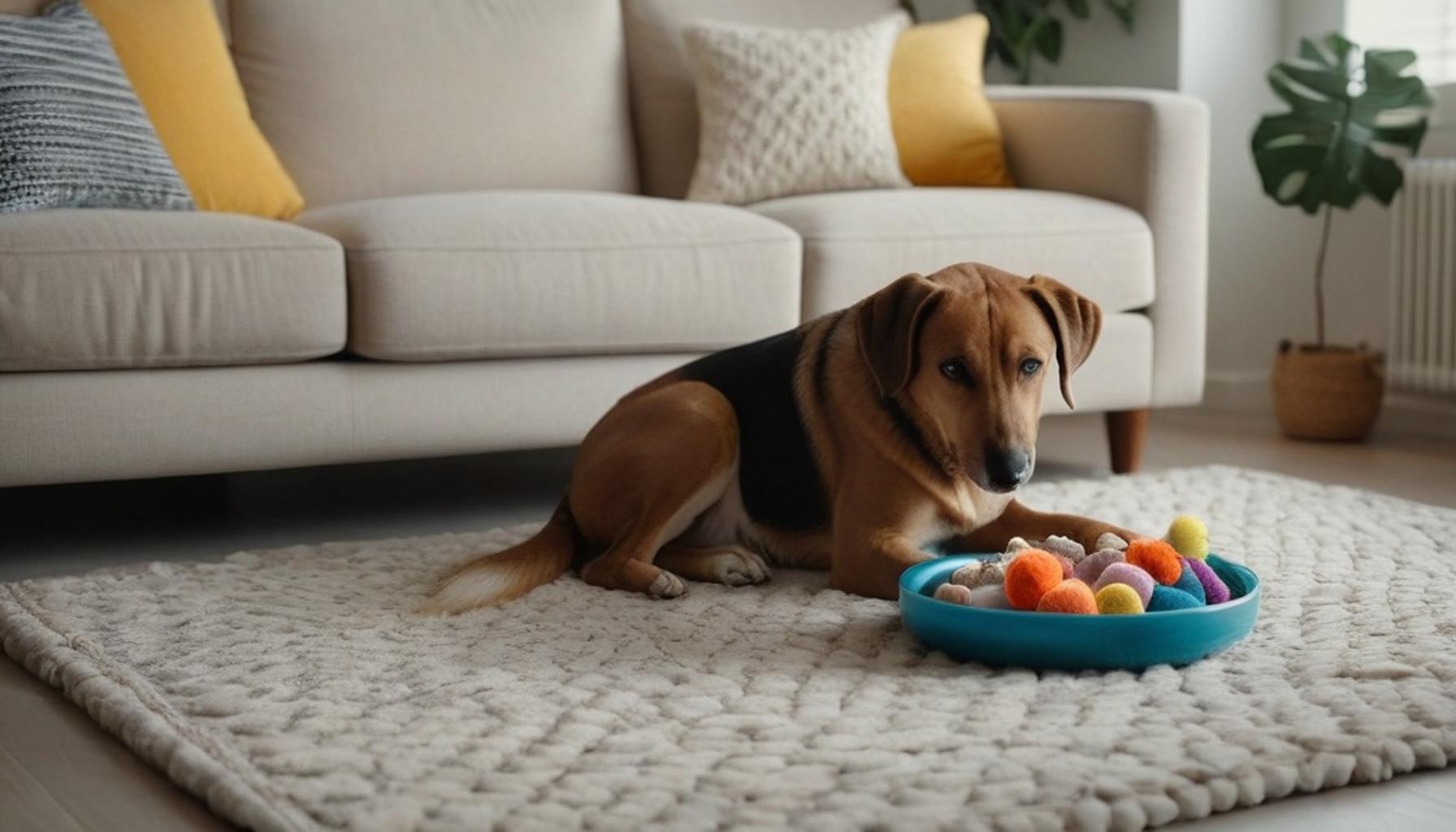
- Interactive feeding puzzles that force movement during mealtime
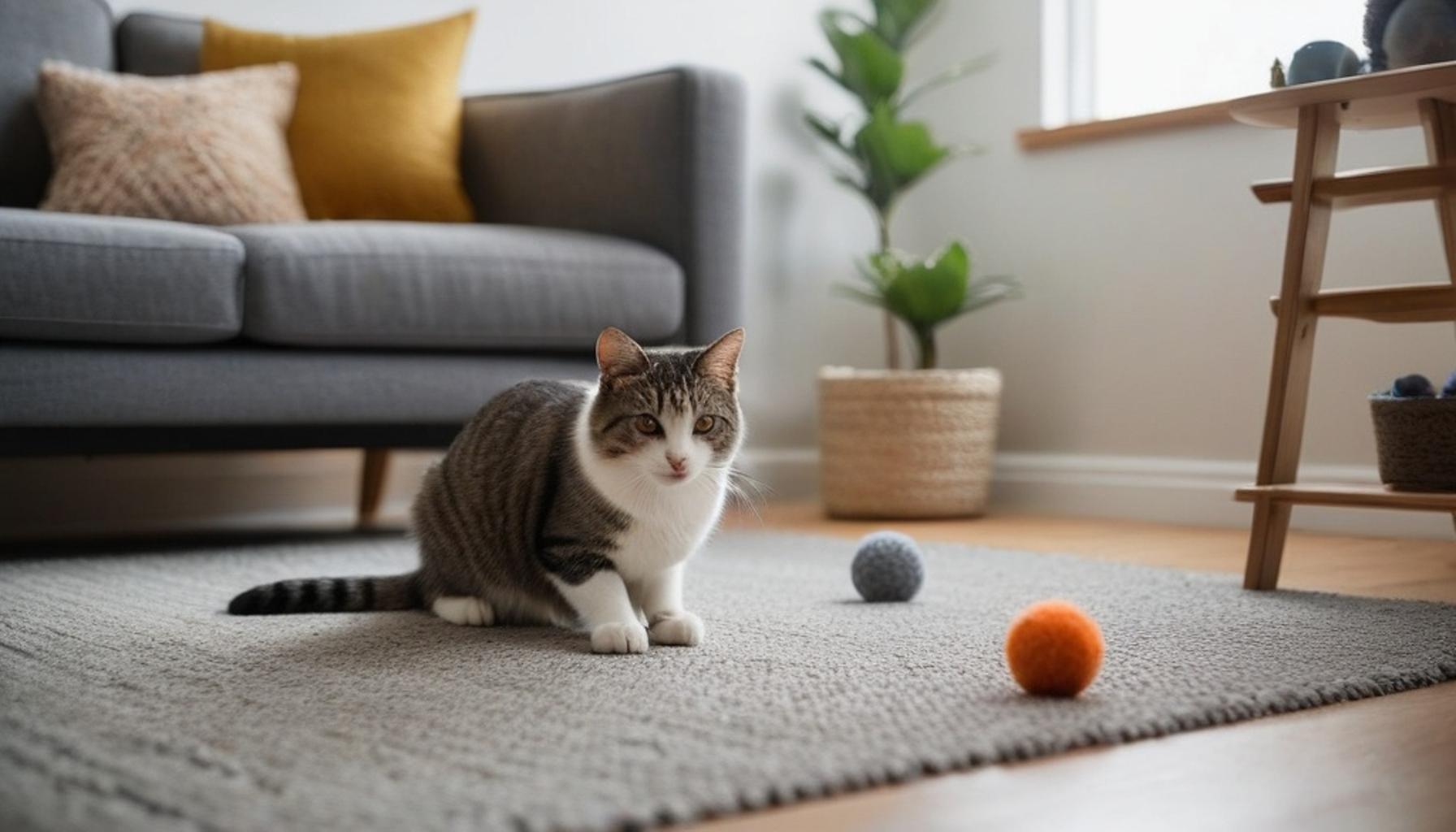
- Laser pointer chases for cats, done twice daily for five minutes each
- Stair climbing routines for dogs in duplex apartments
These micro-sessions, done consistently, often produce better results than irregular hour-long walks squeezed in once a week.
Tracking Progress Without Expensive Tools
Effective health monitoring for pets doesn’t require costly gadgets. A simple weekly log tracking weight, food intake, and activity duration can reveal patterns within a month.Many veterinary clinics in Port Harcourt and Ibadan now recommend owners take monthly photos of their pet’s side profile. This visual record often highlights subtle weight changes that scales alone might miss, especially in furry breeds where bulk is harder to detect by touch.
Final Thoughts: Sustaining a Balanced Exercise Plan for Indoor Pets
Building a Balanced Exercise Plan for Indoor Pets is not a one-time task but an ongoing commitment that evolves alongside your pet’s age, weight, and lifestyle. What works for a playful six-month-old kitten in Lagos may need adjustment once that same cat reaches its fifth birthday.
Across this discussion, one theme remains constant: consistency outperforms intensity. Short, structured sessions repeated daily do more for long-term wellness than occasional bursts of vigorous activity followed by weeks of inactivity.
Why Integration Matters More Than Isolation
Treating feeding routines for indoor pets and physical activity as separate concerns often leads to gaps in care. When both are managed together, owners gain a clearer picture of their pet’s overall condition, catching problems before they escalate into costly veterinary visits.
A well-structured pet fitness schedule paired with disciplined portioning creates a feedback loop. Weight stays predictable, energy levels remain stable, and behavioral issues linked to boredom or excess calories become far less frequent.
Practical Next Steps for Nigerian Pet Owners
- Start tracking meals and activity for just two weeks before making major changes
- Introduce one new indoor pet exercise idea at a time rather than overhauling routines overnight
- Schedule quarterly check-ins with a local veterinarian, particularly in humid regions like Calabar or Warri where activity levels naturally shift with weather
Ultimately, health monitoring for pets should feel manageable, not burdensome. Simple tools—a notebook, a kitchen scale, monthly photos—often reveal more than expensive gadgets ever could.
Pets thrive on predictability. By combining thoughtful feeding schedules with consistent movement, Nigerian households can give their indoor companions a genuinely healthier, longer life, one small daily adjustment at a time.
Frequently Asked Questions
How much daily exercise does an indoor dog or cat need in a typical Lagos apartment?
Most indoor dogs need 30 to 60 minutes of active play or walks split into two sessions, while indoor cats do well with two 10 to 15 minute play sessions using toys like feather wands or laser pointers. A balanced exercise plan for indoor pets should account for limited space by using vertical climbing shelves, hallway fetch, or stair runs common in Nigerian homes and flats. Always adjust intensity based on breed, age, and the hot, humid Nigerian climate to avoid overheating.
How do I combine feeding times with exercise for pets kept indoors due to Nigeria’s heat or security concerns?
Feed a light meal or treats about 1 to 2 hours before exercise to give your pet energy without causing bloating or vomiting during play. After exercise, offer the main meal within 30 minutes to support muscle recovery and proper digestion. This routine works well for pets kept indoors most of the day because of extreme heat, dust, or estate security restrictions common in many Nigerian cities.
What affordable local items can I use to create an indoor exercise routine for my pet in Nigeria?
You can use empty plastic bottles, cardboard boxes, or rolled-up socks as budget-friendly toys for fetch, tug, or puzzle feeding games. Staircases in duplexes or storey buildings are excellent for cardio workouts, while a simple rope or old wrapper can be repurposed for tug-of-war with dogs. These low-cost options make a balanced exercise plan for indoor pets practical even without buying imported pet equipment.
How can I tell if my indoor pet’s exercise and feeding routine is actually improving their health?
Track weight monthly using a simple kitchen or bathroom scale, and watch for a visible waist and easily felt ribs without excess fat covering them. Monitor energy levels, coat shine, and stool consistency, as improvements in these areas usually indicate the exercise and feeding balance is working. If you notice persistent lethargy, weight gain, or digestive issues, consult a veterinarian in your area, such as those found in Lagos, Abuja, or Port Harcourt, to adjust the plan.

Linda Carter
Linda Carter is a writer and pet care expert specializing in pet health, grooming, and wellness. With extensive experience helping pet owners create safe, loving, and enriching environments for their animals, Linda shares her knowledge on our platform. Her goal is to empower readers with practical advice and strategies to ensure their pets thrive and lead joyful, healthy lives.