Creating an Effective Indoor Exercise Plan for Your Pets: Balancing Feeding Routines and Activity Levels
Why Indoor Pet Fitness Matters Now More Than Ever
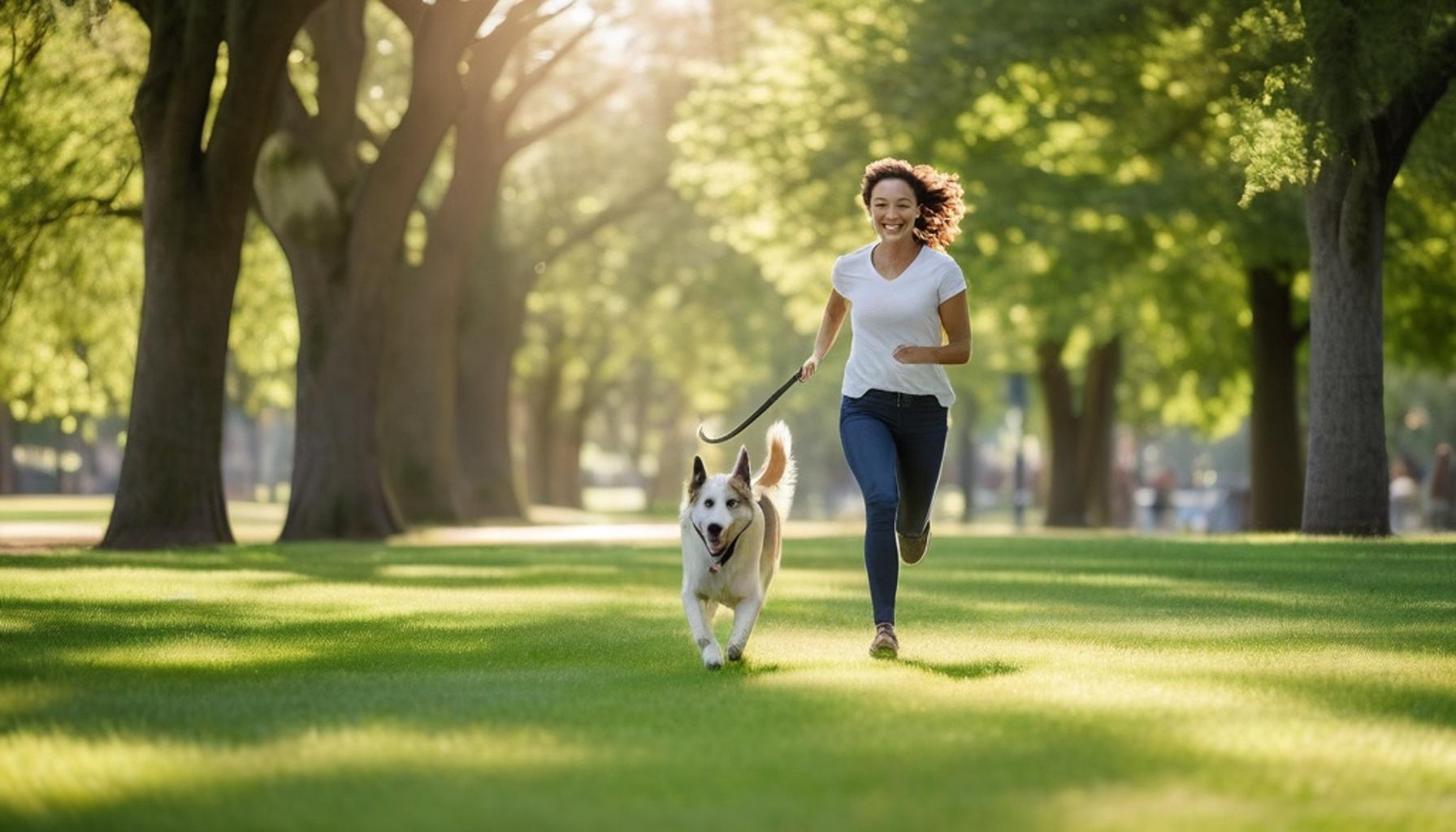
From the busy streets of Lagos to the quiet compounds of Abuja, many Nigerian pet owners are discovering a common challenge: keeping pets active when outdoor space is limited. Traffic, security concerns, and unpredictable weather often push dogs and cats into indoor living for most of the day. This shift makes an Indoor Exercise Plan for Pets not just useful, but essential.
Consider the average Nigerian household in a city like Port Harcourt or Ibadan, where compound space is shrinking due to rapid urbanization. Many estates now have strict rules about pets roaming freely, and busy work schedules leave little time for long walks. This reality is forcing pet owners to rethink how their animals stay fit, and indoor fitness routines are quickly becoming the practical answer.
The Hidden Risks of an Inactive Pet
Veterinary reports suggest that over 50% of urban pets in Africa show signs of weight gain linked to reduced movement. Left unchecked, this can lead to serious health issues, including:
- Obesity and joint strain
- Diabetes and heart complications
- Behavioral problems from pent-up energy
These risks highlight why balancing exercise and diet should be a priority for every pet owner.
Beyond the physical toll, inactive pets often display frustrating behavioral changes. A bored dog may start chewing furniture, barking excessively, or digging at doors, while a restless cat might scratch curtains or knock items off shelves. These are not signs of a “stubborn” pet, but rather a clear signal that mental and physical stimulation is missing from their daily routine. Many Nigerian pet owners mistake these behaviors for disobedience, when in truth, they are cries for more engagement.
What This Article Will Cover
This guide explores practical pet exercise ideas indoors, along with smart feeding routines for pets that complement their activity levels. You’ll discover how simple daily habits can transform your pet’s health and happiness.
Whether you own a playful puppy or a curious cat, we’ll break down:
- Simple indoor pet training techniques
- Age-appropriate healthy pet activities
- Feeding schedules that match energy output
These strategies are designed to fit naturally into busy Nigerian lifestyles, whether you live in a compact Lagos apartment or a spacious family home in Enugu. From using everyday household items as makeshift exercise tools to setting up structured play sessions between work hours, there are countless ways to keep your pet moving without stepping outside.
Let’s dive into building a routine that keeps your pet fit, engaged, and thriving—right within the comfort of your home.
CHECK OUT: Integrating Feeding Routines into Your Indoor Pet Exercise Plan for Optimal Health
Building the Foundation: Understanding Your Pet’s Energy Needs
Before jumping into random play sessions, it helps to understand that not every pet requires the same amount of activity. A young, energetic dog breed like a Boerboel or German Shepherd mix common in Nigerian homes will demand far more movement than an older cat that prefers lounging by the window. Building an effective Indoor Exercise Plan for Pets starts with recognizing these individual differences.
Age, breed, and health status all play a role in determining how much activity your pet actually needs. Puppies and kittens, for instance, often have short bursts of high energy followed by long naps, while senior pets need gentler, low-impact movement to protect their joints.
Key Factors That Shape an Indoor Routine
When designing pet exercise ideas indoors, consider these factors first:
- Breed size and natural activity level
- Age and any existing health conditions
- Available indoor space and safety
- Time you can realistically dedicate daily
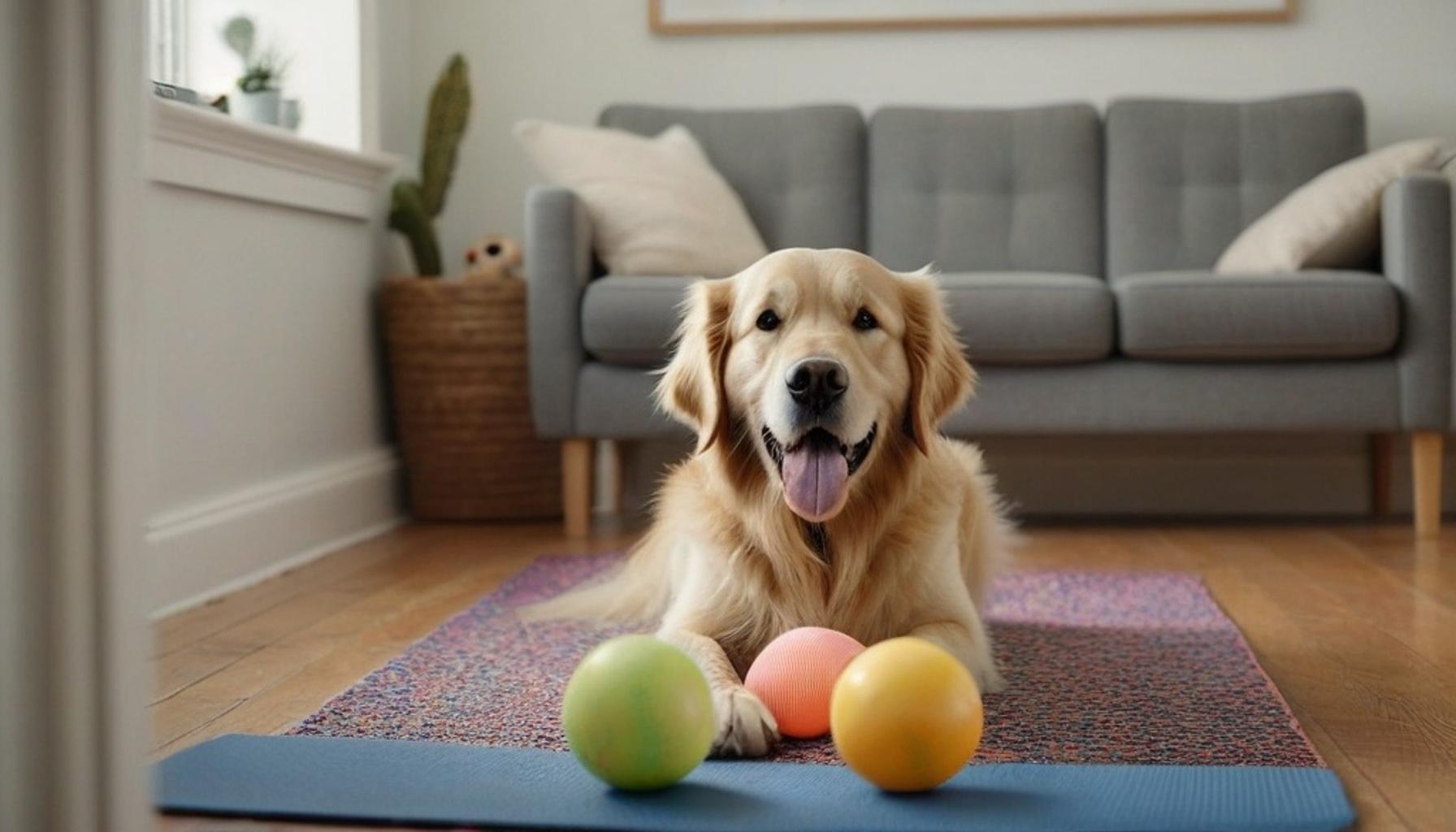
A small apartment in Lagos may limit certain movements, but even a modest hallway can become a stretch of exercise territory with a bit of creativity. Rolling a ball down a corridor or setting up a simple obstacle course using chairs and cushions can turn a limited space into a functional gym for your pet.
Why Timing Matters as Much as Intensity
Many pet owners focus solely on how long a play session lasts, forgetting that timing plays an equally important role. Exercising a dog right after a heavy meal, for example, can lead to digestive discomfort or bloating, a condition that can be serious in larger breeds. Veterinarians generally recommend waiting at least 30 minutes after feeding before engaging in vigorous activity.
This is where balancing exercise and diet becomes crucial. A pet that eats a large breakfast at 7am should ideally have its most active play session scheduled later in the morning, not immediately afterward. Structuring the day this way supports better digestion and steadier energy levels throughout the day.
Establishing consistent feeding routines for pets alongside a predictable activity schedule also helps regulate metabolism. Pets thrive on routine, and knowing when to expect both meals and playtime can reduce anxiety-driven behaviors like begging or destructive chewing.
Ultimately, the goal is to create a rhythm that mirrors what your pet’s body naturally craves, active periods balanced with adequate rest and proper nourishment, all achievable without ever stepping outside your Nigerian home.

LEARN MORE: Behavior Guidance Through Structured Exercise: Monitoring Health and Adjusting Routines for Indoor Pets
Practical Activities That Turn Every Nigerian Home Into a Pet-Friendly Gym
Once the foundation is set, the next step in any Indoor Exercise Plan for Pets is choosing activities that actually work within the four walls of a typical home. Not every household has a compound, and many pet owners in cities like Abuja, Port Harcourt, or Ibadan manage with tight spaces, yet this does not mean pets should miss out on movement.
Simple, low-cost tools can make a significant difference. A staircase, for instance, becomes an excellent cardio tool for dogs, while cats often respond well to vertical climbing structures made from stacked boxes or repurposed shelves.
Ten-Minute Sessions That Add Up
Research on canine behavior shows that short, frequent bursts of activity can be just as effective as one long session. Instead of a single 40-minute walk substitute, try three 10 to 15-minute indoor sessions spread across the day.
Some pet exercise ideas indoors that fit easily into a busy Nigerian schedule include:
- Tug-of-war with a knotted cloth or rope
- Hide-and-seek using treats hidden around the sitting room
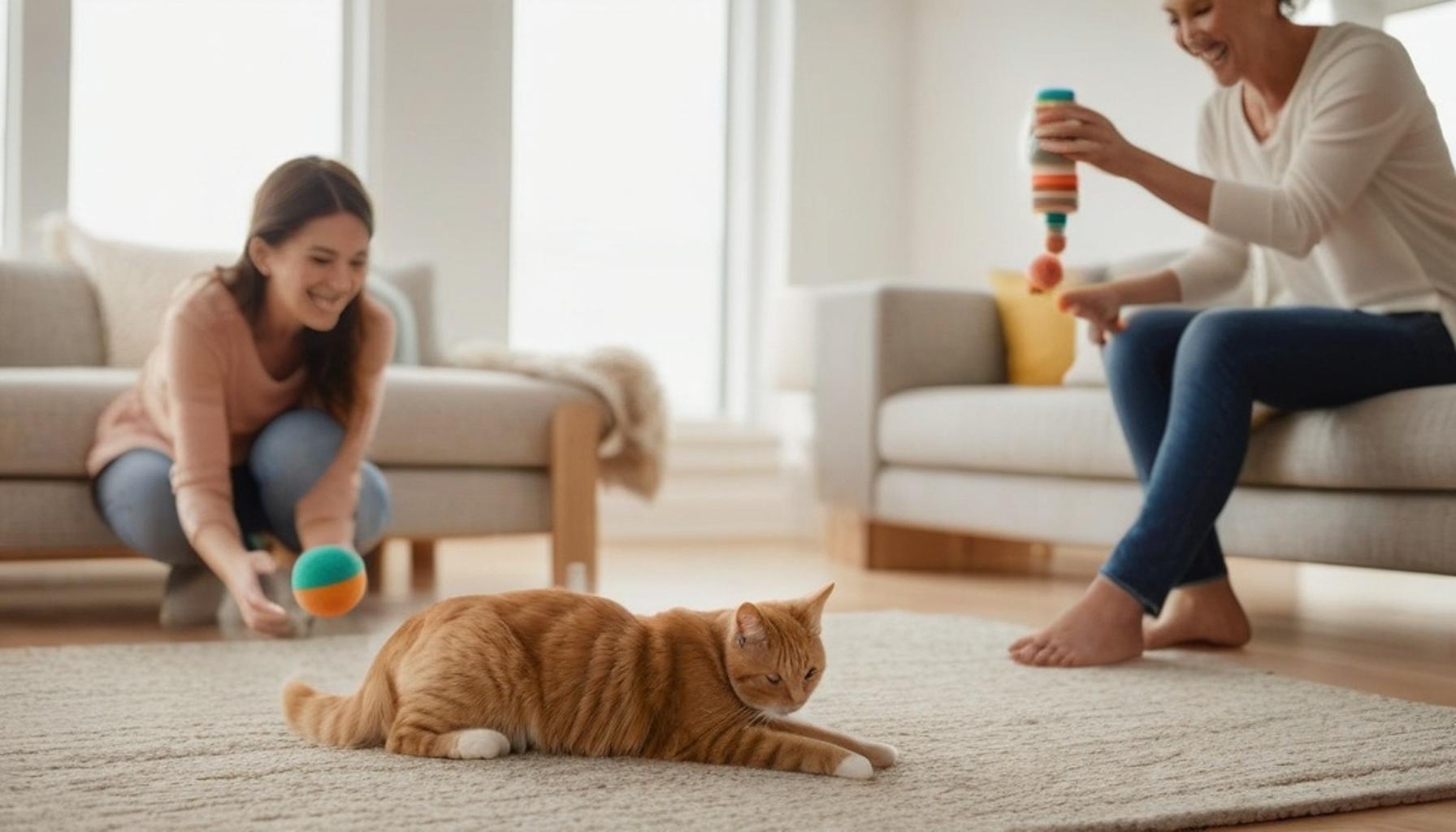
- Laser pointer or feather wand games for cats
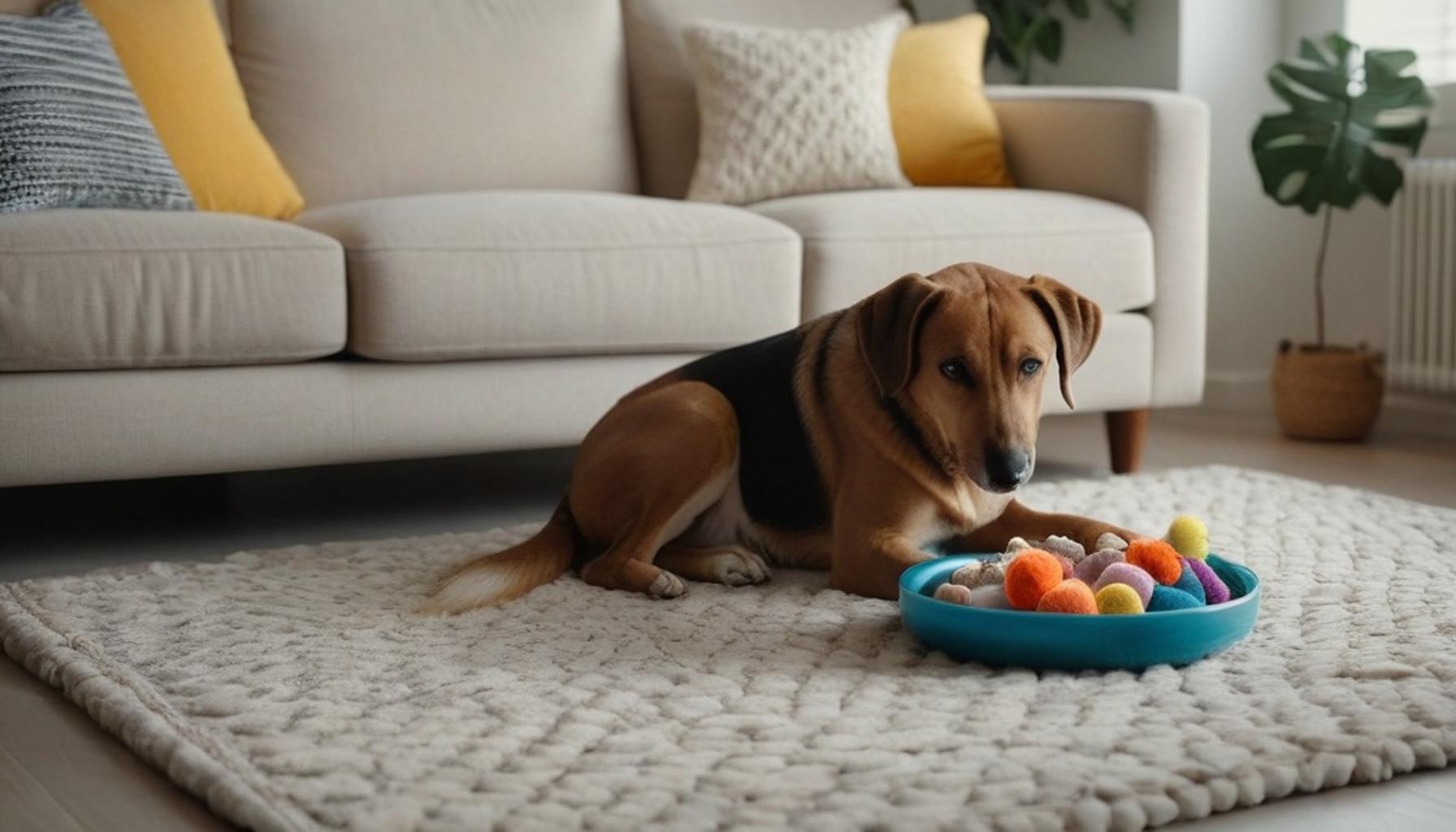
- Puzzle feeders that combine mental stimulation with movement
These activities also double as indoor pet training opportunities, reinforcing commands like “sit,” “stay,” or “come” while keeping the pet physically engaged.
Linking Movement to Mealtime Without Overdoing It
Interestingly, some veterinary nutritionists suggest using food itself as a motivator for movement. Instead of pouring kibble straight into a bowl, scatter-feeding across a room forces a dog or cat to walk, sniff, and search, turning a routine meal into light exercise.
This approach supports balancing exercise and diet naturally, since the pet burns a small amount of energy before consuming calories. However, this should not replace dedicated playtime, but rather complement it.
Consistent feeding routines for pets paired with these activities also make it easier to spot changes in appetite or energy, often early signs of health issues that many Nigerian pet owners might otherwise miss until a vet visit becomes urgent.
Monitoring Progress Like a Health Metric
Tracking activity does not require expensive gadgets. A simple notebook or phone app can log daily play duration, meal times, and any noticeable changes in weight or mood.
Over a few weeks, this record often reveals patterns, perhaps a dog becomes more restless on days with shorter play sessions, or a cat eats less after skipped exercise. These insights allow owners to fine-tune healthy pet activities to match real, observed needs rather than guesswork, creating a system that evolves alongside the pet’s changing lifestyle.
Bringing It All Together: A Sustainable Path to a Healthier Pet
Building a workable Indoor Exercise Plan for Pets is not about grand gestures or expensive equipment. It is about small, deliberate choices repeated daily, a staircase climb here, a scatter-feed there, a puzzle toy on a rainy Lagos afternoon when outdoor walks are impossible.
Across this article, one theme keeps surfacing: consistency matters more than intensity. Nigerian pet owners juggling generator schedules, traffic, and unpredictable weather do not need a perfect routine, just a realistic one that fits their household rhythm.
The most successful approach blends three elements: purposeful play, structured feeding routines for pets, and honest observation of behavior. None of these work in isolation.
Consider a few takeaways worth revisiting:
- Short, frequent play sessions often outperform long, occasional ones
- Scatter-feeding and puzzle feeders naturally support balancing exercise and diet
- Simple tracking tools reveal patterns owners would otherwise miss
- Everyday household items can double as effective training and exercise tools
What makes this topic worth continued attention is how much remains individual. A Lagos apartment cat and a Kano compound dog will not follow identical schedules, yet both benefit from the same underlying principles.
Perhaps the most valuable shift is one of mindset. Rather than viewing exercise and feeding as separate chores, treating them as connected parts of a single wellness system, one that includes indoor pet training and thoughtful pet exercise ideas indoors, produces noticeably calmer, healthier animals.
As more Nigerian households adapt to urban living, the demand for practical, space-conscious healthy pet activities will likely grow. Pet owners who start experimenting now, adjusting routines based on real observation rather than assumption, position themselves ahead of that curve, with pets that are not just active, but genuinely thriving indoors.
Frequently Asked Questions
How often should I schedule indoor exercise sessions for my dog or cat living in a Lagos apartment?
For most healthy dogs and cats, two to three short indoor sessions of 15 to 20 minutes daily work well, especially in smaller Lagos apartments with limited outdoor space. Split the sessions into morning and evening to match cooler temperatures and avoid the midday heat common in Nigeria. Adjust frequency based on your pet’s age, breed, and energy level, since puppies and active breeds need more frequent activity than senior pets.
Should I feed my pet before or after an indoor exercise routine to prevent bloating?
It is best to exercise your pet at least one hour before feeding or wait two hours after a meal before starting any activity, particularly for larger dog breeds prone to bloat. This spacing allows proper digestion and reduces the risk of gastric torsion, which can be serious and requires urgent veterinary attention. In Nigeria’s warm climate, giving this buffer also helps prevent vomiting or discomfort during play.
What indoor exercises work best for pets during Nigeria’s rainy season when outdoor walks aren’t possible?
Interactive play using tug ropes, fetch with soft balls, and puzzle feeders that require movement are excellent for keeping pets active indoors during heavy rains. Stair climbing, if safe, and short bursts of hide-and-seek games also help burn energy without needing outdoor space. These activities keep your pet’s indoor exercise plan consistent even when Nigeria’s weather disrupts regular outdoor routines.
How do I adjust my pet’s feeding portions if they’re getting less exercise indoors compared to outdoor play?
If your pet’s activity level drops due to relying solely on indoor exercise, reduce their daily food portions by about 10 to 15 percent to prevent unwanted weight gain. Monitor your pet’s body condition regularly and consult a veterinarian in your area to get personalized feeding guidance based on breed and current weight. Choosing lower-calorie treats during training sessions also helps balance reduced calorie burn from limited indoor movement.

Linda Carter
Linda Carter is a writer and pet care expert specializing in pet health, grooming, and wellness. With extensive experience helping pet owners create safe, loving, and enriching environments for their animals, Linda shares her knowledge on our platform. Her goal is to empower readers with practical advice and strategies to ensure their pets thrive and lead joyful, healthy lives.