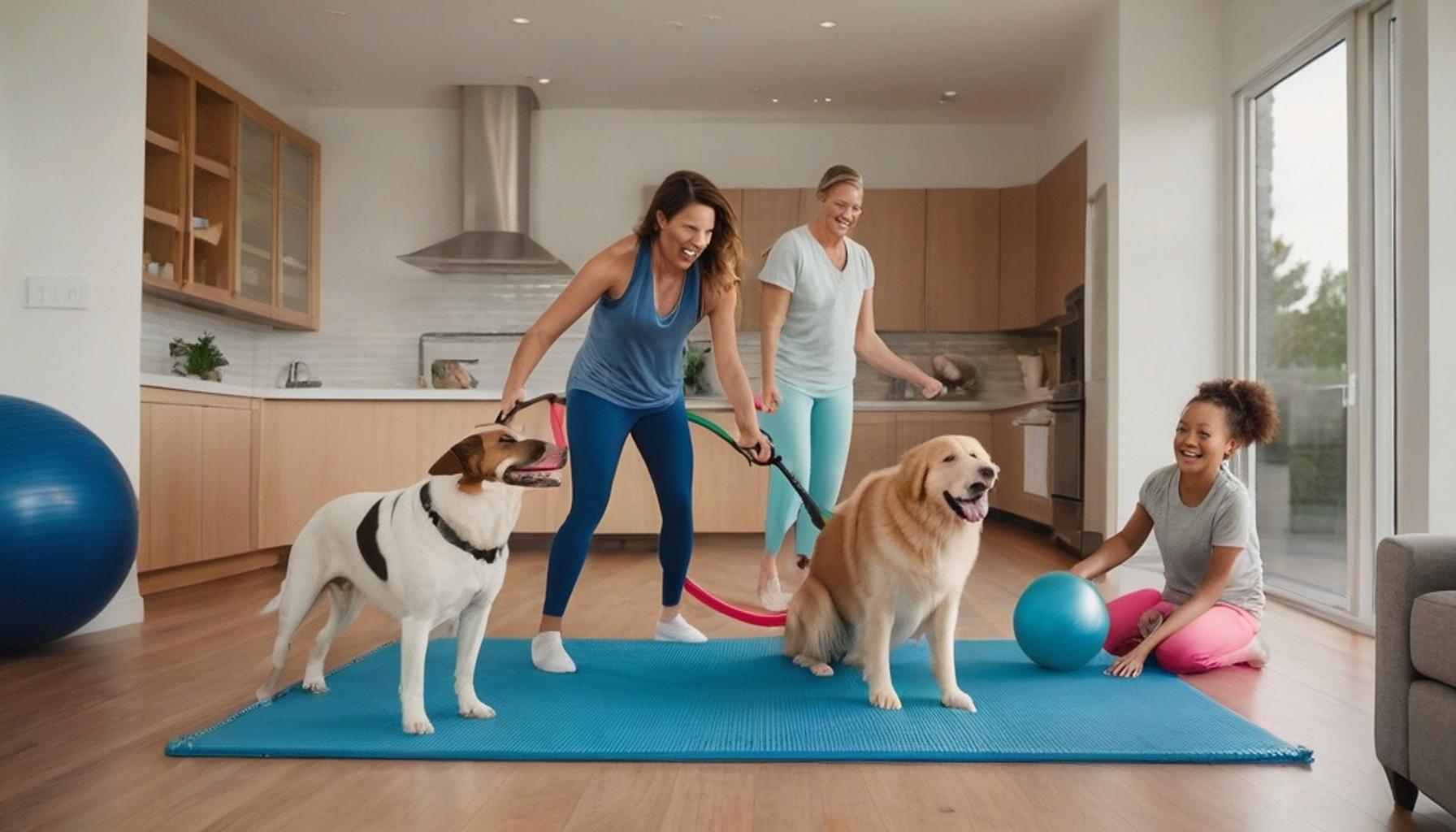
The Importance of Exercise Planning for Pet Hygiene and Behavior Management in Indoor Pets

Why Exercise Planning for Indoor Pets Matters More Than You Think
Lagos apartments, Abuja duplexes, and Port Harcourt flats are increasingly home to dogs and cats that rarely see a backyard. For these animals, Exercise Planning for Indoor Pets is not a luxury but a daily necessity. Without it, pets often develop hygiene issues and behavioral problems that frustrate owners across Nigeria.
Veterinary data suggests that indoor pets burn significantly fewer calories than their outdoor counterparts, leading to weight gain, skin infections, and excessive shedding. A structured routine changes this pattern quickly. Pet hygiene tips for indoor pets often begin with one simple factor: consistent physical activity.
Many Nigerian households assume that feeding well and occasional cuddling is enough to keep a pet healthy. This assumption, however, overlooks a critical biological reality. Dogs and cats are naturally wired for movement, hunting, and exploration. When these instincts are suppressed within four walls, the body responds with stress hormones, sluggish metabolism, and compromised immune function. This is why some pets in Ikeja or Lekki apartments develop recurring skin rashes despite regular baths and premium food.
The connection between activity and cleanliness is often underestimated. A pet that exercises regularly regulates its body temperature more efficiently, reducing the likelihood of excessive panting, drooling, and oily coat buildup. Owners who introduce even fifteen minutes of daily play often notice fewer instances of matting and unpleasant odor within weeks.
What This Article Will Uncover
This piece explores the hidden connection between movement and cleanliness, and why behavior management for indoor pets depends heavily on structured play. Nigerian pet owners will discover practical, low-cost solutions suited to smaller living spaces.
- How indoor pet exercise routines reduce destructive chewing and excessive barking
- The link between physical activity and reduced shedding, odor, and matting
- Simple indoor pet care strategies using stairs, hallways, and compact spaces
- Signs that your pet’s current exercise level is insufficient
Understanding the importance of exercise for pets goes beyond keeping them fit. It directly shapes their hygiene, temperament, and overall wellbeing within confined living environments. The following sections break down exactly how to build a routine that works for your home, regardless of square footage or budget constraints commonly faced by urban Nigerian families.
YOU MAY ALSO LIKE: Creating an Effective Indoor Exercise Plan for Your Pets: Balancing Feeding Routines and Activity Levels
The Science Behind Movement and a Cleaner, Calmer Pet
Walk into any veterinary clinic in Lagos or Ibadan, and you will hear a recurring complaint: “My dog smells even after bathing” or “My cat keeps scratching the furniture.” Few owners realize that the root cause often has nothing to do with soap quality or grooming frequency. It lies in an unbalanced Exercise Planning for Indoor Pets routine, or the complete absence of one.
Physical activity triggers circulation, which helps distribute natural skin oils evenly across a pet’s coat. Without this, oils accumulate unevenly, creating patches that trap dirt and bacteria. This explains why some pets develop a musty smell within days of a bath, even when using premium shampoo bought from Yaba or Onitsha markets.
How Inactivity Silently Damages Hygiene
Skin health is not the only casualty. Sedentary pets often experience slower digestion, which contributes to gas, bloating, and irregular bowel movements. This directly affects litter box conditions for cats and increases the frequency of accidents in dogs kept indoors throughout the day.
Nigerian households in high-rise apartments frequently report the following consequences of insufficient movement:
- Persistent bad odor despite frequent grooming sessions
- Increased shedding due to poor coat circulation
- Higher frequency of indoor accidents from sluggish digestion
- Excessive licking or chewing of paws, a sign of restlessness
- Matting around the neck and hindquarters from reduced mobility
Each of these issues connects back to one overlooked factor: consistent, well-structured activity. Pet hygiene tips for indoor pets rarely succeed long-term without addressing this foundation first.
Behavior Problems Rooted in Boredom
Beyond hygiene, inactivity reshapes behavior. A dog confined to a two-bedroom flat in Surulere without adequate stimulation may resort to chewing shoes, scratching doors, or barking at every sound from the corridor. Cats display similar frustration through knocking items off shelves or attacking curtains.
These are not signs of a “stubborn” or “bad” pet. They are symptoms of unmet physical and mental needs. Effective behavior management for indoor pets requires recognizing that destructive habits often disappear once a structured movement routine is introduced, sometimes within seven to ten days.
Veterinarians across Nigeria increasingly recommend treating exercise like feeding schedules: fixed, predictable, and non-negotiable. This mindset shift, though simple, produces measurable improvements in both coat condition and household calm, setting the stage for the practical routines discussed next.
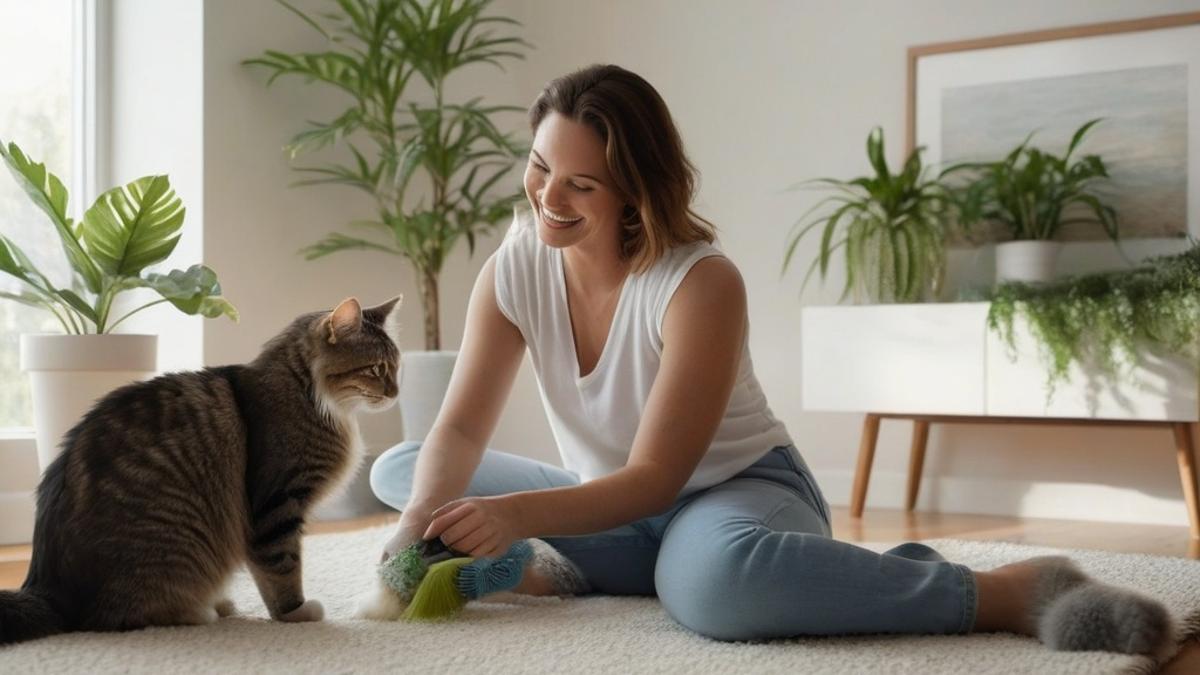
Key Aspects of Exercise Planning for Indoor Pets: Hygiene and Behavior Benefits
Structured exercise planning for indoor pets does more than burn energy—it directly shapes coat condition, elimination habits, and emotional stability. Veterinary behaviorists note that pets receiving 30-60 minutes of daily structured activity show measurably fewer stress-related grooming issues and destructive behaviors. The table below breaks down how specific exercise components influence pet hygiene tips for indoor pets and behavior management for indoor pets, offering a quick reference before diving deeper into implementation strategies.
YOU MAY ALSO LIKE:Integrating Feeding Routines into Your Indoor Pet Exercise Plan for Optimal Health
Building Practical Indoor Pet Exercise Routines That Work
Theory alone will not stop a Lagos apartment from smelling like a kennel by Friday evening. What actually changes outcomes is structure. Veterinary behaviorists working across Abuja and Port Harcourt consistently point to one factor separating calm, clean pets from chaotic households: a deliberate, repeatable schedule rather than sporadic play.Designing a Realistic Daily StructureNot every household has access to a compound or estate garden. Many Nigerian pet owners live in flats where outdoor space is limited to a small balcony or a shared corridor. This limitation does not eliminate the need for movement; it simply changes the method.A workable framework for Exercise Planning for Indoor Pets typically includes:
- 15 to 20 minutes of active play immediately after waking, before digestion slows
- A midday stimulation session using puzzle feeders or hidden treats
- An evening walk or indoor fetch session lasting at least 20 minutes
- Short, five-minute stretch breaks during long work-from-home hours
Dogs weighing between 15kg and 30kg, common breeds like Boerboels or mixed local breeds kept in Nigerian homes, generally require closer to 60 minutes of combined activity daily. Cats, though less demanding, still benefit from at least two 10-minute interactive sessions to prevent the restlessness that fuels destructive scratching.Why Timing Affects Hygiene OutcomesExercising a pet right before bath time is not accidental advice. Movement opens pores and loosens trapped debris, making shampoo far more effective. Owners who bathe a pet first and exercise afterward often find their pets dirty again within hours, undoing the entire grooming effort.
This detail explains why some pet hygiene tips for indoor pets fail despite consistent bathing schedules. The sequence matters just as much as the frequency.Matching Activity to Behavior TriggersDifferent breeds display different warning signs when movement is insufficient. Terriers and spaniels tend toward vocalization and digging at carpets, while larger breeds like Rottweilers common in Nigerian security-conscious homes may become unusually territorial or reactive at gates.Recognizing these breed-specific cues strengthens behavior management for indoor pets significantly. A ten-minute increase in daily activity, tracked over two weeks, often produces visible reductions in barking episodes and furniture damage.
Tracking Progress Like a Health Metric
Progressive pet owners in Nigeria have started logging exercise duration alongside feeding times, treating it as seriously as vaccination schedules. This approach transforms vague indoor pet care strategies into measurable routines, allowing owners to correlate specific activity levels with coat condition, odor reduction, and calmer household behavior within a month of consistent tracking.
YOU MAY ALSO LIKE:Creating an Indoor Exercise Plan for Dogs and Cats: Balancing Activity with Feeding Routines and Health Monitoring
Final Thoughts: Making Exercise Planning a Household Priority
Across Lagos, Abuja, and smaller Nigerian cities, the evidence points to one conclusion: a pet’s cleanliness and temperament rarely improve by accident. They improve through deliberate Exercise Planning for Indoor Pets that respects breed, size, and lifestyle constraints.What emerges from this discussion is not a rigid formula but a mindset shift. Owners who treat activity as a scheduled necessity, rather than an occasional luxury, consistently report calmer pets, fewer odor complaints, and less furniture damage within weeks.
This is where the importance of exercise for pets becomes measurable rather than theoretical. Coat condition improves. Barking episodes drop. Scratching incidents decline. These are not vague promises but observable outcomes tied directly to structured movement.Nigerian households face unique realities: smaller flats, hotter climates, and unpredictable outdoor access. Yet these constraints have pushed many pet owners toward more creative indoor pet exercise routines, proving that limited space does not mean limited results.Sustainable change requires combining several elements together:
- Consistent daily timing rather than irregular bursts of play
- Breed-specific awareness of behavioral warning signs
- Sequencing exercise before grooming, not after
- Simple tracking methods to measure real progress
When these strategies work together, they form a genuine system rather than isolated tips. This is the foundation of effective indoor pet care strategies that actually hold up under daily pressure.Ultimately, pet hygiene and behavior are not separate problems requiring separate solutions. They are symptoms of the same underlying need: movement. Nigerian pet owners who recognize this connection early often find themselves solving two problems with a single, disciplined habit.
Frequently Asked Questions
Why is exercise planning important for indoor pets in Nigeria’s hot climate?
Exercise planning for indoor pets helps you schedule activity during cooler periods like early morning or late evening, avoiding Nigeria’s intense midday heat. This prevents heat stress while still giving your pet enough movement to stay healthy and calm indoors. Proper timing also reduces excessive panting and shedding, which keeps your home cleaner and more hygienic.
How does exercise planning for indoor pets reduce bad odor and mess in the house?
A structured exercise routine helps pets burn off energy that would otherwise be spent on destructive chewing, excessive shedding, or anxious pacing that spreads dirt and hair around the house. Regular movement also improves digestion, leading to more predictable bathroom habits and less indoor accidents. This makes cleaning easier and helps maintain better hygiene in Nigerian homes, especially in small apartments.
What indoor exercises work best for dogs and cats in small Nigerian apartments?
Interactive play with balls, tug ropes, or laser pointers works well in confined spaces common in Lagos and Abuja apartments. Puzzle feeders and short indoor fetch sessions in hallways also provide mental and physical stimulation without needing a large yard. Stair climbing, where available, is another effective low-space option for dogs.
How often should I plan exercise sessions for my indoor pet to manage behavior problems?
Most indoor dogs need at least two 20 to 30 minute sessions daily, while cats benefit from two 10 to 15 minute play sessions using toys that mimic hunting behavior. Consistent daily exercise planning reduces problem behaviors like excessive barking, scratching furniture, or nighttime restlessness. Adjust frequency based on your pet’s breed, age, and energy level for best results.
Can lack of exercise planning cause skin and coat hygiene issues in indoor pets?
Yes, inactive pets often develop poor circulation and slower metabolism, which can lead to dull coats, excess shedding, and skin infections from reduced grooming instincts. Regular exercise improves blood flow and encourages natural grooming behavior, keeping the coat healthier and reducing pet odor indoors. This is especially important in Nigeria’s humid climate, where poor hygiene can quickly attract fleas and skin irritation.
| Exercise Component | Hygiene & Behavior Impact |
|---|---|
| Structured Daily Routines | Stabilizes digestion and elimination schedules, reducing accidents |
| Interactive Play & Puzzle Toys | Curbs destructive chewing and anxiety-driven behaviors |
| Post-Activity Grooming | Controls shedding, matting, and skin odor buildup |
| Consistent Play Sessions | Lowers excessive barking and territorial aggression |

Linda Carter
Linda Carter is a writer and pet care expert specializing in pet health, grooming, and wellness. With extensive experience helping pet owners create safe, loving, and enriching environments for their animals, Linda shares her knowledge on our platform. Her goal is to empower readers with practical advice and strategies to ensure their pets thrive and lead joyful, healthy lives.