Behavior Guidance Through Structured Exercise: Monitoring Health and Adjusting Routines for Indoor Pets
Indoor pets in Nigeria face increasing anxiety and behavioral issues due to lack of structured exercise. Consistent routines, tailored to breed and climate, are essential for promoting health and reducing destructive behaviors. Monitoring pet health allows for timely adjustments, fostering a calmer, healthier indoor lifestyle without outdoor access.
Why Indoor Pets Need More Than Just a Walk Around the Compound
Lagos apartments, Abuja flats, and Port Harcourt duplexes are increasingly home to dogs and cats that rarely see the outside world. Without deliberate structured exercise for pets, this indoor lifestyle can quietly breed anxiety, aggression, and destructive habits. A dog cooped up in a two-bedroom flat in Lekki, for instance, may start gnawing on shoes not out of spite, but out of sheer pent-up energy with nowhere to go.
Veterinary behaviorists across Nigeria are reporting a rise in stress-related issues among urban pets. The culprit is often not diet, but a lack of physical and mental stimulation. Clinics in cities like Ibadan and Enugu have noted a steady increase in consultations tied to compulsive licking, sudden aggression, and even self-inflicted injuries from constant pacing—symptoms that trace back to one root cause: an under-stimulated animal trapped in a small, unchanging space.
The Link Between Movement and Manners
Behavior Guidance for Indoor Pets starts with understanding a simple truth: a tired, well-exercised animal is typically a calmer, better-behaved one. Structured routines help redirect excess energy that would otherwise fuel chewing, barking, or scratching. Think of it as the pet equivalent of a child who has spent all afternoon at the playground—by evening, they are far more likely to settle down without a fuss.
Consider what consistent activity can address:
Excessive barking or meowing triggered by boredom
Destructive chewing on furniture or cables
Weight gain from limited movement in small spaces
Restlessness during Nigeria’s hotter months when outdoor time shrinks
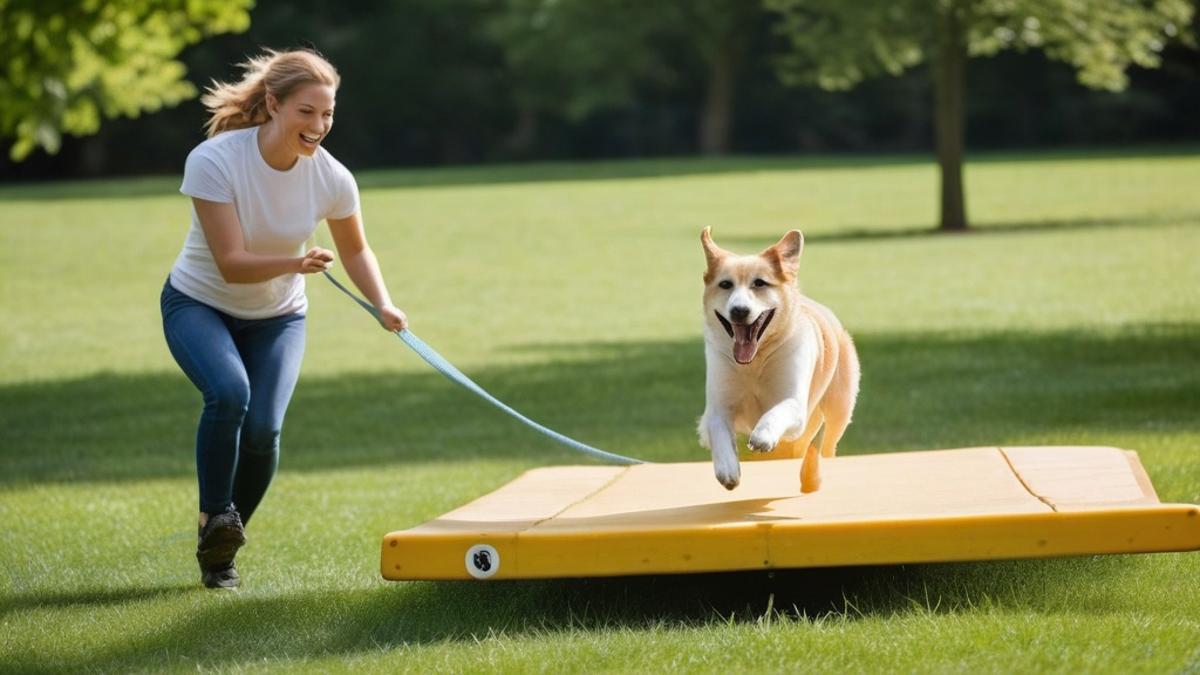
Interestingly, some pet owners in Nigeria have started experimenting with indoor obstacle courses using household items—cardboard boxes, old tires, even stacked cushions—to simulate the kind of physical challenges pets would naturally encounter outdoors. It is a low-cost, creative workaround that speaks to a growing awareness that exercise does not always require open fields.
Monitoring Pet Health Along the Way
Monitoring pet health is not a one-time task—it is an ongoing process that shapes how routines evolve. Weight, joint mobility, and energy levels all signal when adjustments are due. A cat that once leaped effortlessly onto kitchen counters but now hesitates may be flagging joint discomfort long before it becomes a visible limp.
This article explores how pet owners can build effective indoor pet routines, recognize warning signs early, and apply practical pet behavior training techniques suited to Nigerian homes. The goal: raising genuinely healthy indoor pets without needing a backyard at all.
Designing a Structured Exercise Routine That Fits Nigerian Homes
Building structured exercise for pets does not require a mansion in Banana Island. It requires consistency. Veterinary trainers in Lagos often point out that pets thrive on predictable rhythms—same feeding time, same play window, same wind-down period before bed. A schedule tells an animal’s brain what to expect, and that predictability alone reduces anxiety significantly.
This principle holds true whether the pet lives in a sprawling Lekki duplex or a modest one-bedroom flat in Surulere. Animals, much like humans navigating Lagos traffic, find comfort in routine because it removes uncertainty. A dog that knows exactly when its walk begins will show less whining, less pacing, and considerably less destructive chewing on furniture or slippers. Cats, similarly, become calmer when their play and feeding windows remain fixed, rather than shifting erratically with the owner’s mood or work schedule.
For most indoor dogs, experts recommend at least two structured activity sessions daily, each lasting 20 to 30 minutes. Cats, though more independent, still benefit from two short bursts of interactive play, particularly in the early morning and just before dusk when their natural hunting instincts peak. Some behaviorists in Ibadan have noted that cats denied this dusk play window often redirect their pent-up energy into midnight zoomies, startling households awake around 2 a.m.
A practical indoor pet routine might include the following elements:
Morning stretch and short play session before the household rushes off to work or school
Midday puzzle feeding or treat-hiding games to occupy the mind during quiet hours
Evening interactive play using ropes, balls, or laser pointers for cats
A calm wind-down period with gentle handling before bedtime
Some Lagos-based dog trainers have begun incorporating stair-climbing drills for pets living in multi-storey duplexes, turning an ordinary architectural feature into a genuine workout tool. It is a clever adaptation, given that many Nigerian homes simply do not have sprawling gardens for fetch or long runs. In estates around Ajah and Magodo, where compound space is often shared or limited, this stairwell method has quietly become a popular substitute for traditional outdoor exercise.
Interestingly, some pet owners have started repurposing everyday household items—old wrappers tied into tug ropes, plastic bottles filled with kibble for makeshift puzzle feeders—proving that a structured routine does not demand expensive imported gadgets to be effective.
Breed and Temperament Matter More Than Owners Realize
Not every pet needs the same intensity. A Boerboel, common in many Nigerian compounds for security purposes, requires far more vigorous activity than a Shih Tzu curled up on a Port Harcourt sofa. Ignoring these differences is one of the most common mistakes in pet behavior training.
High-energy breeds left under-exercised in confined apartments are statistically more prone to destructive behavior, according to several veterinary reports from clinics in Abuja. Meanwhile, low-energy breeds pushed into overly strenuous routines may develop joint strain, particularly in Nigeria’s humid climate where overheating is a genuine risk during outdoor sessions.
Climate, in fact, deserves far more attention than it typically receives. Midday exercise in cities like Kano or Onitsha, where temperatures frequently soar past 35 degrees Celsius, can quickly tip from beneficial to dangerous. Veterinarians increasingly advise shifting outdoor activity to early morning or late evening, when the tarmac has cooled and the risk of heat exhaustion drops considerably.
Owners are increasingly encouraged to consult with local veterinarians before settling on a routine, rather than copying generic exercise plans found online that rarely account for tropical conditions or indigenous breed mixes common in Nigerian households.
This tailored approach forms the backbone of genuine behavior guidance for indoor pets—one that acknowledges there is no single formula, only principles that must be adjusted to fit the animal, the apartment, and the climate.
Behavior Guidance for Indoor Pets: Core Elements Explained
Understanding how Behavior Guidance for Indoor Pets connects to daily activity and health tracking helps owners create sustainable routines. The table below breaks down the essential categories driving successful outcomes.
Category
Key Insights & Benefits
Structured Exercise
Daily 20–30 minute sessions of structured exercise for pets reduce anxiety and curb destructive chewing or scratching.
Health Monitoring
Tracking weight, breathing, and stamina supports accurate monitoring pet health, catching issues before they escalate.
Behavior Training
Movement paired with commands strengthens pet behavior training, lowering excessive barking episodes.
Structured exercise only works when someone is actually watching what happens afterward. A dog panting excessively after a fifteen-minute session in Warri’s humidity is telling a story, and that story matters more than the schedule printed on a fridge magnet. The numbers on a routine chart mean nothing if nobody bothers to interpret the physical cues that follow.
Monitoring pet health during and after activity is arguably the most neglected piece of the puzzle. Owners often focus so heavily on getting the exercise done that they forget to observe how the animal responds once the leash comes off. This oversight is understandable given the pace of daily life in many Nigerian cities, but it creates a blind spot that veterinarians consistently flag as preventable.
What Clinics Are Actually Seeing
Veterinary clinics in Ikeja report a noticeable pattern: pets brought in for lethargy or appetite loss frequently belong to households that recently changed feeding times or skipped exercise sessions without adjusting food portions accordingly. The body notices inconsistency even when the owner does not. A cat that misses two consecutive play sessions but continues receiving the same calorie load will show it, often within a week, through subtle shifts in energy and mood.
A few practical indicators worth tracking include the following.
Breathing rate returning to normal within ten minutes of rest
Consistent water intake before and after play sessions
Normal stool consistency, since digestive upset often signals overexertion or stress
Willingness to engage in the next scheduled session without visible reluctance
Weight fluctuation deserves particular attention. A Rottweiler in Enugu that suddenly gains weight despite an unchanged routine may be signaling reduced activity intensity rather than a diet problem. Conversely, unexplained weight loss in an indoor cat in Yaba could point to stress-related under-eating, something structured play sometimes resolves without any medication involved. These are not isolated observations; they represent a broader pattern where physical symptoms function as early warnings long before a formal diagnosis becomes necessary.
Adjusting Routines Without Disrupting the Pet’s Sense of Stability
Change is inevitable. Nigerian households shift constantly—new tenants moving into shared compounds, generator noise disrupting sleep patterns, or simply a family relocating from Abuja to a smaller flat in Lagos. The challenge lies in adjusting indoor pet routines without triggering the very anxiety that structure was meant to prevent in the first place.
Behaviorists suggest introducing changes gradually, shifting activity times by fifteen-minute increments rather than overhauling an entire schedule overnight. A dog accustomed to a 6 a.m. walk will not adapt smoothly to a sudden 8 a.m. slot; the transition works better spread across several days. Rushing this process often produces the exact restlessness owners are trying to avoid.
Seasonal adjustments also matter more than most owners assume. During Lagos’s rainy season, when outdoor walks become impractical for weeks at a time, substituting indoor fetch or stairwell drills prevents the kind of behavioral regression veterinarians frequently observe once normal weather returns. Pets that lose structured movement for extended periods sometimes struggle to readjust even after conditions improve.
Older pets require particularly careful recalibration. An Alsatian past age eight may still crave the mental stimulation of structured play, even if its joints can no longer handle the same intensity. Swapping vigorous fetch for slower scent-based games often preserves engagement without risking strain, proving that adaptation does not have to mean abandonment of routine altogether.
This ongoing cycle of observation and adjustment forms the practical core of pet behavior training in Nigerian homes, where climate, space, and household rhythm rarely stay fixed for long. Owners who treat monitoring as an active, continuous practice—rather than an occasional afterthought—tend to catch problems earlier, adjust routines more effectively, and ultimately build a more resilient bond with their animals.
Bringing It All Together
Effective Behavior Guidance for Indoor Pets is never a one-time fix. It is a rhythm built from small, repeated decisions—watching how a dog breathes after play, noticing when a cat’s appetite dips, and adjusting before minor issues become veterinary bills. Nigerian households, with their unpredictable weather, shared compounds, and shifting schedules, demand this kind of flexibility more than most.
The evidence gathered from clinics in Ikeja and beyond points to a simple truth: bodies respond to inconsistency faster than owners notice it themselves. Structured exercise for pets only delivers results when paired with genuine observation, not just a checklist ticked off each morning.
A few closing principles are worth carrying forward.
Treat monitoring pet health as part of the exercise itself, not a separate afterthought
Adjust indoor pet routines gradually rather than all at once, especially across seasonal shifts
Recognize that older or smaller pets need modified intensity, not abandoned structure
Use physical cues—breathing, appetite, stool, enthusiasm—as an early warning system
What makes this approach worth adopting is its practicality. It does not require expensive equipment or specialist intervention for most households; it requires attentiveness. Pet behavior training succeeds when owners stop treating routines as fixed schedules and start treating them as living arrangements that bend with circumstance.
Ultimately, healthy indoor pets are the product of consistent attention rather than perfect planning. Owners who pair movement with observation, and adjust without panic, tend to raise calmer, more resilient animals—regardless of what Lagos traffic, Warri humidity, or a sudden house move throws at them next.
Frequently Asked Questions
How can structured exercise improve Behavior Guidance for Indoor Pets kept in Nigerian apartments?
Structured exercise gives indoor pets a predictable outlet for energy, which reduces destructive chewing, excessive barking, and restlessness common in small Nigerian apartments. Scheduling short, consistent play or training sessions twice daily helps dogs and cats settle faster and respond better to commands. It also builds a routine that makes behavior guidance easier since pets learn what to expect at specific times.
What signs indicate my indoor pet’s exercise routine needs adjusting due to Nigeria’s hot climate?
Watch for excessive panting, reluctance to move, lethargy, or sudden aggression during playtime, as these often signal heat stress rather than laziness. In Nigeria’s warm weather, it’s best to shift exercise to early morning or evening hours and shorten intense sessions. If your pet still shows fatigue or vomits after mild activity, consult a veterinarian promptly.
How often should I monitor my indoor pet’s health while following a structured exercise plan?
Check your pet’s weight, coat condition, and energy levels weekly, and note any changes in appetite or bowel movements. Monthly vet visits or at-home checkups help catch issues like joint strain or obesity before they affect behavior. Consistent monitoring ensures the exercise routine matches your pet’s actual fitness level, not just a generic schedule.
Can structured exercise alone fix aggressive or anxious behavior in indoor dogs and cats?
Structured exercise significantly reduces anxiety and aggression by burning excess energy and releasing calming hormones, but it works best combined with positive reinforcement training. Pets with severe behavioral issues, such as fear-based aggression, may need guidance from a professional trainer alongside their exercise plan. Consistency in both physical activity and training routines produces the most reliable long-term results.
Linda Carter
Linda Carter is a writer and pet care expert specializing in pet health, grooming, and wellness. With extensive experience helping pet owners create safe, loving, and enriching environments for their animals, Linda shares her knowledge on our platform. Her goal is to empower readers with practical advice and strategies to ensure their pets thrive and lead joyful, healthy lives.