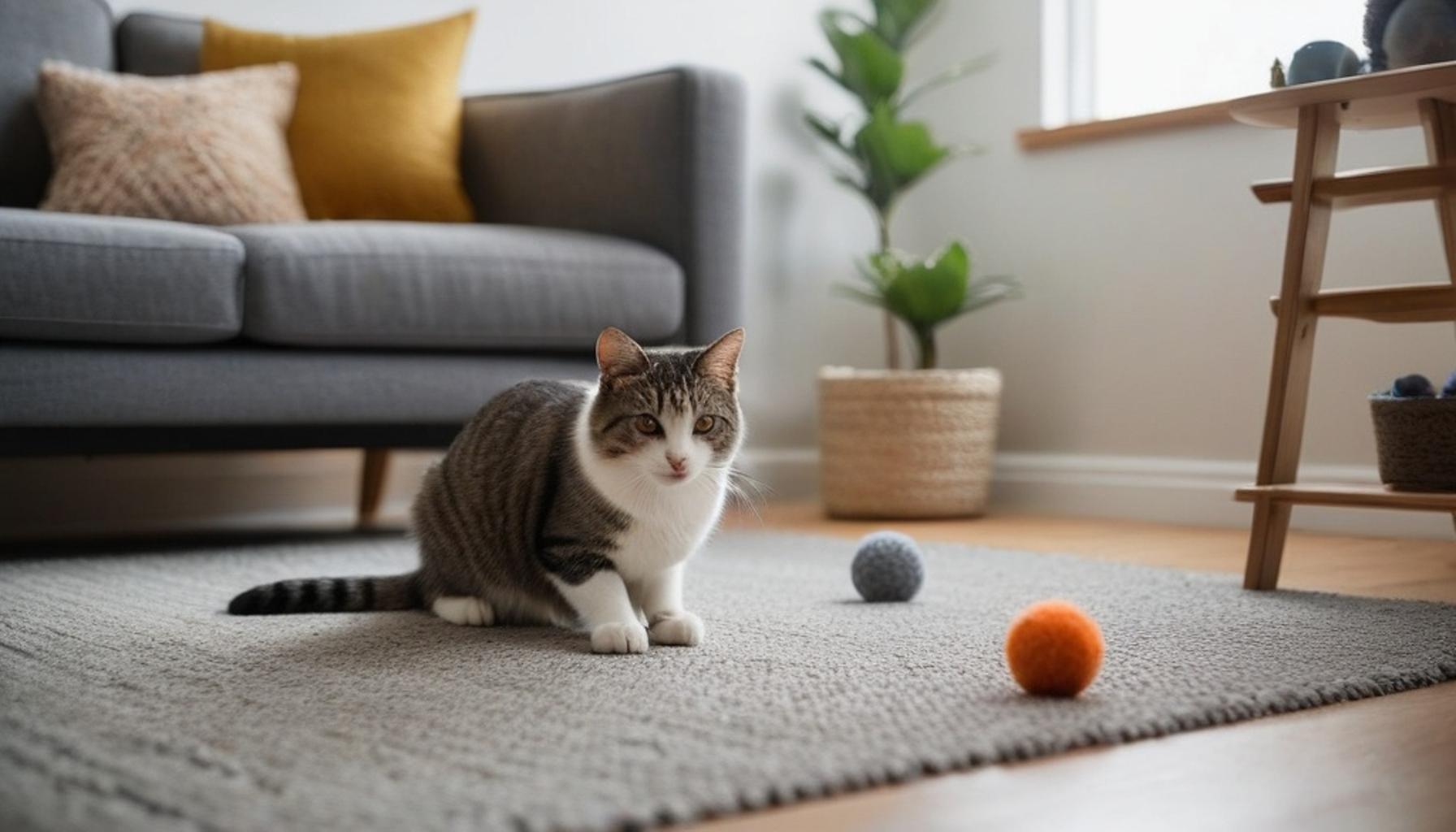
Health Monitoring Through Structured Indoor Exercise: Ensuring Pet Hygiene and Fitness
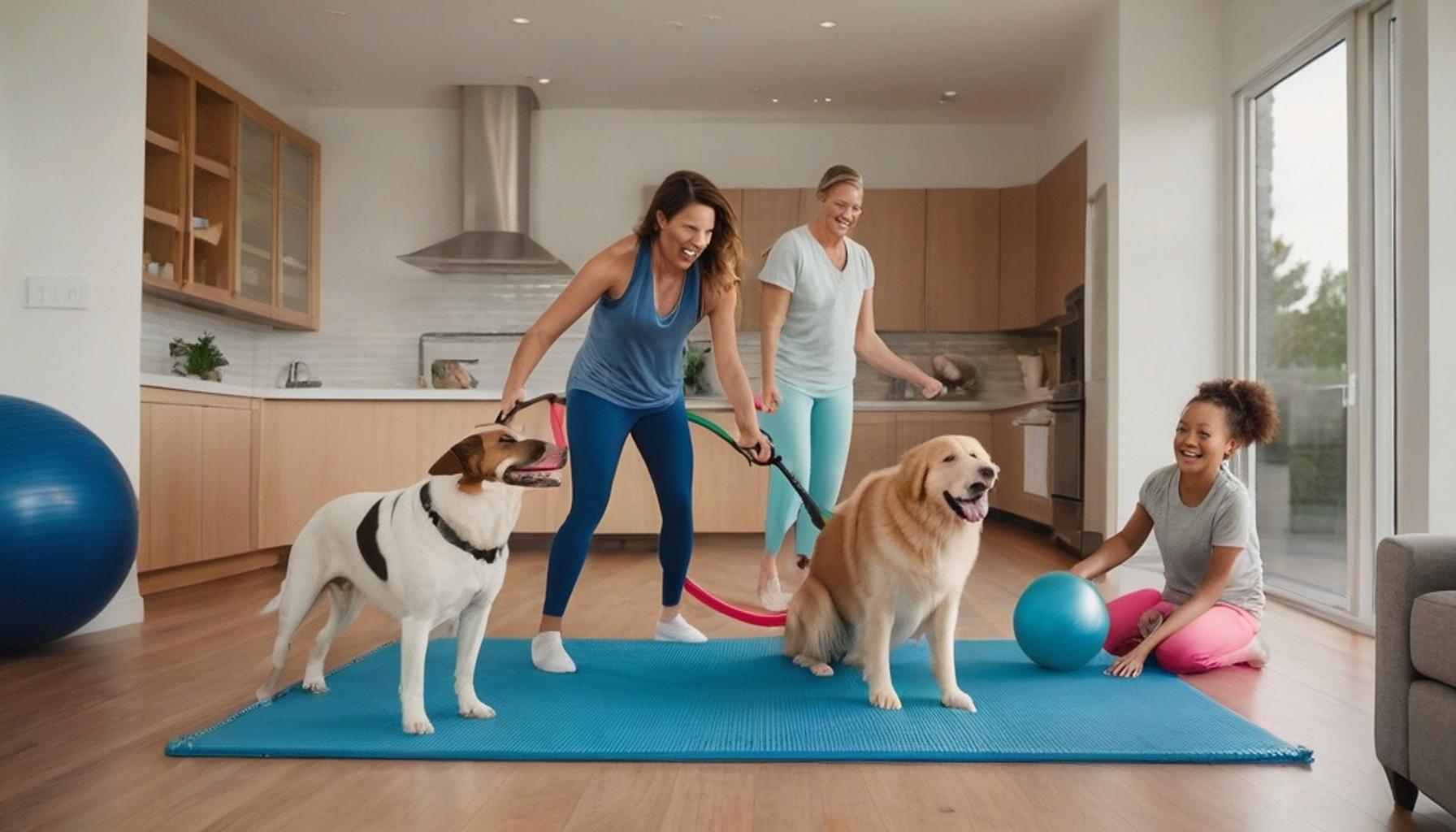
Why Indoor Exercise for Pet Health Matters in Nigerian Homes
From the busy streets of Lagos to the quieter estates of Abuja, more pet owners are keeping their dogs and cats indoors for safety reasons. Concerns over theft, road accidents, and even the rising number of stray animals have pushed many households to rethink how their pets spend their day. This shift, however, brings a pressing challenge: how do you keep a pet fit, clean, and healthy without regular outdoor access?
The answer lies in structured indoor exercise routines for pets, a practical approach gaining popularity across Nigerian households, particularly in apartment complexes and gated estates where outdoor roaming is limited or restricted entirely.
The Hidden Cost of Inactivity
Veterinary reports suggest that indoor pets are 30% more likely to become overweight than those with regular outdoor movement. This is not a small statistic when you consider how quickly excess weight can lead to joint strain, diabetes, and heart complications in cats and dogs alike. Poor hygiene often follows inactivity, as pets that don’t move enough tend to groom less effectively, leaving their coats dull, matted, or prone to skin infections that thrive in Nigeria’s humid climate.
This is where Indoor Exercise for Pet Health becomes essential, not just a trend but a necessity for households navigating urban living without compromising their pet’s wellbeing.
What Structured Indoor Activity Offers
Consider these practical benefits pet owners can expect when they commit to consistent indoor movement:
- Weight control through daily movement routines, even in compact living spaces
- Improved coat and skin condition via increased circulation, which helps combat Nigeria’s humidity-related skin issues
- Reduced anxiety and destructive behavior indoors, particularly useful for pets left alone during work hours
- Early detection of mobility or joint issues before they escalate into costly veterinary emergencies
These points highlight the real benefits of indoor exercise for pets beyond simple entertainment, positioning fitness as a preventive health strategy rather than an afterthought.
A Growing Conversation Worth Following
Pet hygiene and fitness are no longer separate concerns; they’re deeply connected. This article explores how monitoring pet health through exercise can transform daily routines into powerful wellness tools that Nigerian pet owners can easily adopt.
Expect practical indoor activities for pet fitness that fit perfectly into Nigerian living spaces, regardless of size, from tight Lagos flats to sprawling compounds in Kaduna.
RECOMMENDED: Creating an Effective Indoor Exercise Plan for Your Pets: Balancing Feeding Routines and Activity
# Building a Foundation: How Structured Routines Support Pet Wellness
Walk into any veterinary clinic in Ikeja or Port Harcourt today, and you’ll likely hear the same concern from worried pet owners: their dog seems sluggish, their cat has stopped grooming properly, or unexplained weight gain has crept in over months of indoor confinement. These aren’t isolated cases. They represent a pattern that structured exercise routines for pets can directly address.
Understanding the Science Behind Movement and Health
Physical activity does more than burn calories. It stimulates circulation, supports lymphatic drainage, and encourages natural grooming behaviors that keep skin and coat healthy. For pets confined to indoor spaces across Nigerian cities, this becomes particularly important given the tropical humidity that often accelerates bacterial and fungal growth on neglected coats.
Veterinarians increasingly recommend treating Indoor Exercise for Pet Health as a diagnostic tool, not just a fitness routine. When pets move regularly, owners gain the opportunity to observe changes in gait, breathing patterns, and energy levels that might otherwise go unnoticed until a problem becomes severe.
This connection between activity and early detection is often underestimated. A pet that hesitates before jumping onto furniture, or one that pants heavily after minimal exertion, is communicating something important. Nigerian households juggling busy work schedules in cities like Abuja or Benin City may not always catch these signals immediately, which is precisely why building movement into daily routines creates natural checkpoints for observation.
Practical Steps Nigerian Households Can Implement Today
Creating a workable routine doesn’t require expensive equipment or large spaces. Many Lagos apartment dwellers have found success with simple, repeatable activities that fit into daily schedules:
- Morning stretch sessions lasting 10-15 minutes before owners leave for work, using stairs or hallways for light cardio
- Interactive feeding puzzles that force pets to move and problem-solve rather than eating passively from a bowl
- Scheduled play breaks every few hours using balls, tunnels, or simple household items like empty boxes
- Evening wind-down walks within compound perimeters for households with even modest outdoor access
These approaches demonstrate the practical benefits of indoor exercise for pets, proving that consistency matters more than intensity or space availability. A twenty-minute session repeated daily often yields better long-term results than sporadic, high-intensity bursts that pets and owners struggle to maintain.
Some pet owners in Nigeria have also begun incorporating fetch games using narrow corridors, or setting up obstacle courses with cushions and chairs. These low-cost solutions prove that geography and budget constraints need not limit a pet’s opportunity for movement, curiosity, and mental stimulation.
Why Monitoring Matters as Much as Movement
Exercise alone isn’t the complete picture. Monitoring pet health through exercise means paying attention to how a pet responds during and after activity. Does a dog tire faster than it did three months ago? Has a cat’s interest in play noticeably dropped?
These observations, tracked over time, often reveal early warning signs of arthritis, obesity, or metabolic issues, giving Nigerian pet owners a genuine head start before costly veterinary interventions become necessary. Keeping a simple notebook or phone log of activity duration, appetite changes, and recovery time after play can transform casual observation into meaningful data that veterinarians can use during checkups.
Ultimately, structured routines offer more than physical benefits. They strengthen the bond between pets and their owners while creating a sustainable framework for long-term wellness, one that fits naturally into the rhythms of everyday Nigerian life.
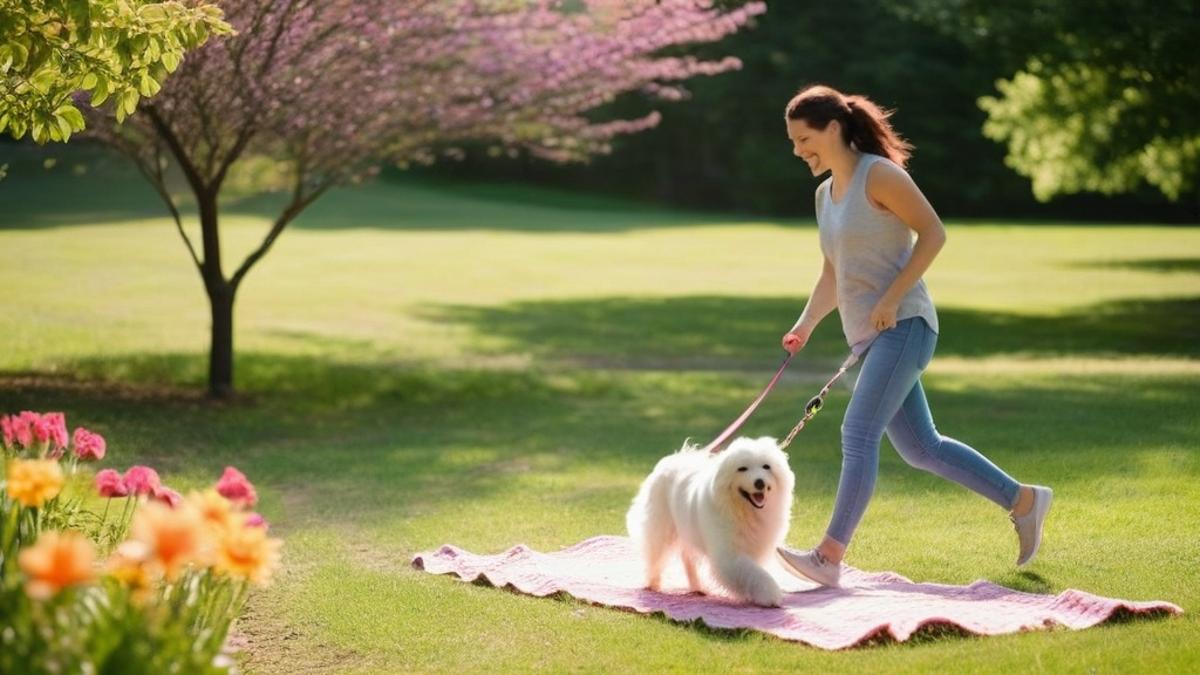
# Hygiene, Grooming, and the Hidden Link to Indoor Activity
Beyond fitness tracking, there’s a dimension many Nigerian pet owners overlook entirely: the direct relationship between movement and hygiene. Dust, dander, and the humidity common across coastal cities like Calabar or Warri create conditions where inactive pets accumulate bacteria faster than those engaged in regular movement.
What makes this connection particularly worth exploring is how quietly it develops. Owners often notice a musty smell or dull coat and assume it’s simply a grooming lapse, when in reality, the root cause frequently traces back to insufficient movement rather than insufficient bathing. This distinction matters because it changes how households approach the problem entirely.
How Activity Levels Affect Skin and Coat Condition
Pets that move frequently naturally redistribute their skin’s oils, reducing matting and the musty odors that often develop in stagnant fur. This is one of the lesser-discussed benefits of indoor exercise for pets, yet veterinarians in Lagos and Ibadan report it consistently during consultations.
A dog confined to a single room for extended periods, for instance, often develops localized skin irritation from lying in one position too long. Cats display similar patterns, with reduced grooming frequency leading to visible coat dullness within just a few weeks. In humid climates such as those found across the Niger Delta, this effect intensifies, since moisture trapped against skin creates an environment where fungal issues can take hold surprisingly fast.
Structured movement counters this by:
- Encouraging pets to shift positions and distribute weight evenly across joints
- Stimulating blood flow that supports faster skin cell turnover
- Reducing prolonged contact with damp bedding, common during Nigeria’s rainy season
- Prompting natural shedding cycles that prevent excessive fur buildup indoors
Integrating Hygiene Checks Into Exercise Routines
Smart pet owners have begun combining indoor activities for pet fitness with quick hygiene inspections. After a play session, when a pet is naturally more relaxed and cooperative, checking paws, ears, and coat becomes far easier than attempting it cold.
This practice, though simple, addresses a genuine gap. Many households in Kano or Enugu report skipping regular grooming checks simply because pets resist handling during idle moments. Post-exercise windows change that dynamic considerably, turning what was once a wrestling match into a manageable few minutes of cooperation.
Consider building this into a weekly rhythm:
- After Monday and Thursday play sessions, inspect paw pads for cracks or embedded debris
- Following weekend walks, check ears for wax buildup or unusual odor, particularly in humid regions
- Post-exercise brushing, done while a pet is calm and slightly tired, reduces resistance and matting
What the Data Suggests About Consistency
Studies referenced by regional veterinary associations suggest pets receiving consistent daily activity show measurably fewer skin infections compared to sedentary counterparts over a six-month observation period. While Nigeria-specific data remains limited, anecdotal trends from urban clinics mirror these findings closely, with several practitioners noting a rise in coat-related complaints during extended rainy seasons when outdoor movement drops sharply.
This reinforces a central point: pet hygiene and fitness aren’t separate concerns requiring different solutions. They’re intertwined outcomes of the same structured approach, one that rewards households willing to commit twenty minutes daily rather than scrambling for solutions once visible problems emerge. For pet owners paying closer attention, this small shift in routine could mean the difference between recurring vet visits and a noticeably healthier, more resilient companion.
Bringing It All Together: A Smarter Approach to Pet Wellness
Across Lagos apartments, Abuja compounds, and homes tucked into the humid corners of the Niger Delta, one truth stands out clearly: Indoor Exercise for Pet Health isn’t a luxury reserved for owners with spacious yards or endless free time. It’s a practical, achievable habit that reshapes how pets look, feel, and function daily.
Throughout this discussion, the evidence points toward a single conclusion. Structured exercise routines for pets do far more than burn energy. They influence skin health, reduce odor-causing bacteria buildup, and create natural opportunities for grooming checks that many households would otherwise skip entirely.
Why This Matters for Nigerian Pet Owners Specifically
Climate plays a bigger role than most realize. Between Calabar’s humidity and the dust common in northern cities like Kano, pets face environmental pressures that demand more than occasional bathing. Consistent movement addresses these pressures at their source rather than masking symptoms after they appear.
Monitoring pet health through exercise also gives owners an early-warning system. A pet suddenly reluctant to play, or one developing unusual odors despite regular grooming, often signals underlying issues worth a vet’s attention before they escalate.
Practical Next Steps
- Commit to short, consistent sessions rather than sporadic bursts of activity
- Pair movement with hygiene checks to save time and reduce pet resistance
- Track patterns over weeks, not days, since coat and skin changes develop gradually
Ultimately, the benefits of indoor exercise for pets extend well beyond fitness metrics. They touch hygiene, emotional wellbeing, and long-term veterinary costs alike. Households willing to treat movement as a daily non-negotiable, rather than an occasional afterthought, will likely notice healthier coats, calmer temperaments, and fewer unexpected clinic visits. For pet owners across Nigeria, that shift in thinking might be the simplest, most cost-effective investment available.
Frequently Asked Questions
Why is indoor exercise for pet health important during Nigeria’s rainy season?
Heavy rains and flooding common in Nigeria’s rainy season often make outdoor walks unsafe or impossible for weeks at a time. Structured indoor exercise for pet health keeps your dog or cat active and prevents weight gain or muscle loss during this period. It also reduces exposure to waterborne parasites and muddy conditions that can cause skin infections.
What simple indoor exercises can I do with my dog in a small Lagos apartment?
In compact spaces typical of Lagos apartments, try tug-of-war, stair climbing, hide-and-seek with treats, or short indoor fetch sessions using soft toys. Puzzle feeders and obstacle courses made from household items like chairs and cushions also provide mental and physical stimulation. Aim for 15-20 minute sessions two to three times daily to keep your pet fit without needing outdoor space.
How can I monitor my pet’s health while doing indoor exercise routines?
Track your pet’s breathing rate, energy levels, and coat condition before and after each session to spot early signs of illness or fatigue. Keep a simple log of weight, appetite, and bathroom habits weekly, since indoor routines make it easier to notice changes quickly. If you notice excessive panting, limping, or reluctance to play, consult a veterinarian in your area promptly.
Does structured indoor exercise help with pet hygiene in humid Nigerian climates?
Yes, regular indoor exercise for pet health improves circulation and metabolism, which supports healthier skin and reduces excessive shedding often worsened by Nigeria’s humidity. Combining exercise with routine grooming, like brushing after play sessions, helps prevent matting and odor caused by sweat and moisture. This structured approach also makes it easier to spot fleas, ticks, or skin irritation early.

Linda Carter
Linda Carter is a writer and pet care expert specializing in pet health, grooming, and wellness. With extensive experience helping pet owners create safe, loving, and enriching environments for their animals, Linda shares her knowledge on our platform. Her goal is to empower readers with practical advice and strategies to ensure their pets thrive and lead joyful, healthy lives.