The Role of Exercise in Pet Hygiene: How Regular Activity Can Enhance Your Cat and Dog’s Well-Being
Why Movement Matters More Than You Think
From the bustling streets of Lagos to the quiet compounds of Enugu, Nigerian pet owners are discovering a surprising truth: exercise in pet hygiene plays a far bigger role than most people realize. A tired, well-exercised dog or cat is often a cleaner, healthier one. This connection often goes unnoticed until owners start paying closer attention to how their pets behave after a good run around the compound or a lazy afternoon indoors.
Many owners focus solely on baths, grooming products, and vet visits. Yet physical activity works quietly in the background, influencing everything from skin condition to digestive health. In fact, veterinarians across major Nigerian cities are increasingly recommending structured exercise routines alongside traditional grooming practices, noting that the two work hand in hand rather than as separate concerns.
The Hidden Connection Between Activity and Cleanliness
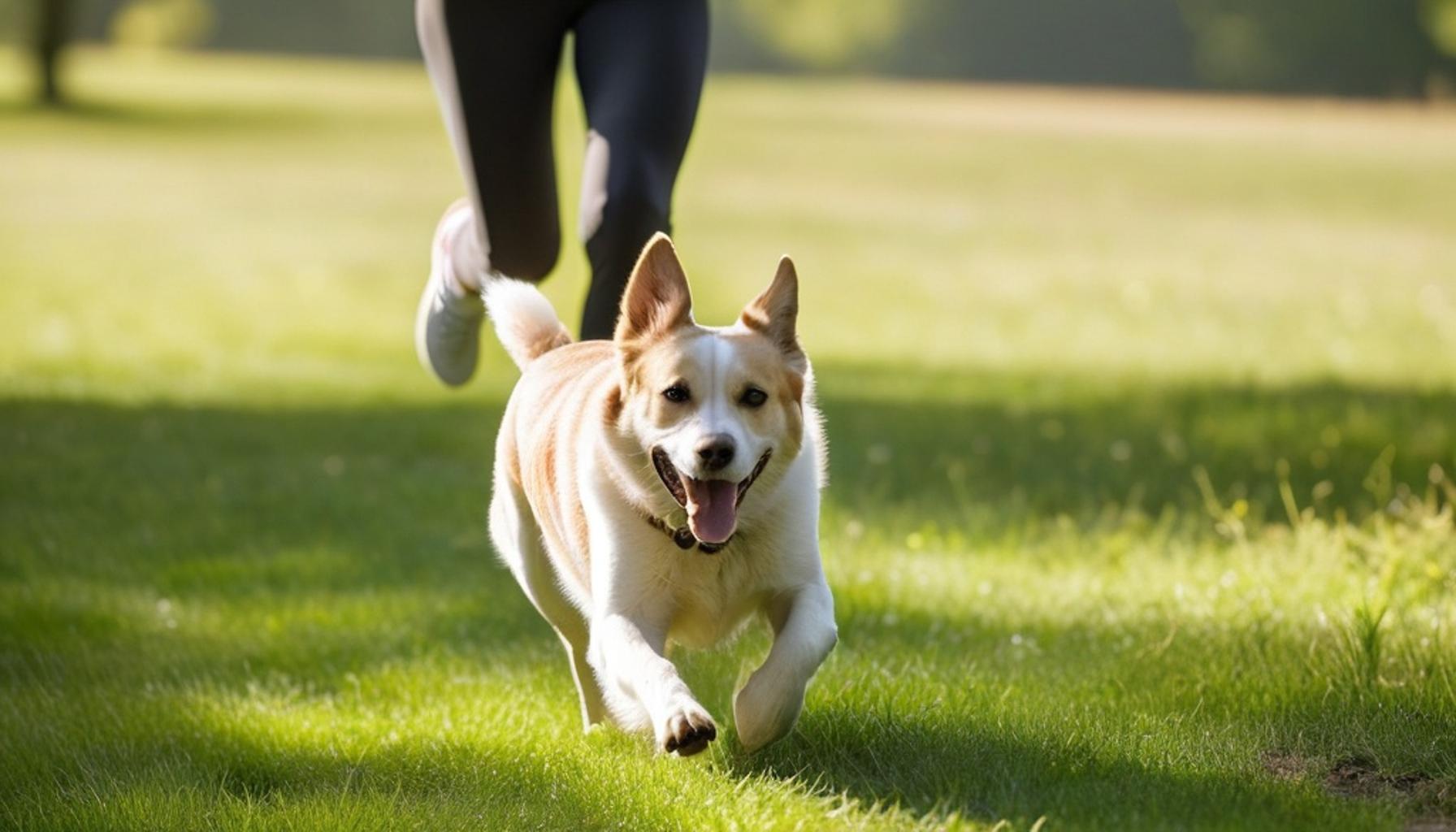
Regular movement helps regulate body temperature, circulation, and even the natural oils that keep fur healthy. When a dog runs, plays, or simply walks briskly through a local park in Abuja, blood flow increases throughout the body, delivering nutrients to the skin and coat more efficiently. This is not just theory; pet owners who maintain consistent exercise schedules often report visibly shinier coats and fewer skin complaints in their animals.
Consider these benefits of exercise for pets:
- Improved coat quality through better blood circulation
- Reduced shedding and matting in long-haired breeds
- Lower stress hormones, which can trigger excessive grooming or licking
- Better digestion, minimizing hygiene issues linked to bowel irregularities
For dogs especially, this means fewer skin infections common in Nigeria’s humid climate, where moisture and heat create ideal conditions for bacteria and fungal growth. A pet that exercises regularly tends to have a more balanced immune response, making it less susceptible to these common tropical ailments. For cats, it translates to more effective self-grooming and less litter box trouble, since active cats typically maintain healthier digestive rhythms and cleaner grooming habits overall.
What This Article Will Explore
This piece dives into practical dog exercise and hygiene routines suited to Nigerian homes and climates, taking into account factors like extreme heat, seasonal rains, and limited outdoor space in urban areas. It also examines cat fitness and well-being, including simple indoor activities for apartment-dwelling felines who may not have access to open compounds or gardens.
Expect actionable outdoor activities for pets, along with essential pet hygiene tips for owners juggling busy schedules between work, family, and daily responsibilities. Whether you own a boisterous Alsatian in Port Harcourt or a calm indoor cat in a Lagos flat, the coming sections will offer insights tailored to your lifestyle. The goal is simple: help your furry companions stay active, clean, and genuinely happy, while giving you practical tools to make hygiene a natural extension of everyday play and movement.
YOU MAY ALSO LIKE: Health Monitoring Through Structured Indoor Exercise: Ensuring Pet Hygiene and Fitness
# How Physical Activity Shapes Skin, Coat, and Overall Cleanliness
The Science Behind Sweat, Skin, and Self-Cleaning
Dogs and cats do not sweat the way humans do, but movement still triggers biological processes that directly affect hygiene. When a dog trots through a compound in Ibadan or a cat chases a toy across a Lagos living room, glands beneath the skin release natural oils that keep fur waterproof and resistant to dirt. Without regular movement, these oils can build up unevenly, leading to that dull, greasy coat many owners mistake for a grooming problem rather than an activity deficit.
This is one of the most overlooked benefits of exercise for pets. Veterinary researchers have long noted that sebaceous gland activity, which controls oil distribution across the skin, responds to circulation levels in the body. More movement means better distribution, and better distribution means a coat that naturally repels dust, mud, and the fine red soil common in many Nigerian neighborhoods during dry season.
Beyond oil distribution, blood flow generated through exercise carries oxygen and nutrients to hair follicles, encouraging stronger, shinier fur growth. This is why working dogs used for herding or guarding duties in rural areas often display healthier coats than their sedentary counterparts, despite spending long hours outdoors exposed to dust and weather changes. Their bodies are simply better equipped to regulate oil production and repel debris through consistent physical exertion.
Cats display a slightly different pattern. Since felines are natural groomers, movement affects them by stimulating the lymphatic system, which helps flush out toxins that would otherwise contribute to skin inflammation. A cat that spends its day leaping onto furniture, stalking imaginary prey, or exploring a securely netted balcony in Abuja is doing more than burning energy; it is actively supporting its own grooming efficiency.
Why Sedentary Pets Face More Hygiene Issues
Pets that spend most of their day indoors or tied up in one spot often develop hygiene complications that go beyond a dirty coat. Reduced circulation slows down the skin’s natural repair process, making pets more prone to irritation, hot spots, and persistent odors that no amount of bathing seems to fix.
Owners dealing with these frustrations often overlook a simple fix: consistent movement. Consider what happens when exercise is missing from a pet’s routine:
- Excess oil buildup that attracts dirt and causes unpleasant smells
- Slower metabolism, which can lead to irregular bowel movements and litter box odor
- Increased anxiety-driven licking, sometimes causing bald patches or skin sores
- Weaker immune defenses, making fungal infections more likely during Nigeria’s rainy season
This pattern is particularly common among apartment-dwelling cats in cities like Port Harcourt, where limited space often means limited movement. A cat confined to a small flat for most of the day may groom excessively out of boredom rather than genuine cleanliness needs, creating hairballs and digestive strain rather than a healthier coat.
Dogs face a parallel struggle, especially breeds kept primarily for security purposes and chained within a single spot for extended hours. Without the chance to roam, their muscles weaken, digestion slows, and skin conditions such as mange become more likely to take hold, particularly when humidity levels rise. Veterinary clinics across southern Nigeria frequently report a spike in skin-related consultations during the rainy months, a trend many practitioners link directly to reduced outdoor activity during heavy downpours.
There is also a psychological dimension worth noting. Pets that lack stimulation often redirect their restlessness into repetitive behaviors, and excessive licking or scratching is among the most common outlets. Over time, this self-inflicted irritation can create wounds that attract bacteria, compounding hygiene problems rather than resolving them.
Understanding this connection is the first step toward better pet hygiene tips for owners who want lasting results rather than temporary fixes from shampoos and wipes alone. The next sections explore exactly how much movement pets need, and which activities deliver the most noticeable hygiene benefits.
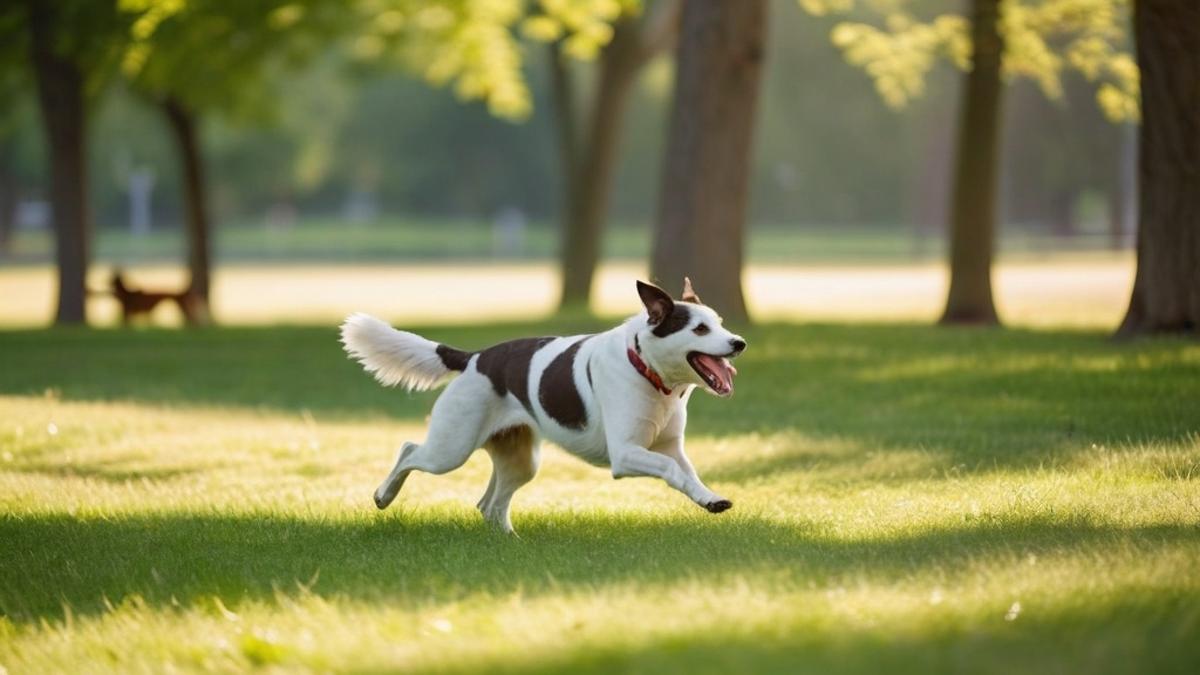
Exercise in Pet Hygiene: Key Aspects and Benefits at a Glance
Before diving deeper, here’s a quick reference table summarizing how exercise in pet hygiene connects physical activity to cleanliness, health, and overall well-being for both cats and dogs.
| Category | Key Benefit |
|---|---|
| Dog Exercise and Hygiene | Daily walks reduce excess shedding, control odor, and minimize matting in fur. |
| Cat Fitness and Well-Being | Active play prevents obesity, supporting easier self-grooming and coat health. |
| Outdoor Activities for Pets | Fresh air exposure boosts circulation, aiding skin and gland function. |
| Pet Hygiene Tips for Owners | Regular movement lowers stress-related overgrooming and litter box avoidance. |
RECOMMENDED: The Importance of Exercise Planning for Behavioral Guidance in Indoor Cats and Dogs
# How Much Movement Your Pet Actually Needs for Optimal Hygiene
Matching Activity Levels to Breed, Age, and Lifestyle
Not every dog or cat requires the same amount of movement to maintain healthy skin and coat condition. A Boerboel guarding a compound in Benin City has vastly different exercise requirements than a Maltese living in a Lekki apartment, yet both depend on regular activity to support their hygiene needs.
Veterinary guidelines generally recommend 30 to 60 minutes of active movement daily for most adult dogs, though working breeds and larger dogs may require considerably more. Cats, being naturally less endurance-driven, benefit from shorter but more frequent bursts of activity, typically totaling 15 to 20 minutes spread across several play sessions throughout the day.
Age plays a significant role in determining appropriate activity levels. Puppies and kittens have boundless energy but immature joints, meaning shorter, more frequent activity sessions serve their hygiene and developmental needs better than prolonged exertion. Senior pets, meanwhile, still require consistent movement, just at a gentler pace, to prevent the circulation slowdown that often triggers skin complications in older animals.
Signs Your Pet Is Not Getting Enough Movement
Many Nigerian pet owners struggle to recognize when their animals are underexercised, often mistaking hygiene symptoms for unrelated health issues. Recognizing these signs early can prevent more serious complications down the line.
- Persistent odor that returns within days of bathing
- Flaky or oily patches along the back and hindquarters
- Reluctance to move combined with weight gain
- Matting in longer-haired breeds despite regular brushing
- Unusual restlessness at night, often linked to pent-up energy
These indicators frequently point back to insufficient outdoor activities for pets rather than genuine grooming neglect. A dog that receives adequate exercise typically self-regulates its oil production far more effectively than one confined indoors for extended stretches.
Practical Ways to Incorporate Exercise Into Daily Routines
Nigerian households often juggle demanding schedules, making structured exercise routines feel unrealistic. Fortunately, boosting activity does not require elaborate equipment or dedicated time blocks.
Simple adjustments can make a measurable difference. Walking dogs during the cooler morning hours before Lagos traffic builds, or allowing cats supervised access to a balcony for climbing and stretching, introduces meaningful movement without disrupting daily routines. Interactive toys, feather wands, and even chasing a ball down a corridor contribute to cat fitness and well-being in ways that support natural grooming behavior.
For dogs, incorporating fetch sessions in open compounds, structured walks around the neighborhood, or supervised interaction with other pets encourages both physical exertion and mental stimulation. This combination directly strengthens the link between dog exercise and hygiene, since mentally satisfied dogs are less prone to anxiety-driven licking that damages skin integrity.
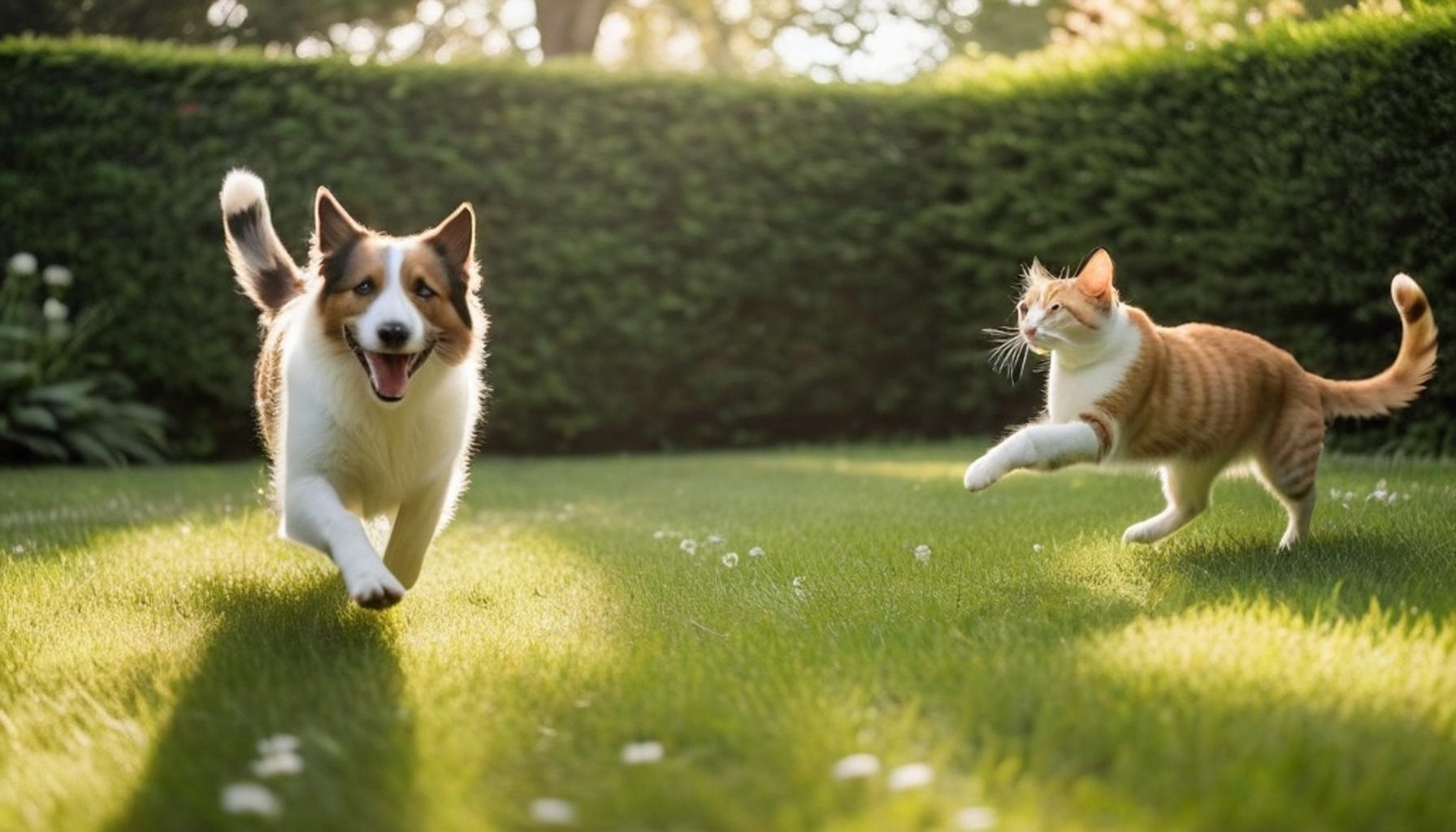
Multi-pet households can also leverage natural play dynamics. Two dogs chasing each other around a yard in Enugu often achieve better exercise outcomes than a solitary dog walked briefly once a day, since social play tends to sustain energy expenditure over longer periods.
Tracking activity through simple observation, rather than expensive gadgets, remains one of the most accessible pet hygiene tips for owners looking to establish sustainable routines. Noting coat condition weekly, alongside energy levels and appetite, provides a reliable indicator of whether current activity levels are truly supporting hygiene from the inside out.
Bringing It All Together: Exercise as the Foundation of Pet Hygiene
The connection between movement and cleanliness runs deeper than most Nigerian pet owners realize. Throughout this discussion, one truth stands out clearly: exercise in pet hygiene is not a supplementary consideration but a foundational requirement for maintaining healthy skin, manageable coats, and balanced behavior in both cats and dogs.
From the compound-guarding Boerboel in Benin City to the apartment-bound cat in Lekki, every pet benefits when physical activity becomes a consistent part of daily life. The benefits of exercise for pets extend far beyond weight management, influencing circulation, oil gland regulation, and even the emotional stability that prevents destructive grooming habits.
Veterinary practitioners across Nigeria increasingly point to a pattern worth noting: animals with irregular movement routines often develop skin conditions that owners mistake for allergies or infections. A dog left indoors for days without a proper walk may begin excessive licking or scratching, not because of fleas or fungal infection, but because pent-up energy manifests physically. Similarly, cats denied vertical climbing space or playtime can develop overgrooming habits that lead to bald patches. Understanding this link changes how owners approach even basic decisions, such as choosing between a quick five-minute compound walk versus a proper twenty-minute stroll through the neighborhood.
Final Thoughts for Nigerian Pet Owners
Rather than viewing grooming and physical activity as separate responsibilities, owners should recognize them as interconnected systems working toward the same goal. A structured approach to dog exercise and hygiene, paired with attentive observation of cat fitness and well-being, creates a sustainable routine that reduces veterinary visits and grooming costs over time.
Practical steps matter more than perfection. Consider these takeaways moving forward:
- Prioritize daily outdoor activities for pets, even in short, consistent bursts
- Watch for early warning signs like odor, matting, or restlessness
- Adjust routines based on breed, age, and individual energy levels
- Incorporate simple household items, such as ropes or balls, when outdoor space is limited
- Keep a loose schedule rather than a rigid one, allowing flexibility for weather or work commitments
Ultimately, the simplest pet hygiene tips for owners often involve nothing more than a leash, an open compound, or a feather toy. These low-cost tools, already familiar to many Nigerian households, carry more influence over an animal’s long-term health than expensive shampoos or frequent grooming appointments ever could. As more households across Lagos, Abuja, and beyond embrace this connection, pets stand to enjoy longer, healthier, and noticeably cleaner lives, while owners save both time and money in the process.
Frequently Asked Questions
How does regular exercise improve pet hygiene for dogs and cats in Nigeria?
Exercise in pet hygiene helps regulate digestion and reduces excessive shedding, which means less loose fur and dander around your home. Active pets also groom themselves more efficiently and sweat out toxins through paw pads, keeping their skin and coat healthier despite Nigeria’s humid climate. Regular walks or play sessions also reduce matting in longer-haired breeds common in local households.
What type of exercise is best for keeping a dog’s coat clean in Nigeria’s hot weather?
Morning or evening walks, when temperatures are cooler, are ideal since midday heat in most Nigerian cities can cause overheating and excess sweating that traps dirt in the coat. Swimming, where accessible, is excellent because it naturally cleans the coat while providing low-impact exercise. Always brush your dog after outdoor activity to remove dust, sand, or grass that sticks to damp fur.
Can lack of exercise cause skin problems or bad odor in cats?
Yes, inactive cats often develop matted fur, especially around the belly and hindquarters, because they groom less when lethargic or overweight. This can trap dirt, moisture, and bacteria, leading to unpleasant odors and skin irritation over time. Encouraging play with toys or climbing structures indoors helps maintain both muscle tone and proper self-grooming habits.
How often should I exercise my pet to support good hygiene practices at home?
Dogs generally need at least 30 minutes to an hour of exercise daily, split into walks or play sessions, while cats benefit from 15 to 20 minutes of interactive play. Consistent activity prevents excess weight gain, which is a major factor behind hygiene issues like skin fold infections and difficulty self-cleaning. Adjust intensity based on your pet’s breed, age, and Nigeria’s seasonal weather changes.
Does exercising my pet outdoors in Nigeria increase the risk of ticks, fleas, or dirt-related infections?
Outdoor exercise can expose pets to ticks, fleas, and mud, especially in grassy or bushy areas common in many Nigerian neighborhoods, but this risk is manageable with proper precautions. Use vet-recommended flea and tick preventives before outdoor activity and inspect your pet’s coat, ears, and paws afterward. Bathing and brushing post-exercise further reduces the chance of parasites or dirt causing skin infections.

Linda Carter
Linda Carter is a writer and pet care expert specializing in pet health, grooming, and wellness. With extensive experience helping pet owners create safe, loving, and enriching environments for their animals, Linda shares her knowledge on our platform. Her goal is to empower readers with practical advice and strategies to ensure their pets thrive and lead joyful, healthy lives.