Creating an Effective Indoor Exercise Plan for Your Pets: Balancing Feeding Routines and Activity Levels
Why Indoor Pet Wellness Deserves Your Attention
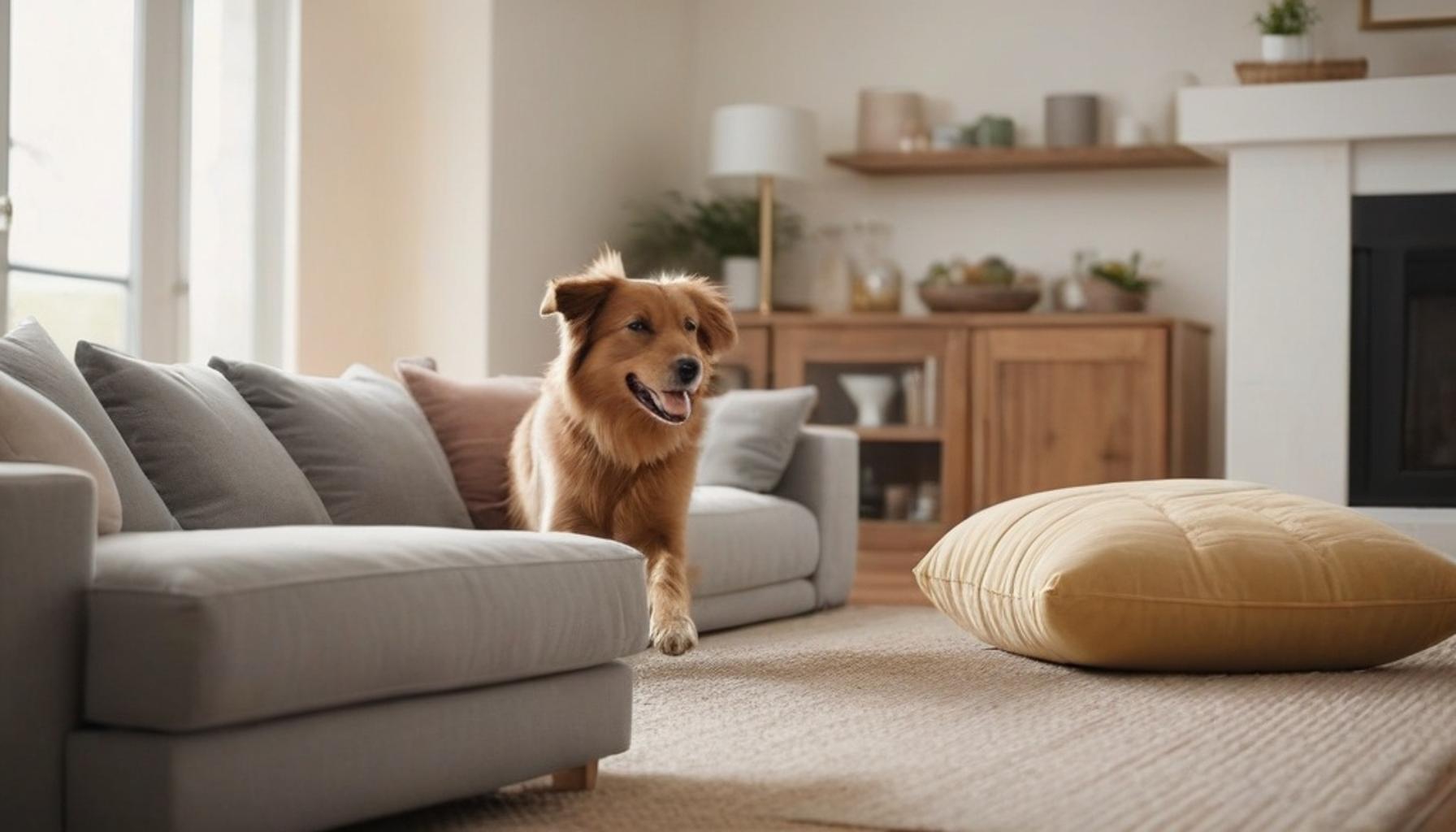
Lagos traffic, unpredictable rains, and the scorching harmattan dust often keep Nigerian pet owners indoors for days at a stretch. Yet dogs and cats still need movement to stay healthy. This is where a well-structured Indoor Exercise Plan for Pets becomes essential, especially in cities like Abuja, Port Harcourt, and Ibadan where outdoor space is shrinking and security concerns often limit free roaming time.
Many pet parents underestimate how quickly inactivity affects their furry companions. Studies show that pets confined indoors without structured movement are at higher risk of obesity, joint stiffness, and behavioral issues such as excessive barking, destructive chewing, or unusual aggression. A bored cat trapped in a two-bedroom flat for weeks can develop the same restlessness as a dog left without a walk for days.
The Missing Link: Feeding and Activity Balance
Most guides talk about pet feeding routines or activity levels for pets separately. Rarely do they show how these two elements must work together to avoid weight gain or nutrient imbalance. A pet that eats generously but moves minimally is essentially storing up trouble, much like a human who overeats while glued to a chair all day.
Consider these common scenarios Nigerian pet owners face:
- Feeding a dog twice daily but allowing zero structured playtime
- Cats eating premium kibble yet spending 20+ hours sleeping indoors
- Puppies fed high-calorie diets without matching indoor pet exercises
- Senior pets given the same portion sizes as their younger, more active years
This is a nutrition and health puzzle. Getting the timing, portion sizes, and movement routines right can determine whether your pet thrives or struggles with weight-related problems, including diabetes and heart strain that veterinarians in Nigeria are increasingly diagnosing in urban pets.
What This Article Will Uncover
This piece breaks down practical, easy-to-follow steps for creating a routine that supports both pet health and wellness and daily energy needs. You will discover exercise tips for pets tailored to small apartments, busy schedules, and Nigeria’s climate realities, including how to work around blackout hours and midday heat.
Expect real examples, feeding schedules, and simple indoor activities that require little to no equipment, from staircase sprints to hide-and-seek games with treats. Your pet’s next active, healthy year starts with the right plan, and the details ahead might just change how you view your daily routine with your furry companion.
CHECK OUT: Creating an Effective Indoor Exercise Plan for Your Pets: Balancing Feeding Routines and Activity
Understanding Your Pet’s Actual Movement Needs
Before drawing up any routine, it helps to know what “enough movement” actually means. A medium-sized dog typically needs between 30 to 60 minutes of physical activity daily, while indoor cats require shorter, more frequent bursts of play, sometimes just 10 to 15 minutes, three to four times a day.
These numbers shift based on breed, age, and health status. A Nigerian-bred Alsatian guarding a Lekki compound has different needs from a Shih Tzu curled up in a Wuse apartment. Ignoring these differences is where many pet feeding routines go wrong from the start.
What many owners fail to realize is that movement and feeding are deeply connected. A pet that burns fewer calories than it consumes will inevitably gain weight, regardless of how carefully the diet portions are measured. This is why understanding exercise needs cannot be separated from any conversation about nutrition or routine building.
Breed and Age Matter More Than You Think
Not every dog or cat fits neatly into a generic exercise chart. Working breeds like Boerboels and German Shepherds, common in many Nigerian homes for security purposes, often carry higher energy reserves that demand structured outlets. Without them, that energy turns into chewed furniture or nonstop barking at every gate sound.
Smaller or older pets tell a different story. A twelve-year-old cat or an aging Lhasa Apso cannot handle the same drills as a six-month-old puppy. Their joints, metabolism, and stamina have all shifted, and an effective Indoor Exercise Plan for Pets must account for that shift.
Here is a simple breakdown many Nigerian vets recommend when assessing activity levels for pets:
- Puppies and kittens (under 1 year): Short, frequent play sessions, 5-10 minutes, multiple times daily
- Adult dogs and cats (1-7 years): 30-60 minutes of combined activity daily, split into two or three sessions
- Senior pets (7+ years): Gentle, low-impact movement, 15-20 minutes daily, with attention to joint comfort
- High-energy working breeds: Additional mental stimulation through puzzle feeders or scent games
Beyond age and breed, climate plays a surprisingly large role too. Pets in northern states like Kano often need shaded, early morning exercise windows to avoid heat exhaustion, while those in humid southern regions such as Calabar may tire faster during midday sessions.
Why Guesswork Fails Pet Owners
Many households simply eyeball how much play their pet needs, and this guesswork often backfires. A dog fed twice daily with zero structured movement can gain noticeable weight within a few months, particularly in humid coastal cities like Port Harcourt where lethargy sets in faster.
Tracking behavior offers better clues than assumptions. Pets pacing restlessly, scratching excessively, or sleeping far beyond normal hours are often signaling that their current routine, both feeding and physical, needs urgent adjustment.
Some owners have started keeping simple activity logs, noting playtime duration and energy levels after each session. This small habit, though often overlooked, can reveal patterns that generic advice simply cannot capture, making it easier to fine-tune both feeding portions and daily movement over time.
YOU MAY ALSO LIKE: Integrating Feeding Routines into Your Indoor Pet Exercise Plan for Optimal Health
# Creating an Effective Indoor Exercise Plan for Your Pets: Balancing Feeding Routines and Activity Levels
Designing Indoor Pet Exercises That Actually Work
Space constraints in many Nigerian homes, particularly apartments in Lagos and Abuja, often discourage owners from attempting structured movement indoors. Yet a well-designed Indoor Exercise Plan for Pets requires far less space than most people assume.
A hallway stretch of just three to four meters is enough for fetch games with soft toys. Staircases, common in duplexes across Ikoyi and Asokoro, double as excellent cardio tools for dogs when supervised properly.
Cats respond exceptionally well to vertical space. Installing wall shelves or repurposing sturdy furniture as climbing points taps into natural feline instincts, satisfying activity levels for pets that ground-level play alone cannot address.
Practical Indoor Activities Worth Trying
Certain exercises consistently produce results across breeds and living situations. These require minimal equipment, something particularly useful given that imported pet gear can be expensive or hard to source locally.
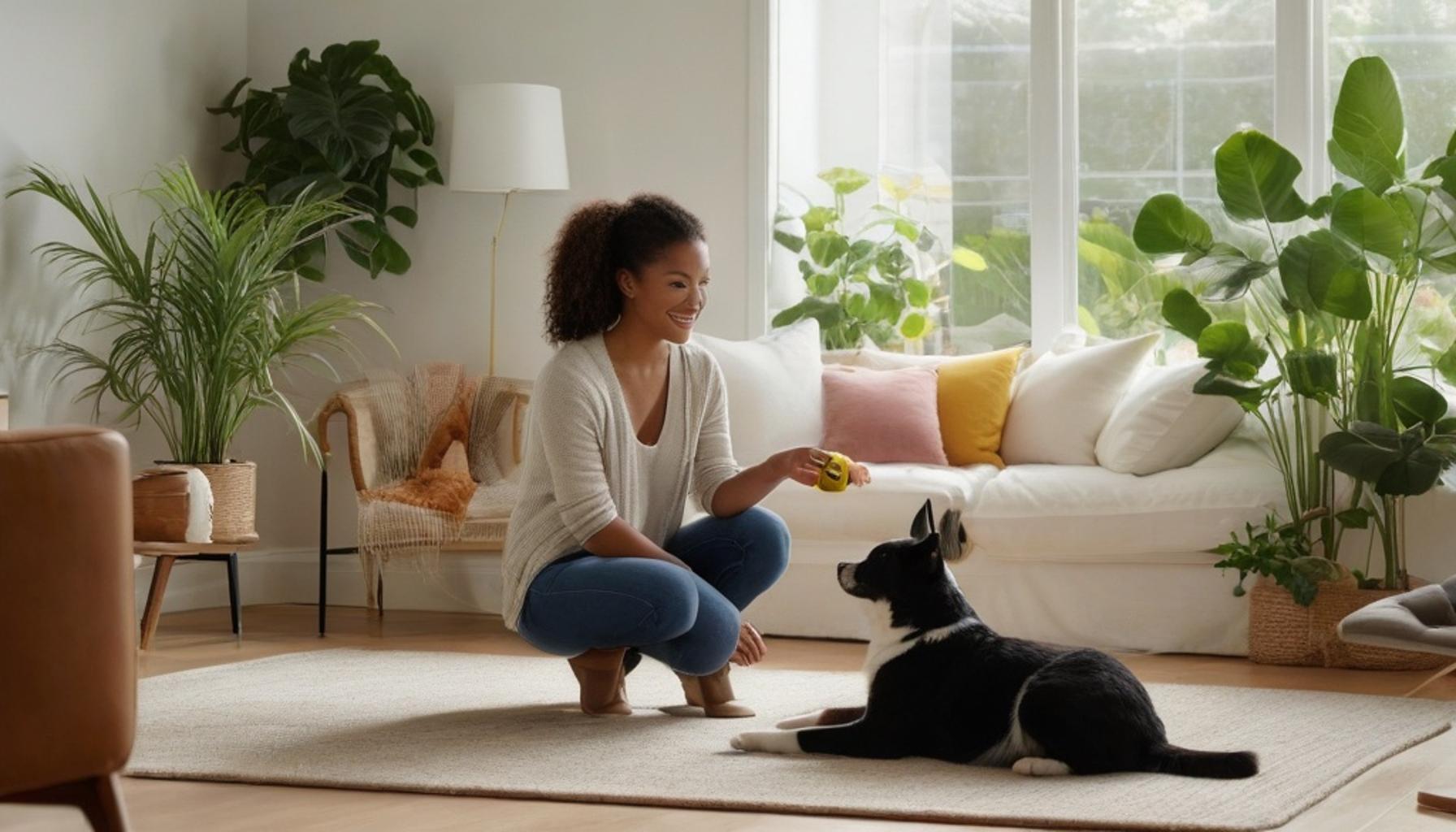
- Tug-of-war with rope toys, ideal for medium to large dogs needing muscle engagement
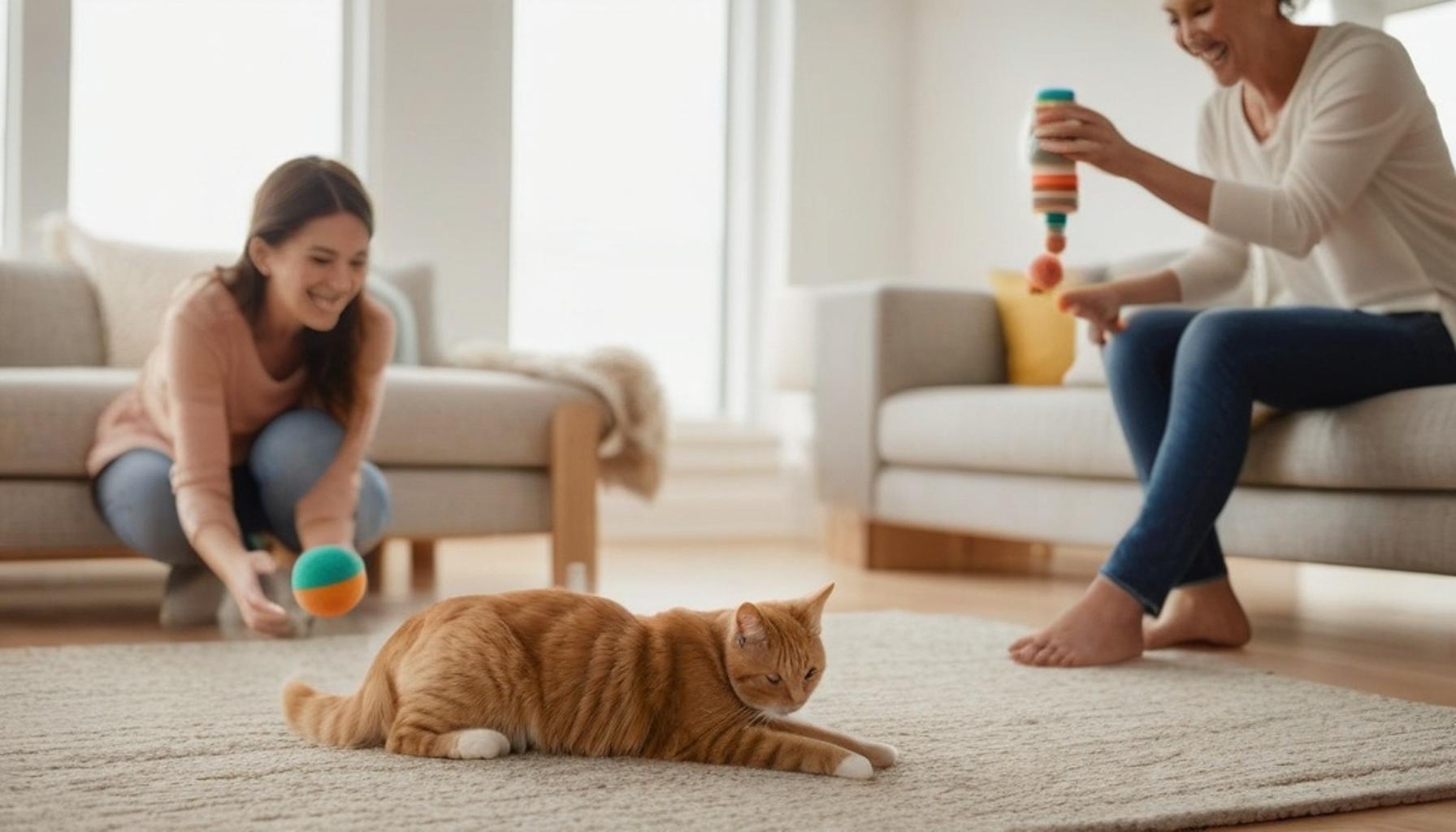
- Laser pointer chases for cats, burning energy without furniture damage
- Hide-and-seek treat games, combining mental stimulation with light movement
- Puzzle feeders replacing regular bowls, slowing down fast eaters while adding exercise value
- Short indoor agility setups using household items like cushions or low stools
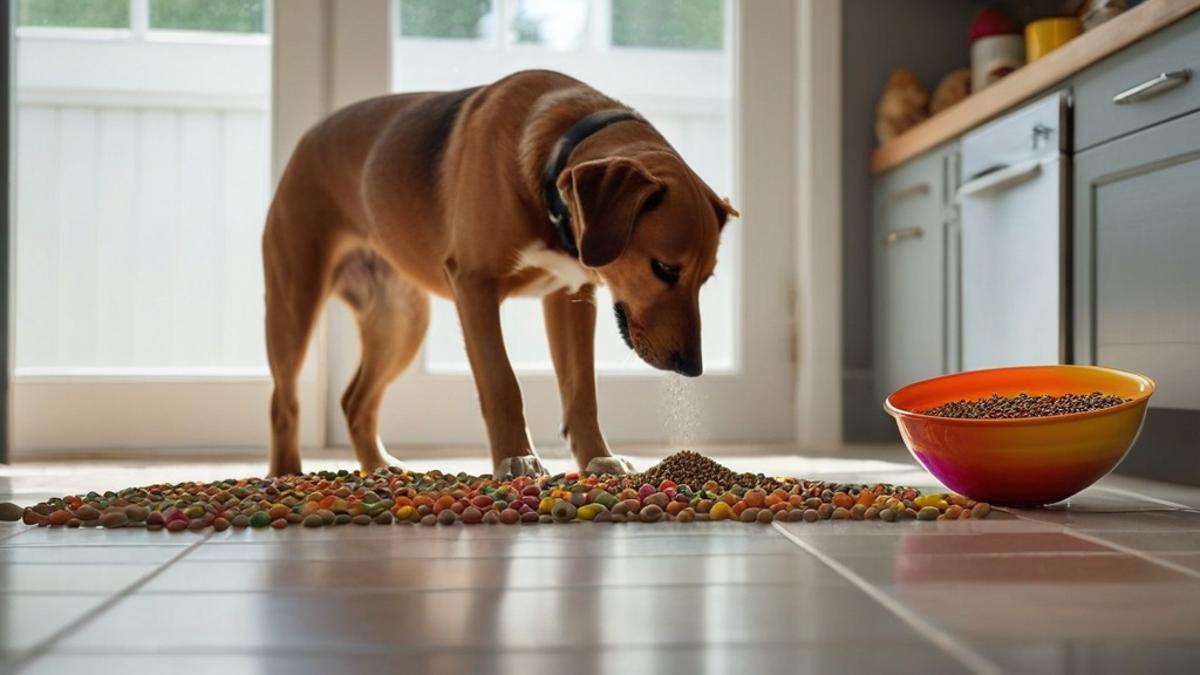
Puzzle feeders deserve special mention here. Beyond entertainment, they directly influence pet feeding routines by extending mealtime duration, which research suggests can reduce overeating tendencies by encouraging slower consumption.
Timing Activity Around Meals
Few owners realize that when exercise happens matters almost as much as how much occurs. Vigorous play immediately after feeding can cause discomfort or bloating, particularly in deep-chested breeds like Boerboels and Rottweilers.
Veterinary guidance generally recommends waiting at least one hour after meals before intense activity. Light movement, however, such as gentle walking around a compound in Enugu or a quiet stroll within an Abuja estate, remains safe shortly after eating.
Morning exercise before breakfast often yields the best appetite regulation. Pets who move first tend to eat with better digestion, according to several Nigerian veterinary clinics tracking feeding behavior patterns.
This timing strategy becomes especially relevant for households juggling multiple pets with different schedules, a common scenario in extended Nigerian families where dogs and cats often share compound space.
Signs Your Routine Needs Adjustment
Weight gain isn’t always obvious immediately. Checking rib visibility through light touch, without visible pressing, offers a quick home assessment method many Nigerian pet owners overlook.
Excessive panting after mild activity, reluctance to climb stairs, or noticeable lethargy during previously enjoyed play sessions all signal that current pet health and wellness balance requires reassessment.
These simple exercise tips for pets often prevent costly veterinary interventions down the line, particularly obesity-related conditions that remain frustratingly common among indoor pets across Nigerian urban centers.
RECOMMENDED: Health Monitoring Through Structured Indoor Exercise: Ensuring Pet Hygiene and Fitness
Bringing It All Together for Healthier Pets
Building a sustainable Indoor Exercise Plan for Pets isn’t about elaborate equipment or sprawling compounds. It’s about consistency, observation, and adapting routines to fit real Nigerian living spaces, whether that’s a one-bedroom flat in Yaba or a family duplex in Enugu.
Throughout this discussion, one theme stands out clearly: movement and mealtime cannot be treated as separate concerns. Pet feeding routines influence energy levels, digestion, and even behavior, while structured play shapes appetite and long-term weight management.
Key Takeaways for Nigerian Pet Owners
Small, deliberate changes often produce the biggest results. Consider these final points before adjusting your household routine:
- Match indoor activities to available space rather than waiting for a bigger home
- Respect timing between meals and vigorous play, especially for larger breeds
- Use puzzle feeders and treat games to combine mental and physical stimulation
- Monitor activity levels for pets regularly, not just when weight gain becomes obvious
- Adjust routines seasonally, since Nigeria’s heat and rainy periods affect energy and appetite differently
Veterinary professionals across Lagos, Abuja, and Port Harcourt continue reporting rising cases of preventable obesity among indoor pets. Many of these cases trace back to mismatched feeding and exercise schedules rather than genetics or breed predisposition.
This makes proactive planning far more valuable than reactive treatment. A thoughtful approach to indoor pet exercises costs little beyond attention and consistency, yet delivers measurable improvements in mood, digestion, and long-term vitality.
Ultimately, pet health and wellness depends less on perfect conditions and more on informed daily choices. Applying even a few of these exercise tips for pets can transform how your dog or cat experiences indoor life, regardless of apartment size or Nigeria’s unpredictable weather patterns.
Frequently Asked Questions
How can I create an Indoor Exercise Plan for Pets during Nigeria’s rainy season when outdoor walks are limited?
Use hallways, staircases, or living rooms for short bursts of fetch, tug-of-war, or agility drills using household items like chairs and cushions. Aim for two to three 15-minute sessions daily to keep energy levels balanced despite the weather. This keeps your pet active without needing to step outside during heavy downpours.
What is the best time to feed my dog or cat in relation to indoor exercise sessions?
Feed your pet at least 30 to 60 minutes after exercise to allow their body to cool down and reduce the risk of bloating or vomiting. If you must exercise after feeding, wait at least two hours to let digestion settle. This timing is especially important for larger breeds prone to stomach issues.
How much indoor exercise does an average pet need daily in a Lagos apartment setting?
Most dogs need at least 30 to 60 minutes of activity daily, while cats typically thrive with 15 to 20 minutes of interactive play spread across two sessions. In small Lagos apartments, use vertical space like cat trees or stair-climbing games to maximize limited square footage. Adjust based on breed, age, and health status for best results.
Can indoor exercise alone keep my pet at a healthy weight without changing its feeding routine?
Exercise alone rarely offsets poor feeding habits, so pairing an Indoor Exercise Plan for Pets with portion control is essential for weight management. Measure meals using a standard cup and avoid excessive treats, especially local snacks high in fat or salt. Combining both strategies gives more consistent, sustainable results than exercise alone.
What indoor exercises work well for pets with limited mobility or older age?
Gentle activities like slow-paced fetch, puzzle feeders, or short supervised stair climbs help maintain mobility without straining joints. Swimming isn’t always accessible in Nigerian homes, so low-impact games using soft balls or treat-dispensing toys are great alternatives. Always monitor for signs of fatigue and consult a vet before starting a new routine for senior pets.
How do I know if my pet’s indoor exercise plan is working alongside its feeding schedule?
Track your pet’s weight monthly and check for a visible waist and easily felt ribs without excess fat covering them. Watch behavior too; a well-balanced pet should show steady energy, healthy appetite, and minimal restlessness or lethargy. If you notice weight gain or unusual fatigue, adjust either the exercise intensity or feeding portions accordingly.

Linda Carter
Linda Carter is a writer and pet care expert specializing in pet health, grooming, and wellness. With extensive experience helping pet owners create safe, loving, and enriching environments for their animals, Linda shares her knowledge on our platform. Her goal is to empower readers with practical advice and strategies to ensure their pets thrive and lead joyful, healthy lives.