The Importance of Hygiene and Exercise in Pet Health: A Practical Guide
Why Every Nigerian Pet Owner Should Pay Attention
From bustling Lagos apartments to quiet compounds in Enugu, more Nigerian households are welcoming dogs, cats, and other companions into their families. Pet ownership has grown significantly over the past decade, with estimates suggesting thousands of new pet owners emerge yearly across cities like Abuja, Port Harcourt, and Kano. But owning a pet goes beyond feeding and cuddling. Pet health hygiene and exercise are the twin pillars that determine whether your furry friend thrives or merely survives.
Veterinary data suggests that pets receiving consistent grooming and daily activity live longer, healthier lives with fewer chronic illnesses. Studies from animal health organizations indicate that pets exercised regularly show reduced risks of obesity, joint problems, and heart disease. Yet many owners overlook these basics, focusing only on food and shelter, unaware that Nigeria’s tropical climate creates unique challenges requiring extra vigilance.
What This Guide Will Uncover
This practical guide breaks down the importance of pet hygiene and physical activity into actionable steps. You’ll discover why neglecting these areas can lead to costly vet bills and preventable suffering. In a country where veterinary services can be expensive or scarce in rural areas, prevention becomes far more valuable than cure.
- Simple hygiene practices for pets that fit into a busy Nigerian lifestyle, including quick bathing routines suited for harmattan dust and rainy season mud
- Affordable exercise for pets ideas using local spaces and resources, such as neighborhood compounds, community parks, and early morning walks before Lagos traffic builds up
- Warning signs that indicate your pet needs immediate attention, from unusual scratching to lethargy that could signal tick infestations common in warmer months
- Essential pet health tips tailored to Nigeria’s climate and environment, addressing humidity-related skin conditions and mosquito-borne illnesses that affect both pets and owners
Whether you’re raising a street-smart mongrel from Ajegunle or a pampered pedigree in a Victoria Island penthouse, the benefits of exercise for pets and proper cleanliness routines cannot be ignored. Consider this: a dog left indoors without adequate movement can develop destructive behaviors, while irregular grooming in Nigeria’s dusty dry season often leads to skin infections that veterinarians see repeatedly in their clinics.
Local markets like Yaba and online platforms now offer affordable grooming tools and pet-friendly products, making it easier than ever to maintain healthy routines without breaking the bank. Some Nigerian pet owners have even started forming informal walking groups in estates across Lekki and Gwarinpa, turning exercise time into community bonding moments.
Ready to transform how you care for your companion? The information ahead reveals practical, budget-conscious strategies that any Nigerian household can implement, regardless of location or income level.
CHECK OUT: The Relationship between Hygiene, Feeding Routines, and Health Monitoring of Pets
# Building a Foundation: Understanding Grooming Basics for Nigerian Pets
Every successful hygiene routine starts with grooming, yet this remains one of the most misunderstood aspects of pet health hygiene and exercise among Nigerian households. Grooming isn’t merely about appearance—it’s a frontline defense against parasites, infections, and skin conditions that thrive in tropical environments.
Nigeria’s dual climate seasons create distinct challenges. During harmattan, dust accumulates in fur and paws, causing dryness and irritation. When rainy season arrives, mud and moisture become breeding grounds for fungal infections and bacteria. Understanding this seasonal shift is central to any effective grooming strategy, and many pet owners only realize its importance after their animal develops a preventable condition.
What makes this topic particularly pressing is how quickly small oversights escalate. A pet left unbathed during a humid Lagos week can develop a skin infection within days, while a dog roaming dusty Kano compounds during harmattan may suffer cracked paw pads that go unnoticed until limping begins. These are not rare occurrences—they are patterns veterinary clinics see repeatedly across seasons.
Core Hygiene Practices for Pets That Actually Work
Veterinarians across Lagos and Ibadan consistently recommend a structured approach rather than sporadic cleaning. The importance of pet hygiene lies in consistency, not perfection.
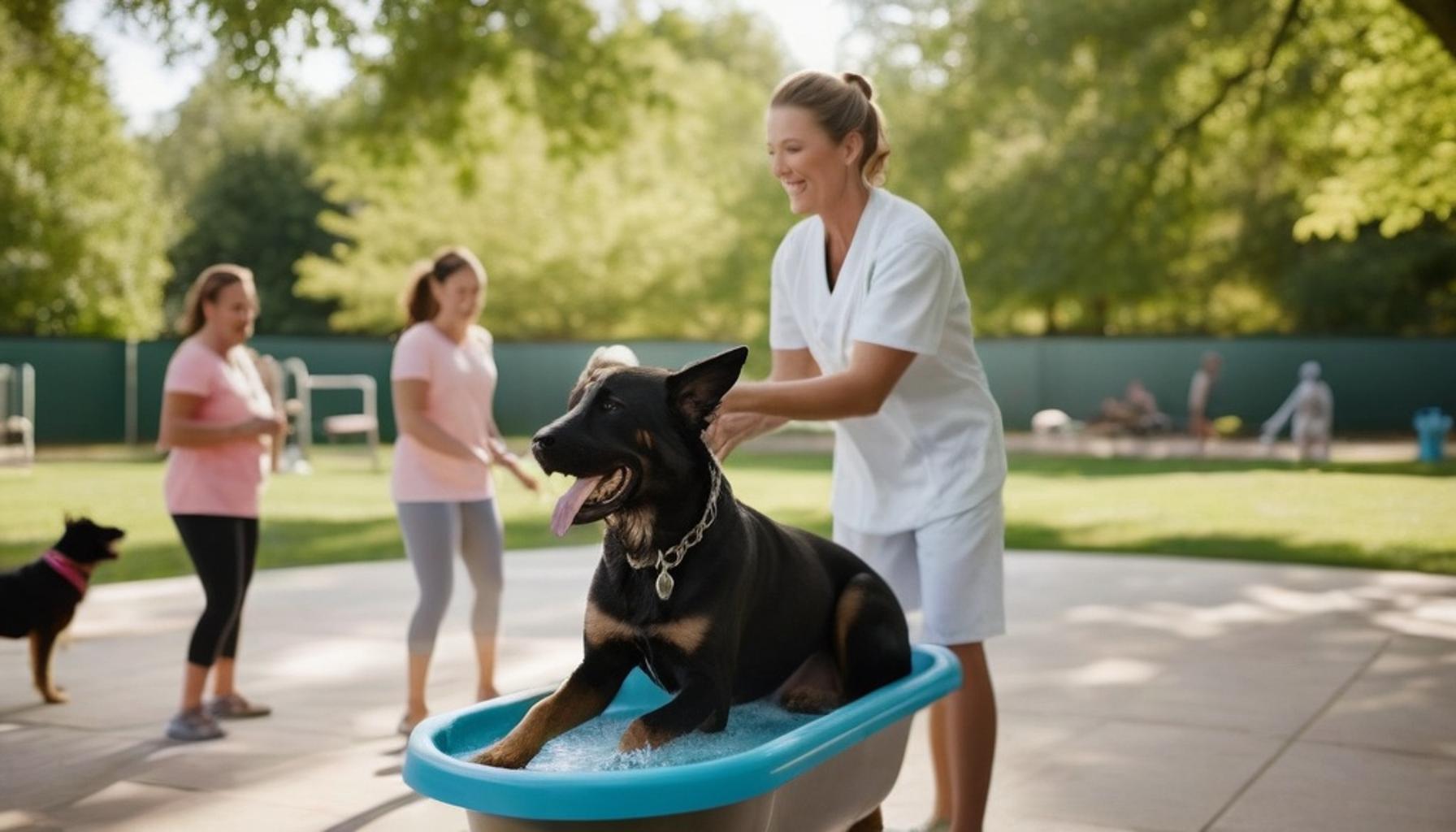
- Weekly bathing schedules using mild, pet-specific shampoo—avoid regular bar soap, which strips natural oils and worsens dry skin common during harmattan months
- Daily coat brushing for medium to long-haired breeds, reducing shedding and preventing matting that traps moisture and bacteria
- Ear and eye checks twice weekly, particularly important for dogs that roam compounds where dust and debris collect easily
- Nail trimming every three to four weeks, preventing overgrowth that affects walking posture and can lead to joint strain over time
- Dental care routines using pet-safe toothpaste, addressing an often-ignored area that veterinarians link to broader health complications
Skipping these steps doesn’t just affect appearance. Untreated matting can trap moisture against the skin, creating ideal conditions for fungal growth—a common complaint veterinary clinics in Port Harcourt report during rainy months. Some owners assume grooming is a luxury reserved for pedigree breeds, but local mixed-breed dogs and cats benefit just as significantly from these routines, regardless of their market value or origin.
Interestingly, grooming frequency should adjust based on breed and lifestyle. A compound guard dog that spends most of its day outdoors will require more frequent attention than an indoor cat, simply because exposure to dirt, insects, and moisture differs drastically between the two.
Why Skin and Coat Health Signals Bigger Issues
A pet’s coat often reflects internal health status. Dull fur, excessive shedding, or persistent scratching frequently indicate nutritional deficiencies, parasite infestations, or allergic reactions rather than simple dirt accumulation. Owners who dismiss these signs as normal often find themselves facing more complicated diagnoses months later.
Nigerian veterinary reports have noted rising cases of tick and flea infestations, particularly in pets that spend significant time outdoors in Abuja’s warmer suburbs and coastal humidity zones near Calabar. Regular grooming sessions double as inspection opportunities, allowing owners to catch these issues before they escalate into costly treatments.
There is also a behavioral dimension worth noting. Pets subjected to consistent, gentle grooming routines tend to display calmer temperaments during veterinary visits, since they become accustomed to handling. This reduces stress for both the animal and the owner, making future health checks considerably smoother.
Investing fifteen minutes daily in grooming routines costs far less than emergency veterinary visits for advanced skin infections or parasite-related illnesses. This preventive mindset forms the backbone of responsible pet ownership across income levels, from budget-conscious households to those with greater resources for premium pet care products. Ultimately, grooming should be viewed not as an occasional chore, but as an ongoing investment in a pet’s long-term wellbeing.

LEARN MORE: How to Plan Exercises to Promote the Health and Well-Being of Dogs and Cats at Home
How Urban Sprawl Is Rewriting the Rules of Pet Movement
While grooming addresses the surface, exercise for pets tackles what happens beneath it. Nigerian pet owners frequently underestimate how physical activity influences everything from digestion to mental stability, treating walks and playtime as optional rather than essential components of pet health hygiene and exercise.
Urban living across cities like Lagos, Abuja, and Port Harcourt has quietly reshaped how pets move—or fail to. Apartment-bound dogs once accustomed to sprawling compound spaces now spend hours confined indoors, while cats in high-rise flats rarely encounter the stimulation that outdoor environments naturally provide. This shift carries consequences veterinarians are increasingly vocal about, particularly as more Nigerian families transition from traditional bungalows with open yards to smaller flats and gated estates where movement space shrinks considerably.
Traffic congestion in cities like Lagos has also altered walking routines, with many owners citing unsafe roads or lack of pedestrian-friendly pathways as reasons for skipping daily walks altogether. This convenience-driven neglect, though understandable, contributes directly to a growing pattern of sedentary pets across urban Nigeria.
The Physical Toll of Inactivity
Obesity in pets has climbed noticeably in Nigerian veterinary caseloads, particularly among dogs fed table scraps and left largely sedentary. Excess weight strains joints, elevates diabetes risk, and shortens lifespan—patterns mirroring what happens in humans with comparable lifestyles. Some clinics in Lagos report that nearly one in three dogs presented for routine checkups shows early signs of weight-related joint stress, a figure that surprises many owners who assume their pets simply have a “solid build.”
Breeds like Rottweilers and German Shepherds, popular choices for compound security across Nigerian homes, require substantial daily movement to avoid muscle atrophy and joint stiffness. Meanwhile, smaller breeds and cats need shorter but more frequent activity bursts, since their energy expenditure patterns differ considerably from larger animals. Local breeds, often dismissed as low-maintenance, also benefit tremendously from structured movement despite their reputation for hardiness.
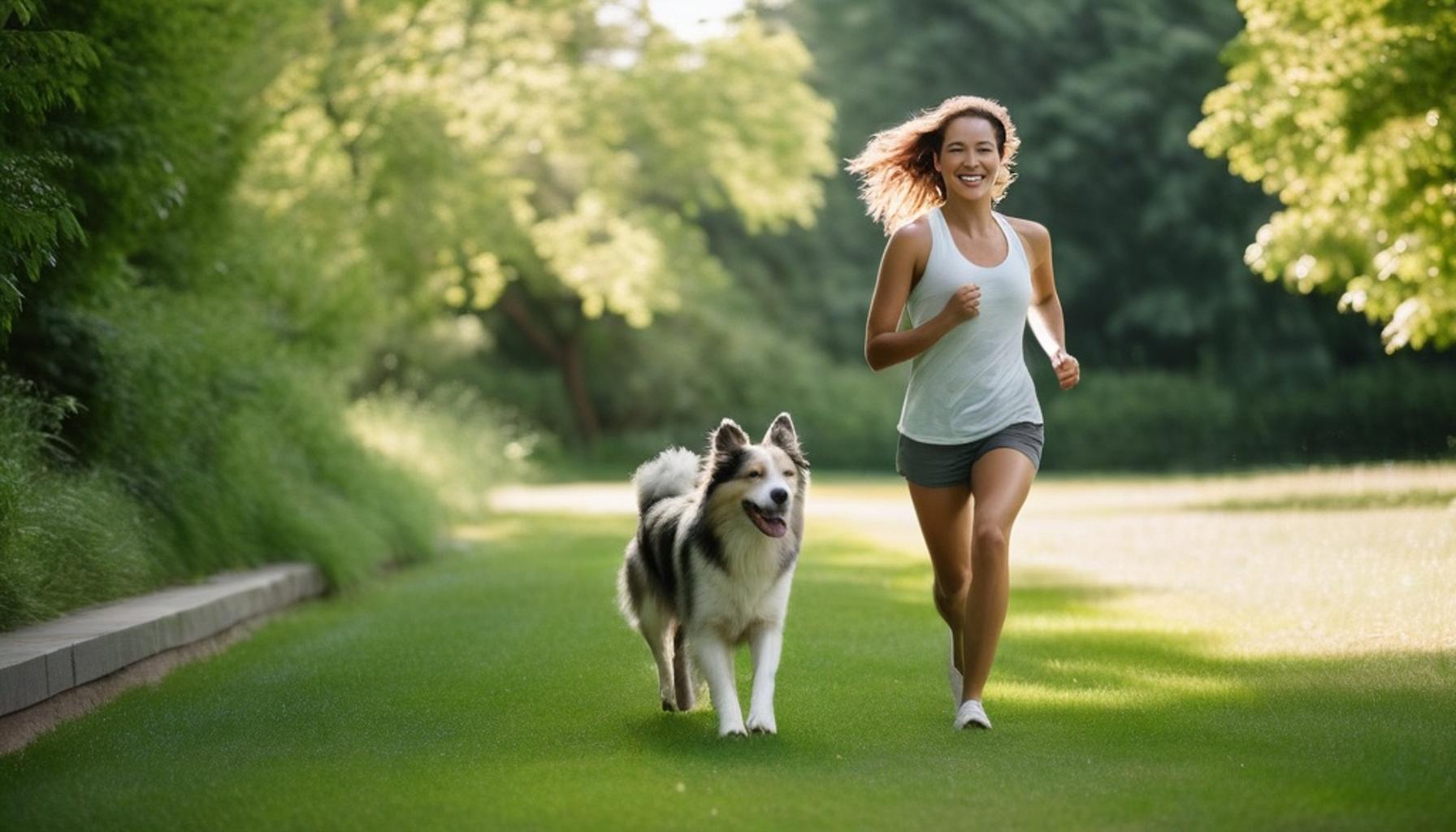
- Thirty to forty-five minutes of daily walking for medium to large dog breeds, ideally split across morning and evening to avoid midday heat
- Interactive play sessions for cats using simple tools like strings or balls, compensating for reduced outdoor roaming in urban flats
- Compound running space utilized deliberately rather than assumed sufficient, since unsupervised yard access rarely equals structured exercise
- Swimming or water play where accessible, particularly beneficial for older dogs experiencing joint discomfort
Ignoring these needs doesn’t just affect physique. Veterinary clinics in Ibadan have documented behavioral problems—excessive barking, destructive chewing, aggression—directly linked to pent-up energy in under-exercised dogs. Some owners, unaware of the connection, resort to punishment rather than addressing the underlying cause, deepening the animal’s stress rather than resolving it.
Mental Health Benefits Owners Often Overlook
The benefits of exercise for pets extend well beyond physical fitness. Movement stimulates cognitive function, reduces anxiety, and prevents the boredom-driven destructiveness many Nigerian households mistake for stubbornness or bad training.
Dogs deprived of regular stimulation often develop repetitive behaviors, such as excessive licking or pacing, resembling stress responses seen in confined animals globally. Cats display similar patterns, retreating into excessive sleep or, conversely, hyperactive nighttime behavior when daytime energy goes unspent. Owners in Abuja have reported cats knocking over household items late at night, a behavior often traceable to insufficient daytime stimulation rather than mischief alone.
Combining structured play with grooming routines creates compounding benefits. A dog walked regularly tends to pant less anxiously during nail trims, while a cat engaged in daily play often tolerates brushing sessions with noticeably less resistance.
These hygiene practices for pets, when paired consistently with movement, form a holistic approach few Nigerian pet care guides address together. Yet veterinary professionals increasingly emphasize that separating the two—treating cle
CHECK OUT: Behavioral Guidelines to Improve Health Monitoring of Dogs and Cats in Indoor Environments
Bringing It All Together: A Healthier Path for Nigerian Pets
The evidence gathered across Nigerian homes, clinics, and urban neighborhoods points to one conclusion: pet health hygiene and exercise cannot be treated as separate checkboxes. They function as interconnected pillars, each reinforcing the other in ways that shape an animal’s physical resilience and emotional stability.
Owners who dismiss the importance of pet hygiene often find themselves managing preventable skin infections, parasite outbreaks, or dental disease months later. Similarly, those who overlook exercise for pets frequently encounter behavioral issues that punishment alone never resolves, because the root cause remains unaddressed energy and stimulation deficits.
What makes this guide particularly relevant for Nigerian households is the shifting context—smaller living spaces, busier roads, and changing family structures all demand more intentional care than pets required a generation ago. In cities like Lagos, Abuja, and Port Harcourt, where estate living and gated compounds have replaced sprawling family yards, dogs and cats often have less natural room to roam. This makes deliberate daily walks, structured playtime, and consistent grooming routines far more important than they were for households a generation ago, where animals simply wandered open compounds freely.
Veterinarians across major Nigerian cities have also noted a rise in preventable conditions linked directly to inconsistent care, from matted fur trapping moisture during rainy seasons to joint stiffness in pets that rarely leave verandas. These are not exotic ailments requiring rare expertise; they are outcomes of neglecting the basics.
Practical pet health tips worth carrying forward include:
- Scheduling grooming and veterinary checkups as routine, not reactive, appointments
- Treating daily movement as non-negotiable, regardless of apartment size or weather
- Watching for behavioral changes as early indicators of unmet physical or hygiene needs
- Adapting hygiene practices for pets to local climate realities, including humidity and dust exposure common across Nigerian cities
Community pet owners in estates and neighborhood associations have increasingly begun sharing informal walking schedules and grooming tips, suggesting a growing cultural shift toward proactive pet care rather than reactive treatment once problems surface.
Ultimately, the benefits of exercise for pets and consistent hygiene extend beyond the animal itself, shaping calmer households and reducing veterinary costs over time. Nigerian pet owners who embrace this dual approach, rather than treating either as optional, position their animals for longer, healthier, and noticeably happier lives.
Frequently Asked Questions
How often should I bathe my dog in Nigeria’s hot and humid climate?
In Nigeria’s warm climate, most dogs benefit from bathing every 2 to 4 weeks, or sooner if they get muddy from rainy season walks or roll in dirt. Over-bathing can strip natural oils, so use a mild pet shampoo and dry your dog thoroughly to prevent skin infections common in humid weather. Cats generally groom themselves and need less frequent baths unless they get visibly dirty.
What are affordable ways to keep my pet’s environment clean without expensive products?
You can use diluted bleach or vinegar solutions to disinfect kennels, bowls, and bedding, which are cheap and widely available in Nigerian markets. Regularly sweeping and sun-drying bedding also helps kill parasites and reduces odor naturally. Washing food and water bowls daily with soap and water prevents bacterial buildup that can cause illness.
How much daily exercise does my dog need if I live in a small apartment in Lagos?
Even in small apartments, dogs need at least 30 to 60 minutes of exercise daily, such as brisk walks around the estate or short runs in a nearby open space. If outdoor space is limited, indoor games like fetch or tug-of-war can help burn energy and reduce destructive behavior. Consistent exercise also helps manage weight, which is important given the sedentary lifestyle apartment living can encourage.
Can poor hygiene practices increase my pet’s risk of tick and flea infestations common in Nigeria?
Yes, dirty bedding, unclean fur, and infrequent grooming create ideal conditions for ticks and fleas, which thrive in Nigeria’s warm climate. Regular brushing, bathing, and inspecting your pet’s skin and ears can help you catch infestations early before they cause serious health issues like anemia or skin disease. Using vet-recommended tick and flea treatments alongside good hygiene practices offers the best protection.
What signs indicate my pet is not getting enough exercise or hygiene care?
Watch for weight gain, lethargy, excessive shedding, bad odor, or skin irritation, as these can signal inadequate exercise or hygiene routines. Behavioral issues like excessive barking, chewing, or restlessness often point to pent-up energy from lack of physical activity. If you notice persistent scratching or dull coat, it may be time to review both your pet’s grooming schedule and exercise habits.
How can I safely exercise my pet outdoors given Nigeria’s traffic and stray animal concerns?
Choose quieter times like early morning or evening for walks, and always use a sturdy leash to maintain control near busy roads or unfamiliar animals. Visiting fenced compounds, private estates, or designated parks can reduce exposure to traffic and aggressive strays. Keeping vaccinations up to date is also essential since outdoor exercise increases contact with other animals that may carry diseases.

Linda Carter
Linda Carter is a writer and pet care expert specializing in pet health, grooming, and wellness. With extensive experience helping pet owners create safe, loving, and enriching environments for their animals, Linda shares her knowledge on our platform. Her goal is to empower readers with practical advice and strategies to ensure their pets thrive and lead joyful, healthy lives.