
The Relationship between Hygiene, Feeding Routines, and Health Monitoring of Pets
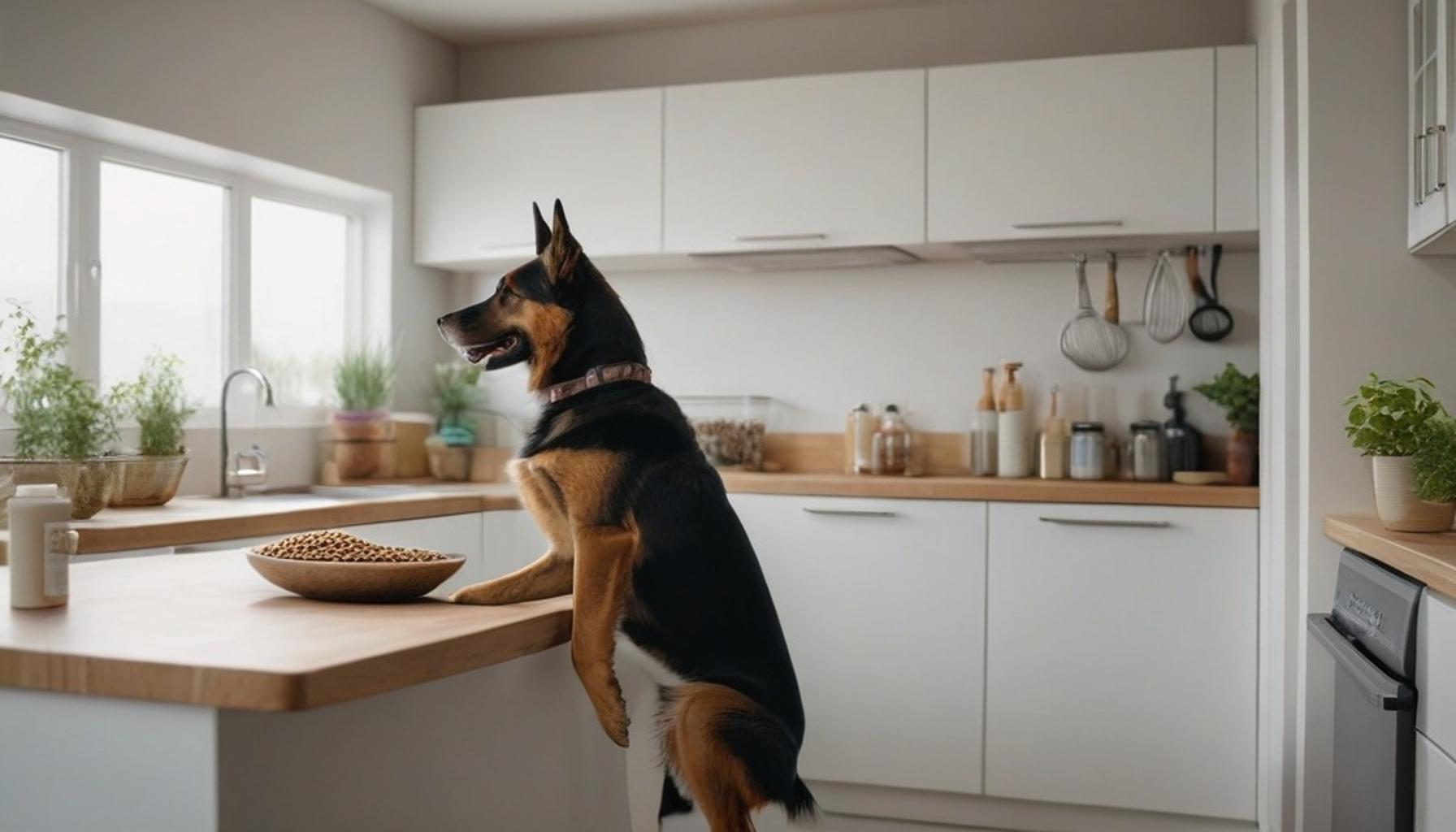
Why Pet Wellness Starts With Daily Habits
Across Nigerian homes, from Lagos apartments to compounds in Kano, pets have become cherished family members. Yet many owners overlook a simple truth: Hygiene and Feeding Routines for Pets directly shape how long and how well an animal lives. Veterinary data suggests that up to 70% of common pet illnesses trace back to poor sanitation or irregular feeding.
Many pet owners assume that as long as an animal appears active and eats occasionally, everything is fine. This assumption, however, can be misleading. Underlying issues often develop silently, especially in environments where heat, dust, and moisture create ideal conditions for bacteria and parasites to thrive. A pet that seems healthy today could be dealing with early-stage infections that only become visible weeks later.
The Hidden Connection Between Cleanliness and Diet
Dirty bowls, unwashed bedding, and inconsistent mealtimes may seem minor. However, they quietly build up into major health risks over time. In warmer regions such as Port Harcourt or Ibadan, where humidity levels stay high for most of the year, contaminated feeding equipment can become a breeding ground for harmful microorganisms within hours.
Consider these everyday triggers:
- Bacterial buildup in food and water bowls left unwashed for days
- Irregular feeding schedules that disrupt digestion and metabolism
- Poor grooming leading to skin infections, especially in humid climates
- Parasite infestations from contaminated living spaces
These factors rarely act alone. A dog fed at inconsistent times while living in a poorly cleaned kennel faces compounded risks, since weakened digestion combined with bacterial exposure often results in more severe illness than either factor alone would cause.
Why Monitoring Matters More Than Ever
The importance of pet hygiene cannot be separated from pet health monitoring. A dog that suddenly avoids its usual mealtime routine may be signaling illness long before visible symptoms appear. Similarly, a cat that begins grooming excessively or, conversely, stops grooming altogether, is often communicating discomfort that owners might otherwise miss.
Local pet owners frequently underestimate how quickly small changes in behavior can indicate bigger problems. Waiting for obvious symptoms such as vomiting or visible wounds often means the issue has already progressed significantly.
This article explores how structured pet care routines, practical pet hygiene tips, and reliable feeding schedules for pets work together. Readers will discover actionable strategies suited to Nigeria’s climate, local pet breeds, and everyday realities of pet ownership, including affordable cleaning practices and feeding adjustments tailored to tropical conditions.
LEARN MORE: Establishing Feeding Routines for Monitoring the Health of Dogs and Cats
# Building a Practical Framework for Everyday Pet Care
Establishing Consistent Feeding Schedules for Pets
Nutrition timing plays a far bigger role in pet wellness than most Nigerian households realize. Feeding schedules for pets that shift randomly, sometimes morning, sometimes late evening, confuse an animal’s digestive rhythm and stress its metabolism over time. What appears to be a minor scheduling inconsistency can, over months, translate into visible weight fluctuations, irritability, and even behavioral changes that owners often misattribute to other causes.
Veterinarians across urban clinics in Abuja and Lagos report that dogs and cats fed at consistent times show fewer digestive complaints than those fed sporadically. This pattern isn’t coincidental. Animals, much like humans, develop internal biological clocks that regulate hunger hormones, energy levels, and even bowel movements. A pet that eats at 7 a.m. and 6 p.m. daily will naturally anticipate those windows, producing digestive enzymes on cue rather than in a delayed or erratic manner that burdens the stomach lining.
A structured approach doesn’t require rigid perfection, but it does demand reasonable consistency. Consider these practical adjustments:
- Fixed meal windows, ideally within a one-hour range each day
- Portion control based on breed size and activity level rather than guesswork
- Fresh water access changed at least twice daily in hot climates
- Gradual diet transitions when switching pet food brands to avoid digestive shock
Local markets often sell affordable dog and cat feed, but quality varies significantly. Some products sit exposed to heat and dust for extended periods before purchase, quietly degrading nutritional value even before the pet eats a single bite. Owners who inspect expiry dates and storage conditions before buying often notice a marked improvement in coat quality and energy levels within weeks, a small investigative habit that pays dividends over time.
Hygiene Practices That Reinforce Feeding Discipline
The importance of pet hygiene becomes clearer once feeding routines are in place, because clean equipment directly protects the nutritional benefits of scheduled meals. Washing bowls after every meal, rather than once daily, significantly reduces bacterial accumulation, particularly in Nigeria’s warmer states where temperatures accelerate spoilage. A bowl left unwashed for twelve hours in Kano’s dry heat or Port Harcourt’s humidity can harbor far more bacteria than most owners suspect.
Simple daily habits make a measurable difference:
- Rinsing water bowls with hot water at least once every day
- Storing dry food in sealed containers rather than open bags
- Cleaning feeding areas to prevent ant infestations, a common issue in tropical compounds
- Washing pet bedding weekly to reduce mite and flea buildup
These small actions form the backbone of effective pet care routines. When hygiene and feeding work together, owners create an environment where illness has fewer opportunities to take root, rather than constantly reacting to symptoms after they surface. This preventive mindset, though sometimes overlooked amid busy household schedules, tends to reduce veterinary visits and unexpected medical costs over the long run, making it a worthwhile habit for any pet owner willing to invest a little extra attention each day.

Key Aspects of Hygiene and Feeding Routines for Pets
Understanding the connection between daily hygiene practices and structured feeding schedules for pets reveals patterns that directly influence long-term wellness. Veterinary data shows that pets on consistent routines experience fewer digestive issues and skin infections. The table below breaks down essential categories every pet owner should monitor, offering a quick reference before diving deeper into pet health monitoring strategies and practical pet hygiene tips that make a measurable difference.
| Category | Key Aspects & Benefits |
|---|---|
| Grooming Frequency | Weekly brushing reduces shedding by up to 40% and prevents matting-related skin irritation. |
| Feeding Consistency | Fixed meal times regulate metabolism and support easier detection of appetite changes. |
| Dental Care | Regular brushing lowers risk of periodontal disease affecting over 80% of dogs by age three. |
| Weight Tracking | Monthly weigh-ins help catch early signs of obesity or underlying illness. |
| Vet Checkups | Biannual visits enable early diagnosis, cutting treatment costs and improving recovery rates. |
These categories illustrate how the importance of pet hygiene extends far beyond appearance, shaping metabolic health, dental stability, and disease prevention. Establishing structured pet care routines around these five pillars creates a foundation for detecting subtle health shifts before they escalate into costly conditions.
CHECK OUT: Behavioral Guidelines for Effective Monitoring of Pet Health in Indoor Environments
Pet Health Monitoring as an Early Warning System
Once feeding schedules and hygiene habits settle into a routine, the next logical layer is observation. Pet health monitoring doesn’t require expensive gadgets or constant veterinary visits, it simply demands attentiveness to patterns that many owners overlook until symptoms become severe. A dog that suddenly drinks twice its usual water intake, or a cat that skips two consecutive meals, is communicating something worth investigating rather than ignoring.
Nigerian pet owners in states like Oyo and Enugu increasingly report that early detection of issues, such as tick infestations or mild dehydration, saved them significant veterinary expenses compared to neighbors who waited until symptoms escalated. This isn’t anecdotal luck. Animals mask discomfort instinctively, a survival trait inherited from wild ancestors, which means visible distress often indicates a problem that has already progressed past its earliest stage.
Veterinary practitioners across urban centers such as Abuja and Port Harcourt have started emphasizing this point during consultations, urging owners to think of their pets as constantly transmitting subtle signals rather than waiting for dramatic symptoms. A slight limp ignored for weeks, for example, can quietly evolve into a joint condition requiring far more intensive and costly treatment. The financial logic alone makes a compelling case for consistent observation, but there’s also an emotional dimension, catching problems early often means less suffering for the animal and less stress for the household.
Simple Metrics Every Owner Should Track
Effective monitoring doesn’t mean obsessive checking. It means knowing what “normal” looks like for a specific animal, then noticing deviations. Consider tracking these indicators weekly:
- Coat texture and shedding patterns, since dull fur often signals nutritional gaps
- Stool consistency, a surprisingly reliable indicator of digestive health
- Weight changes, measured monthly using a simple bathroom scale technique
- Energy levels during play, particularly noticeable drops after meals
Owners who combine these observations with consistent feeding times often catch irregularities faster, because a disrupted appetite becomes obvious against a predictable baseline. This is where Hygiene and Feeding Routines for Pets intersect most powerfully with monitoring, clean environments and steady meal patterns make anomalies stand out rather than blend into daily chaos.
A growing number of pet owners in cities such as Kano and Ibadan have begun keeping simple notebooks or phone notes logging these metrics, treating them almost like a household ledger. This low-tech approach costs nothing yet builds a valuable history that veterinarians find useful when diagnosing recurring issues. Patterns that seem random in isolation, such as occasional vomiting, often reveal themselves as seasonal or dietary triggers once documented over several weeks.
Practical Pet Hygiene Tips for Long-Term Wellness
Beyond bowls and bedding, broader hygiene practices influence how easily health issues surface. Regular grooming sessions, for instance, double as informal health checks. Running hands along a dog’s body while brushing often reveals lumps, ticks, or tender spots long before behavioral symptoms appear.
Some additional pet hygiene tips worth incorporating into weekly routines include:
- Ear cleaning for breeds prone to infections, particularly in humid coastal regions like Calabar
- Nail trimming every three to four weeks to prevent gait issues
- Dental checks, since tartar buildup frequently goes unnoticed until it causes pain
- Bathing frequency adjusted to breed and season rather than fixed monthly habits
Clinics in Lagos have noted a rise in preventable skin conditions linked to irregular bathing schedules during Nigeria’s rainy season, when mud and moisture create ideal breeding grounds for fungal infections. Owners who adjust grooming frequency based on weather, rather than sticking to a rigid calendar, report noticeably fewer skin complaints among their pets throughout the year.
Interestingly, some breeders in the northern regions, where dust and dry heat dominate for months, recommend the opposite adjustment, increasing moisturizing treatments rather than bathing frequency to prevent brittle coats and cracked paw pads. This regional variation underscores an important truth, there is no universal hygiene formula that works everywhere in Nigeria. Instead, successful pet care demands a willingness to observe local climate patterns and adapt routines accordingly, blending the discipline of consistent monitoring with the flexibility to respond to environmental realities as they shift throughout the year.
Bringing It All Together: A Holistic Approach to Pet Wellness
What emerges from examining hygiene, feeding schedules, and monitoring together is a simple truth, none of these elements function well in isolation. Hygiene and Feeding Routines for Pets form the foundation, but without consistent observation layered on top, even the cleanest environment and most disciplined meal schedule can miss warning signs that matter.
Nigerian households, from bustling compounds in Lagos to quieter homesteads in Enugu, are increasingly proving that this integrated approach doesn’t require wealth or specialized training. It requires attention. A clean water bowl, a predictable feeding time, and a weekly glance at coat condition together create a system far more effective than any single practice alone.
The importance of pet hygiene becomes clearer when viewed through this lens, not as a chore, but as one piece of a larger diagnostic puzzle. Similarly, feeding schedules for pets serve a dual purpose, nourishing the animal while simultaneously establishing the baseline needed to notice when something shifts.
Perhaps the most valuable takeaway is that effective pet care routines are not rigid formulas imported from elsewhere. They adapt to Nigeria’s diverse climates, from humid coastal cities to dusty northern towns, and to each animal’s individual patterns. Owners who commit to this flexible, observant style of care often report fewer emergencies and lower veterinary costs over time.
Ultimately, the relationship between these three pillars, cleanliness, consistent feeding, and vigilant monitoring, reflects a broader philosophy of pet ownership itself. It rewards patience over panic, and daily small actions over occasional dramatic interventions. For anyone raising pets across Nigeria’s varied environments, that lesson alone may prove more valuable than any single tip mentioned throughout this discussion.

Linda Carter
Linda Carter is a writer and pet care expert specializing in pet health, grooming, and wellness. With extensive experience helping pet owners create safe, loving, and enriching environments for their animals, Linda shares her knowledge on our platform. Her goal is to empower readers with practical advice and strategies to ensure their pets thrive and lead joyful, healthy lives.