Integrating Feeding and Hygiene Routines in the Monitoring of Dogs and Cats’ Health at Home
Why Everyday Habits Matter for Your Pet’s Wellbeing
Every bowl of food and every bath time tells a story about your pet’s health. For Nigerian pet owners juggling busy schedules in cities like Lagos, Abuja, or Port Harcourt, dog and cat health monitoring often takes a backseat to daily routines—yet it shouldn’t.
Simple daily actions can reveal early warning signs of illness long before a vet visit becomes necessary. A dog refusing its usual meal or a cat with unusually matted fur may be signaling something deeper. In a country where veterinary clinics can be sparse outside major urban centers, and where transporting a sick animal across Lagos traffic could take hours, catching problems early at home is not just convenient—it could be lifesaving.
The Hidden Link Between Care Routines and Health Data
Feeding routines for pets and hygiene routines for dogs and cats are not just chores—they’re diagnostic tools hiding in plain sight. Observant owners can catch issues like dehydration, parasites, or digestive troubles simply by paying attention. Think of your pet’s daily care as a silent conversation, one where changes in behavior speak louder than words.
Consider these everyday clues worth tracking:
- Changes in appetite or water intake
- Unusual shedding or skin irritation during grooming
- Bad breath or dental discoloration
- Shifts in bathroom habits or stool consistency
- Weight fluctuations noticed during feeding time
These signs might seem minor in isolation, but patterns matter. A cat that suddenly avoids its litter box, or a dog that drinks noticeably more water than usual, could be flagging conditions ranging from urinary infections to diabetes. Many Nigerian households already juggle multiple pets alongside family responsibilities, making it easy to overlook subtle shifts—yet these small observations often make the biggest difference in early diagnosis.
Effective pet health management at home doesn’t require expensive gadgets or veterinary training. It demands consistency, observation, and knowing what “normal” looks like for your specific companion. Some owners even keep a simple notebook or phone note tracking feeding times, weight, and grooming sessions—an approach that costs nothing but attention.
This article explores how combining nutrition and hygiene for pets creates a practical, low-cost system for monitoring pet health effectively—right within your daily routine, without added stress or expense. As pet ownership continues to grow across Nigerian cities, understanding these everyday signals could reshape how families care for their animals long before illness takes hold.
YOU MAY ALSO LIKE: How to Plan Exercises to Promote the Health and Well-Being of Dogs and Cats at Home
# Turning Mealtime and Bath Time Into a Daily Health CheckpointMost Nigerian pet owners feed their dogs and cats without thinking twice about what happens after the bowl is empty. Yet feeding routines for pets offer a window into their internal health that few people bother to look through.Veterinary professionals across Lagos and Ibadan increasingly recommend structured feeding schedules—not just for nutrition, but for observation. When a dog eats at the same time every day, deviations become obvious almost immediately.
What Feeding Patterns Can Reveal
A pet’s relationship with food changes when something is wrong internally. This isn’t guesswork; it’s basic physiology that owners can learn to read.Consider these feeding-related indicators worth watching:
- Sudden loss of interest in favorite foods, which may suggest dental pain, nausea, or infection
- Excessive hunger despite consistent feeding, sometimes linked to parasites or thyroid issues
- Vomiting shortly after meals, which could point to food intolerance or gastrointestinal blockage
- Increased thirst alongside changes in appetite, often an early marker of kidney or liver stress
- Slow eating or difficulty chewing, frequently tied to dental disease common in older cats and dogs
In Nigeria’s climate, where heat can intensify dehydration risks, tracking water intake alongside food consumption becomes particularly important. A dog that suddenly drinks twice its normal amount during Lagos’s dry season deserves closer attention, not dismissal.
Hygiene as a Diagnostic Habit, Not Just Grooming
Hygiene routines for dogs and cats extend far beyond keeping them clean and presentable. Each grooming session doubles as a physical health check, similar to how a nurse might examine skin during a routine visit.Running your hands along a dog’s coat during a bath can reveal ticks, fleas, or unusual lumps—problems that thrive in Nigeria’s warm, humid conditions, especially during rainy seasons in the South. Cats, though more self-sufficient with grooming, still benefit from occasional owner inspection, particularly around the ears and paws.Bad breath detected during a routine teeth check might indicate more than poor hygiene; it could signal gum disease or digestive imbalance. Similarly, brittle nails or flaky skin noticed during grooming often point to nutritional deficiencies.This is where nutrition and hygiene for pets intersect meaningfully. Poor diet frequently manifests as visible skin and coat issues, meaning grooming sessions become indirect nutritional assessments.Building these observations into a routine transforms ordinary pet care into a functional, ongoing system of dog and cat health monitoring—one that doesn’t require special equipment, only consistent attention and a willingness to notice what’s different.
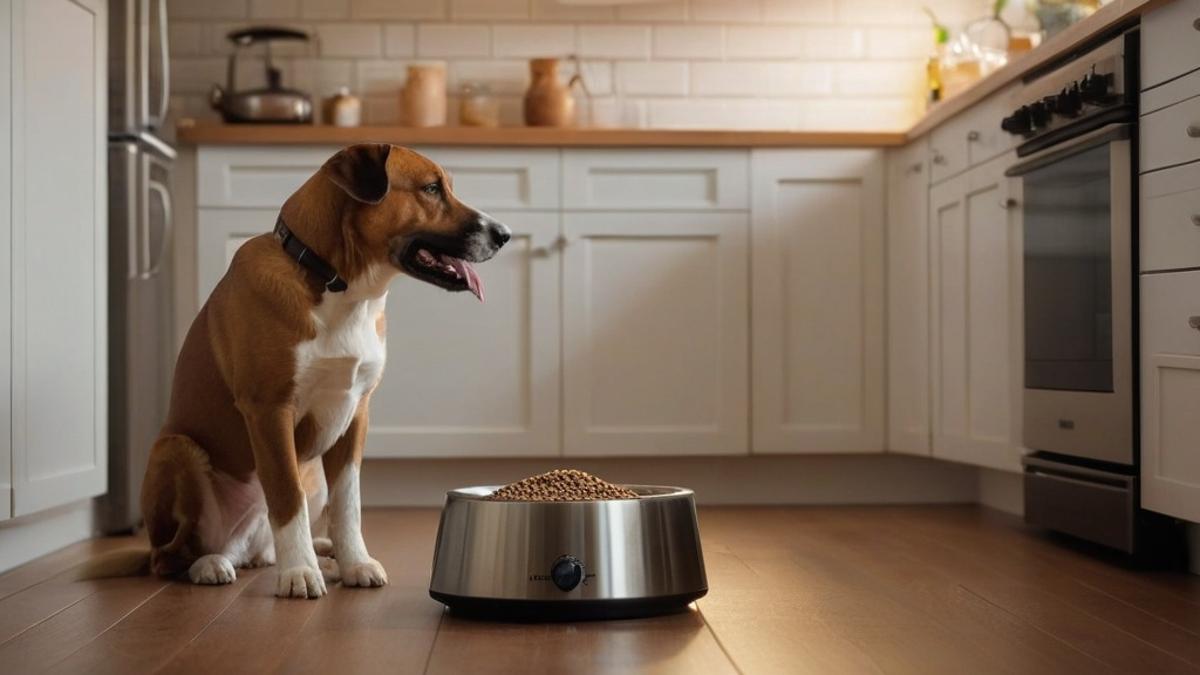
Key Aspects of Feeding and Hygiene Integration for Dog and Cat Health Monitoring
Consistent feeding routines for pets combined with structured hygiene routines for dogs and cats create a reliable framework for spotting subtle health changes early. Below is a quick overview of how these daily habits support effective dog and cat health monitoring at home.
| Category | Key Focus & Benefits |
|---|---|
| Scheduled Feeding | Tracks appetite shifts, aiding pet health management at home and early illness detection. |
| Grooming & Cleaning | Reveals skin, coat, or dental issues through regular hygiene checks. |
| Nutrition Balance | Nutrition and hygiene for pets together support weight control and digestion. |
| Behavioral Observation | Routine helps owners notice changes, key for monitoring pet health effectively. |
CHECK OUT: Behavioral Guidelines for Effective Monitoring of Pet Health in Indoor Environments
# Building a Simple Record System That Works in Nigerian HouseholdsTracking a pet’s habits doesn’t require expensive apps or veterinary-grade equipment. A basic notebook kept near the feeding area can transform vague impressions into useful data over time.
Why Written Records Outperform Memory
Human memory is unreliable, especially when juggling work, school runs, and household demands common in Nigerian homes. Owners often insist “nothing has changed” when subtle shifts have been happening for weeks.Pet health management at home becomes far more accurate when observations are documented rather than recalled from memory. A simple log noting daily food intake, water consumption, and stool consistency creates a timeline that reveals patterns human recollection misses entirely.Consider tracking these basic categories:
- Time and quantity of each meal, including any leftovers
- Water bowl refills, particularly noticeable during Nigeria’s hot dry seasons in states like Kano or Sokoto
- Bathroom frequency and any visible changes in stool or urine
- Energy levels after meals, since lethargy following food can signal digestive distress
- Skin, coat, and nail condition observed during weekly grooming sessions
Within a month, patterns emerge that would otherwise go unnoticed. A cat that has gradually reduced its food intake by twenty percent over three weeks presents a very different concern than one that skipped a single meal.
Connecting Routine Care to Local Realities
Nigerian households often manage pets alongside unpredictable power supply, variable water quality, and seasonal disease patterns. These factors directly influence how monitoring pet health effectively should be approached.During rainy seasons in cities like Port Harcourt or Calabar, increased humidity creates ideal conditions for fungal skin infections and flea infestations. Grooming checks should intensify during these months rather than remain static year-round.Similarly, dry season dust in northern regions can trigger respiratory irritation, which sometimes first appears as reduced appetite before coughing or sneezing becomes obvious. Owners who already track feeding patterns will notice this connection faster than those relying purely on visible symptoms.Veterinary clinics in urban centers like Abuja report that pets brought in earlier for treatment—thanks to owner-documented changes—typically have better recovery outcomes and lower treatment costs. This reinforces why dog and cat health monitoring shouldn’t wait for obvious illness before beginning.Small, consistent observations recorded over time create a health narrative unique to each animal, one that becomes increasingly valuable as pets age and their nutritional or medical needs shift accordingly.
Bringing Feeding and Hygiene Together for Better Pet Care
Across Nigerian homes, from Lagos apartments to compounds in Enugu, the real lesson behind dog and cat health monitoring is simple: feeding and hygiene are not separate chores but two halves of the same practice. When they work together, they form a reliable early-warning system that no single observation could provide alone.
Why Consistency Matters More Than Perfection
Owners don’t need veterinary training to notice trouble. What matters is consistency—checking the same things at the same times, whether that’s morning feeding or weekly bathing. This routine turns feeding routines for pets and hygiene routines for dogs and cats into a dependable source of information rather than guesswork.
A missed meal, a duller coat, or a slightly softer stool may seem minor in isolation. Together, tracked over days, they tell a clearer story than any single vet visit could capture on its own.
A Practical Path Forward
For families balancing tight budgets and busy schedules, this approach costs nothing beyond a notebook and a few extra minutes daily. Yet the payoff is significant: earlier detection of illness, fewer emergency clinic visits, and pets that live more comfortably as they age.
Pet health management at home should not be treated as a backup plan for when symptoms appear. It works best as a daily habit, woven into nutrition and hygiene for pets from puppyhood or kittenhood onward.
Ultimately, monitoring pet health effectively depends less on technology and more on attention. Nigerian pet owners who commit to this integrated approach will likely find themselves catching problems weeks before they become emergencies, proving that the simplest tools, used consistently, remain the most powerful.
Frequently Asked Questions
How can I use feeding time to monitor my dog or cat’s health at home in Nigeria?
Feeding time is a great opportunity for dog and cat health monitoring because changes in appetite, chewing speed, or interest in food can signal illness, dental pain, or stress. Watch for leftover food, difficulty chewing, or sudden weight loss, especially in hot Nigerian climates where dehydration can reduce appetite. Keeping a simple daily log of how much your pet eats helps you spot patterns before they become serious problems.
What hygiene routines should I combine with feeding schedules for better pet health tracking?
Combine feeding times with quick checks of your pet’s coat, ears, teeth, and paws, since this is when they are calm and cooperative. In Nigeria’s dusty or humid conditions, checking paws for ticks, mud, or wounds after outdoor play and before meals helps prevent infections. Cleaning food and water bowls daily also reduces bacterial buildup that can cause stomach upsets in dogs and cats.
How often should I check my dog or cat’s weight and body condition at home?
For effective dog and cat health monitoring, check your pet’s weight and body condition at least once every two weeks, or weekly if they are a puppy, kitten, senior, or recovering from illness. Feel along the ribs and spine during feeding or grooming time to detect sudden weight gain or loss. In Nigeria, where access to vet scales may be limited, a simple tape measure around the chest can help track changes over time.
Can poor hygiene habits at home affect my pet’s digestion and overall health?
Yes, dirty water bowls, unwashed bedding, and unclean feeding areas can expose dogs and cats to bacteria and parasites that cause diarrhea, vomiting, or skin infections. In Nigeria’s warm climate, food left out too long spoils faster and can lead to stomach upset if eaten. Maintaining clean feeding stations alongside regular bathing and deworming schedules supports better digestion and long-term wellness.
What signs during feeding or grooming should prompt a visit to the vet in Nigeria?
If you notice your dog or cat refusing food for more than a day, vomiting after meals, excessive drooling, bad breath, or visible skin lesions during grooming, these are warning signs that need veterinary attention. Sudden changes in water intake, especially increased thirst, can also indicate underlying conditions like kidney issues. Since some Nigerian communities have limited access to 24-hour veterinary clinics, it is wise to identify the nearest available vet early and monitor symptoms closely before they worsen.

Linda Carter
Linda Carter is a writer and pet care expert specializing in pet health, grooming, and wellness. With extensive experience helping pet owners create safe, loving, and enriching environments for their animals, Linda shares her knowledge on our platform. Her goal is to empower readers with practical advice and strategies to ensure their pets thrive and lead joyful, healthy lives.