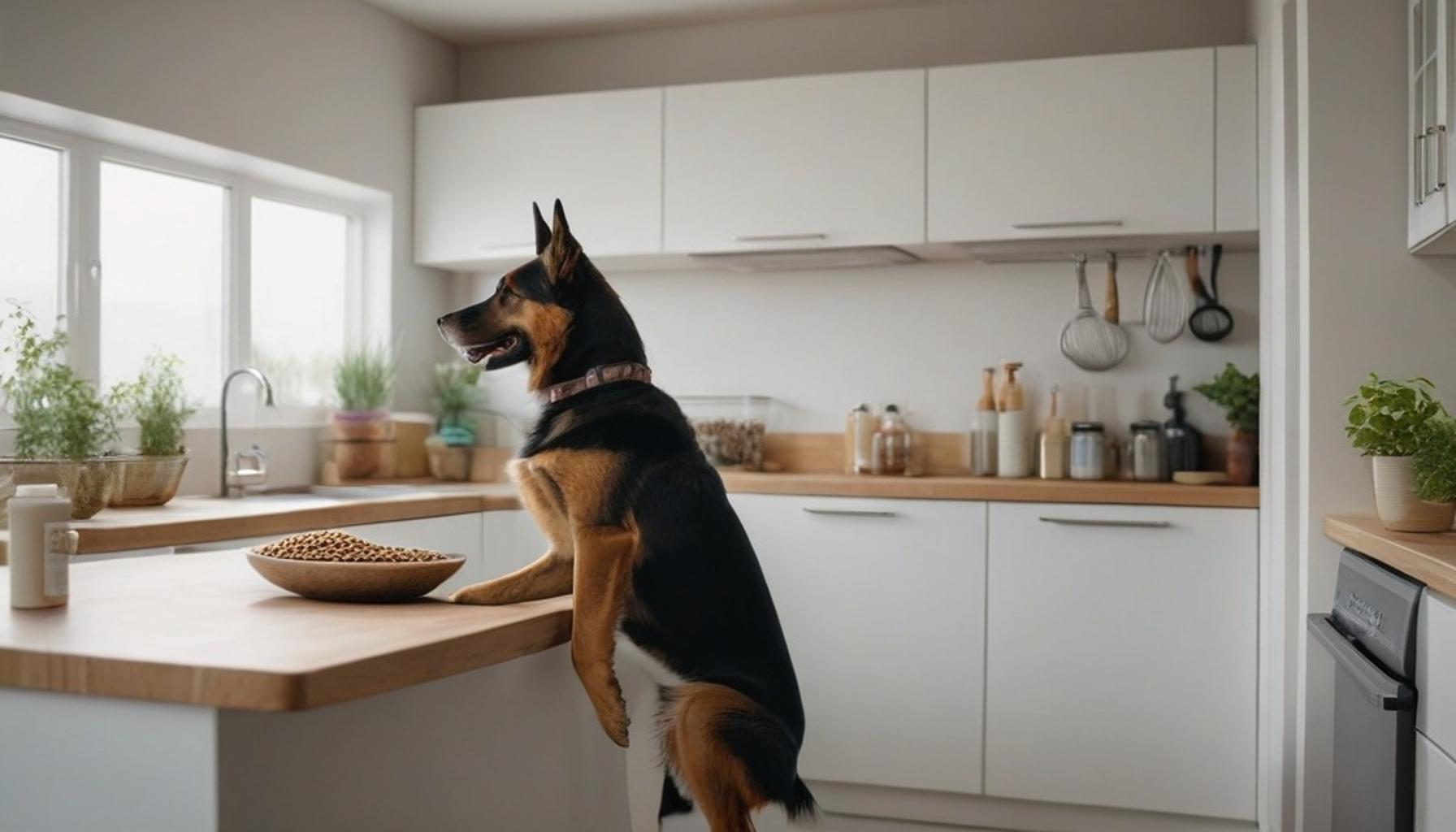
Establishing Feeding Routines to Monitor the Health of Dogs and Cats
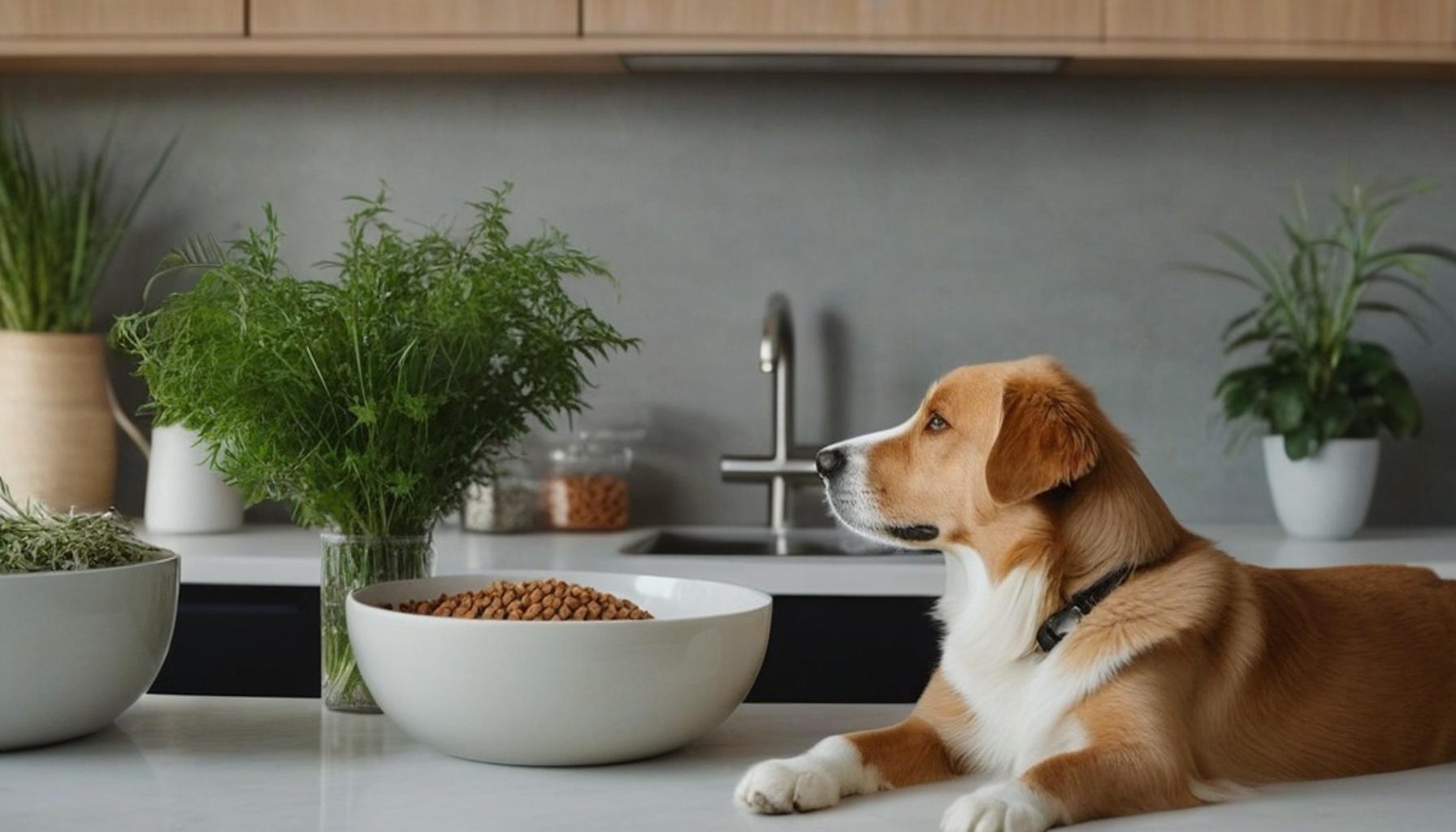
Why Every Meal Matters for Your Pet’s Wellbeing
Across Nigerian homes, from bustling Lagos apartments to quiet compounds in Ibadan, more pet owners are discovering a simple truth: what and when your dog or cat eats says a lot about their health. Feeding routines for dogs and cats are no longer just about filling a bowl—they are a window into your pet’s overall wellness.
Veterinarians increasingly point to consistent feeding schedules as an early warning system. A sudden change in appetite could signal anything from stress to a serious illness. In fact, many pet clinics in Abuja and Port Harcourt report that owners who track feeding patterns catch health issues weeks before physical symptoms become obvious.
Consider this: a Labrador that normally finishes its bowl within minutes but suddenly takes an hour, or a cat that used to pounce on its favorite fish-flavored kibble but now walks away disinterested. These are not random quirks—they are data points. And in a country where veterinary access can be limited outside major cities, catching these signals early can mean the difference between a simple dietary adjustment and an expensive emergency visit.
The Hidden Power of Structured Feeding
Think about it: would you notice if your cat skipped just one meal? Many owners wouldn’t, simply because there’s no routine to compare against. Without a baseline, subtle warning signs blend into the background noise of daily life.
Establishing a dog feeding schedule or tracking cat feeding habits creates a baseline. Once you know the norm, spotting irregularities becomes easier and faster. This is particularly important in Nigeria’s varied climate, where extreme heat in the North or humidity along the coast can naturally affect an animal’s appetite and hydration needs.
- Sudden loss of appetite lasting more than 24 hours
- Unusual eating pace—too fast or too slow
- Refusal of favorite foods without clear reason
- Weight fluctuations tied to inconsistent feeding times
- Excessive thirst or reduced water intake alongside food changes
Some experienced breeders in Kano even keep simple notebooks logging feeding times and portions, a low-tech but highly effective method that predates any smartphone app.
What This Article Will Uncover
This piece explores practical pet nutrition tips tailored for Nigerian climates and lifestyles, where heat, local food availability, and busy schedules all play a role. From choosing between locally sourced meats and imported commercial feed, to adjusting portions during rainy versus dry seasons, the decisions add up.
You’ll learn how to monitor pet health through simple daily observations, and why healthy pet feeding routines can save you costly vet bills down the line. The numbers might surprise you—some studies suggest that irregular feeding contributes to nearly a third of avoidable pet health complications reported by clinics nationwide.
LEARN MORE: Establishing Healthy Eating Routines to Monitor the Health of Dogs and Cats
# Building a Feeding Schedule That Actually Works
Setting the Foundation: Timing, Portions, and Consistency
Walk into any veterinary clinic in Lagos or Enugu, and you’ll likely hear the same advice: consistency beats complexity. Building effective feeding routines for dogs and cats doesn’t require expensive equipment or imported gadgets—it requires discipline and observation. Yet many households still treat feeding as an afterthought, tossing food into a bowl whenever convenient rather than following a structured plan that supports long-term health.
Most veterinarians recommend feeding adult dogs twice daily, spaced roughly twelve hours apart. Puppies, on the other hand, often need three to four smaller meals to support their rapid growth. Cats present a different challenge entirely. Many thrive on smaller, more frequent meals, mimicking their natural hunting instincts of catching several small prey throughout the day. This instinctive grazing pattern explains why free-fed cats sometimes appear indifferent to a single large bowl of food placed once in the morning.
A proper dog feeding schedule should account for activity levels too. A guard dog patrolling a compound in Kaduna burns more energy than a lapdog lounging indoors in an Abuja flat. Portion sizes should reflect this reality, not a generic label on a feed bag. Breed size, age, and even the local climate—hot, humid days versus cooler harmattan mornings—can subtly shift how much energy a pet expends and, consequently, how much fuel it requires.
Why Timing Reveals More Than You Think
Here’s something many pet owners overlook: the time of day you feed your pet can affect digestion, energy levels, and even sleep patterns. Feeding a dog too close to bedtime, for instance, can lead to restlessness or digestive discomfort overnight. Veterinary nutritionists often suggest a gap of at least two to three hours between the final meal and sleep, allowing digestion to settle before the body slows down for rest.
Understanding cat feeding habits requires similar attention. Cats are naturally crepuscular, meaning they’re most active during dawn and dusk. Aligning feeding times with these natural rhythms often results in calmer, more predictable behavior—and fewer 3 a.m. wake-up calls from a hungry feline. Owners who shift feeding closer to sunrise and sunset frequently notice a marked drop in nighttime pacing or vocalizing.
To build a routine that genuinely helps you monitor pet health, consider these foundational steps:
- Feed at the same times daily, ideally within a 30-minute window
- Measure portions using a standard cup or scale rather than estimation
- Keep fresh water available at all times, especially during Nigeria’s hotter months
- Avoid sudden food changes; introduce new brands gradually over 5-7 days
- Observe how quickly your pet approaches the bowl each time
Pet owners in Port Harcourt who’ve adopted these habits report noticing behavioral shifts much sooner than before. One dog owner shared how her German Shepherd’s slight hesitation at mealtime preceded a tick-borne illness diagnosis by nearly two weeks—time that allowed for early treatment rather than emergency intervention. Such stories underscore how a simple bowl of food can double as a diagnostic tool, revealing subtle changes long before more obvious symptoms appear.
These small, consistent practices form the backbone of any effective approach to pet nutrition tips. Without this foundation, even the best intentions to catch health problems early can fall short, leaving owners reacting to crises instead of preventing them altogether.

SEE ALSO: The Importance of Hygiene and Exercise in Pet Health Surveillance
Turning Mealtime Into a Health Monitoring System
Beyond timing and portions lies a more subtle skill: reading the signals your pet sends every single day at the food bowl. Veterinarians across Nigeria increasingly encourage owners to treat feeding time as a mini health checkup, one that costs nothing extra yet delivers valuable diagnostic clues. A well-maintained dog feeding schedule becomes far more useful when paired with careful observation of appetite, posture, and eating speed.
What Changes in Appetite Actually Mean
Appetite fluctuations rarely happen without reason. A dog that suddenly gulps its food within seconds may be dealing with anxiety, parasites, or even early thyroid imbalance. Conversely, a cat that sniffs its bowl and walks away might be signaling dental pain, kidney stress, or a gastrointestinal issue that hasn’t yet produced visible symptoms elsewhere.
Nigerian veterinary clinics have reported a rising number of cases where owners noticed reduced appetite days before more serious symptoms—vomiting, lethargy, weight loss—became obvious. This pattern reinforces why feeding routines for dogs and cats shouldn’t be viewed as purely logistical tasks but as ongoing health surveillance tools.
Consider tracking these specific indicators during each meal:
- How long it takes your pet to approach the bowl once food is placed
- Whether eating pace has noticeably slowed or sped up
- Signs of chewing difficulty, drooling, or dropping food
- Water consumption immediately before or after meals
- Any vomiting or regurgitation within an hour of eating
Owners in Lagos and Abuja who keep informal notebooks or phone notes tracking these details often notice patterns weeks before symptoms escalate. A dog that begins hesitating at the bowl every Tuesday, for instance, might be reacting to a specific ingredient introduced that day, or perhaps a household stressor tied to that particular routine. These small observations, when compiled over time, paint a far clearer picture than a single vet visit ever could.
The Role of Weight Tracking in Everyday Feeding
Weighing pets monthly, rather than only during vet visits, offers another layer of insight often overlooked in typical pet nutrition tips. A shift of even half a kilogram in a medium-sized dog can indicate metabolic changes worth investigating. Many households in Ibadan and Jos have started using simple bathroom scales—weighing themselves first, then holding their pet—to track this data affordably without needing a veterinary-grade scale.
Cats present a trickier challenge since weight loss often hides beneath thick fur. Running hands along the ribcage weekly, feeling for prominent bones or excess padding, helps detect subtle changes that a visual glance might miss entirely. This tactile check complements cat feeding habits monitoring and catches problems that scales alone sometimes overlook.
Some pet owners in Port Harcourt have adopted a simple grading system, scoring their pets on a scale of one to five based on rib visibility and waist definition. This method, borrowed loosely from veterinary body condition scoring charts, requires no special equipment and can be taught to children or household staff who help with feeding duties, ensuring consistency even when the primary caregiver is unavailable.
Households that combine weight checks, appetite observation, and consistent scheduling often describe their approach as building healthy pet feeding routines rather than simply feeding on autopilot. This shift in mindset transforms an ordinary chore into a proactive strategy, one that gives owners a genuine head start whenever something in their pet’s health begins to shift beneath the surface. What begins as a simple bowl of food, placed at the same time each day, ultimately becomes a quiet but powerful line of defense against illnesses that might otherwise go unnoticed until far more advanced stages.
YOU MAY ALSO LIKE: How to Plan Exercises to Promote the Health and Well-Being of Dogs and Cats at Home
Small Habits, Lasting Protection
What emerges from all this is a simple truth: feeding routines for dogs and cats are never just about filling a bowl. They are quiet health checkpoints, repeated daily, that give Nigerian pet owners an early advantage against problems that might otherwise stay hidden for weeks.
A consistent dog feeding schedule does more than prevent begging or digestive upset. It creates a baseline, a sense of “normal,” against which any deviation becomes noticeable almost immediately. The same applies to cat feeding habits, where subtle shifts in approach, pace, or interest often say more than the animal ever could vocally.
Throughout Lagos, Abuja, Ibadan, and Port Harcourt, households that combine structured timing with attentive observation are proving that you don’t need expensive equipment to monitor pet health effectively. A notebook, a bathroom scale, and a few minutes of daily attention often reveal more than an occasional clinic visit ever will.
The broader lesson extends beyond dogs and cats individually. It speaks to a shift in how Nigerian households approach animal care generally, moving away from reactive treatment and toward preventive awareness. This is where practical pet nutrition tips intersect with everyday discipline, turning ordinary caregivers into informed first responders for their own animals.
Building healthy pet feeding routines requires patience and consistency, not perfection. Missing a day occasionally won’t undo weeks of careful tracking. What matters most is the habit itself: showing up at roughly the same time, watching closely, and taking small changes seriously before they grow into larger concerns.
Ultimately, the food bowl becomes something more than a feeding station. It becomes a daily conversation between owner and animal, one where attentiveness, not just affection, determines how early problems get caught and how long a beloved pet stays healthy.
Frequently Asked Questions
How many times a day should I feed my dog or cat to maintain a healthy routine?
Most adult dogs and cats do well with two meals a day, one in the morning and one in the evening, while puppies and kittens under six months may need three to four smaller meals. Feeding at the same times daily helps you notice changes in appetite quickly, which is often the first sign of illness. In Nigeria’s warm climate, early morning and evening feeding also helps avoid food spoiling quickly in the heat.
What are the signs that my pet’s feeding routine is affecting its health in Nigeria’s climate?
Watch for reduced appetite, vomiting, diarrhea, excessive thirst, or lethargy after meals, as these can signal spoiled food, heat stress, or an underlying illness. Nigeria’s hot weather can cause pet food to spoil faster than in cooler climates, so always check for unusual smells or texture before serving. If these signs persist for more than a day, consult a veterinarian promptly.
Can I use local Nigerian foods like rice, beans, or fish in my dog or cat’s feeding routine?
Yes, plain boiled rice, well-cooked beans, and deboned fish can be included occasionally, but they should not replace a nutritionally balanced commercial pet food. Avoid adding excessive salt, pepper, or seasoning cubes commonly used in Nigerian cooking, as these can harm your pet’s kidneys over time. Always introduce new foods gradually and monitor your pet’s digestion and stool consistency for any negative reactions.
How does a consistent feeding routine help detect early health problems in dogs and cats?
A fixed feeding schedule makes it easier to notice subtle changes like reduced appetite, slower eating, or refusal to eat, which are often early warning signs of dental issues, infections, or organ problems. When feeding times and portions are consistent, any deviation stands out quickly, allowing you to act before the condition worsens. This routine also helps you track weight changes over weeks, which is useful for spotting obesity or unexplained weight loss.
What feeding schedule works best for pets in hot Nigerian weather to prevent food spoilage?
Feed wet or perishable food like fish and meat during cooler parts of the day, early morning or late evening, and remove any uneaten portions within 30 minutes to prevent spoilage and fly contamination. Dry kibble can be left out slightly longer but should still be stored in airtight containers away from humidity and pests common in many Nigerian homes. Always provide fresh, clean water alongside meals, especially during Nigeria’s hotter months like March to May.
How can I create a feeding routine for a multi-pet household with both dogs and cats?
Feed dogs and cats separately, ideally in different rooms or corners, since cats often need quieter spaces and dogs may eat faster and try to steal cat food. Use consistent feeding times and separate bowls to monitor each pet’s individual appetite and food intake accurately. This separation also prevents dogs from consuming cat food, which is higher in protein and fat and can cause obesity or digestive upset in dogs over time.

Linda Carter
Linda Carter is a writer and pet care expert specializing in pet health, grooming, and wellness. With extensive experience helping pet owners create safe, loving, and enriching environments for their animals, Linda shares her knowledge on our platform. Her goal is to empower readers with practical advice and strategies to ensure their pets thrive and lead joyful, healthy lives.