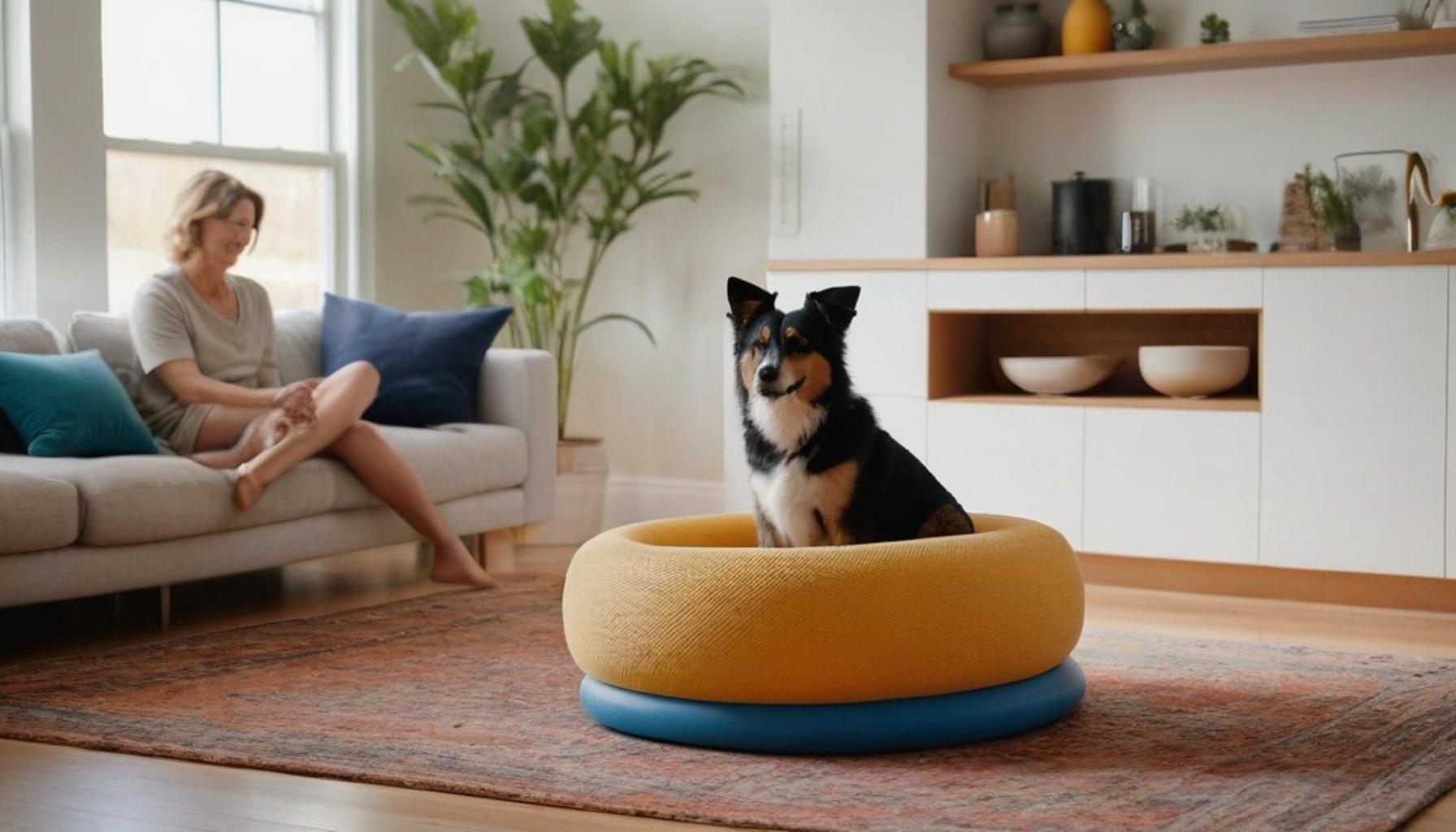
Enhancing Pet Hygiene and Behavior Through Targeted Indoor Exercise Strategies

Why Indoor Pet Exercise Strategies Matter More Than Ever
Lagos apartments, Abuja estates, and Port Harcourt compounds are getting smaller, but our pets still need room to move. Indoor Pet Exercise Strategies have become a practical answer for Nigerian pet owners who lack access to large outdoor spaces. This shift is not just about fitness; it directly affects hygiene and behavior at home.
Property values in urban Nigeria continue to rise, pushing families into more compact living arrangements. What used to be a spacious backyard in Ikeja or a wide compound in Enugu has, for many, become a modest balcony or a shared courtyard. Pets have not adjusted their natural instincts to match this new reality, and that mismatch often shows up in unexpected ways around the house.
The Hidden Connection Between Movement and Mess
A bored dog chews furniture. A restless cat scratches walls or refuses the litter box. Pet hygiene tips often overlook one critical factor: physical activity levels directly influence cleanliness habits indoors.
Consider these common issues linked to inactivity:
- Excessive shedding due to stress
- Litter box avoidance in cats
- Destructive chewing in dogs
- Increased indoor accidents
Veterinary observations across Nigerian clinics suggest that pets confined without adequate stimulation release pent-up energy through disruptive behavior. A dog left alone for long hours in a one-bedroom flat in Surulere may develop anxiety that manifests as gnawing on chairs, doors, or electrical wires. Similarly, an indoor cat with no vertical outlets might redirect frustration toward curtains or upholstery, leaving owners puzzled about the root cause.
What This Article Will Explore
This piece breaks down practical, science-backed methods for dog behavior improvement and feline wellness through structured movement. You will discover specific indoor activities for pets that require minimal space but deliver measurable results.
Expect detailed guidance on:
- Effective cat exercise routines using vertical space and puzzle feeders
- Proven pet training techniques that combine exercise with obedience
- Simple daily routines that reduce shedding and odor
- Tools and equipment suited for Nigerian homes
These strategies are designed with local realities in mind, factoring in unpredictable power supply, limited storage for bulky equipment, and the tropical climate that affects how often pets can safely play outdoors. Whether you own a compact terrier in a Lekki flat or a curious cat in an Abuja duplex, the recommendations ahead adapt to varying budgets and living conditions.
By the end, pet owners across Nigeria will have a clear, actionable framework. One that transforms limited indoor space into an effective training and hygiene solution, proving that a small home need not mean a restless, unhealthy, or destructive pet.
YOU MAY ALSO LIKE: Health Monitoring Through Structured Indoor Exercise: Ensuring Pet Hygiene and Fitness
Understanding the Science Behind Indoor Pet Exercise Strategies
Before jumping into routines, it helps to understand why Indoor Pet Exercise Strategies work at a physiological level. Physical exertion triggers the release of serotonin and dopamine in both cats and dogs, chemicals that regulate mood and reduce compulsive behaviors. Without this outlet, pets often turn to self-soothing habits that owners mistake for stubbornness or spite. Understanding this biological mechanism transforms how many pet owners approach daily care, shifting the focus from punishment to prevention.
Animal behaviorists working with Nigerian pet clinics note a pattern: dogs and cats confined to small flats for more than eight hours daily show measurably higher rates of destructive behavior compared to pets with structured movement breaks. This is not a coincidence. Energy that has nowhere to go gets redirected into chewing, scratching, or vocalizing. Some veterinarians in Lagos have gone as far as recommending short, scheduled play sessions as a formal part of a pet’s health plan, treating exercise with the same seriousness as vaccination or deworming.
How Inactivity Translates Into Hygiene Problems
Many owners searching for pet hygiene tips assume cleanliness issues stem purely from diet or grooming neglect. That is only part of the picture. Stress-induced shedding, for instance, increases significantly when a pet lacks daily stimulation, leaving more fur on floors, sofas, and rugs. What looks like a simple cleaning chore is frequently a symptom of an unmet physical need.
Cats present a particularly telling example. A feline without adequate vertical or physical outlets may begin avoiding the litter box altogether, not out of defiance, but as a stress response. This is where consistent cat exercise routines become essential rather than optional. Owners who introduce even ten minutes of interactive play using a wand toy or a rolled sock often report noticeable improvements within days, long before any dietary changes could plausibly account for the shift.
Here is how inactivity commonly manifests indoors:
- Matted or excessive shedding fur from cortisol spikes linked to boredom
- Litter box avoidance triggered by anxiety rather than uncleanliness
- Persistent chewing or scratching on furniture, doors, and wires
- Unusual odor buildup from stress-related overgrooming or skin issues
Each of these problems has a behavioral root that generic cleaning products or air fresheners cannot fix. Addressing the cause, insufficient movement, produces longer-lasting results than treating the symptoms alone. Many households spend considerable sums on deodorizing sprays and specialty shampoos without realizing that a structured play schedule might solve the problem at its source, saving both money and frustration.
Why Nigerian Households Face Unique Challenges
Space constraints are only one part of the equation. Nigeria’s climate adds another layer of complexity. Midday heat in cities like Kano or Ibadan often makes outdoor play uncomfortable or unsafe for pets between 11 a.m. and 4 p.m., pushing exercise indoors by necessity rather than choice. Dogs with thick coats, in particular, face a real risk of heat exhaustion if walked during these peak hours, making early morning or late evening the only safe windows for outdoor activity.
Power outages further complicate matters. Electric toys, treadmills, or automated feeders that double as enrichment tools become unreliable when supply is inconsistent. This makes manual, low-tech indoor activities for pets far more practical for the average Nigerian household than imported gadgets requiring constant electricity. Simple tools such as puzzle feeders, cardboard boxes, or homemade obstacle courses using furniture can deliver the same enrichment benefits without depending on a functioning generator or inverter.
Recognizing these local realities is the first step toward building routines that actually work, not routines copied from foreign pet blogs that assume unlimited space, stable power, and mild weather year-round. Pet owners across Nigeria are increasingly experimenting with hybrid schedules, blending brief outdoor bursts during cooler hours with sustained indoor engagement throughout the rest of the day, proving that effective pet care does not require expensive equipment, only thoughtful adaptation to the environment at hand.

Indoor Pet Exercise Strategies: Key Aspects at a Glance
Before diving deeper, this quick-reference table highlights how Indoor Pet Exercise Strategies connect physical activity, hygiene, and behavior. Each row reveals a targeted approach worth exploring further.
| Category | Key Benefits & Aspects |
|---|---|
| Puzzle Feeders | Reduces anxiety-driven chewing and slows eating, supporting digestion and calmer indoor activities for pets. |
| Scent Games | Boosts dog behavior improvement by channeling instinctual energy, reducing destructive habits indoors. |
| Vertical Climbing Structures | Essential for cat exercise routines, improving muscle tone and reducing litter box avoidance issues. |
| Post-Play Grooming | Reinforces pet hygiene tips by pairing activity with brushing, minimizing shedding and odor buildup. |
| Reward-Based Drills | Combines pet training techniques with movement, strengthening obedience and reducing stress-related messes. |
Practical Indoor Pet Exercise Strategies That Deliver Measurable Results
Turning theory into daily practice requires structure, not guesswork. Indoor Pet Exercise Strategies succeed when they are consistent, brief, and matched to the animal’s energy level rather than the owner’s schedule alone. A ten-minute session repeated three times a day often outperforms one exhausting hour, since it mirrors how animals naturally expend energy in short, intense bursts followed by rest. This pattern reflects what wildlife biologists have long observed in wild canines and felines, where hunting and play happen in quick spurts rather than prolonged marathons.
Dog owners in Abuja apartments have found success with structured “hallway sprints,” short back-and-forth runs using a favorite toy as motivation. This costs nothing, requires no equipment, and fits within corridors as narrow as two meters. For breeds like the Nigerian-bred Aseda dog or smaller mixed breeds common in urban compounds, this method burns off pent-up energy without needing a backyard. Some residents in Lagos high-rise estates have adapted the same idea using stairwells shared between floors, turning an otherwise unused space into a functional exercise zone during early morning hours before neighbors begin their commute.
Building a Weekly Routine for Dog Behavior Improvement
Consistency matters more than intensity when pursuing Dog behavior improvement. A dog that knows exercise happens at 7 a.m. and 6 p.m. daily develops predictable habits, reducing anxious barking or pacing that often occurs when routines are erratic. Dogs, much like humans, respond well to rhythm; an unpredictable schedule can actually heighten stress rather than relieve it, undermining the very goal owners are trying to achieve.
Consider structuring the week around these core elements:
- Tug-of-war sessions lasting five to seven minutes to build focus and reduce nipping behavior
- Hide-and-seek with treats hidden around the living room to stimulate scent-tracking instincts
- Stair climbing drills for households with multiple floors, an efficient calorie burner
- Basic obedience drills combined with movement, reinforcing pet training techniques while tiring the dog physically
Veterinary technicians in Port Harcourt report that dogs engaged in this kind of layered routine show a noticeable drop in furniture destruction within two to three weeks, a timeline consistent with how quickly behavioral conditioning typically takes hold. Some clinics have even begun recommending simple exercise logs, encouraging owners to jot down duration and activity type so patterns become easier to spot and adjust over time.
Cat-Specific Adjustments Worth Noting
Cats respond differently than dogs, favoring unpredictability over repetition. Effective cat exercise routines often involve varying the toy, the location, and the timing to keep the animal genuinely engaged rather than bored by sameness. A cat that masters a toy’s movement pattern within days will quickly lose interest, so rotating between two or three different options every week tends to sustain curiosity far longer.
Vertical space plays an outsized role here. Installing simple shelves or repurposing a bookshelf as a climbing structure can double a cat’s usable territory without expanding the apartment itself. This single adjustment frequently resolves scratching issues on walls or doors, since the cat redirects that energy toward climbing instead. Many Nigerian households already own sturdy furniture pieces that, with a few strategic additions, can be converted into makeshift climbing towers at minimal cost.
Feather wands, laser pointers used briefly, and crumpled paper balls remain inexpensive yet reliable tools. The goal is not exhaustion but engagement, roughly fifteen minutes divided across two or three short sessions daily tends to satisfy most indoor cats without overstimulating them. Overuse of laser pointers, however, deserves caution, since cats cannot physically “catch” the light, which may lead to frustration if not paired occasionally with a tangible reward.
Owners who track shedding patterns often notice a measurable reduction within the first month of applying these adjustments, reinforcing the direct link between physical engagement and the broader pet hygiene tips discussed earlier in this piece.
LEARN MORE: The Importance of Exercise Planning for Behavioral Guidance in Indoor Cats and Dogs
Bringing It All Together: A Cleaner, Calmer Home Through Consistent Movement
The connection between physical activity and household harmony is no longer speculative, it plays out daily in compounds across Lagos, Abuja, and Port Harcourt. Indoor Pet Exercise Strategies are not a luxury reserved for owners with sprawling backyards; they are practical, low-cost adjustments that any Nigerian household can implement within existing space.
Throughout this article, a clear pattern emerges: structured, brief sessions consistently outperform sporadic bursts of activity. Whether it’s hallway sprints for dogs or vertical climbing towers for cats, the underlying principle remains the same, predictable engagement reduces destructive behavior while improving overall wellbeing.
The hygiene benefits deserve equal attention. Reduced shedding, fewer skin irritations, and calmer grooming habits often follow within weeks of adopting these routines. This reinforces why pet hygiene tips and exercise planning should never be treated as separate concerns but as two sides of the same strategy.
For households juggling busy schedules, the takeaway is simple:
- Prioritize consistency over duration
- Match indoor activities for pets to their natural instincts rather than convenience
- Track progress, whether through shedding patterns or reduced furniture damage
- Adjust pet training techniques gradually rather than expecting overnight transformation
Looking ahead, as urban living spaces continue shrinking across Nigerian cities, the demand for creative, space-efficient solutions will only grow. Pet owners who invest time now in structured Dog behavior improvement and cat exercise routines are likely to see returns not just in cleaner homes, but in stronger bonds with animals that feel genuinely understood. The evidence suggests this isn’t merely about managing mess, it’s about recognizing that a well-exercised pet is, quite simply, a healthier and happier companion.
Frequently Asked Questions
Why are indoor pet exercise strategies important during Nigeria’s rainy season?
Heavy rains and flooding common in Nigeria’s wet season often make outdoor walks unsafe or impossible for weeks at a time. Indoor pet exercise strategies like tug-of-war, puzzle feeders, and hallway fetch keep pets active and mentally stimulated without exposure to mud, waterborne parasites, or storms. This helps prevent boredom-related destructive behavior and skin infections linked to dirty, wet conditions outside.
Can indoor exercise really improve my dog’s hygiene, or does it only affect behavior?
Indoor pet exercise strategies improve hygiene by reducing a dog’s urge to roll in dirt, dig, or scavenge for stimulation outdoors, which are common causes of skin infections and flea infestations in Nigerian compounds. Structured indoor play also tires pets out, lowering excessive licking and scratching often triggered by anxiety or excess energy. Combined with regular grooming, this creates a cleaner, calmer pet overall.
What are some simple indoor exercise activities I can do with limited space in a Lagos apartment?
For small Nigerian apartments, try stair climbing, tug-of-war, hide-and-seek with treats, or rolling a ball down a hallway for 15 to 20 minutes daily. Puzzle toys and treat-dispensing balls also work well for cats and small dogs without needing much floor space. These low-space activities still burn energy and reduce hyperactive or destructive behavior indoors.
How often should I use these indoor exercise strategies to see behavior changes in my pet?
Most pets show noticeable behavior improvements within one to two weeks when given 20 to 30 minutes of focused indoor exercise at least twice daily. Consistency matters more than duration, so short, regular sessions work better than occasional long ones. Nigerian pet owners with busy schedules can split sessions into morning and evening slots around work hours.
Are indoor exercise strategies suitable for cats too, not just dogs?
Yes, indoor pet exercise strategies work very well for cats, especially since most Nigerian households keep cats indoors for safety from street dogs and traffic. Interactive toys, laser pointers, cat trees, and feather wands help satisfy a cat’s hunting instinct and reduce litter box avoidance linked to stress. Regular play also curbs excessive grooming and hairball issues caused by inactivity.
Can targeted indoor exercise reduce pet odor and shedding in humid Nigerian homes?
Indoor pet exercise strategies help regulate a pet’s stress hormones, which are often responsible for excessive shedding and oily skin that worsens odor in Nigeria’s humid climate. Active pets also groom themselves more efficiently and are less prone to matting, which traps sweat and bacteria. Pairing exercise with routine brushing further minimizes odor between baths.

Linda Carter
Linda Carter is a writer and pet care expert specializing in pet health, grooming, and wellness. With extensive experience helping pet owners create safe, loving, and enriching environments for their animals, Linda shares her knowledge on our platform. Her goal is to empower readers with practical advice and strategies to ensure their pets thrive and lead joyful, healthy lives.