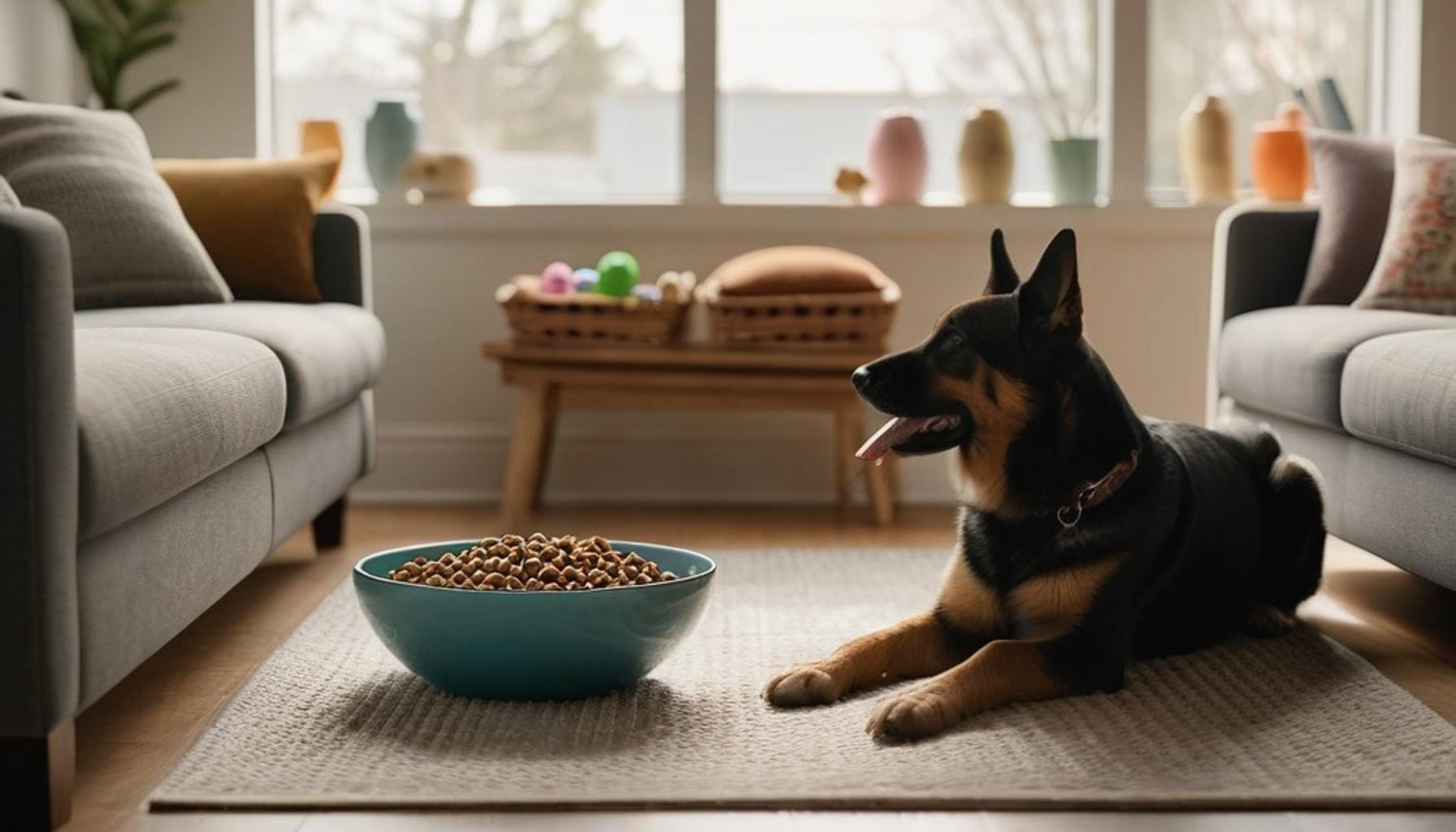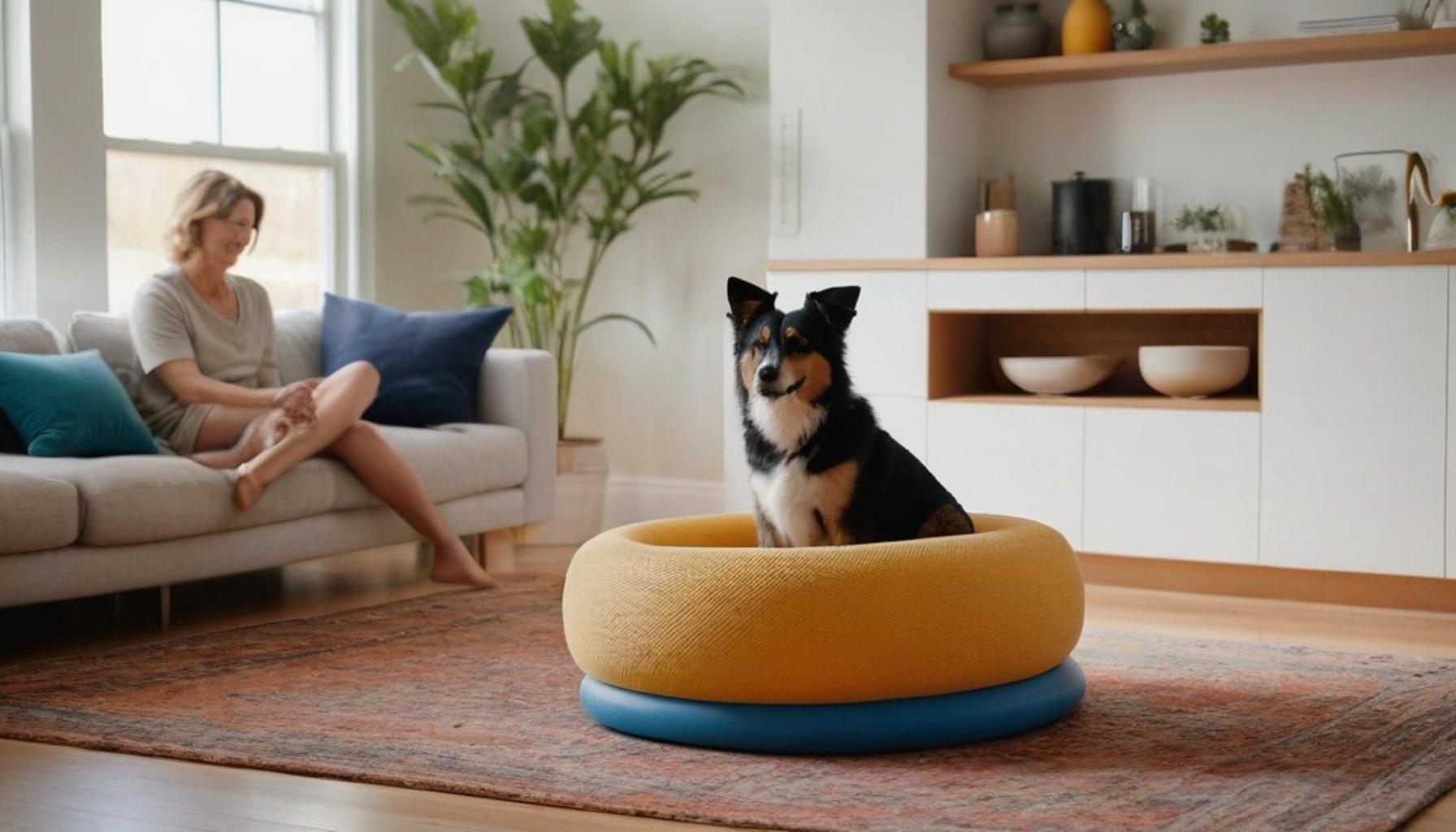
Creating an Effective Indoor Exercise Plan for Dogs and Cats: Balancing Feeding Routines and Activity Levels
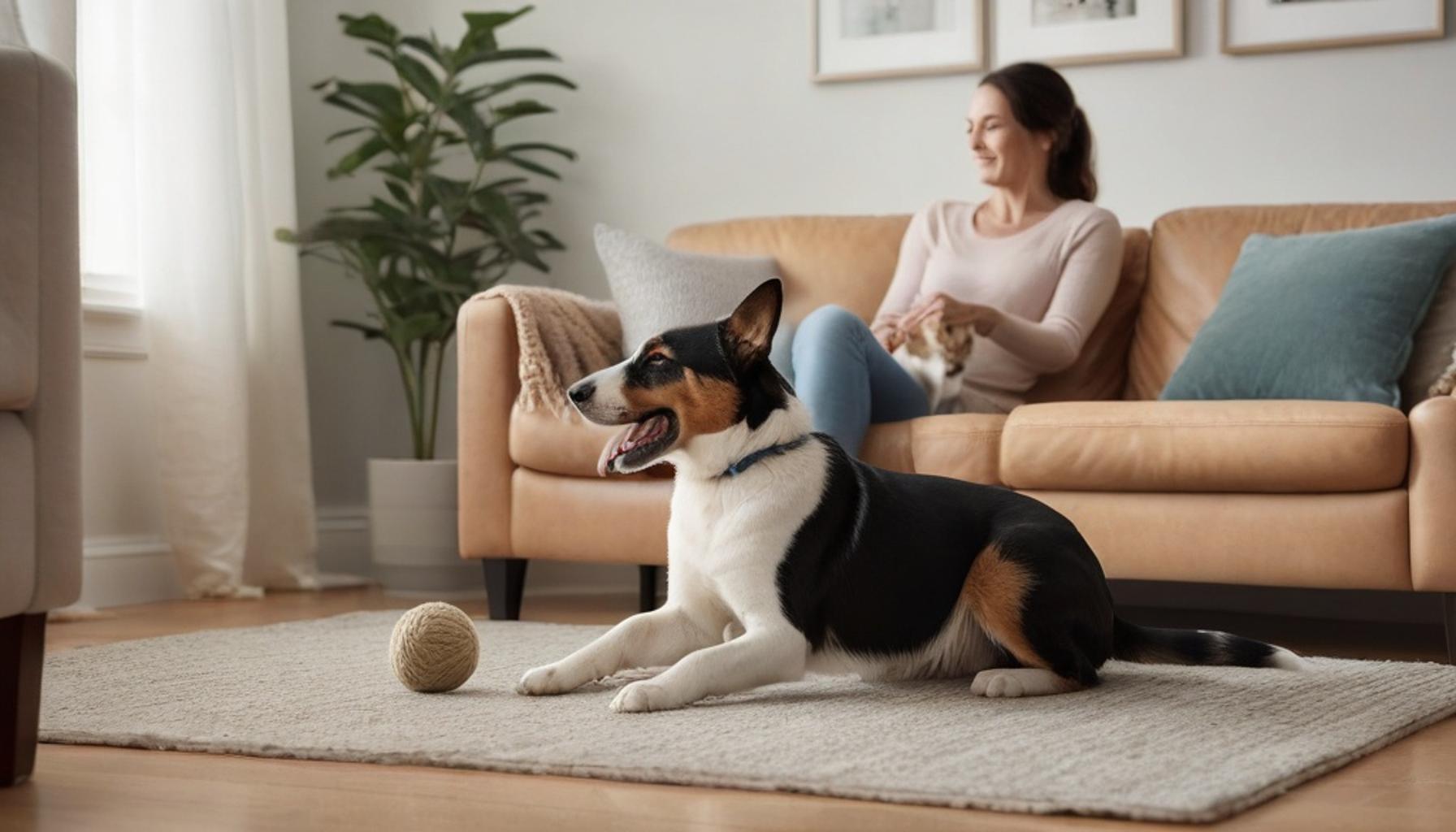
Why Every Nigerian Pet Owner Needs an Indoor Exercise Plan for Dogs and Cats
From the busy streets of Lagos to the quieter neighborhoods of Abuja and Port Harcourt, more Nigerian households are welcoming dogs and cats into apartments and compounds with limited outdoor space. An effective indoor exercise plan for dogs and cats has become less of a luxury and more of a necessity for urban pet owners navigating tight living quarters and unpredictable weather patterns.
Rising temperatures, unpredictable rains, and security concerns in many cities often keep pets confined indoors for longer stretches than owners would prefer. Without proper pet fitness indoor activities, this can quickly lead to weight gain, boredom, and behavioral issues such as excessive barking, destructive chewing, or lethargy that leaves pets uninterested in their surroundings.
Consider these common challenges Nigerian pet owners face daily:
- Limited compound space for dogs to run freely, especially in high-density areas like Surulere or Yaba
- Extreme heat discouraging outdoor walks during certain hours, particularly between noon and 3pm
- Busy work schedules reducing time available for pet play, as many owners commute long hours in traffic
- Indoor-only cats requiring creative stimulation to prevent them from becoming withdrawn or overweight
The good news? Dog exercise routines at home and cat play and exercise ideas can be just as effective as outdoor activities when done correctly. A well-structured routine keeps pets physically fit and mentally sharp, reducing veterinary bills that often arise from preventable obesity-related conditions such as joint strain and diabetes.
Interestingly, veterinarians across major Nigerian cities have reported a noticeable rise in overweight pets over the past few years, largely linked to inactive indoor lifestyles. This trend mirrors patterns seen in other rapidly urbanizing African cities, where pets increasingly live in confined spaces without adequate stimulation.
However, exercise alone isn’t enough. Balancing pet feeding and activity levels plays an equally critical role in maintaining your pet’s overall health and preventing obesity-related complications. Feeding a high-energy dog the same portions meant for a sedentary lifestyle, for instance, can quickly tip the scales toward unhealthy weight gain.
This article explores practical, budget-friendly ways to create indoor games for pets that fit into typical Nigerian living conditions, from cramped Lagos flats to spacious Abuja compounds. You’ll discover feeding schedules, activity timelines, and simple techniques using everyday household items to keep both your dog and cat active, healthy, and happy indoors, regardless of the weather outside or the square footage available.
Understanding Your Pet’s Energy Needs Before You Begin
Before diving into any indoor exercise plan for dogs and cats, it helps to understand that not every pet requires the same amount of activity. A Boerboel puppy bursting with energy in a Lekki apartment has vastly different needs compared to an aging Persian cat lounging in a Kaduna home. Getting this baseline right is the foundation of effective dog exercise routines at home.
Breed, age, and health status determine how much movement your pet actually needs daily. Veterinary guidelines suggest that active dog breeds require between 30 and 60 minutes of physical activity daily, split into manageable sessions, while cats generally need shorter but more frequent bursts of play, often around 10 to 15 minutes, several times a day. These figures, however, are not fixed rules carved in stone. They shift depending on individual temperament, previous training, and even the climate patterns familiar across different Nigerian regions, from the humid coastal air of Port Harcourt to the drier heat of Sokoto.
Nigerian pet owners often underestimate how much indoor space can actually accommodate. A modest sitting room in a Yaba flat, for example, can be transformed into a functional activity zone with a few adjustments. Rearranging furniture temporarily, clearing hallway clutter, or designating a corner with a rug for stretching exercises can make a noticeable difference. Even balconies in high-rise Abuja apartments have proven useful for supervised stretching and light play when ground-level access is limited.
Key Factors That Shape Your Pet’s Exercise Requirements
- Breed characteristics — working breeds like German Shepherds and Caucasian Shepherds need more structured activity than smaller companion breeds
- Age and mobility — puppies and kittens require frequent short bursts, while senior pets benefit from gentler, low-impact movement
- Current weight and body condition — overweight pets need gradual activity increases to avoid joint strain
- Existing health conditions — pets with arthritis or heart issues require vet-approved exercise modifications
Once these factors are clear, creating pet fitness indoor activities becomes far less complicated. It’s not about mimicking outdoor exercise exactly, but adapting movement to fit available indoor space and your pet’s specific physical capacity. Many local vets in Lagos and Ibadan now recommend interactive feeding toys as a clever bridge between mental stimulation and physical exertion, especially for pets confined mostly indoors due to security concerns in certain neighborhoods.
Many Nigerian veterinarians recommend starting with a simple activity audit. Observe your pet for a week, noting energy peaks, restlessness patterns, and how quickly they tire during play. This informal assessment often reveals surprising insights, such as a cat that seems lazy during the day but becomes remarkably active at dusk, a behavior rooted in natural crepuscular instincts inherited from wild ancestors. Dog owners frequently discover similar patterns, noticing their pets show heightened alertness during early morning hours before the heat intensifies.
This observation period also sets the stage for balancing pet feeding and activity levels effectively. Pets burning more energy through structured play require adjusted caloric intake, while less active pets need portion control to prevent unwanted weight gain. Skipping this step often leads to mismatched feeding schedules that undermine even the most well-intentioned exercise routines. Nutritionists working with Nigerian pet clinics increasingly emphasize that locally available protein sources, when properly portioned, can support these adjusted routines without straining household budgets.
With a clear picture of your pet’s unique needs, you’re ready to explore specific indoor games for pets that transform ordinary living spaces into engaging, health-boosting environments, turning what once felt like a limitation into an opportunity for creative, meaningful interaction.

Key Aspects of an Indoor Exercise Plan for Dogs and Cats
Building an effective indoor exercise plan for dogs and cats requires balancing structured activity with mindful feeding schedules. The table below highlights essential categories every pet owner should understand before designing a routine that supports weight management, mental stimulation, and long-term health.
| Category | Key Features & Benefits |
|---|---|
| Dog Exercise Routines at Home | Tug-of-war, stair climbing, and puzzle toys burn 200-300 calories daily, reducing obesity risk. |
| Cat Play and Exercise Ideas | Feather wands and laser pointers trigger natural hunting instincts, improving muscle tone. |
| Balancing Pet Feeding and Activity | Timing meals 30 minutes post-exercise aids digestion and prevents bloating. |
| Indoor Games for Pets | Hide-and-seek and treat-dispensing toys boost cognitive engagement and reduce anxiety. |
Pet fitness indoor activities extend beyond simple play sessions. Veterinary studies show that 15-20 minutes of structured movement, twice daily, significantly improves cardiovascular health in both species.
Understanding your pet’s caloric needs relative to their activity level prevents overfeeding, a common issue affecting nearly 56% of dogs and cats in the United States today.
RECOMMENDED: Health Monitoring Through Structured Indoor Exercise: Ensuring Pet Hygiene and Fitness
# Designing Practical Indoor Games and Structuring Feeding Around ActivityOnce you understand your pet’s baseline energy needs, the next step in building a sustainable indoor exercise plan for dogs and cats involves selecting activities that actually work within Nigerian home settings. Not every game translates well to a compact Surulere flat or a shared compound in Enugu, so practicality matters as much as enthusiasm.Puzzle feeders and treat-dispensing balls have gained popularity among Lagos pet owners precisely because they combine mental stimulation with physical movement. A dog nudging a treat ball across tiled floors burns more energy than one simply eating from a bowl. Cats respond similarly to feather wands and laser pointers, activities that trigger natural hunting instincts without requiring outdoor space.
Effective Indoor Games for Dogs and Cats
- Stair climbing sessions — useful for multi-level homes in Abuja or Port Harcourt, building cardiovascular fitness safely
- Hide-and-seek with treats — encourages scent-tracking behavior while limiting space requirements
- Tug-of-war with rope toys — strengthens muscles for dogs without needing large rooms
- Cardboard box mazes — inexpensive and effective for cats craving exploration and climbing
- Fetch down hallways — adaptable for narrower Nigerian apartment layouts
These cat play and exercise ideas cost little yet deliver measurable benefits. A 2022 companion animal wellness survey noted that pets engaged in daily interactive play showed reduced destructive behavior and improved sleep patterns, findings echoed by several veterinary clinics across Ibadan and Kano.Structuring dog exercise routines at home also means considering timing. Many Nigerian households experience unpredictable power outages, so scheduling active play during cooler morning or evening hours avoids overheating, particularly for brachycephalic breeds like Pugs that struggle with humidity.
Aligning Feeding Schedules With Activity Levels
Balancing pet feeding and activity requires more than simply reducing or increasing food quantity. Timing plays a significant role. Feeding a large meal immediately before vigorous play can cause digestive discomfort, even bloat in certain dog breeds, while feeding too long after exercise may lead to overeating.Veterinary nutritionists generally recommend waiting 30 to 45 minutes after intense activity before offering a full meal. For cats, splitting daily food into three or four smaller portions aligned with play sessions mimics natural hunting-and-eating cycles more closely than one or two large feedings.Households juggling irregular work schedules, common across busy Nigerian cities, can still maintain consistency using timed feeders. These devices, increasingly available through Lagos and Abuja pet suppliers, help regulate portions even when owners are away, preventing the feeding chaos that often derails otherwise solid pet fitness indoor activities plans.Monitoring body condition monthly remains one of the simplest ways to confirm whether feeding and activity levels are properly balanced, adjusting portions or play intensity as needed rather than waiting for noticeable weight changes.
SEE ALSO: The Importance of Exercise Planning for Behavioral Guidance in Indoor Cats and Dogs
Final Thoughts on Building a Sustainable Routine
Creating a workable indoor exercise plan for dogs and cats is less about grand gestures and more about consistency. Nigerian pet owners navigating cramped Lagos apartments, unpredictable power supply, or compound-sharing arrangements in Enugu can still deliver meaningful fitness without a backyard or daily outdoor walks.
The real success lies in combining three elements: understanding an animal’s baseline energy requirements, introducing varied indoor games for pets that respect spatial limitations, and syncing meal timing with activity levels rather than treating feeding and exercise as separate routines.
Simple additions like puzzle feeders, stair climbing, or cardboard mazes prove that pet fitness indoor activities do not require expensive equipment. What matters more is regularity and observation.
Owners who commit to structured dog exercise routines at home, paired with sensible feeding intervals, often notice fewer digestive issues and calmer behavior within weeks.
Cats benefit equally from intentional stimulation. Exploring different cat play and exercise ideas, such as feather wands or hunting-style feeding, taps into instincts that indoor living can otherwise suppress.
Ultimately, balancing pet feeding and activity is an ongoing process, not a fixed formula. Monthly body condition checks, flexible scheduling around Nigeria’s often unpredictable daily rhythms, and willingness to adjust portions or play intensity all contribute to long-term wellness.
Pet owners who treat this balance as a continuous conversation, rather than a one-time setup, tend to raise healthier, more emotionally settled companions. Consider this article a starting point. As your dog or cat grows, ages, or changes environments, revisiting these habits will keep their indoor lifestyle both enjoyable and genuinely beneficial.
Frequently Asked Questions
How can I create an indoor exercise plan for dogs and cats during Nigeria’s rainy season when outdoor walks aren’t possible?
Use interactive toys, tunnels, and stair climbing to keep dogs active, while cats can chase feather wands or laser pointers for at least 15 to 20 minutes twice daily. Rotate toys weekly to prevent boredom, and consider setting up an obstacle course using household items like chairs and boxes. This keeps energy levels balanced even when heavy rains keep pets confined indoors for days at a time.
How do I balance feeding times with indoor exercise for a dog or cat that stays indoors all day due to Lagos traffic and my work schedule?
Feed a light portion in the morning before a short play session, then schedule the main meal about 30 minutes after the more intense evening exercise once you’re back from work. This prevents bloating or vomiting from exercising right after a full meal. Automatic feeders can also help maintain consistent feeding times even if your commute makes you arrive home late.
What indoor exercises work best for local Nigerian dog breeds like Aseusu or Ajawaka that are used to more outdoor freedom?
These active local breeds benefit from tug-of-war, fetch in a hallway or compound veranda, and puzzle feeders that make them work for treats. Since they’re naturally energetic, aim for at least 30 to 45 minutes of combined play daily to prevent restlessness or destructive behavior. Adding short training sessions like sit, stay, and recall also engages them mentally when outdoor space is limited.
How much indoor playtime does an average Nigerian household cat need compared to a dog on the same daily schedule?
Cats generally need shorter but more frequent bursts of activity, around 10 to 15 minutes, three to four times a day, using toys that mimic hunting like mice on strings or crinkle balls. Dogs typically require longer continuous sessions, ideally 20 to 30 minutes twice daily, to burn similar energy levels. Adjusting portion sizes slightly on high-activity days helps both pets maintain a healthy weight without overfeeding.
LEARN MORE: Best Indoor Exercises for Dogs and Cats: Keep Pets Healthy and Active

Linda Carter
Linda Carter is a writer and pet care expert specializing in pet health, grooming, and wellness. With extensive experience helping pet owners create safe, loving, and enriching environments for their animals, Linda shares her knowledge on our platform. Her goal is to empower readers with practical advice and strategies to ensure their pets thrive and lead joyful, healthy lives.