Incorporating Feeding Routines into Your Indoor Cats and Dogs Exercise Plan for Optimal Health
Why Feeding and Fitness Must Work Together
Lagos apartments and Abuja duplexes are increasingly home to indoor cats and dogs who rarely see the outdoors. Without careful planning, this lifestyle can quickly lead to weight gain, boredom, and health complications. That’s where a well-structured Indoor cats and dogs exercise plan becomes essential.
Many Nigerian pet owners focus solely on exercise or diet, treating them as separate concerns. However, feeding routines for pets and physical activity are deeply connected, influencing everything from digestion to energy levels.
Think about your own routine for a moment. Eating a heavy meal of jollof rice and turkey right before a workout would leave anyone feeling sluggish and uncomfortable. The same principle applies to your cat or dog. When feeding times clash with play sessions, pets experience digestive discomfort, reduced enthusiasm for activity, and even nausea. This mismatch is one of the most overlooked reasons why indoor pets struggle to maintain healthy weight and mood despite owners genuinely trying their best.
The Hidden Cost of Ignoring This Balance
Veterinary data shows that indoor pets are up to twice as likely to become obese compared to their outdoor counterparts. This single statistic should alarm any pet parent serious about optimal health for indoor pets.
Consider these common consequences of poor feeding-exercise coordination:
- Sluggish digestion and irregular bowel movements
- Unpredictable energy spikes followed by lethargy
- Increased risk of diabetes and joint stress
- Behavioral issues linked to excess, unspent energy
In many Nigerian homes, pets are fed once in the morning and left indoors for the rest of the day with minimal stimulation. This pattern, though common, often results in restless dogs chewing furniture or cats knocking objects off shelves simply because pent-up energy has nowhere else to go. Recognizing this connection is the first step toward meaningful change.
What This Article Will Uncover
This piece explores how timing meals around play sessions can transform your pet’s vitality. A practical dog exercise plan Nigeria pet owners can realistically follow, alongside an effective cat exercise routine, will be broken down step by step.
You will discover how something as simple as adjusting feeding times by thirty minutes before or after activity can significantly improve digestion and behavior. We will also examine how limited space, a common reality in urban Nigerian housing, does not have to limit your pet’s fitness potential. Creative indoor games, short structured walks within compounds, and interactive feeding tools all play a role in this strategy.
Expect actionable insights, feeding schedules, and activity ideas tailored to small living spaces. By the end, you’ll understand exactly how to build sustainable healthy living for indoor pets without overhauling your entire routine.
SEE ALSO: The Role of Exercise in Pet Hygiene: How Regular Activity Can Enhance Your Cat and Dog’s Well-Being
# Understanding the Science Behind Meal Timing and MovementEvery pet owner has watched their dog or cat eat, then immediately curl up for a nap. This isn’t laziness. It’s biology at work, and understanding this process is fundamental to building an effective Indoor cats and dogs exercise plan.
When cats and dogs eat, blood flow concentrates around the digestive system to process the meal. This is called the “cephalic phase response.” Physical exertion during this window competes with digestion for resources, often leading to vomiting, bloating, or in severe cases, a life-threatening condition called Gastric Dilatation-Volvulus, commonly seen in larger dog breeds like German Shepherds and Boerboels, which are increasingly popular in Nigerian homes.
This condition, sometimes referred to as “bloat,” occurs when the stomach fills with gas and twists on itself, cutting off blood supply. It can turn fatal within hours if untreated. Veterinary clinics across Lagos, Abuja, and Port Harcourt have reported cases linked directly to owners exercising their dogs too soon after large meals, particularly during evening walks meant to beat the daytime heat. Understanding this risk isn’t about instilling fear. It’s about equipping pet owners with the knowledge to make smarter choices.
How Long Should You Wait?
Veterinary professionals generally recommend specific windows between feeding and exercise. Ignoring these guidelines undermines even the most disciplined feeding routines for pets.
- Wait at least 30 minutes after light play before feeding
- Allow one to two hours after a full meal before vigorous activity
- Offer water consistently but avoid large water intake right before exercise
- Schedule the most intense activity during cooler parts of the day, particularly relevant in Lagos’s humid climate
These aren’t arbitrary rules. They reflect how a pet’s body allocates energy and manages internal temperature, especially critical in Nigeria’s tropical heat where overheating combines with poor digestion to create compounding health risks. A dog that has just eaten and is then rushed into a brisk jog is essentially fighting two battles simultaneously: digesting food and cooling its body. Neither process works efficiently when forced to share resources.
Why Nigerian Climate Changes the Equation
Unlike temperate countries where feeding-exercise guides are often written, Nigeria’s heat adds another layer of complexity. A dog exercising too soon after eating in 32-degree Lagos afternoon heat faces double stress: digestive strain and thermal regulation difficulties.
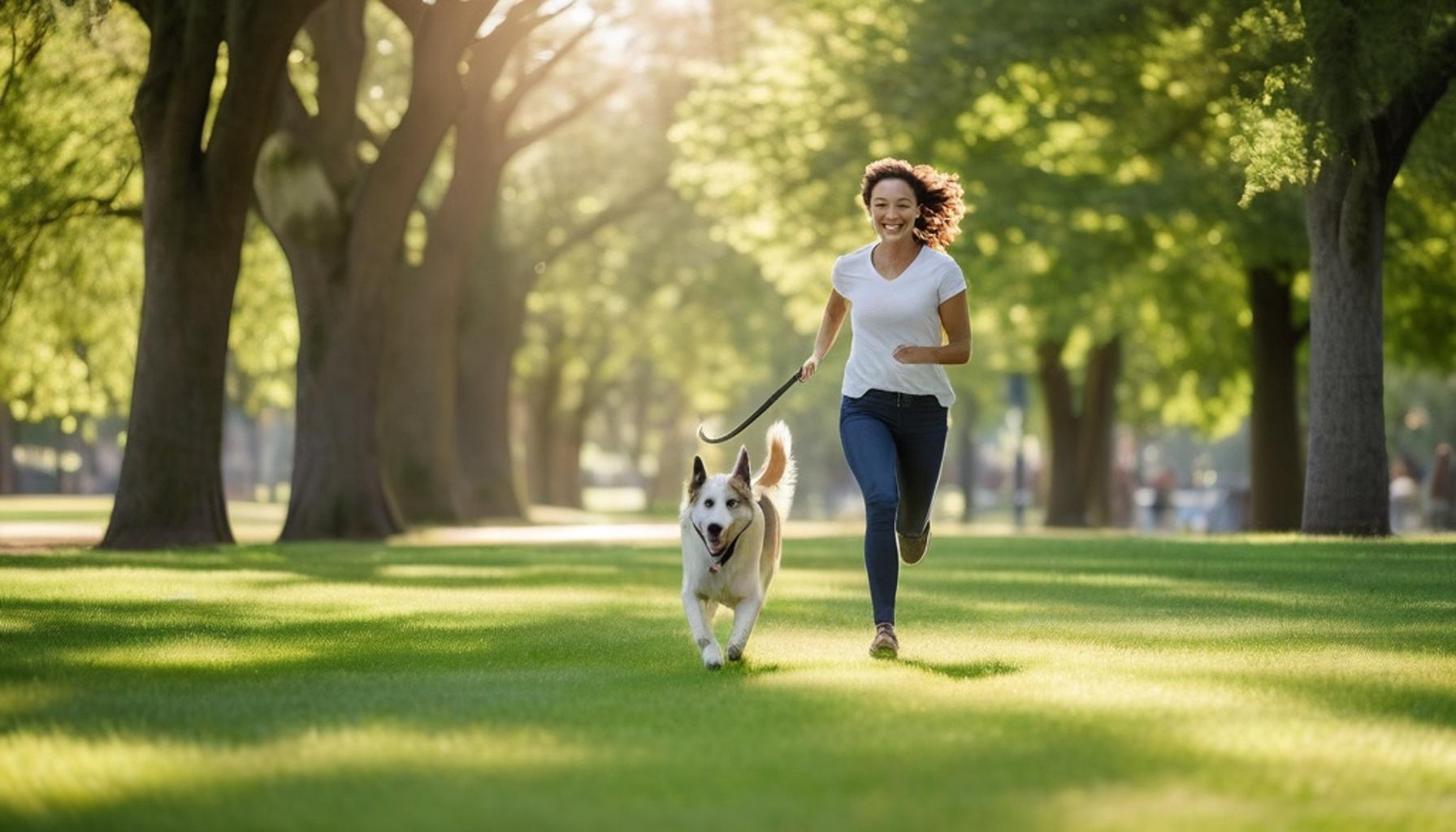
This is why timing matters even more here than in imported pet care guides. A practical dog exercise plan Nigeria pet owners can trust must account for local weather patterns, not just generic international standards. Early morning hours, typically before 9am, or evening periods after 5pm, offer far safer windows for vigorous activity, allowing digestion to proceed undisturbed while temperatures remain manageable.
Cats, being naturally more heat-tolerant and less active during peak afternoon hours, still benefit from an intentional cat exercise routine built around cooler morning or evening periods. Feeding your cat lightly before a play session, rather than a full bowl, keeps her agile and interested rather than sluggish and withdrawn. Many Nigerian cat owners report noticeably livelier play sessions simply by adjusting feeding times around, rather than immediately before, activity.
Recognizing these climate-specific realities transforms generic advice into something genuinely useful for optimal health for indoor pets living within Nigerian households. It also encourages a broader conversation among pet owners, veterinarians, and breeders about tailoring international pet care standards to reflect the realities of tropical living, rather than simply importing advice designed for entirely different climates and lifestyles.
SEE ALSO: Creating an Effective Indoor Exercise Plan for Your Pets: Balancing Feeding Routines and Activity
Building a Weekly Structure That Works for Both Species
Consistency, not intensity, determines whether a feeding routines for pets strategy actually succeeds. Many Nigerian households operate on unpredictable schedules, yet pets thrive on rhythm. A dog or cat fed at wildly different hours each day develops digestive irregularities and unpredictable energy spikes, making any exercise plan difficult to sustain.
Veterinary nutritionists suggest anchoring meals to two fixed points daily, ideally morning and early evening, then building activity around those anchors rather than the reverse. This approach removes guesswork and creates a predictable pattern your pet’s body learns to trust. In cities like Lagos, Abuja, or Port Harcourt, where traffic and work hours can shift daily plans, this predictability becomes even more valuable, offering pets a stable reference point regardless of what chaos unfolds outside the home.
Sample Weekly Framework for Dogs
A workable dog exercise plan Nigeria households can realistically maintain might look like this across a typical week:
- Monday, Wednesday, Friday: 20-minute brisk walk before breakfast, light play two hours after dinner
- Tuesday, Thursday: Short indoor training session (obedience or fetch) mid-morning, longer outdoor walk in the evening after digestion settles
- Saturday: Extended outdoor activity, such as a visit to a compound with open space, scheduled for early morning before the heat intensifies
- Sunday: Rest day with only light leash walking, allowing digestive and muscular recovery
This structure isn’t rigid dogma. It’s a template adaptable to breed size, age, and existing health conditions. A Boerboel puppy, for instance, requires shorter but more frequent activity bursts compared to an adult Alsatian, whose joints need more recovery time between sessions. Owners of local breeds, such as the Nigerian indigenous dog often seen guarding compounds, may find these dogs naturally more resilient to heat, allowing slightly longer sessions even during the hotter months of the dry season.
Weather plays a surprisingly large role in shaping these routines. Between November and February, harmattan dust can irritate a dog’s respiratory system, so shifting walks to slightly later mornings when the air clears becomes a practical adjustment many owners overlook.
Adjusting the Framework for Indoor Cats
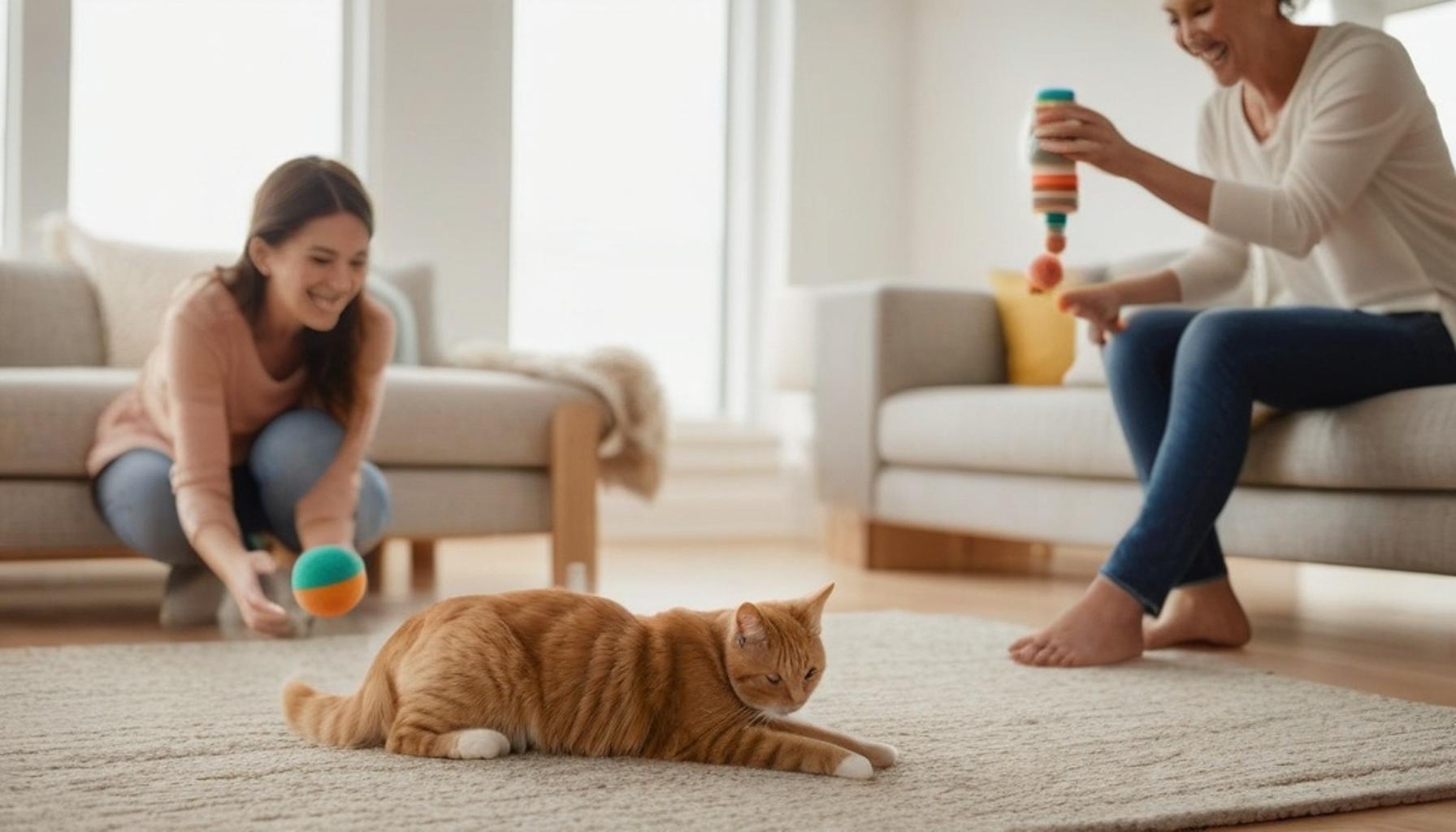
A cat exercise routine demands a different rhythm entirely. Cats are naturally crepuscular, meaning they’re most active during dawn and dusk. Feeding a small portion in the early morning, followed by fifteen minutes of interactive play using feather wands or laser pointers, mimics natural hunting-then-resting cycles.
Evening feeding should similarly follow, not precede, a play session. Cats fed immediately before activity often disengage quickly, preferring to digest rather than chase. Splitting daily food into three or four smaller portions, rather than two large meals, also supports sustained energy levels throughout the day. Indoor cats confined to apartments in urban centers particularly benefit from this structure, since limited space often means limited natural stimulation, and a predictable play-feed cycle compensates for that missing outdoor exploration.
Tracking Progress Without Overcomplicating Things
Pet owners don’t need elaborate spreadsheets to monitor success. Simple observations reveal whether the routine is working:
- Steady weight maintained across weeks, verified through occasional home scale checks
- Consistent stool quality, an often overlooked indicator of digestive health
- Sustained interest during play sessions rather than early fatigue or disinterest
- Improved sleep quality, with fewer restless nighttime episodes
These indicators, tracked loosely over a month, tell pet owners far more than generic advice ever could. A notebook by the feeding bowl, jotted with quick observations, often proves more useful than any digital app promising precision tracking. They reveal whether a household’s approach to healthy living for indoor pets is genuinely working or simply appears organized on paper while falling short in practice.
Bringing Feeding and Movement Together for the Long Term
An effective indoor cats and dogs exercise plan was never meant to function as a rigid schedule copied from a textbook. It’s a living framework, one that bends around Nigerian realities like unpredictable power supply, harmattan dust, and the general unpredictability of daily life in busy cities. What matters most is the underlying principle: pairing food with movement in ways that respect each animal’s natural rhythm.
Dogs benefit from anchored mealtimes that frame their walks and play sessions, while cats respond better to smaller, frequent portions tied to their dawn-and-dusk instincts. Neither species requires perfection, only consistency stretched across weeks and months rather than days.
Nigerian pet owners juggling work, traffic, and family demands shouldn’t feel pressured to overhaul their entire household overnight. Small adjustments, such as shifting a walk by thirty minutes to avoid midday heat, or splitting a cat’s food into three portions instead of two, often produce noticeable improvements within a few weeks.
The broader lesson here extends beyond dogs and cats fed on a schedule. It touches on something larger: the idea that optimal health for indoor pets isn’t purchased through expensive products or imported diets, but built through attentive, repeatable daily habits.
Owners who commit to this approach often notice changes not just in their pet’s body condition, but in temperament, alertness, and overall household harmony. A well-fed, well-exercised animal tends to be calmer, more predictable, and easier to manage within Nigerian home settings where space is often limited.
Ultimately, sustainable healthy living for indoor pets comes down to observation and patience rather than rigid formulas. Pet owners willing to experiment, adjust, and track simple signs of progress will likely find that their pets, whether dog or cat, thrive far more consistently than under any generic, one-size-fits-all routine.
Frequently Asked Questions
How can I combine feeding times with an indoor cats and dogs exercise plan in a Nigerian home?
You can use mealtime as motivation by making your pet work for its food, such as placing kibble in puzzle feeders or having them sit and walk a short distance before eating. This is especially useful in Nigerian apartments with limited outdoor space, as it combines mental stimulation with light physical activity. Splitting meals into smaller portions before and after play sessions also helps regulate energy levels throughout the day.
What time of day is best to feed and exercise indoor pets given Nigeria’s hot climate?
Early morning before 9am and evening after 6pm are ideal since temperatures are cooler, making it safer to exercise your cat or dog shortly after a light meal. Avoid heavy feeding right before vigorous play, as the midday heat combined with a full stomach can cause discomfort or bloating. This schedule fits well into an indoor cats and dogs exercise plan for households in cities like Lagos, Abuja, or Port Harcourt.
Can local Nigerian foods like rice, beans, or garri be used in a pet feeding and exercise routine?
Plain boiled rice and beans in small amounts can be safe occasional additions to a dog’s diet, but they should never replace balanced commercial pet food or fresh meat and vegetables. Garri and heavily spiced local dishes should be avoided since they offer little nutritional value and can upset a cat or dog’s stomach before exercise. Always prioritize protein-rich, vet-recommended meals to properly fuel your pet’s indoor exercise plan.
How do I prevent weight gain in indoor cats and dogs that don’t get much outdoor exercise?
Measure food portions carefully using a standard cup instead of guessing, and avoid leaving food out all day, which encourages overeating with little movement. Incorporate daily indoor activities like chasing toys, climbing cat trees, or short leash walks within a compound to burn calories consistently. Regularly monitoring your pet’s weight and adjusting both diet and activity levels is key to preventing obesity common among sedentary indoor pets in Nigerian homes.

Linda Carter
Linda Carter is a writer and pet care expert specializing in pet health, grooming, and wellness. With extensive experience helping pet owners create safe, loving, and enriching environments for their animals, Linda shares her knowledge on our platform. Her goal is to empower readers with practical advice and strategies to ensure their pets thrive and lead joyful, healthy lives.