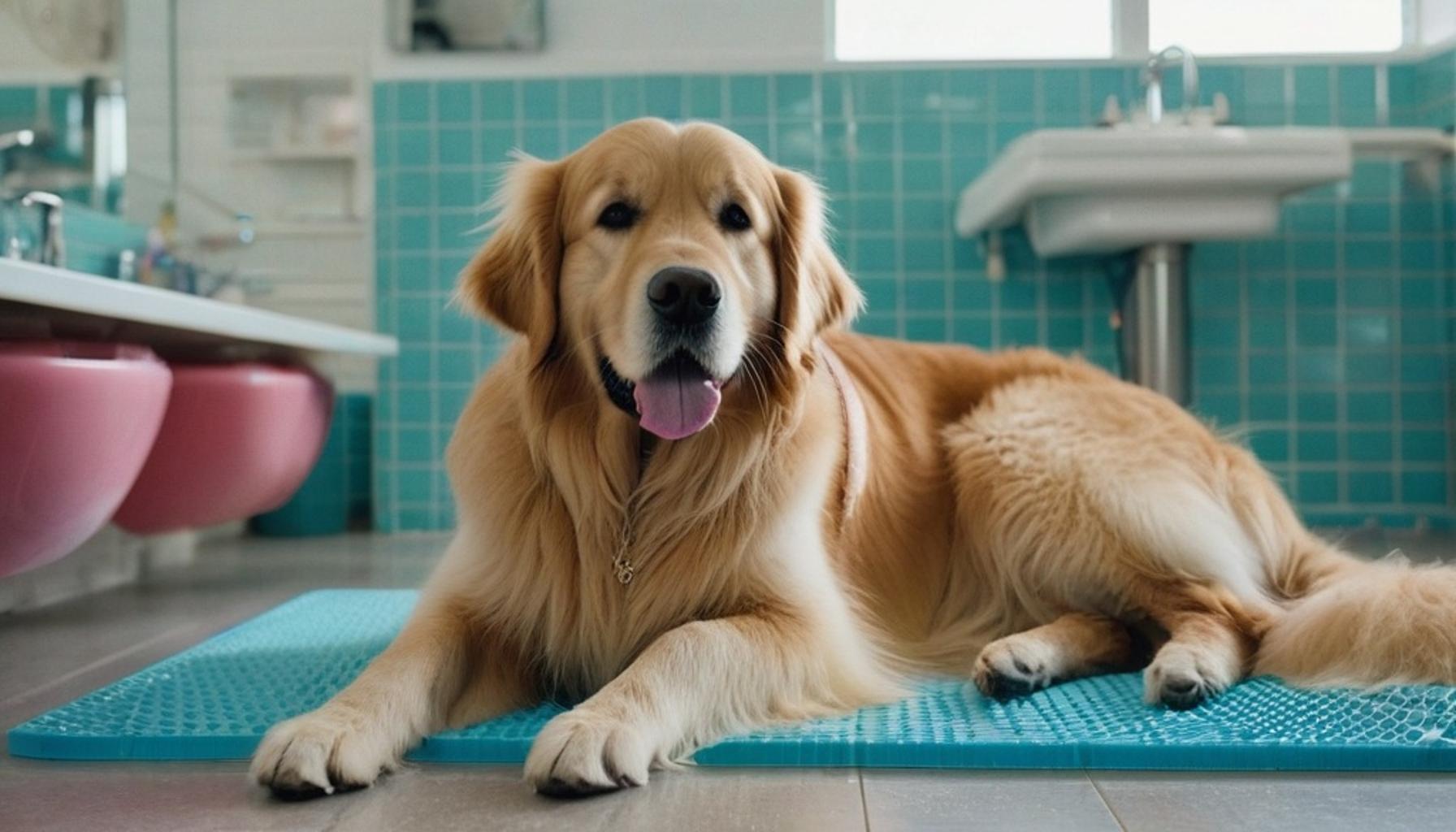
The Importance of Hygiene in the Behavioral Guidance of Dogs and Cats
Why Cleanliness Shapes the Way Pets Behave
Across Nigerian homes, from Lagos apartments to compounds in Kano, pet owners often focus on feeding schedules and playtime while overlooking a critical factor: hygiene in dog and cat behavior. Yet cleanliness routines do far more than prevent bad odours or infections.
They directly influence how a dog barks, how a cat scratches, and how both species respond to their environment. Poor hygiene can trigger stress, aggression, or anxiety, while consistent grooming builds calm, confident pets.
The Hidden Link Between Cleanliness and Temperament
Veterinary behaviourists increasingly point to the importance of pet hygiene as a foundation for training success. A dog with itchy, unwashed fur may become irritable; a cat with a dirty litter box may start eliminating outside it as a protest.
Consider these everyday scenarios:
- A puppy scratching excessively due to flea infestations may develop restlessness or aggression.
- A cat avoiding a soiled litter tray may urinate on furniture instead.
- A dog with ear infections from poor cleaning may snap when touched near the head.
These examples reveal a clear pattern: hygiene and pet training are inseparable. An uncomfortable animal is rarely an obedient one.
How Nigeria’s Climate Complicates the Hygiene Equation
The tropical heat and humidity common in cities like Port Harcourt and Ibadan create ideal breeding grounds for fleas, ticks, and fungal infections. Pets left unwashed for extended periods, particularly during rainy seasons, become more susceptible to skin irritation. This discomfort often manifests as behavioural changes long before owners notice physical symptoms.
Many households also share compound spaces with multiple animals, increasing the risk of cross-contamination. A single unkept dog can inadvertently spread mites or bacteria to neighbouring pets, creating a ripple effect of irritability across an entire household. Understanding this connection helps explain why some pets seem inexplicably moody despite receiving adequate food and attention.
What This Article Will Explore
This piece breaks down practical cat hygiene tips and canine care routines that support behavioural stability. It also examines how pet grooming and behavior intersect in ways many Nigerian pet owners haven’t considered.
Beyond basic bathing schedules, readers will discover how factors like nail trimming, dental care, and even bedding cleanliness contribute to a pet’s overall demeanour. We will also address common misconceptions, such as the belief that indoor pets require less grooming attention than those kept outdoors.
Expect actionable insights, real-life examples, and simple daily habits that transform not just your pet’s cleanliness, but their entire temperament. By the end, you will understand why that persistent scratching, unexplained aggression, or sudden litter box avoidance might have a simpler solution than expensive vet visits or professional training sessions.
LEARN MORE: Creating a Clean Environment: The Relationship Between Hygiene and Pet Behavior
The Science Behind Grooming Habits and Behavioural Change
Understanding hygiene in dog and cat behavior requires looking beyond surface-level cleanliness. Skin, ears, teeth, and paws all send sensory signals to an animal’s brain. When these areas are neglected, discomfort accumulates silently until it erupts as a behavioural issue owners struggle to explain.
Veterinarians in cities like Abuja report a recurring pattern: pets brought in for “sudden aggression” often have underlying hygiene-related conditions. A matted coat trapping moisture, inflamed gums from tartar buildup, or overgrown nails causing joint strain can all quietly erode a pet’s patience.
Dental Health: The Overlooked Behavioural Trigger
Few Nigerian pet owners associate dog behavior and hygiene with oral care, yet dental discomfort ranks among the most common hidden causes of irritability. Dogs with painful gums may resist handling, growl during feeding, or refuse chew toys they once loved.
Cats are equally affected. A cat experiencing tooth pain may stop grooming itself altogether, leading to a visibly unkempt coat and increased withdrawal from household activity.
Simple routines can prevent this decline:
- Brushing a dog’s teeth two to three times weekly using pet-safe toothpaste.
- Offering dental chews designed to reduce plaque buildup naturally.
- Scheduling periodic dental checks, especially for pets above four years old.
- Watching for excessive drooling or bad breath as early warning signs.
Skin and Coat Care: A Direct Line to Temperament
The relationship between pet grooming and behavior becomes most obvious through skin conditions. Nigeria’s humidity accelerates bacterial and fungal growth, particularly during the rainy months between April and October.
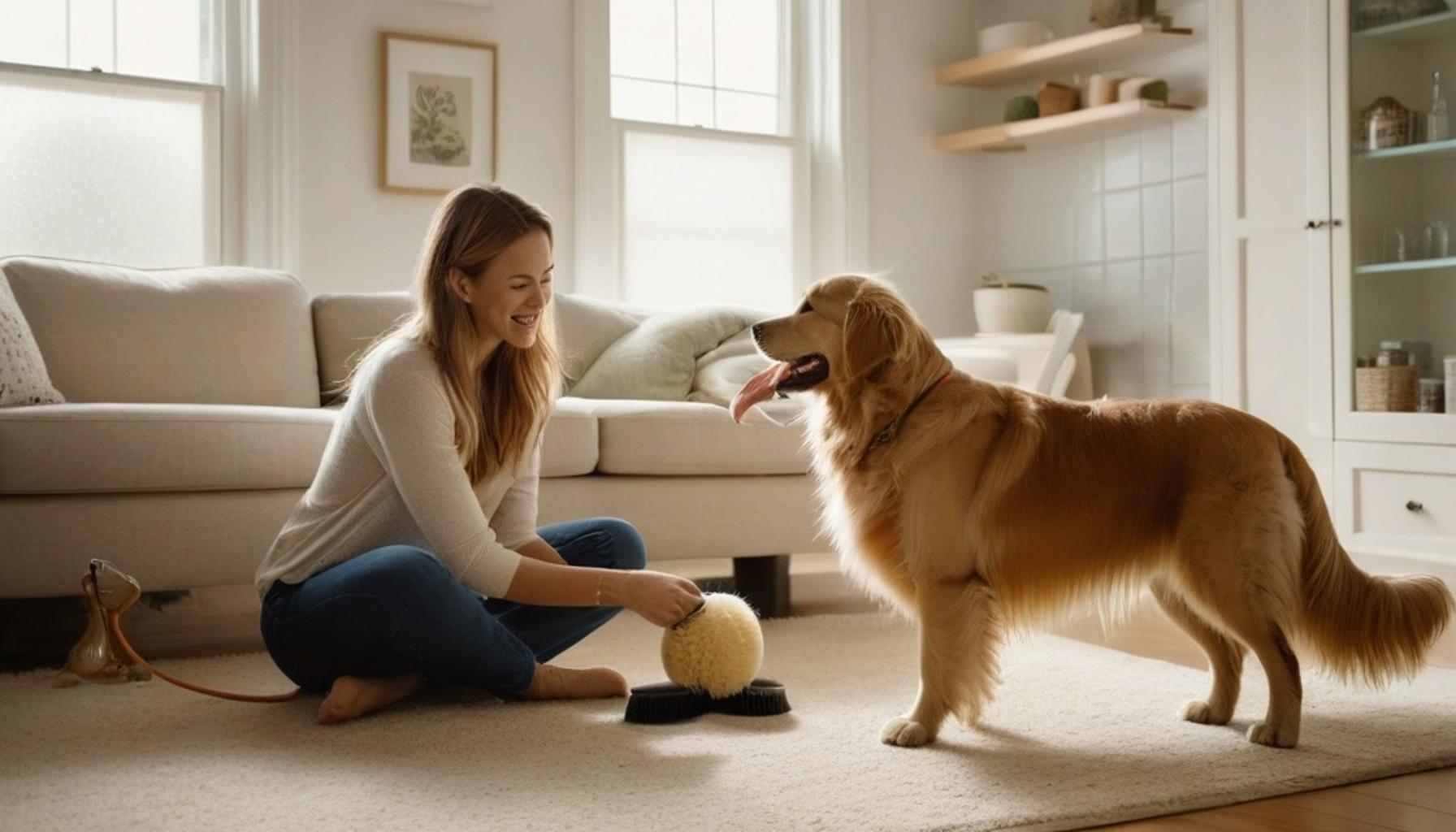
An itchy dog is a distracted dog. Constant scratching disrupts sleep, reduces focus during training sessions, and can escalate into defensive biting if the irritation becomes severe. Regular brushing, at least three times weekly for long-haired breeds, removes loose fur and allows owners to spot ticks or rashes early.
Cats groom themselves instinctively, but this does not eliminate the need for owner involvement. Long-haired breeds like Persian mixes, increasingly popular in Nigerian homes, require assistance to prevent painful matting that restricts movement and heightens stress levels.
Ear Infections and the Anxiety Connection
Ear health rarely receives attention until an animal begins shaking its head persistently or tilting it to one side. In warmer regions of Nigeria, particularly Lagos and Port Harcourt, trapped moisture inside floppy-eared breeds like Cocker Spaniels creates an environment perfect for yeast and bacterial infections.
Pets suffering from ear discomfort often display behaviour easily mistaken for stubbornness. A dog that suddenly avoids being touched near the head, or a cat that hides more than usual, may be signalling pain rather than defiance. Left untreated, chronic ear infections can contribute to long-term anxiety, making animals more reactive to sudden noises or unfamiliar handling.
Weekly ear checks, combined with gentle cleaning using vet-approved solutions, can drastically reduce these risks. Owners are encouraged to look for redness, unusual odour, or dark discharge, all of which warrant immediate veterinary attention.
Nail and Paw Maintenance: The Silent Stressor
Overgrown nails might seem like a cosmetic inconvenience, but they directly affect a pet’s gait and posture. Dogs walking on uneven or hard surfaces common in many Nigerian compounds may develop joint strain when nails grow too long, altering how weight distributes across their paws.
This physical discomfort often translates into behavioural shifts, including reluctance to walk, irritability during play, or resistance to being picked up. Trimming nails every three to four weeks, paired with regular paw inspections for cracks or embedded debris, supports both mobility and mood.
Ultimately, grooming is not merely about appearance. It forms a critical, often underestimated layer of preventive care that shapes how dogs and cats experience their daily environment, and how they respond to the humans around them.
SEE ALSO: The Importance of Hygiene in Pet Behavior and Health
Sanitation Habits That Shape Long-Term Behavioural Patterns
Beyond grooming, the spaces pets inhabit play an equally powerful role in shaping temperament. The importance of pet hygiene extends into bedding, litter boxes, and feeding areas, environments that many Nigerian households overlook when addressing behavioural complaints.
A dog sleeping on a soiled mat or a cat using an unclean litter box is not simply dealing with an unpleasant smell. These animals are experiencing chronic low-grade stress that accumulates over weeks, gradually altering how they respond to routine commands and human interaction. In cities like Lagos and Abuja, where humidity accelerates bacterial growth, this stress compounds faster than owners might expect, turning a minor oversight into a persistent behavioural issue.
Litter Box Cleanliness and Feline Stress Responses
Cats are famously particular about toileting hygiene, and this sensitivity connects directly to cat hygiene tips often shared by veterinary behaviourists. A litter box cleaned less than once daily can trigger avoidance behaviour, including urination outside designated areas.
This is frequently misread as defiance or spite by frustrated owners, when in reality it reflects a biological aversion to contamination. Studies referenced by animal behaviourists suggest cats may reduce litter box visits by up to 30 percent when boxes remain unscrubbed for more than two days, increasing the likelihood of inappropriate elimination elsewhere in the home. For households managing multiple cats, this figure can climb even higher, as competition for a single clean space intensifies territorial anxiety.
- Scoop solid waste at least once daily, ideally twice in multi-cat households.
- Fully replace litter and disinfect the tray weekly.
- Position boxes away from feeding areas to respect natural instincts.
- Consider one extra litter box per cat in the household to reduce territorial tension.
Owners who adopt these habits often report a noticeable reduction in marking behaviour within two to three weeks, an outcome that reinforces just how closely hygiene and temperament are intertwined.
Bathing Frequency and Its Influence on Handling Tolerance
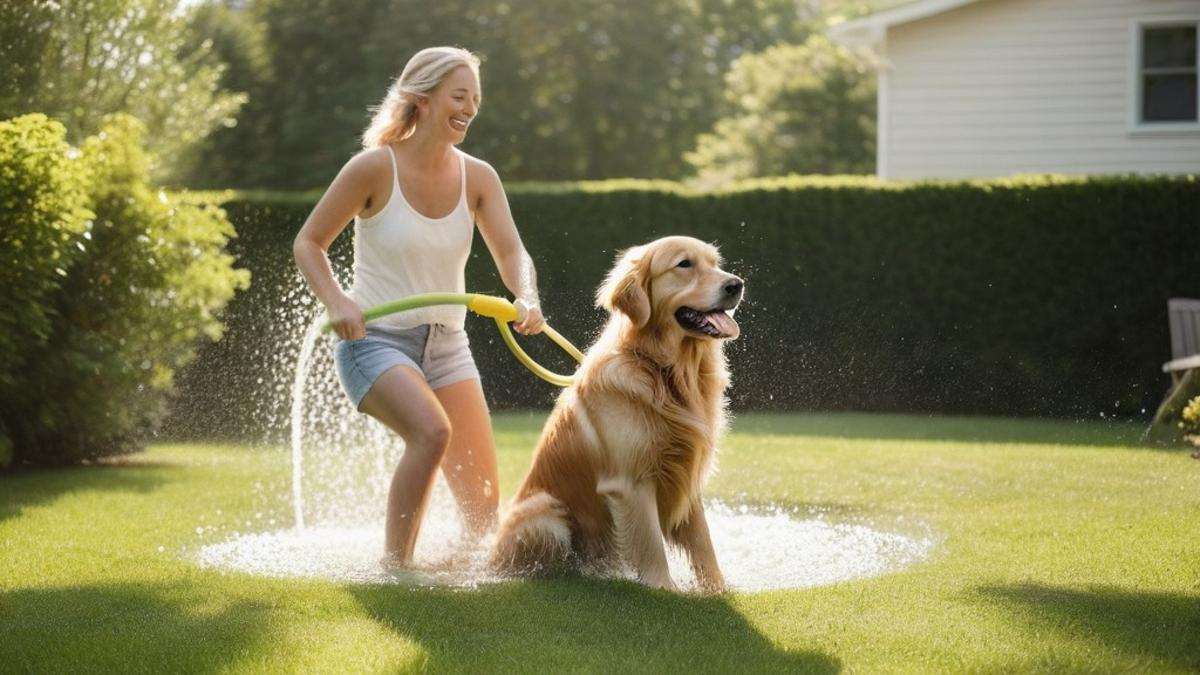
Overbathing and underbathing both create behavioural friction, making balance essential to hygiene and pet training efforts. Dogs bathed excessively may develop skin dryness that causes irritability, while those bathed too infrequently accumulate odour-causing bacteria that attract persistent scratching.
For most breeds common in Nigeria, including Local breed mixes and German Shepherds, a bathing schedule of every three to four weeks strikes an appropriate balance. Puppies and kittens, however, require gentler, less frequent bathing to avoid disrupting developing skin barriers. During Nigeria’s dry season, when dust and heat intensify skin irritation, owners may need to adjust this schedule slightly to prevent discomfort from building up between washes.
Owners who introduce bathing gradually, using positive reinforcement such as treats or calm praise, often notice improved cooperation during future grooming sessions, reinforcing trust rather than fear. This gradual approach also reduces the likelihood of defensive biting or fearful retreat, both common responses when bathing feels like a punishment rather than routine care.
Feeding Area Hygiene and Its Ripple Effect on Training
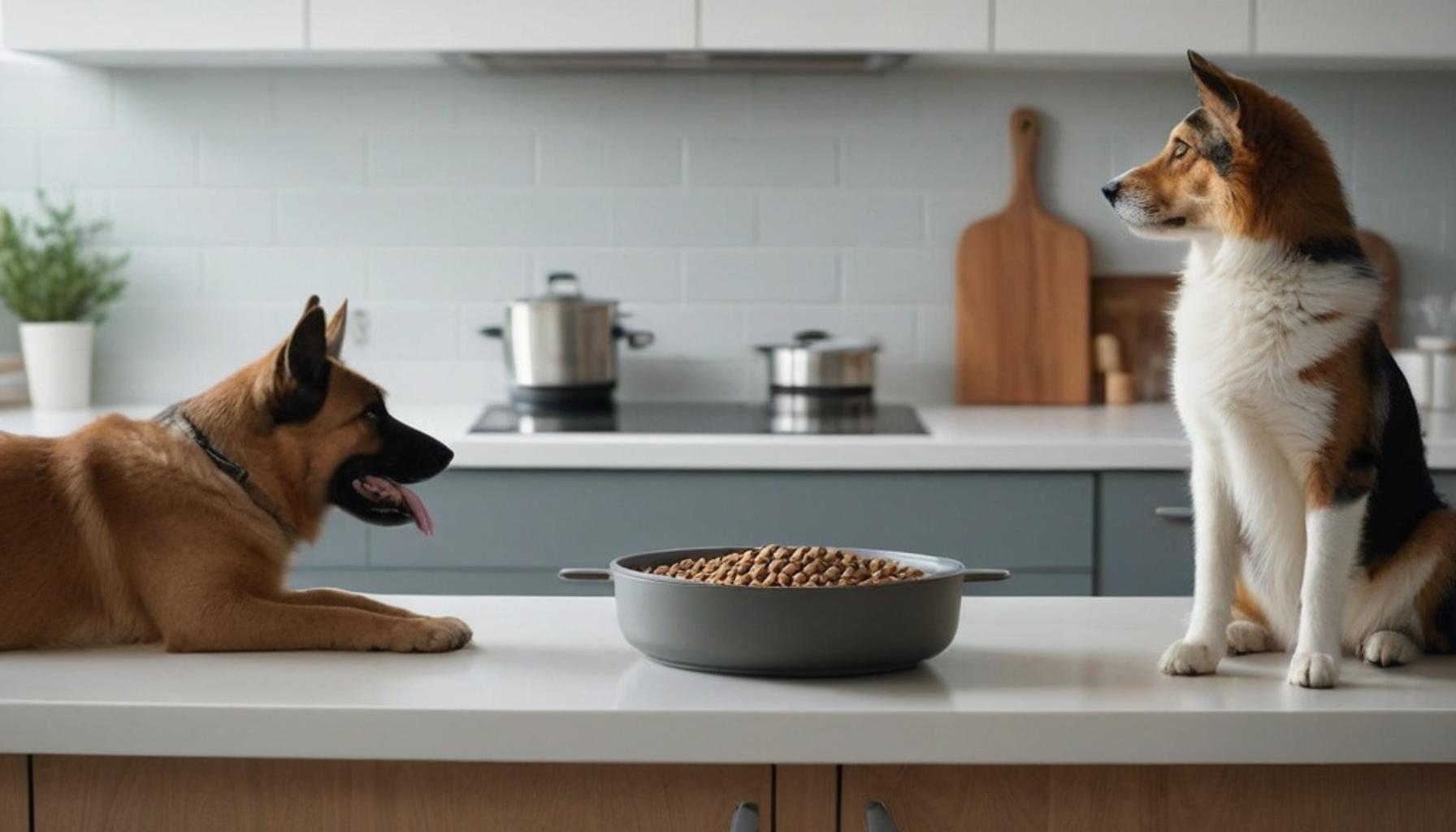
Food bowls left unwashed for days can harbour bacteria that cause mild digestive discomfort, a factor rarely connected to behavioural regression during training. A dog experiencing stomach upset may lose focus during obedience sessions or display uncharacteristic restlessness.
Washing bowls daily with mild soap, and replacing water at least twice a day in Nigeria’s warmer climates, supports both physical health and mental clarity. This seemingly small habit reinforces the broader connection between hygiene in dog and cat behavior and an animal’s ability to learn, focus, and respond predictably to guidance. Pet owners investing in consistent training routines would do well to examine feeding hygiene first, long before assuming a stubborn streak is to blame.
SEE ALSO: Monitoring Health and Its Impact on Dog and Cat Behavior
Bringing It All Together: Hygiene as a Foundation for Behaviour
Across grooming routines, litter boxes, bathing schedules, and feeding areas, one theme emerges consistently: hygiene in dog and cat behavior is never a side issue. It is a foundation. Nigerian pet owners who treat cleanliness as optional often find themselves troubleshooting behavioural problems that were never rooted in defiance, but in discomfort.
The importance of pet hygiene becomes clearer when viewed through this lens. A dog that resists commands may be reacting to skin irritation rather than stubbornness. A cat avoiding its litter box may be protesting contamination rather than expressing spite. These distinctions matter, especially for households in Lagos, Abuja, or Port Harcourt, where heat and humidity accelerate bacterial growth and shrink the margin for error.
Understanding dog behavior and hygiene as interconnected systems, rather than separate chores, gives owners a practical advantage. It shifts training from guesswork to observation, encouraging pet owners to ask what physical discomfort might be driving an unwanted response before reaching for correction.
Similarly, applying simple cat hygiene tips, such as consistent litter scooping and appropriately placed feeding stations, often resolves issues that months of behavioural correction failed to address. The same logic extends to pet grooming and behavior, where regular brushing and bathing build tolerance, trust, and predictability over time.
Ultimately, hygiene and pet training should be viewed as partners rather than separate responsibilities. Owners who commit to daily cleaning habits, proper bathing intervals, and sanitary feeding practices frequently notice calmer, more responsive animals within weeks. As pet ownership continues to grow across Nigerian cities, this connection deserves far more attention than it currently receives, particularly from first-time owners eager for quick behavioural fixes rather than sustainable, hygiene-based solutions.
Frequently Asked Questions
How does poor hygiene affect the behavior of dogs and cats in Nigerian homes?
Poor hygiene can lead to skin infections, parasites, and discomfort that make pets irritable, anxious, or aggressive. In Nigeria’s hot and humid climate, dirty bedding or litter boxes can quickly harbor bacteria and pests, worsening stress-related behaviors like excessive scratching or hiding. Maintaining hygiene in dog and cat behavior training helps reduce these triggers and keeps pets calmer and more responsive to guidance.
Why is litter box cleanliness important for training cats to avoid inappropriate elimination?
Cats are naturally clean animals and will often avoid a dirty litter box, leading them to urinate or defecate elsewhere in the house. In many Nigerian homes where litter may not be changed frequently due to cost, this can create ongoing behavioral issues. Cleaning the litter box daily and placing it in a quiet, accessible spot reinforces good litter habits and supports positive behavioral guidance.
Can bathing frequency influence a dog’s temperament and trainability in Nigeria’s warm climate?
Yes, regular but not excessive bathing helps remove sweat, dirt, and parasites that can cause skin irritation and restlessness in dogs, especially during Nigeria’s hot seasons. A comfortable, itch-free dog is generally calmer and more focused during training sessions. However, over-bathing can strip natural oils, so a balanced hygiene routine of about once every two to four weeks is often recommended depending on breed and activity level.
What hygiene practices help prevent aggressive behavior linked to parasites like fleas and ticks?
Fleas and ticks, common in Nigeria’s tropical environment, cause itching, pain, and irritability that can trigger aggressive or destructive behavior in dogs and cats. Regular grooming, use of vet-approved flea and tick treatments, and routine checking of ears, paws, and fur can prevent infestations. Keeping pets parasite-free supports a calmer temperament, making behavioral training more effective.
How does maintaining a clean living environment support obedience training for dogs and cats?
A clean environment free of waste, food residue, and clutter reduces stress and health issues that can distract pets during training. In Nigerian households, especially in urban areas with limited space, tidy sleeping areas and regularly disinfected feeding bowls help establish routine and predictability, which are key to successful obedience training. This link between hygiene in dog and cat behavior and consistent training outcomes is often overlooked but essential for long-term results.

Linda Carter
Linda Carter is a writer and pet care expert specializing in pet health, grooming, and wellness. With extensive experience helping pet owners create safe, loving, and enriching environments for their animals, Linda shares her knowledge on our platform. Her goal is to empower readers with practical advice and strategies to ensure their pets thrive and lead joyful, healthy lives.