
Monitoring Health and Its Impact on Dog and Cat Behavior
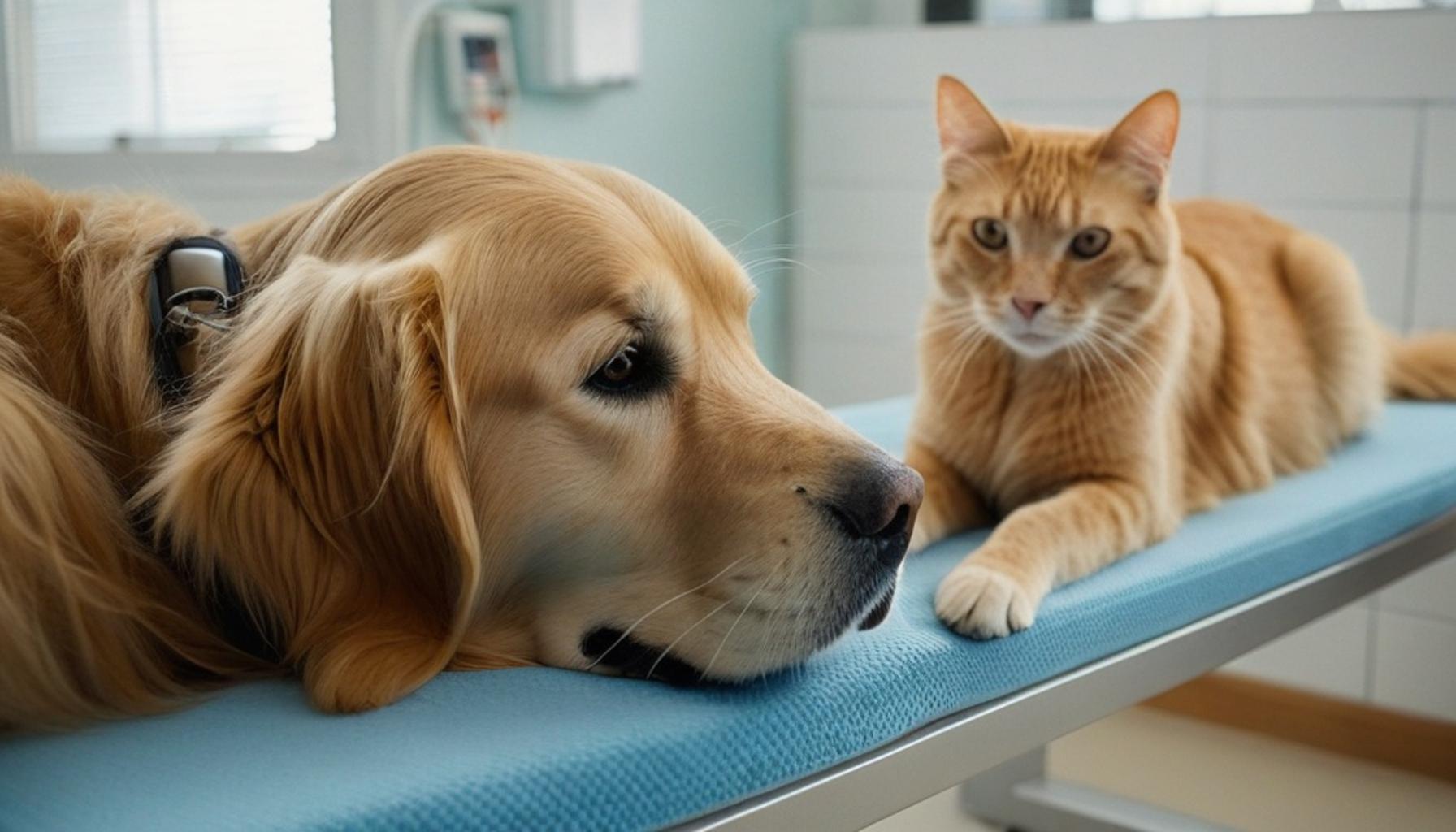
Why Every Whisker and Wag Tells a Health Story
A sudden change in your dog’s bark or your cat’s grooming habits is rarely random. Monitoring Pet Health closely often reveals early warning signs before a visible illness takes hold. In Nigeria, where veterinary access can be limited outside major cities like Lagos, Abuja, and Port Harcourt, pet owners must become the first line of defense. Rural communities in states such as Kano, Enugu, and Oyo often travel considerable distances just to reach a qualified veterinarian, making home observation not just useful but essential.
The Hidden Link Between Wellness and Behavior
Dog behavior and health are deeply intertwined, and the same applies to cat behavior health issues. A pet in pain may become withdrawn, aggressive, or unusually clingy. These shifts are not “just moods” — they are messages your animal companion is desperately trying to communicate. Many Nigerian pet owners, accustomed to viewing animals primarily as guardians or companions for compound security, sometimes overlook these subtle cues until symptoms become severe.
Consider these common behavioral red flags:
- Sudden aggression or irritability in a normally calm dog
- Excessive hiding or avoidance in cats
- Loss of appetite lasting more than 24 hours
- Unusual vocalization, whining, or persistent meowing
- Reduced interest in play or daily walks
- Excessive licking or biting at a particular body part
- Changes in sleeping patterns or restlessness at night
What Regular Monitoring Reveals
Understanding monitoring pet health signs equips owners to act fast, potentially saving significant veterinary costs later. Studies suggest that early detection can reduce treatment expenses by up to 30 percent, a crucial factor for many Nigerian households where unexpected veterinary bills can strain monthly budgets. Given the rising cost of imported pet medications and specialized treatments, catching problems early often means the difference between a simple consultation and an expensive emergency procedure.
The impact of health on pets extends beyond physical symptoms into daily temperament and trust. A dog that once greeted visitors enthusiastically but now retreats to a corner may be signaling discomfort rather than a personality shift. Similarly, a cat that stops using its litter box consistently could be experiencing urinary distress rather than simple defiance.
This article explores how veterinary health monitoring and simple home observation can transform the way you understand your companion animal. By pairing daily attentiveness with periodic professional checkups, even pet owners in areas with fewer veterinary clinics can maintain healthier, happier animals. The question worth investigating further is this: how many subtle signals have Nigerian pet owners already missed, simply because they were labeled as mood swings rather than medical clues?
CHECK OUT: Exercise Planning: The Key to Healthy Behavior in Dogs and Cats
Decoding the Silent Signals: How Physical Health Shapes Animal Behavior
Behind every behavioral shift lies a biological trigger. Pet health and behavior function as two sides of the same coin, with the nervous system acting as the messenger between physical discomfort and observable action. When a dog experiences joint pain from early-stage arthritis, for instance, the brain registers this as a threat, often manifesting as irritability or reluctance to climb stairs — behaviors many owners in Ibadan or Kaduna might dismiss as simple stubbornness or aging.
The Science Behind the Symptoms
Veterinary researchers have long established that pain, infection, and hormonal imbalances directly alter neurotransmitter activity in animals. This explains why dog behavior and health concerns frequently overlap. A dog battling an undiagnosed ear infection may snap when touched near the head, not out of malice, but because the nerve pathways are firing pain signals that override normal social responses.
Cats, being naturally more stoic than dogs, mask illness even more effectively. This evolutionary trait, inherited from their solitary wild ancestors, means cat behavior health issues often surface only after a condition has progressed. A Lagos-based cat owner might notice their pet suddenly avoiding the food bowl, unaware that dental disease or kidney complications could be the underlying cause.
Common physical conditions that trigger noticeable behavioral changes include:
- Urinary tract infections causing litter box avoidance in cats
- Dental disease leading to reduced appetite and head-shy behavior
- Skin allergies or flea infestations resulting in excessive scratching and restlessness
- Gastrointestinal parasites causing lethargy and irritability
- Hormonal imbalances triggering unusual aggression or vocalization
- Vision or hearing decline leading to disorientation and increased startle responses
What makes these connections particularly fascinating is the timeline involved. Behavioral scientists note that animals often exhibit subtle changes weeks before a condition becomes clinically obvious. A dog that begins sleeping more than usual, or a cat that suddenly prefers solitude over its favorite perch by the window, could be broadcasting an early warning that deserves attention rather than dismissal. Owners who pay close attention to these micro-shifts often catch illnesses at a stage where treatment is simpler and less costly.
Why Nigerian Climate and Environment Matter
Tropical conditions across much of Nigeria create unique challenges for monitoring pet health signs. High humidity in coastal regions like Port Harcourt accelerates flea and tick reproduction, while dust-heavy environments in northern states such as Sokoto can aggravate respiratory conditions. Both scenarios produce behavioral fallout — itching, scratching, coughing, and general restlessness — that owners might initially misread as simple discomfort rather than a call for veterinary attention.
Seasonal transitions add yet another layer of complexity. During the harmattan period, dry winds sweeping across northern and middle-belt states can irritate the skin and airways of both cats and dogs, sometimes triggering behaviors such as excessive sneezing, pawing at the face, or a noticeable drop in energy levels. Meanwhile, the rainy season across southern states brings a surge in mosquito-borne illnesses, including heartworm exposure in dogs, which can manifest as fatigue, reduced appetite, and reluctance to exercise. Recognizing these seasonal patterns allows pet owners to anticipate rather than merely react to health-related behavioral shifts.
Recognizing these environmental pressures adds another layer to effective veterinary health monitoring, reminding pet owners that geography itself plays a role in shaping the health challenges their companions face daily. Ultimately, the animals sharing our homes communicate constantly — not always through sound, but through posture, appetite, energy, and routine. Learning to read these silent signals transforms pet ownership from a passive experience into an active partnership rooted in observation, curiosity, and timely care.

Monitoring Pet Health: How Physical Wellness Shapes Behavior
Monitoring Pet Health is not just about preventing illness; it directly influences temperament, energy levels, and daily habits in companion animals. Veterinarians report that subtle shifts in dog behavior and health or cat behavior health issues often appear weeks before a diagnosis is confirmed. Recognizing these early signals can prevent chronic conditions from escalating and reduce emergency veterinary costs by up to 30%, according to recent animal welfare studies.
The table below breaks down the essential categories every pet owner should track when practicing consistent veterinary health monitoring, along with the behavioral impact each factor carries.
| Health Category | Behavioral Impact |
|---|---|
| Appetite Changes | Sudden loss of interest in food often signals pain, dental issues, or stress-related withdrawal. |
| Sleep Patterns | Excessive sleeping or restlessness can indicate discomfort, anxiety, or underlying disease. |
| Activity Levels | Reduced play or exercise reflects joint pain, fatigue, or early cardiovascular problems. |
| Litter Box or Bathroom Habits | Irregularities often reveal urinary infections, digestive distress, or territorial anxiety. |
| Social Interaction | Withdrawal from family members may point to pain-driven irritability or sensory decline. |
Tracking these monitoring pet health signs consistently gives owners a reliable baseline, making it easier to detect when something feels off. The impact of health on pets extends beyond physical symptoms, shaping mood, sociability, and even long-term personality traits.
CHECK OUT: Establishing Effective Feeding Routines to Improve the Behavior of Dogs and Cats
Building a Practical Framework for Tracking Behavioral and Physical Change
Understanding the link between physical wellness and behavior is one thing; acting on it consistently is another challenge entirely. Monitoring pet health requires more than occasional glances — it demands a structured approach that Nigerian pet owners can realistically maintain amid busy work schedules and household responsibilities.
Establishing a Baseline for Normal Behavior
Every dog and cat has a unique behavioral fingerprint. A Rottweiler in Abuja might naturally be reserved around strangers, while a neighbor’s Alsatian greets everyone with boisterous enthusiasm. Without knowing what “normal” looks like for your specific pet, subtle deviations become nearly impossible to detect.
Experienced veterinarians recommend keeping a simple log for the first few months of ownership, noting details such as:
- Typical sleeping hours and preferred resting spots
- Average food and water intake per day
- Frequency and consistency of bathroom habits
- Energy levels during walks or play sessions
- Social responses toward family members and visitors
This baseline becomes the reference point against which future changes are measured, making monitoring pet health signs far more accurate than relying on memory alone. Many owners underestimate how quickly small details fade from recollection, especially when juggling multiple pets or a hectic household. A written or digital record removes guesswork from the equation entirely, transforming vague impressions into concrete, comparable data points that hold real diagnostic value over time.
Interestingly, this practice mirrors habits already common among Nigerian farmers who track livestock weight and feeding patterns for economic reasons. Applying similar discipline to companion animals simply extends a familiar cultural logic — that consistent observation prevents costly surprises — into the realm of household pet care.
Technology as an Ally in Early Detection
Across urban centers like Lagos and Abuja, pet owners increasingly turn to wearable activity trackers and smart feeding bowls designed specifically for dogs and cats. These devices measure movement patterns, rest cycles, and food consumption, flagging irregularities that might otherwise go unnoticed until symptoms worsen.
While such gadgets remain less common in rural areas, even basic smartphone photography can help. Taking weekly photos of a pet’s coat, eyes, and posture creates a visual timeline that makes gradual changes — weight loss, dull fur, or altered gait — easier to spot than relying on daily observation alone.
Some pet owners have also begun experimenting with shared spreadsheets or note-taking apps, allowing multiple family members to log observations throughout the day. This collaborative approach proves particularly useful in larger households where different individuals interact with the pet at different times, ensuring no behavioral shift slips through unnoticed simply because one person wasn’t present to witness it.
The Role of Routine Veterinary Visits
Nigeria’s growing network of veterinary clinics, particularly in cities such as Ibadan, Kano, and Port Harcourt, offers accessible options for professional veterinary health monitoring. Routine check-ups, ideally every six months, allow trained professionals to detect issues through bloodwork, physical examination, and behavioral questioning that owners might overlook.
Data from veterinary associations across West Africa suggests that pets receiving biannual check-ups are diagnosed with chronic conditions significantly earlier than those seen only when visibly unwell. This early detection directly reduces treatment costs and improves long-term quality of life, reinforcing how the impact of health on pets extends far beyond the immediate symptoms owners initially notice at home.
Ultimately, combining home observation with professional oversight creates a safety net that neither method achieves alone, giving Nigerian pet owners a genuinely reliable path toward catching problems before they escalate into emergencies.
CHECK OUT: Creating a Clean Environment: The Relationship Between Hygiene and Pet Behavior
Rethinking the Bond Between Wellness and Behavior
The relationship between physical condition and behavioral expression in companion animals is far more intricate than most Nigerian households realize. Throughout this discussion, one truth emerges consistently: dog behavior and health are inseparable, and the same holds for cat behavior health issues that often masquerade as simple mood swings or stubbornness.
A cat suddenly avoiding its litter box, or a dog growing unusually withdrawn during evening walks in Lekki or Jos, rarely signals defiance alone. More often, these shifts represent a language pets use when words fail them.
Why Vigilance Matters More Than Perfection
No owner will catch every warning sign immediately, and that reality shouldn’t discourage anyone. What matters is building sustainable habits — a quick daily glance at appetite, energy, and posture, paired with periodic professional evaluation. This combination forms the backbone of effective monitoring pet health signs without requiring obsessive attention or expensive equipment.
Nigerian pet owners, whether in bustling Lagos apartments or quieter Enugu compounds, possess every tool necessary to practice this vigilance. A notebook, a smartphone camera, and a trusted local veterinarian often accomplish what expensive gadgets promise.
Looking Ahead
As veterinary infrastructure expands across Nigerian cities, access to affordable diagnostic tools will likely improve, making veterinary health monitoring even more attainable for average households. Until then, owner observation remains the frontline defense against undetected illness.
The broader lesson here extends beyond checklists or technology. Recognizing the impact of health on pets means accepting that behavior is diagnostic information, not mere personality quirk. Every unusual bark, hesitant jump, or skipped meal deserves curiosity rather than dismissal.
Ultimately, strengthening pet health and behavior awareness protects not just animals, but the emotional and financial wellbeing of the families who love them. Staying observant today prevents heartbreak tomorrow.
Frequently Asked Questions
How can I tell if my dog or cat’s behavior change is due to a health problem rather than just stress or the hot Nigerian climate?
Health-related behavior changes often come with other signs like reduced appetite, unusual sleeping patterns, vocalization, or changes in bathroom habits, while heat stress usually improves once your pet cools down and rests. If unusual behavior persists for more than a day or two despite good care, it is best to consult a veterinarian in your area, such as those in Lagos, Abuja, or Port Harcourt, for proper monitoring pet health checks.
What are the early warning signs that monitoring pet health can help me catch before my dog or cat becomes seriously ill?
Early signs include sudden aggression or withdrawal, excessive scratching, changes in eating or drinking, unusual hiding, or vocal changes that are not typical for your pet. Regularly monitoring pet health, including weight, coat condition, and energy levels, helps you notice these subtle shifts before they become emergencies, which is especially important given limited access to 24-hour vet clinics in many Nigerian towns.
Can poor nutrition or local diets common in Nigeria affect my pet’s behavior and overall health monitoring results?
Yes, diets lacking proper protein, vitamins, or balanced nutrients, such as relying solely on leftover human food, can lead to lethargy, irritability, or aggressive behavior in dogs and cats due to nutritional deficiencies. Monitoring pet health by tracking weight, coat quality, and stool consistency alongside a balanced diet, including quality commercial pet food where affordable, helps prevent these behavioral issues.
How often should I schedule veterinary check-ups for effective monitoring pet health in Nigeria, where vet access can be limited?
For healthy adult dogs and cats, a check-up every six months is recommended, while puppies, kittens, and senior pets may need more frequent visits every three to four months. If you live in areas with fewer veterinary clinics, consider building a relationship with a mobile vet service or a trusted clinic in a nearby city to maintain consistent monitoring pet health routines.

Linda Carter
Linda Carter is a writer and pet care expert specializing in pet health, grooming, and wellness. With extensive experience helping pet owners create safe, loving, and enriching environments for their animals, Linda shares her knowledge on our platform. Her goal is to empower readers with practical advice and strategies to ensure their pets thrive and lead joyful, healthy lives.