
Establishing Feeding Routines to Improve Behavior in Dogs and Cats
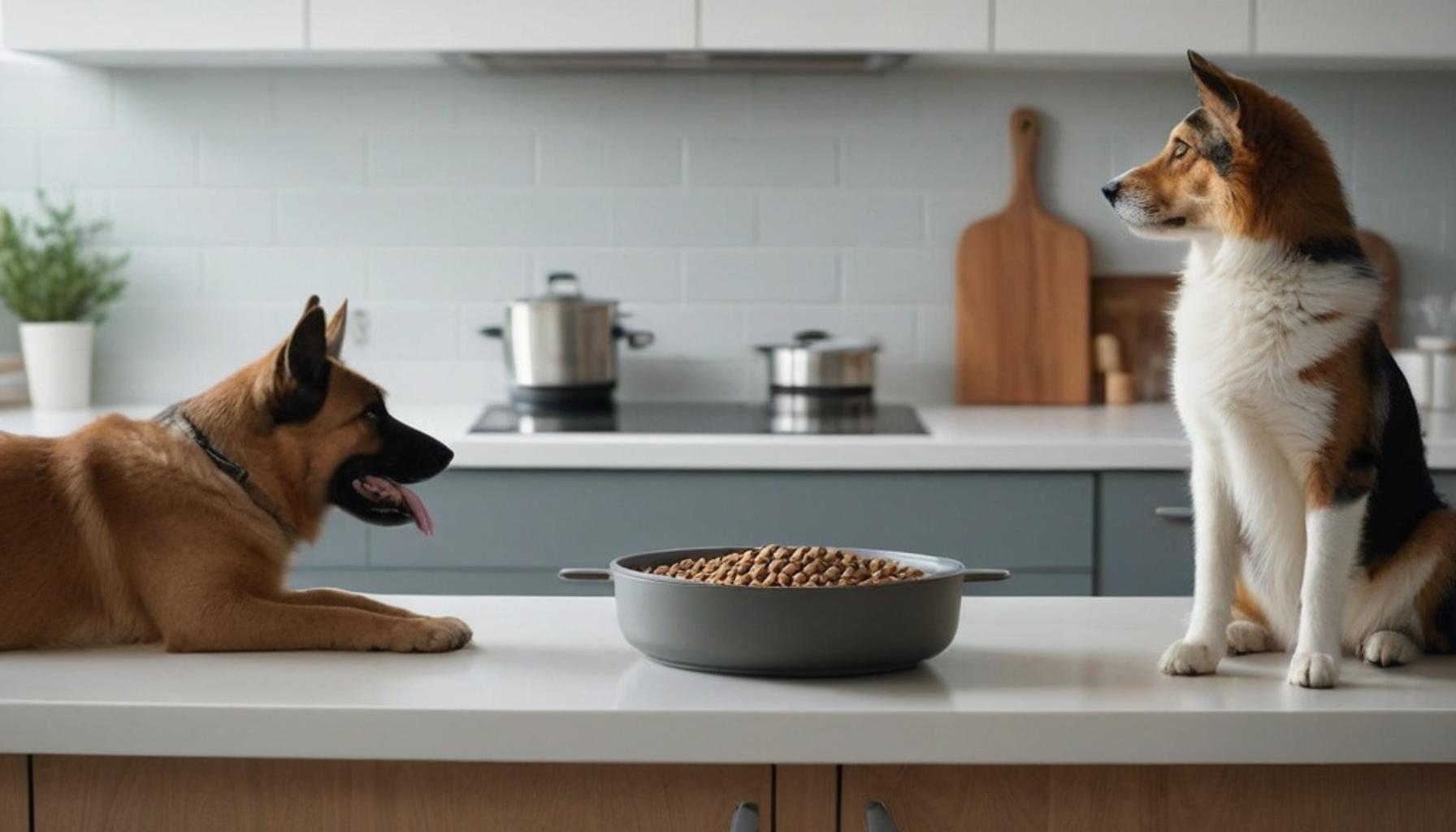
# Why Feeding Routines Shape Pet Behavior
That growling stray dog fighting over scraps at the Mile 12 market and the calm, well-mannered family cat in Lekki have one thing in common: their behavior often traces back to how and when they eat. Feeding Routines for Dogs and Cats are not just about nutrition, they are a powerful tool for shaping temperament and daily habits.
Across Nigerian homes, many pet owners feed dogs and cats whenever convenient, unaware that irregular meals can trigger anxiety, aggression, or destructive chewing. From Kano to Calabar, this casual approach to feeding is quietly fueling behavioral problems that many blame on breed or personality instead.
What This Article Covers
Understanding dog behavior improvement starts with structure. A consistent pet feeding schedule can reduce begging, excessive barking, and even litter box avoidance in cats. Animals, much like humans, thrive on predictability. When a dog knows breakfast arrives at 7am and dinner at 6pm, it spends less mental energy worrying about survival and more time relaxing, playing, or bonding with its owner.
This article explores:
- How cat feeding habits influence stress levels and territorial behavior
- The link between meal timing and hyperactivity in dogs
- Practical, best feeding practices for pets suited to Nigerian households
- Simple steps on how to feed pets for better behavior without costly supplements
Veterinary behaviorists note that pets fed at irregular intervals show up to 30% more signs of stress-related behavior compared to those on fixed schedules. This includes pacing, whining, aggressive food guarding, and even overgrooming in cats, a common but often overlooked sign of anxiety.
Consider the typical Nigerian compound where multiple dogs are fed from one bowl, first-come-first-served style. This setup often breeds competition and food aggression, especially among mixed-breed guard dogs. A structured schedule with separate feeding stations can dramatically reduce such tension within days.
Whether you’re raising a playful puppy in Abuja or a rescued cat in Port Harcourt, the way you structure feeding time could be the missing piece to a calmer, happier companion. Small adjustments to timing and consistency, backed by simple observation, often produce results far more effective than expensive training sessions or supplements.
SEE ALSO: The Importance of Hygiene in Pet Behavior and Health
# The Science Behind Meal Timing and Temperament
Every bark, hiss, or gnawed-up slipper tells a story, and often that story begins in the feeding bowl. Feeding Routines for Dogs and Cats influence far more than digestion; they regulate cortisol levels, the hormone responsible for stress, anxiety, and reactive behavior in animals.
When meals arrive at unpredictable hours, a pet’s body stays on high alert, unsure of when the next feeding will come. This survival instinct, inherited from wild ancestors, does not disappear simply because a dog sleeps on a cushioned mat in Ikeja or a cat lounges on a windowsill in Enugu. Biology does not care about postal codes.
Veterinary researchers studying domestic animals have long noted that the hypothalamic-pituitary-adrenal axis, the body’s stress-response system, reacts almost identically in cats and dogs facing food uncertainty. This means that even a well-fed animal, if fed erratically, can display physiological stress markers similar to those seen in animals experiencing genuine scarcity.
How Irregular Feeding Triggers Behavioral Issues
Nigerian veterinarians increasingly report cases of dogs displaying sudden aggression, not from poor training, but from inconsistent feeding patterns. A dog fed at 6am one day and 2pm the next develops a form of anticipatory anxiety, leading to pacing, excessive barking, or guarding food aggressively once it finally arrives.
Cats respond differently but just as intensely. Cat feeding habits that lack structure often result in increased vocalization, scratching furniture, or even avoiding the litter box as a subtle protest against disrupted routines.
Some common triggers observed in Nigerian households include:
- Feeding pets only after human meals are finished, leading to long, unpredictable waits
- Switching feeding locations frequently, confusing territorial cats
- Allowing multiple animals to share one feeding bowl without spacing or supervision
- Skipping meals during busy work weeks, then overcompensating with larger portions
- Changing pet food brands abruptly without transitioning gradually, adding digestive stress to emotional stress
- Feeding pets in noisy, high-traffic areas of the home, disrupting their sense of safety during meals
Each of these habits, though seemingly harmless, chips away at an animal’s sense of security. Over time, this manifests as behavioral issues that owners mistakenly attribute to breed temperament or stubbornness. A Rottweiler labeled “naturally aggressive” or a cat dismissed as “just moody” may, in reality, be responding to nothing more complicated than an unreliable feeding schedule.
Why Predictability Matters More Than Portion Size
Interestingly, research from animal behavior clinics suggests that consistency matters more than exact meal size when it comes to dog behavior improvement. A dog fed slightly less food at the same time daily often shows calmer behavior than one fed generously but sporadically.
This finding challenges a common belief among Nigerian pet owners that more food equals a happier, better-behaved animal. In truth, a well-structured pet feeding schedule builds trust between pet and owner, reducing food-related stress far more effectively than portion adjustments alone.
Some behaviorists compare this to human infants, who thrive on routine far more than on quantity. A predictable rhythm, whether it involves two meals or three, signals safety to the animal’s nervous system, allowing other training efforts, obedience commands, socialization, and litter habits, to take root far more successfully than they would under chronic uncertainty.

Key Aspects of Feeding Routines for Dogs and Cats
Establishing structured feeding routines for dogs and cats does more than fill a bowl—it shapes daily behavior patterns. Research on companion animals shows that predictable meal schedules reduce anxiety, minimize begging, and support dog behavior improvement over time. For cats, consistent timing curbs nocturnal disruptions and excessive vocalization tied to hunger cues.
The table below breaks down the core elements every pet owner should understand before adjusting their pet feeding schedule.
| Category | Details |
|---|---|
| Meal Timing | Fixed schedules reduce stress-driven behaviors like whining or scratching. |
| Cat Feeding Habits | Smaller, frequent meals mimic natural hunting patterns and reduce overeating. |
| Dog Feeding Habits | Portion control paired with routine prevents food aggression and hyperactivity. |
| Behavioral Impact | Consistency builds trust, lowering separation anxiety and destructive tendencies. |
| Best Practices | Combining best feeding practices for pets with training reinforces calm behavior. |
CHECK OUT: Creating a Clean Environment: The Relationship Between Hygiene and Pet Behavior
# Building a Structured Feeding Plan That Works
Translating the science of meal timing into daily practice requires more than good intentions. Nigerian households, often juggling generator schedules, unpredictable work hours, and extended family visits, need practical frameworks that survive real-life chaos.
Establishing effective Feeding Routines for Dogs and Cats starts with choosing fixed times that align with the household’s actual rhythm, not an idealized version of it. A family in Port Harcourt with early morning traffic concerns will need a different schedule than one in a quiet Jos suburb.
Practical Steps for Implementing Reliable Schedules
Veterinary behaviorists recommend anchoring meals to fixed daily events rather than exact clock times, since this proves easier to maintain long-term. The following approach has shown measurable success across multiple case studies:
- Feed dogs twice daily, ideally 8 to 10 hours apart, tying meals to waking up and returning from work
- Feed adult cats two to three small meals daily, since their digestive systems favor grazing over large single portions
- Use the same feeding location every time, away from doorways, generators, or loud appliances
- Introduce a consistent verbal cue or sound, such as tapping the bowl, so animals associate the signal with mealtime rather than random footsteps
- Avoid feeding directly after disciplining a pet, since this creates confusing emotional associations around food
- Keep fresh water available at all times, separate from the feeding area, to prevent cats from associating drinking with food anxiety
These best feeding practices for pets require roughly two to three weeks of consistency before noticeable behavioral shifts appear, according to observations from local veterinary clinics in Lagos and Abuja.
Multi-Pet Households Face Unique Challenges
Nigerian compounds often house several animals simultaneously, dogs guarding the gate, cats controlling the kitchen, sometimes both competing for the same attention. This dynamic complicates any pet feeding schedule, since dominant animals frequently intimidate weaker ones during mealtimes.
Separating feeding stations by at least two meters reduces resource guarding significantly. Feeding the more anxious or subordinate animal first, in a quieter corner, also prevents the tension that builds when pets compete for proximity to food.
Timing matters here too. Feeding all animals within the same fifteen-minute window, even in separate locations, maintains the household’s overall sense of predictability without forcing pets into direct competition.
Tracking Progress Beyond Guesswork
Owners genuinely interested in how to feed pets for better behavior often benefit from keeping a simple log, noting feeding times, portion sizes, and any behavioral incidents throughout the week. Patterns emerge quickly once data replaces assumption.
A dog that barks excessively every Tuesday evening, for instance, might reveal a connection to inconsistent Monday feeding caused by weekend disruptions. Cats displaying litter box avoidance sometimes show clear ties to skipped afternoon meals days earlier.
This kind of tracking transforms vague frustration into actionable insight, giving owners concrete evidence rather than relying on breed stereotypes or guesswork to explain unwanted behavior.
Consistency Pays Off, One Meal at a Time
The evidence points to a simple truth: Feeding Routines for Dogs and Cats shape far more than digestion. They influence anxiety levels, aggression, vocalization, and even how confidently a pet navigates a bustling Nigerian household filled with generators, visitors, and shifting schedules.
Across Lagos, Abuja, and smaller towns alike, the pattern holds steady. Predictable meals reduce stress hormones, curb destructive habits, and give animals a sense of control in environments that often feel unpredictable to them.
What Owners Should Remember
A reliable pet feeding schedule does not demand perfection, only consistency. Anchoring meals to daily events rather than exact clock times makes the routine realistic for families juggling work, traffic, and power outages.
- Dog behavior improvement often starts with two fixed daily meals tied to waking and returning home
- Cat feeding habits shift positively when meals are smaller, more frequent, and separated from water sources
- Multi-pet households benefit from spaced-out feeding stations and staggered attention to reduce competition
- Tracking meals and behavior side by side reveals patterns owners might otherwise dismiss as random
These best feeding practices for pets require patience, often two to three weeks before visible change appears, but the payoff extends well beyond mealtime calm.
Looking Beyond the Bowl
Understanding how to feed pets for better behavior ultimately reframes how owners view their animals altogether. A barking dog or a withdrawn cat may not need punishment, but rather a closer look at when, where, and how consistently they eat.
As more Nigerian pet owners document these outcomes, informal evidence keeps growing. What starts as a small scheduling adjustment often becomes the clearest, most cost-effective tool for raising calmer, more predictable companions.
Frequently Asked Questions
How many times a day should I feed my dog or cat to improve behavior in Nigerian homes?
Most adult dogs and cats do well with two set meals a day, morning and evening, while puppies and kittens may need three to four smaller meals. Sticking to the same times daily helps reduce begging, anxiety, and aggression around food. In Nigeria’s warm climate, feeding early morning and early evening also helps avoid feeding during the hottest parts of the day.
Can a strict feeding schedule really reduce aggressive or destructive behavior in pets?
Yes, unpredictable feeding often causes stress, food guarding, and attention-seeking behaviors like barking, scratching, or knocking things over. A consistent routine gives pets a sense of security, which can significantly reduce anxiety-driven aggression and destructive habits. Many Nigerian pet owners report calmer, more predictable pets within two to three weeks of establishing a fixed schedule.
What local Nigerian foods are safe to include in a dog or cat’s feeding routine?
Boiled chicken, fish (without bones), and plain rice are generally safe and commonly used by Nigerian pet owners as part of a balanced routine. Avoid heavily spiced, salted, or peppered local dishes like jollof rice or pepper soup, as these can upset your pet’s stomach. Always introduce new foods gradually and pair them with commercial pet food when possible for balanced nutrition.
How long does it take to establish a new feeding routine for a dog or cat?
It typically takes seven to fourteen days of consistent feeding times for a pet to adjust to a new routine. During this period, avoid giving in to whining or meowing outside scheduled times, as this can undo your progress. Patience and consistency from everyone in the household are key to success.
Should I feed my dog or cat before or after walks and playtime for better behavior?
It is generally better to exercise or play with your pet before feeding, as this mimics natural hunting patterns and helps burn excess energy that could otherwise turn into destructive behavior. Feeding after activity also promotes calmer resting behavior afterward. However, avoid vigorous exercise immediately after a large meal, especially for dogs, to prevent digestive issues like bloat.
How do I stop my cat or dog from begging for food between scheduled meals?
Ignore begging behavior consistently, since even occasional treats can reinforce the habit and confuse your pet about mealtimes. Keep feeding areas and utensils out of sight between meals so there are no visual cues to trigger begging. Providing engaging toys or short play sessions between meals in Nigerian households can also redirect their attention away from food.

Linda Carter
Linda Carter is a writer and pet care expert specializing in pet health, grooming, and wellness. With extensive experience helping pet owners create safe, loving, and enriching environments for their animals, Linda shares her knowledge on our platform. Her goal is to empower readers with practical advice and strategies to ensure their pets thrive and lead joyful, healthy lives.