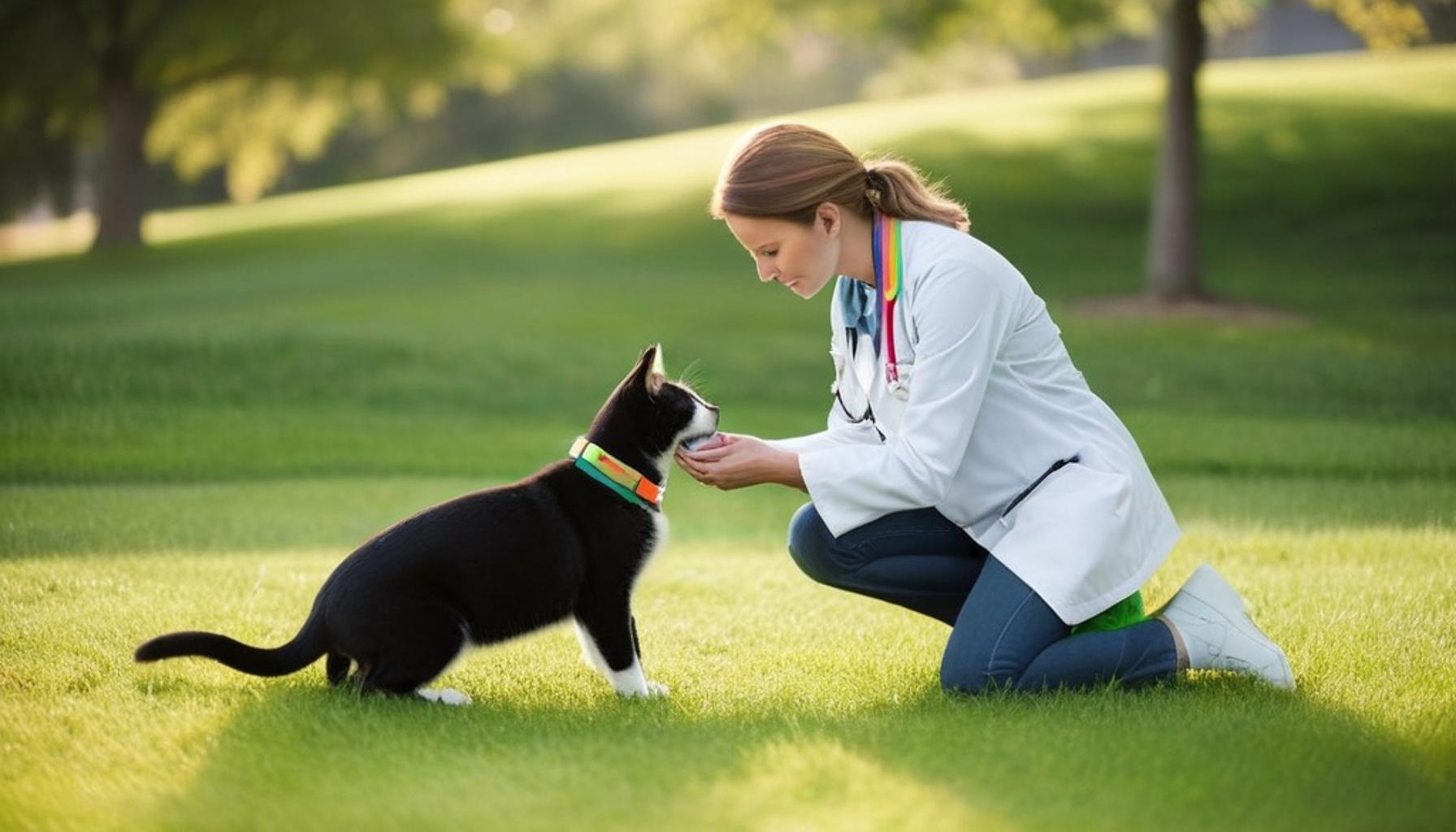
Exercise Planning: The Key to Healthy Behavior in Dogs and Cats

Why Every Dog and Cat in Nigeria Needs a Movement Plan
From the busy streets of Lagos to the quieter compounds in Kaduna, more Nigerian pet owners are discovering a simple truth: a tired pet is often a well-behaved pet. Exercise Planning for Pets is no longer a luxury reserved for show dogs or pampered cats abroad—it is becoming essential knowledge for anyone sharing a home with an animal. Whether it is an Aboki dog guarding a compound in Kano or an indoor cat lounging in a Port Harcourt flat, movement matters just as much as meals.
Unplanned or insufficient activity does not just affect weight. It quietly shapes healthy behavior in pets, influencing everything from excessive barking to destructive scratching. Many owners assume a badly behaved animal simply has a difficult temperament, when in reality, the missing ingredient might be a consistent outlet for pent-up energy.
The Hidden Cost of a Sedentary Pet
Veterinary studies suggest that under-exercised dogs and cats are significantly more likely to develop anxiety, obesity, and behavioral issues. In a country where many pets spend long hours indoors or tied within small compounds due to security concerns, this risk is even more pronounced. Consider what a structured dog exercise routine or a few minutes of daily cat exercise tips in action could prevent:
- Excessive chewing or furniture scratching
- Unexplained aggression or restlessness
- Weight gain leading to joint problems
- Poor sleep cycles and constant whining
These are not random quirks. They are often signals of an animal with untapped energy and no outlet. A Lagos apartment dog left alone all day without a walk, for instance, may resort to gnawing on shoes or barking at every passerby simply because its natural instincts have nowhere else to go.
Rethinking Pet Wellness Beyond Feeding
Many Nigerian households focus heavily on diet, yet overlook movement as a pillar of wellness. The truth is, the benefits of pet exercise rival those of proper nutrition. A well-fed but inactive pet can still develop serious health complications, including diabetes and heart strain, conditions that veterinary clinics across the country are reporting with increasing frequency.
Beyond physical health, movement plays a crucial role in mental stimulation. Cats that chase toys or climb structures, and dogs that enjoy regular walks or play sessions, tend to display calmer, more predictable behavior. This makes daily life easier for owners, especially in busy urban households where time and patience are limited.
This article explores how structured pet workout schedules can transform temperament, health, and the everyday bond between pets and their owners—starting with what science and experience reveal about consistent activity. As more Nigerians embrace pet ownership as a long-term commitment, understanding the value of movement could be the missing piece in raising happier, healthier animals.
RECOMMENDED: Creating a Clean Environment: The Relationship Between Hygiene and Pet Behavior
Building a Practical Exercise Planning for Pets Routine
Every breed, age, and personality calls for a different approach to movement. A German Shepherd guarding a Kaduna compound has vastly different needs from a Maltese lounging in a Lekki high-rise. Exercise Planning for Pets begins with understanding these differences before drawing up any schedule. Factors such as age, breed history, and even the local climate all play a role in shaping what a suitable routine looks like, and ignoring these variables often leads to frustrated pets and equally frustrated owners.
Veterinarians generally recommend that dogs get between 30 minutes and two hours of physical activity daily, depending on breed and energy level. Cats, though more independent, still need at least 15 to 20 minutes of active play spread across the day to stay mentally sharp and physically fit. Working breeds like Boerboels or Rottweilers, often kept for security purposes across Nigerian cities, may require closer to the upper end of that range, while smaller companion breeds can thrive on considerably less.
Designing a Simple Dog Exercise Routine
A workable dog exercise routine does not require expensive equipment or a private estate. Many Nigerian dog owners have found success with simple, low-cost strategies that fit into daily life:
- Morning walks around the neighborhood before the sun gets too harsh
- Short fetch sessions using tennis balls or improvised objects in the compound
- Tug-of-war games with old wrappers or rope during downtime
- Supervised free-roaming time in a fenced yard, if available
- Basic obedience drills that double as mental and physical exercise
Consistency matters more than intensity. A 20-minute walk every morning will do more for a dog’s temperament than an occasional two-hour outing once a week. This is particularly relevant in cities like Lagos and Abuja, where unpredictable traffic and work schedules can tempt owners into skipping exercise altogether. Building a routine around early mornings or late evenings, when temperatures are cooler and streets are calmer, often produces the best results for both pet and owner.
Cat Exercise Tips for Indoor Living
Cats present a different challenge, especially indoor cats common in Nigerian apartments. Since many households keep cats indoors for safety, owners must get creative with stimulation. Practical cat exercise tips include:
- Using feather wands or laser pointers for five-minute bursts of activity
- Setting up cardboard boxes or climbing shelves for natural exploration
- Hiding treats around the house to encourage movement and problem-solving
- Rotating toys weekly to prevent boredom and maintain curiosity
These small adjustments mimic a cat’s natural hunting instincts, which are often suppressed in confined living spaces. Without such outlets, indoor cats can develop destructive habits, including scratching furniture or excessive meowing, simply out of pent-up energy. Owners who introduce vertical spaces, such as repurposed shelves near windows, often notice a marked improvement in their cat’s overall demeanor.
Why Structured Pet Workout Schedules Matter
Random bursts of activity are better than nothing, but structured pet workout schedules produce far more reliable results. Setting fixed times for walks, play, or training sessions helps pets anticipate and regulate their energy levels throughout the day.
This predictability reduces anxiety-driven behaviors like pacing, whining, or unnecessary aggression. It also makes it easier for busy Nigerian households to stay consistent, since exercise becomes part of a daily rhythm rather than an afterthought squeezed in only when convenient. Over time, this structure builds trust between pets and their owners, creating a household dynamic where physical activity feels like a shared ritual rather than a chore. As more Nigerian pet owners embrace this mindset, the long-term benefits, ranging from improved health to reduced veterinary costs, become increasingly evident.

SEE ALSO: Establishing Feeding Routines and Behavioral Guidance for Dogs and Cats in Indoor Environments
Recognizing the Link Between Exercise and Behavioral Health
Beyond physical fitness, Exercise Planning for Pets plays a direct role in shaping temperament. Veterinary behaviorists have long noted that under-exercised animals are more prone to anxiety, excessive barking, and even aggression. A tired dog is typically a calm dog, and the same logic applies to cats that release pent-up energy through structured play rather than midnight zoomies across the living room.
This connection between movement and mood is not just anecdotal. Studies on canine behavior have shown that dogs receiving regular physical stimulation display lower cortisol levels, the hormone associated with stress. For Nigerian households juggling security concerns, noise complaints from neighbors, or simply a desire for a peaceful home, this makes healthy behavior in pets less of a bonus and more of a necessity. In cities like Lagos and Abuja, where compound spaces are shrinking due to urban development, owners are increasingly discovering that a well-exercised dog barks less at passersby and reacts with less alarm to the everyday chaos of generator noise, hawkers, and traffic.
Common Signs of Under-Exercised Pets
Owners often misinterpret behavioral issues as stubbornness or bad training, when the real culprit is unmet physical needs. Some telltale signs include:
- Destructive chewing on furniture, shoes, or household items
- Excessive digging in compounds or gardens
- Restlessness at night, including pacing or whining
- Overly clingy behavior or, conversely, sudden aggression
- Cats knocking items off shelves or scratching excessively
Recognizing these patterns early allows owners to adjust their pet workout schedules before the behavior becomes deeply ingrained. In many cases, simply doubling the length of a daily walk or adding an extra play session resolves issues that owners previously tried to fix through punishment alone. It is worth noting that many first-time pet owners in Nigeria assume a large compound automatically means a dog is getting enough movement, but confinement without active engagement rarely satisfies a pet’s need for varied stimulation.
The Role of Mental Stimulation Alongside Physical Activity
Physical movement alone does not tell the whole story. Puzzle feeders, scent games, and short training drills engage a pet’s mind in ways that plain walking cannot. For dogs, this might mean hiding treats in a compound for a supervised “sniff and search” session. For cats, it could involve rotating puzzle toys that dispense kibble only after some manipulation.
This mental engagement complements physical routines and amplifies the overall benefits of pet exercise. Nigerian pet owners in urban centers like Port Harcourt and Ibadan, where outdoor space can be limited, often find that combining short bursts of physical activity with mental challenges produces calmer, more well-adjusted animals than long walks alone. Even simple household items, like empty containers or cardboard boxes, can be repurposed into enrichment tools that keep a curious pet occupied for hours without additional cost.
Adapting Routines as Pets Age
A well-designed dog exercise routine or feline activity plan cannot remain static throughout a pet’s life. Puppies and kittens require frequent, shorter bursts of play to match their developing joints, while senior pets benefit from gentler, low-impact movement such as slow walks or light indoor play.
Ignoring these shifts can lead to joint strain in older animals or, conversely, under-stimulation in younger ones still building coordination and confidence. Adjusting intensity and duration based on life stage keeps cat exercise tips and dog routines relevant, ensuring pets continue thriving no matter their age. Nigerian veterinarians increasingly recommend periodic check-ups to reassess a pet’s mobility and energy levels, since subtle changes in stamina often go unnoticed until they escalate into more serious health or behavioral concerns.
SEE ALSO: Establishing Effective Feeding Routines to Improve the Behavior of Dogs and Cats
Bringing It All Together: A Lifelong Commitment to Movement
Across compounds in Lagos, apartments in Abuja, and family homes in Enugu, one truth remains consistent: Exercise Planning for Pets is not a luxury reserved for show dogs or pedigree cats. It is a fundamental pillar of responsible ownership that shapes temperament, health, and the overall harmony of a household.
The evidence gathered throughout this discussion points to a clear pattern. Pets that receive consistent, varied physical activity display fewer destructive habits, calmer reactions to Nigeria’s often unpredictable urban noise, and stronger bonds with their owners. This is the essence of healthy behavior in pets, and it rarely happens by accident.
A structured dog exercise routine paired with thoughtful cat exercise tips creates a foundation that adapts as pets age, preventing the joint strain seen in neglected seniors and the restlessness common in under-stimulated juveniles. Owners who treat exercise as a flexible, evolving plan rather than a fixed formula tend to see the most lasting results.
Consider these final takeaways for building sustainable routines:
- Match activity intensity to breed, age, and health status
- Combine physical movement with mental enrichment for fuller engagement
- Watch for early behavioral signs that signal unmet exercise needs
- Revisit and adjust pet workout schedules as circumstances change
The benefits of pet exercise extend far beyond a trim waistline or shiny coat. They touch on mental resilience, household peace, and the deeper relationship between pets and the families who care for them. As more Nigerian households welcome dogs and cats into daily life, treating movement as medicine, not an afterthought, may prove one of the simplest yet most transformative decisions any pet owner can make.
Frequently Asked Questions
How much daily exercise do dogs and cats need in Nigeria’s hot climate?
Most dogs need 30 to 60 minutes of activity daily, while cats benefit from two or three short play sessions of 10 to 15 minutes. In Nigeria’s heat, schedule walks or play early morning or after 5pm to avoid midday sun and prevent heat exhaustion. Always provide water before and after exercise sessions.
What exercise plan works best for pets kept in small compounds or apartments in Lagos or Abuja?
For pets with limited outdoor space, use interactive toys, fetch games in a hallway, or stair climbing to burn energy indoors. Puzzle feeders and short leash walks around the compound also help dogs stay active without needing a large yard. Cats do well with vertical climbing shelves and wand toys that mimic hunting behavior.
How does a lack of exercise planning for pets lead to bad behavior like chewing or aggression?
Dogs and cats that don’t get enough physical and mental stimulation often release pent-up energy through destructive chewing, excessive barking, scratching furniture, or unexpected aggression. A structured exercise plan gives them a healthy outlet, reducing boredom-driven behavior. Consistent daily activity also lowers anxiety levels, making pets calmer at home.
Can I create an exercise plan for my pet without hiring a professional dog trainer in Nigeria?
Yes, you can start with simple daily routines like fetch, tug-of-war, leash walks, or laser pointer play tailored to your pet’s breed and age. Observe your pet’s energy levels and adjust duration and intensity gradually over a few weeks. However, for pets with behavioral issues or health conditions, consulting a local veterinarian is recommended before increasing intensity.
What signs show that my dog or cat’s exercise routine needs to change?
Watch for signs like excessive panting, reluctance to move, weight gain, restlessness, or continued destructive behavior despite regular activity, which suggest the current plan isn’t working. On the other hand, limping, excessive fatigue, or loss of appetite after exercise may mean the routine is too intense. Adjust frequency, duration, or type of activity based on your pet’s age, breed, and any underlying health conditions.

Linda Carter
Linda Carter is a writer and pet care expert specializing in pet health, grooming, and wellness. With extensive experience helping pet owners create safe, loving, and enriching environments for their animals, Linda shares her knowledge on our platform. Her goal is to empower readers with practical advice and strategies to ensure their pets thrive and lead joyful, healthy lives.