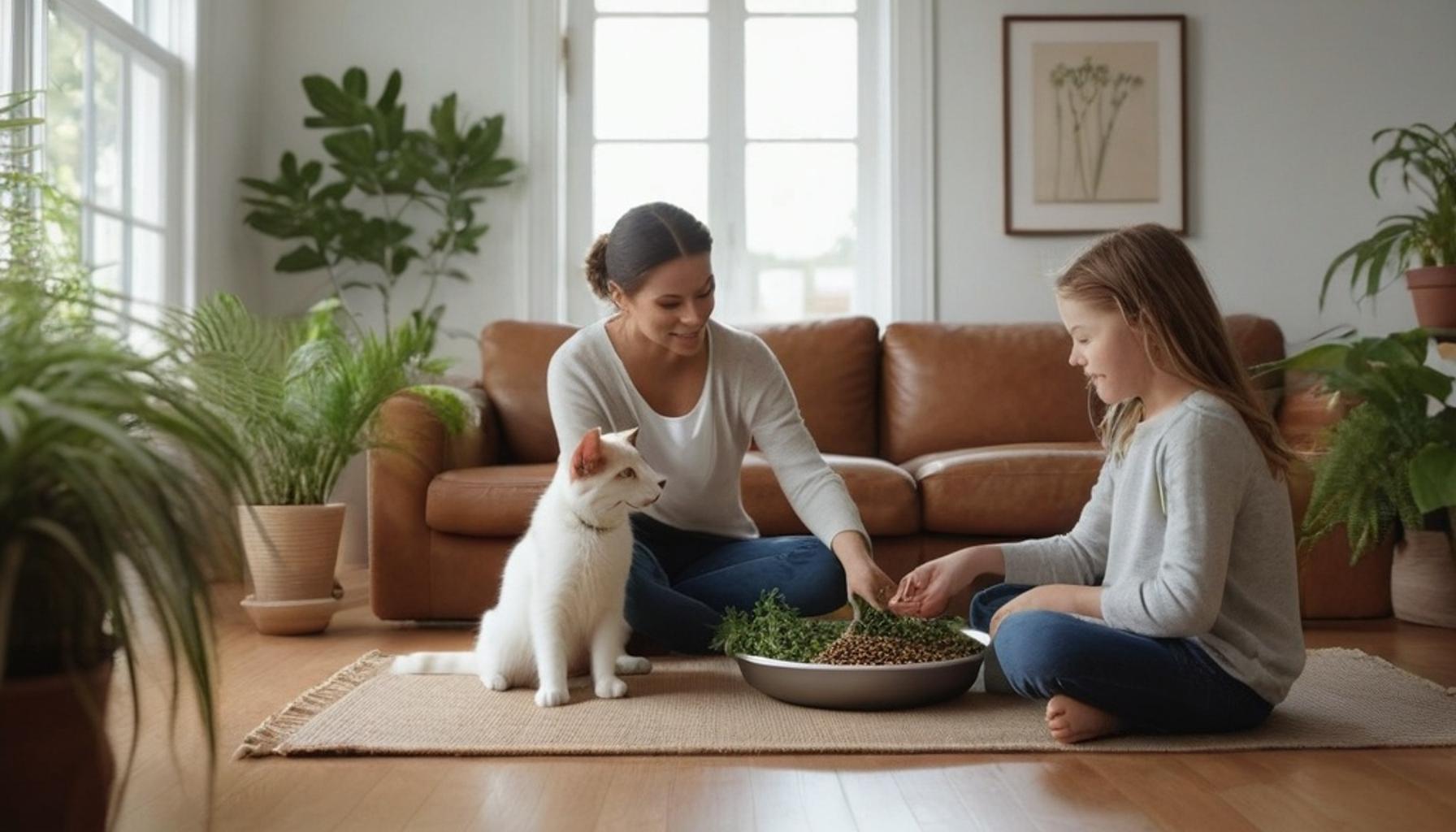
Establishing Feeding Routines to Promote the Hygiene and Well-Being of Pets

Why Pet Owners in Nigeria Are Rethinking Mealtime Habits
Every dog or cat owner in Lagos, Abuja, or Port Harcourt eventually asks the same question: is my pet eating well, or just eating? The answer often lies not in the food itself, but in the timing and consistency behind it.
Feeding routines for pets are quickly becoming a topic of interest among Nigerian pet owners who want healthier, happier animals. Beyond simply filling a bowl, structured feeding schedules influence digestion, behavior, and even household cleanliness.
Veterinary experts across Africa report a rise in pets suffering from obesity, digestive issues, and stress-related behaviors linked to irregular feeding patterns. This makes understanding proper feeding habits more urgent than ever.
In many Nigerian homes, pets are fed whenever leftovers are available or whenever someone remembers, rather than on a fixed schedule. This casual approach, while common, often leads to unpredictable bathroom habits, excessive begging, and even aggressive behavior around food. A dog that never knows when its next meal is coming may become anxious, overly possessive of its bowl, or prone to scavenging around the compound. Cats, on the other hand, may develop erratic sleeping and hunting patterns that disrupt the entire household’s rhythm.
Local veterinarians in cities like Ibadan and Enugu have noted that pets fed at consistent times each day tend to have more predictable digestion, which directly reduces indoor accidents and unpleasant odors. This is particularly relevant in Nigerian households where pets often share close living quarters with families, and where the tropical climate can worsen hygiene issues if waste is not managed promptly.
What This Article Will Explore
Consistent feeding does more than satisfy hunger. It shapes a pet’s overall lifestyle and household hygiene.
- Pet hygiene tips connected to feeding times and cleanup habits
- The benefits of feeding routines for digestion and behavior
- How to design healthy pet feeding schedules for different breeds and ages
- Practical differences between dog and cat feeding routines
- Simple steps to improve the well-being of pets at home
From reducing unwanted messes to preventing costly vet visits, a well-planned feeding routine offers benefits that go far beyond the food bowl. Nigerian pet owners who have adopted structured schedules often report calmer animals, fewer emergency trips to the veterinary clinic, and a noticeably cleaner living space. The following sections break down exactly how to build one that fits your pet’s needs and your daily life, taking into account the realities of Nigerian households, climate, and lifestyle demands.
RECOMMENDED: Establishing Feeding Routines to Improve Pet Hygiene
The Hidden Link Between Mealtime and a Cleaner Home
Most Nigerian households treat feeding as a simple chore, something to be handled quickly before returning to work, school runs, or generator maintenance. Yet feeding routines for pets carry consequences that ripple far beyond the food bowl, touching everything from the smell in your sitting room to the frequency of trips to clean up after your dog in the backyard.
Consider this: a dog’s digestive system operates on a fairly predictable internal clock once it becomes accustomed to regular mealtimes. Veterinary data from animal clinics in Lagos suggests that dogs fed at the same two times daily often pass stool within a similar window each day, sometimes within 30 minutes of a consistent range. This predictability is not a coincidence. It is the direct result of a stable digestive rhythm, and it is one of the simplest pet hygiene tips that many owners overlook entirely.
Compare that to a household where feeding happens whenever convenient. The pet’s body never settles into a rhythm, which means accidents indoors become more frequent, unpredictable, and harder to manage, especially in homes with tiled floors, rugs, or shared living spaces common in Nigerian apartments and duplexes. In compound settings where several families share a common yard, this unpredictability can quickly become a source of tension between neighbours who take turns sweeping the shared space.
There is also a financial angle that many pet owners rarely consider. Cleaning products, disinfectants, and even the fuel used to boil water for washing soiled areas all add up over time. A predictable feeding schedule, by reducing the frequency of indoor accidents, quietly saves money that would otherwise go toward constant clean-up supplies.
Why Timing Affects More Than Just the Toilet Schedule
Beyond bathroom habits, irregular feeding disrupts a pet’s broader sense of security. Animals, much like humans, respond to routine with calmness. When mealtime becomes predictable, pets spend less energy anticipating or worrying about food, and more energy resting, playing, or bonding with the family.
This is where the real benefits of feeding routines begin to show themselves in everyday life. Owners who have shifted from random feeding to scheduled meals often report noticeable changes within just two to three weeks, including:
- Reduced whining or scratching at doors during odd hours
- Fewer instances of food aggression toward other pets or children
- More consistent energy levels throughout the day
- Cleaner living spaces with fewer surprise messes
- Improved appetite and less picky eating behavior
These outcomes matter even more in Nigeria’s tropical climate, where leftover food or unmanaged waste can attract flies, ants, and other pests within hours rather than days. A structured feeding schedule reduces the window during which food sits out, directly supporting better hygiene across the household. During the rainy season especially, when dampness lingers longer indoors, this reduced exposure window becomes even more valuable in keeping odours and pests at bay.
There is a psychological layer to this as well. Pets fed at random times often develop heightened alertness around humans entering the kitchen, sometimes leading to begging behavior or overexcitement that disrupts household calm. A consistent schedule teaches the animal exactly when to expect food, which in turn reduces unnecessary anxiety-driven behavior throughout the rest of the day.
For families juggling work, school, and the unpredictability of daily life in cities like Lagos or Abuja, this level of consistency might seem difficult at first. However, as the next sections will show, building a reliable feeding structure is far simpler than most pet owners assume, and the payoff extends well beyond a tidy floor. It touches the emotional wellbeing of the animal, the harmony of the household, and even the long-term health outcomes that veterinarians increasingly link to disciplined feeding habits.

YOU MAY ALSO LIKE: Integrating Feeding and Hygiene Routines: Best Practices for Dogs and Cats in Indoor Environments
# Building a Practical Feeding Structure That Works in Nigerian HomesUnderstanding why routine matters is one thing. Actually building a workable schedule around Nigerian realities, unpredictable power supply, extended family visits, and irregular work hours, is where many pet owners stumble. The good news is that healthy pet feeding schedules do not require military precision, just reasonable consistency.
Setting Realistic Meal Windows
Veterinarians generally recommend two fixed meal windows for adult dogs and cats: one in the early morning and another in the early evening, roughly eight to ten hours apart. Puppies and kittens typically need three to four smaller meals spread throughout the day until they reach six months of age.The exact clock time matters less than the consistency of the gap between meals. A household where breakfast happens at 6:30am on weekdays and 8am on weekends is still functioning well, provided the evening meal shifts accordingly to maintain a similar interval. What disrupts digestion is not occasional flexibility but constant, unpredictable swings of four or five hours in either direction.
Adapting Around Household Realities
Many Nigerian families keep house help or rely on older children to manage pet care when parents are at work. This creates a real risk of feeding gaps or duplicate feeding if communication breaks down. A simple written schedule pinned near the kitchen, or a shared note on a family WhatsApp group, can prevent both overfeeding and missed meals.For households managing dog and cat feeding routines simultaneously, separate feeding stations reduce competition and food-guarding behavior. Cats, in particular, often prefer eating away from the commotion of a busy household, so a quiet corner works better than a shared feeding spot.
Practical Steps Toward Consistency
Establishing a dependable routine does not require expensive equipment or drastic lifestyle changes. Consider the following steps:
- Choose two fixed meal times and commit to them for at least three weeks before evaluating results
- Measure portions using a standard cup rather than estimating by eye, which prevents overfeeding and reduces waste
- Remove uneaten food after 20 to 30 minutes rather than leaving bowls out all day, particularly important given how quickly heat and humidity spoil leftovers
- Store dry food in airtight containers to prevent weevils and ants, a common complaint among pet owners in humid coastal cities like Port Harcourt and Calabar
- Keep fresh water available at all times, separate from feeding schedules, since hydration needs remain constant throughout the day
Tracking Progress Without Overcomplicating Things
Some pet owners find it helpful to keep a simple notebook recording feeding times, appetite levels, and bathroom habits for the first month. This record becomes useful if a veterinarian ever needs to investigate digestive issues, since patterns often reveal more than a single clinic visit ever could.Small adjustments matter too. If a dog consistently leaves food behind at the evening meal, portion sizes may need slight reduction rather than complete removal of that meal. These fine-tuning steps, applied gradually, strengthen the overall benefits of feeding routines without requiring owners to start over from scratch whenever circumstances shift.
CHECK OUT: Establishing Feeding Routines: The Key to Your Pets’ Health and Hygiene
Bringing It All Together: Routine as a Foundation for Pet Care
Establishing dependable feeding routines for pets is not a one-time project but an ongoing commitment that pays off in ways many Nigerian pet owners underestimate. From reducing digestive upsets to curbing the pest problems that thrive in humid climates, consistent scheduling touches nearly every aspect of a pet’s daily life.
Throughout this discussion, one theme keeps resurfacing: predictability matters more than perfection. A dog fed within a stable window each day, even if that window shifts slightly on weekends, will generally show steadier energy, better digestion, and fewer behavioral issues than one fed at random hours dictated by chaos rather than planning.
Why Small Habits Create Lasting Impact
The benefits of feeding routines extend beyond the pet itself. Households that adopt fixed feeding times often notice cleaner living spaces, fewer disputes over pet care duties, and less food wasted to ants, weevils, or spoilage. These are not abstract veterinary ideals; they are practical outcomes that directly ease daily life for busy families.
Simple pet hygiene tips, such as removing uneaten food promptly and storing dry kibble in sealed containers, work hand in hand with scheduling to create an environment where pets thrive rather than merely survive.
A Call for Gradual, Realistic Change
Nigerian households do not need imported feeding gadgets or rigid timetables copied from abroad. What works is a locally adapted approach: two or three consistent meal windows, clear communication among household members, and attentiveness to how a pet responds over time.
Ultimately, prioritizing the well-being of pets through structured feeding is an investment that rewards patience. Owners who commit to healthy pet feeding schedules and thoughtful dog and cat feeding routines often discover that the effort required is far smaller than the benefits gained, both for their animals and for their own peace of mind.
Frequently Asked Questions
How many times a day should I feed my dog or cat in Nigeria’s hot climate?
Most adult dogs and cats do well with two meals a day, morning and evening, while puppies and kittens need three to four smaller meals. In Nigeria’s hot climate, feeding during cooler hours like early morning and evening helps prevent food from spoiling quickly and keeps your pet comfortable. Always remove uneaten food within 30 minutes to avoid attracting flies and pests common in warmer weather.
Why is a consistent feeding routine important for my pet’s hygiene?
A consistent feeding routine helps regulate your pet’s digestion, making their bathroom habits predictable, which makes cleanup and house-training much easier. It also reduces the chances of leftover food attracting cockroaches, ants, and rodents, which are common hygiene concerns in many Nigerian homes. Predictable feeding times also help you monitor your pet’s appetite and spot early signs of illness.
What is the best way to store pet food to prevent contamination in humid weather?
Store dry pet food in an airtight container placed in a cool, dry area away from direct sunlight, since Nigeria’s humidity can cause food to grow mold quickly if left in open bags. Wet or canned food should be refrigerated after opening and used within 2 to 3 days, or fed based on the manufacturer’s instructions. Always check for a rancid smell or discoloration before feeding, especially if there have been power outages affecting refrigeration.
How do I clean my pet’s feeding bowls to avoid bacteria buildup?
Wash your pet’s food and water bowls daily with warm water and mild soap, then rinse thoroughly to remove any soap residue before the next use. Plastic bowls can develop scratches that harbor bacteria over time, so stainless steel or ceramic bowls are a better choice for hot and humid conditions. Position the bowls off the bare ground on a mat to keep ants and dust from contaminating the food.
Can feeding my pet table scraps or leftovers disrupt their feeding routine?
Yes, regularly feeding table scraps can disrupt your pet’s appetite for balanced meals and lead to begging behavior or an upset stomach. Nigerian household leftovers often contain excess salt, spices like pepper, or bones that can be harmful to dogs and cats. It’s best to stick to a proper diet formulated for pets and offer occasional treats separately from main feeding times.
How can I tell if my pet’s feeding schedule needs to be adjusted?
Watch for signs such as excessive weight gain or loss, low energy, vomiting after meals, or refusal to eat, as these may indicate the current schedule or portion size isn’t right. Puppies, kittens, pregnant, or elderly pets typically need adjusted feeding frequency compared to healthy adult pets. Consulting a veterinarian in your area is the best way to get personalized advice based on your pet’s breed, age, and health condition.

Linda Carter
Linda Carter is a writer and pet care expert specializing in pet health, grooming, and wellness. With extensive experience helping pet owners create safe, loving, and enriching environments for their animals, Linda shares her knowledge on our platform. Her goal is to empower readers with practical advice and strategies to ensure their pets thrive and lead joyful, healthy lives.