
Exercise Planning and Its Interactions with the Eating Routines of Dogs and Cats
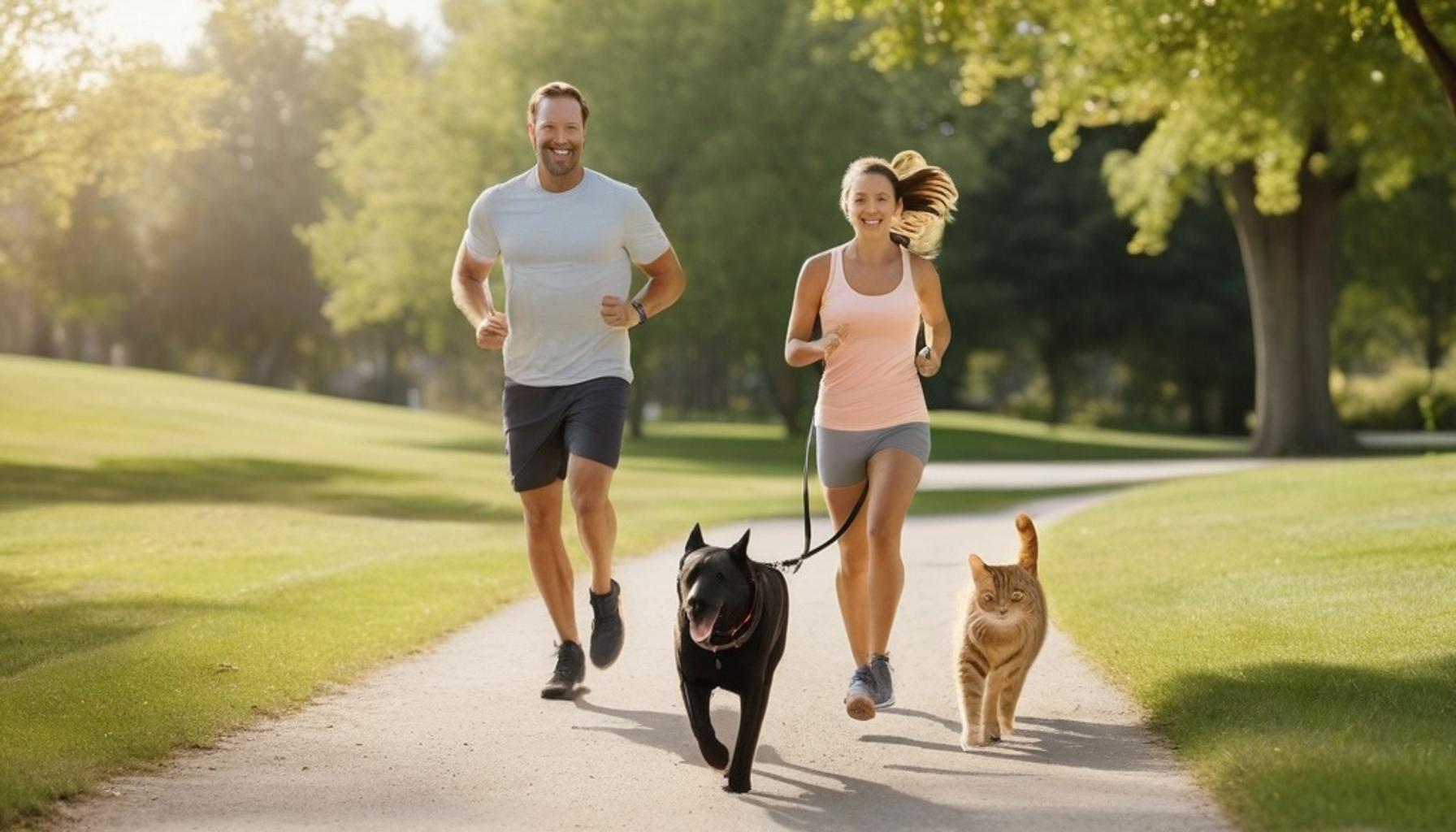
Why Timing Matters for Your Pet’s Health
Every morning, thousands of dog owners across Lagos, Abuja, and Port Harcourt step outside for a walk, while cats stretch lazily before their first meal. What many pet parents don’t realize is that Exercise Planning for Dogs and Cats directly shapes how well their pets digest food, absorb nutrients, and maintain healthy weight. This isn’t just a Western concept borrowed from foreign pet care manuals, it’s becoming an urgent local conversation as more Nigerian households welcome dogs and cats into their families.
The connection between movement and mealtime is more scientific than most assume. Veterinary studies suggest that poorly timed pet exercise routines can lead to digestive discomfort, bloating, or even long-term metabolic issues. For instance, a dog that sprints around the compound right after a heavy meal risks a condition called gastric torsion, a painful and sometimes fatal twisting of the stomach that veterinarians in urban Nigerian clinics have increasingly reported among larger breeds.
The Growing Concern Among Nigerian Pet Owners
As pet ownership rises in Nigerian households, so does the need for structured care. A well-designed feeding schedule for pets paired with consistent activity can prevent common issues such as obesity, lethargy, and poor coat health. Many Nigerian pet owners still rely on trial and error, feeding whenever convenient and exercising only when time permits, but this approach often creates confusion for the animal’s internal clock, affecting everything from digestion to mood stability.
Consider these everyday scenarios that many owners overlook:
- Feeding a dog immediately before a vigorous walk in the afternoon heat, which strains both digestion and hydration levels
- Letting cats nap right after heavy meals without any stimulation, slowing metabolism and encouraging weight gain
- Ignoring breed-specific energy needs when planning daily walks or play sessions, leaving high-energy breeds restless and anxious
In cities like Port Harcourt, where humidity levels soar, timing exercise around the cooler hours of dawn or dusk becomes even more critical, yet this detail is frequently ignored by busy pet owners juggling work schedules and household responsibilities.
What This Article Will Explore
Understanding dog and cat dietary needs alongside physical activity isn’t just about convenience, it’s about longevity and quality of life. The benefits of pet exercise extend beyond weight control, influencing mood, digestion, and even sleep patterns. A tired, well-fed pet with a consistent routine is far less likely to display destructive behavior, excessive barking, or anxiety-driven habits that many Nigerian pet owners mistakenly attribute to stubbornness or bad temperament.
This article breaks down practical strategies for balancing exercise and nutrition for pets, offering insights tailored to the unique climate and lifestyle challenges faced by Nigerian pet owners, from navigating unpredictable power outages that disrupt feeding routines to adapting exercise plans around the rainy season’s unpredictable downpours.
YOU MAY ALSO LIKE: Establishing Feeding Routines for Dogs and Cats: The Impact on Pets’ Health and Behavior
# The Science Behind Digestion and Movement
Veterinarians across Nigeria are beginning to echo what international pet health researchers have long documented: the digestive system of dogs and cats operates on a delicate rhythm that responds directly to physical exertion. When an animal eats, blood flow concentrates around the stomach and intestines to support the breakdown of nutrients. Introducing intense movement too soon diverts that blood flow toward muscles instead, disrupting digestion and potentially causing discomfort that many owners misread as simple restlessness.
This is why Exercise Planning for Dogs and Cats has become such a pressing topic among veterinary professionals in Lagos and beyond. A 2021 survey conducted by a Lagos-based veterinary clinic found that nearly 40 percent of dogs presenting with bloating symptoms had been exercised within 30 minutes of eating. That statistic alone should give pause to owners who casually toss a ball around right after refilling the food bowl.
Bloating, medically referred to as gastric dilatation, can escalate quickly in certain breeds, sometimes requiring emergency surgery. Veterinary clinics in Abuja and Ibadan have reported similar patterns, with large-breed dogs being especially vulnerable due to their deep chests, which allow the stomach to twist more easily under pressure. This condition, though frightening, is largely preventable through simple timing adjustments that cost nothing but attention and patience.
How Cats Differ From Dogs in Activity-Feeding Balance
Cats, unlike dogs, are natural grazers with hunting instincts that favor short bursts of activity before meals rather than after. In the wild, a cat stalks, pounces, and then eats, a sequence that mirrors how pet exercise routines should ideally be structured at home. Encouraging play with feather toys or laser pointers before mealtime, rather than after, aligns more closely with feline biology and supports healthier digestion.
Dogs, on the other hand, tend to thrive with a more flexible structure, though the same caution around post-meal exertion applies, especially for larger breeds like German Shepherds and Boerboels commonly kept for security purposes in Nigerian homes. These working breeds often carry heightened energy levels, making owners tempted to exercise them immediately after feeding simply to burn off restlessness, a habit that veterinary experts warn against repeatedly.
Interestingly, smaller breeds and mixed-breed dogs common in local compounds seem less prone to severe bloating, though digestive upset remains a universal risk regardless of size. This suggests that while genetics play a role, timing and routine remain the most controllable factors available to everyday pet owners.
Practical Adjustments Nigerian Owners Can Make
Building a sustainable feeding schedule for pets that accounts for exercise doesn’t require expensive equipment or imported products. It requires observation, consistency, and a willingness to adjust routines based on climate and breed.
- Schedule vigorous walks or play sessions at least one hour before feeding, allowing digestion to begin undisturbed
- Wait a minimum of 45 minutes to an hour after meals before engaging in running, jumping, or rough play
- Adjust activity windows during Nigeria’s rainy season, shifting outdoor exercise to covered spaces or brief indoor sessions
- Monitor water intake closely during exercise, particularly in humid cities like Port Harcourt where dehydration risks rise quickly
- Split large meals into smaller portions throughout the day rather than one heavy feeding, reducing overall strain on the digestive system
These small, deliberate changes reflect a broader understanding of exercise and nutrition for pets that many Nigerian households are only beginning to explore, often after a costly vet visit reveals what a simple routine adjustment could have prevented. As awareness spreads through veterinary clinics, social media groups, and word of mouth among pet-owning communities in cities like Enugu and Kano, more households are rethinking long-held assumptions about feeding and play.
Ultimately, the relationship between digestion and movement is not simply a matter of convenience but one rooted in physiology that transcends geography. Whether in Lagos, Lagos suburbs, or rural compounds, the same biological principles apply, offering pet owners a straightforward, cost-free way to safeguard their animals’ health through nothing more than mindful timing.
Exercise Planning for Dogs and Cats: How Activity Levels Shape Feeding Schedules
Effective Exercise Planning for Dogs and Cats goes far beyond burning calories. It directly influences digestion, metabolism, and appetite regulation, making it essential to align pet exercise routines with a well-structured feeding schedule for pets. The table below highlights how specific exercise strategies interact with nutrition and dietary timing.
| Category | Key Insight |
|---|---|
| Pre-Exercise Feeding | Feeding at least 1-2 hours before activity reduces bloating risk and supports steady energy release. |
| Post-Exercise Nutrition | Meals rich in protein aid muscle recovery and replenish glycogen stores after moderate to intense activity. |
| Caloric Balance | Daily activity levels determine portion sizes, directly impacting dog and cat dietary needs. |
| Behavioral Benefits | Consistent routines lower stress-related overeating and improve overall benefits of pet exercise. |
Understanding this connection between exercise and nutrition for pets allows owners to fine-tune schedules that prevent obesity, support digestive health, and enhance long-term vitality in both dogs and cats.
YOU MAY ALSO LIKE: Monitoring Health and Behavior: How Eating Routines Influence Animal Well-Being
# Breed-Specific Needs and Long-Term Health Outcomes
Beyond timing, the actual structure of pet exercise routines deserves closer scrutiny, particularly because Nigeria’s diverse pet population spans everything from Rottweilers guarding warehouses in Apapa to Persian cats lounging in Victoria Island apartments. Each category demands a distinctly different approach to balancing activity with meals, and treating all animals with a uniform routine often does more harm than good.
Working dogs, for instance, burn significantly more calories than companion breeds kept purely for affection. A German Shepherd patrolling a compound through the night requires a feeding schedule that accounts for sustained energy release rather than a single heavy meal. Veterinary nutritionists increasingly recommend dividing daily intake into two or three portions for such breeds, spacing meals around patrol duties rather than forcing the animal to perform on an empty or overly full stomach.
This principle extends beyond dogs alone. Livestock guardian breeds and mixed-breed compound dogs common across southwestern Nigeria often inherit hardy metabolisms suited to irregular feeding, yet even these resilient animals show measurable improvement in alertness and coat condition when owners commit to consistent scheduling. Anecdotal reports from breeders in Ibadan suggest that dogs fed predictably, rather than whenever convenient, display fewer territorial aggression episodes, hinting at a deeper connection between digestive stability and temperament that deserves further scientific attention.
Weight Management Through Coordinated Scheduling
Obesity among urban pets has quietly become a concern in cities like Lagos and Abuja, where sedentary indoor lifestyles clash with irregular feeding habits. A dog or cat that receives food whenever the owner remembers, followed by inconsistent bursts of play, often ends up consuming more calories than it expends.
The benefits of pet exercise extend far beyond simple weight control, touching on cardiovascular health, joint mobility, and even behavioral stability. Cats confined indoors throughout Lagos apartment living, for example, frequently develop anxiety-related overeating when their environment lacks structured stimulation. Introducing scheduled play sessions tied loosely to feeding times has shown, anecdotally among Nigerian pet owners, to reduce destructive scratching and excessive vocalization.
Dogs face a parallel issue. Compound dogs that spend daylight hours largely idle, only to be fed generously in the evening, often gain weight rapidly, particularly if their diet includes leftover household meals rich in oil and starch, a common practice in many Nigerian homes. Over months and years, this pattern can quietly contribute to joint strain, diabetes-like symptoms, and reduced lifespan, outcomes rarely linked back to something as seemingly harmless as feeding leftovers.
Understanding Dietary Needs Alongside Activity Levels
Dog and cat dietary needs shift considerably depending on activity intensity, age, and even seasonal temperature changes common across Nigeria’s varied climate zones. A dog exercised heavily in the cooler Jos plateau region may require different caloric adjustments than one living through Lagos humidity, where exertion naturally decreases due to heat stress. Owners relocating pets between these climates often notice unexpected weight fluctuations, underscoring how environmental factors quietly reshape nutritional requirements.
Practical considerations worth noting include:
- Puppies and kittens need shorter, more frequent exercise bursts paired with smaller, more frequent meals to avoid digestive strain
- Senior pets benefit from gentle activity like short walks, paired with easily digestible food portions spaced further from exercise windows
- Pregnant or nursing animals require reduced exercise intensity alongside increased caloric intake, a balance often overlooked by first-time pet owners
- Outdoor guard dogs may need calorie-dense evening meals timed after their most active patrol periods conclude
Nigerian veterinary clinics increasingly encourage owners to keep simple feeding and activity logs, tracking patterns over several weeks. This low-cost method reveals correlations between specific foods, exercise timing, and digestive comfort that generic advice simply cannot capture, offering a personalized roadmap for each animal’s unique rhythm.
Ultimately, the growing awareness around breed-specific care signals a broader shift in how Nigerians relate to their animals, moving away from one-size-fits-all assumptions toward something more attentive and informed. As more households document their pets’ responses to tailored routines, a clearer picture emerges of just how much long-term health hinges on decisions made daily, decisions that, until recently, few owners realized carried such weight.
Bringing Structure to Every Bowl and Playtime
Across this discussion, one thread remains constant: Exercise Planning for Dogs and Cats cannot be separated from what, when, and how these animals eat. Whether it’s a Rottweiler in Apapa or a Persian cat in Victoria Island, the interplay between movement and mealtime shapes health outcomes far more than most Nigerian households currently recognize.
Building effective pet exercise routines means acknowledging that no two animals share identical needs. A puppy’s digestive system responds differently to activity than an aging compound dog nursing joint stiffness. Climate, breed, and daily workload all quietly influence how a feeding schedule for pets should be structured, and ignoring these variables often produces the very weight and behavioral issues owners struggle to explain.
What emerges from examining dog and cat dietary needs alongside activity levels is a simple truth: consistency matters more than complexity. Owners don’t need elaborate systems, just reliable timing, portion awareness, and attentiveness to how their specific animal responds over weeks rather than days.
The benefits of pet exercise extend into territory many pet owners overlook entirely, including temperament, digestive comfort, and long-term disease prevention. These aren’t abstract veterinary concerns; they show up in fewer vet visits, calmer households, and pets that simply thrive longer.
As more Nigerian households experiment with structured exercise and nutrition for pets, tracking results through simple logs or observation, a more informed pet-owning culture seems likely to take root. The animals sharing our homes and compounds deserve routines built on understanding rather than convenience, and that shift, however gradual, promises healthier, longer lives for the dogs and cats woven into daily Nigerian life.
Frequently Asked Questions
How long after feeding should I wait before exercising my dog in Nigeria’s hot climate?
It’s best to wait at least 1 to 2 hours after a full meal before any vigorous exercise, especially in Nigeria’s heat, to reduce the risk of bloat or vomiting. For breeds like German Shepherds or Boerboels prone to bloat, this gap should be closer to 2 hours. Early morning or late evening walks work well since they avoid both the midday heat and post-meal strain on digestion.
Does exercise planning for dogs and cats differ because cats are less active than dogs?
Yes, cats generally need shorter, high-intensity play sessions like chasing toys rather than long walks, while dogs benefit from sustained activities like walking or fetch. Cat exercise should be timed around their natural hunt-then-eat instinct, so a short play session before feeding can boost appetite and satisfaction. Dogs, on the other hand, do better with exercise scheduled around fixed meal times to maintain steady energy levels.
Can exercising my dog on an empty stomach in the morning affect its eating routine later?
Exercising on an empty stomach, such as a morning walk before breakfast, is generally safe for most healthy adult dogs and can even stimulate a healthy appetite for their first meal. However, puppies, senior dogs, or dogs with health conditions like diabetes may need a small snack beforehand to avoid low blood sugar. Always ensure fresh water is available immediately after exercise to support proper digestion.
What is the best exercise schedule for a dog or cat that eats twice a day, common among Nigerian pet owners?
With a twice-daily feeding schedule, plan exercise sessions about an hour before each meal to help stimulate appetite and metabolism without causing digestive discomfort. For example, a morning walk before the first meal and light play before the evening meal works well for most dogs. Cats can benefit from a similar pattern, with short indoor play sessions before their morning and evening feeds.
How can I balance exercise and feeding for an overweight dog or cat in Nigeria without local access to a vet nutritionist?
Start with consistent, moderate exercise like 20 to 30 minute walks for dogs or interactive play for cats, gradually increasing duration as fitness improves. Pair this with portion-controlled meals using locally available lean proteins like chicken and fish rather than fatty scraps, and avoid feeding immediately after intense activity. Monitoring weight changes weekly and adjusting food quantity or exercise intensity accordingly can help even without direct veterinary nutrition support.

Linda Carter
Linda Carter is a writer and pet care expert specializing in pet health, grooming, and wellness. With extensive experience helping pet owners create safe, loving, and enriching environments for their animals, Linda shares her knowledge on our platform. Her goal is to empower readers with practical advice and strategies to ensure their pets thrive and lead joyful, healthy lives.