
Establishing Feeding Routines: The Key to Your Pets’ Health and Hygiene
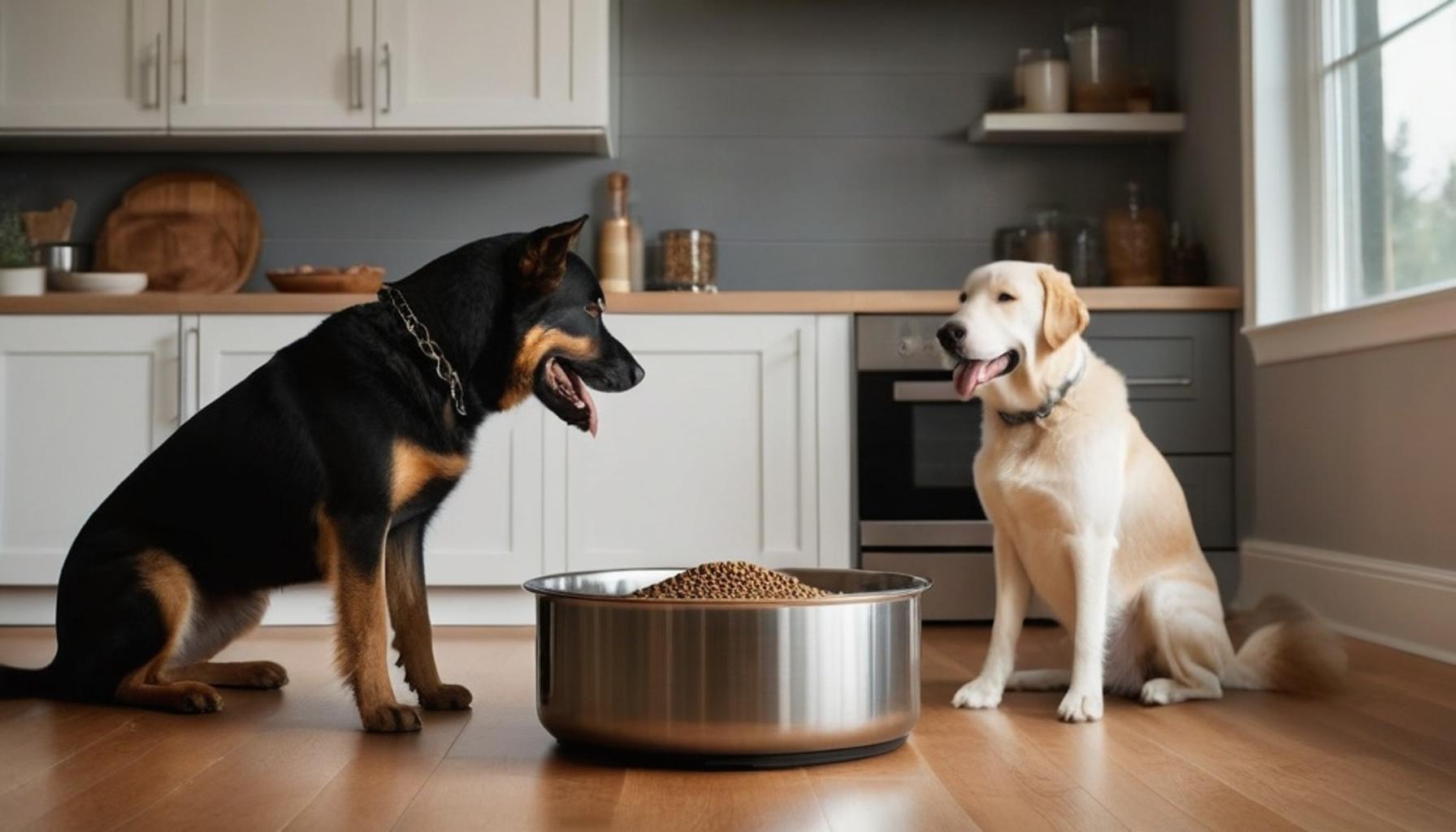
Why Your Pet’s Mealtime Deserves a Second Look
Across Nigerian homes, from Lagos apartments to compounds in Kano, pet ownership is growing steadily. Yet many owners still feed their dogs and cats whenever convenient, ignoring one crucial factor: feeding routines for pets directly shape their overall wellbeing.
Veterinary experts increasingly stress the importance of feeding schedules in preventing digestive issues, obesity, and behavioral problems. A pet fed at random times can develop anxiety, aggressive begging, or irregular bowel movements.
What Consistent Feeding Actually Achieves
Structured mealtimes do more than fill a bowl. They create predictability that supports both physical and hygienic outcomes for your animal companion.
- Proper pet nutrition absorption improves when meals arrive at consistent hours
- Regulated digestion reduces mess and unpleasant odors around feeding areas
- Feeding timing for pets influences energy levels, especially for working or guard dogs
- Reduced food waste and fewer pest attractions in the home
The Hygiene Connection Nobody Talks About
Beyond nutrition, pet hygiene practices are closely tied to how and when animals eat. Leftover food attracts flies, rodents, and bacteria—particularly relevant in Nigeria’s warm climate.
This article explores practical pet health tips for building sustainable feeding habits. Expect actionable guidance, realistic schedules, and insights suited to local pet-keeping conditions.
Understanding Your Pet’s Biological Clock
Dogs and cats, much like humans, operate on internal rhythms that respond to routine. When meals arrive at unpredictable hours, the digestive system struggles to prepare adequately, leading to bloating, vomiting, or sluggish metabolism. Many Nigerian pet owners assume that free-feeding, leaving food out all day, is convenient, but this practice often backfires in tropical conditions where heat accelerates spoilage within hours.
Consider the average compound dog in Ibadan or Enugu, often left to guard property overnight. Without a fixed feeding time, such animals may become erratic in temperament, alternating between lethargy and sudden aggression. Establishing two structured meals daily, typically morning and early evening, has shown remarkable improvements in temperament and alertness among working dogs.
Local Realities Shaping Feeding Habits
Nigeria presents unique challenges that influence how feeding schedules should be structured. Power outages affect refrigeration, meaning wet food or leftovers spoil faster than in temperate countries. This makes pet health tips centered around dry kibble and portion control particularly relevant for households without constant electricity access.
Additionally, many pets share compounds with poultry, goats, or other livestock, increasing the risk of cross-contamination if feeding areas are not properly separated and cleaned. A consistent schedule allows owners to monitor feeding bowls, wash them promptly, and prevent scavenging animals from mingling with domestic pets during vulnerable feeding windows.
Building a Realistic Routine
Veterinary professionals recommend starting simple: choose two fixed times daily, remove uneaten food after twenty minutes, and avoid table scraps that disrupt nutritional balance. Over time, pets adjust remarkably well, often anticipating mealtime with visible excitement rather than anxious begging.
Owners who have transitioned from random feeding to structured schedules frequently report calmer pets, reduced veterinary visits, and noticeably cleaner living spaces. As Nigeria’s pet care culture continues evolving, understanding these fundamentals could mean the difference between a thriving companion animal and one silently struggling with preventable health complications.
LEARN MORE: The Influence of Feeding Routines on the Behavior and Exercise of Pets
# Setting the Foundation: Practical Steps to Structured Feeding
The Science Behind Scheduled Meals
Establishing feeding routines for pets is not merely a matter of convenience for owners; it directly mirrors biological processes that govern digestion, energy regulation, and behavior. Research in veterinary science confirms that animals fed at consistent intervals produce more stable insulin and cortisol levels, reducing the likelihood of stress-related eating disorders. This is not a trivial detail buried in academic journals; it has real consequences for the animals sharing our homes, our compounds, and sometimes our office spaces in Lagos or Enugu.
For Nigerian households juggling generator schedules, work commutes, and unpredictable traffic in cities like Port Harcourt or Abuja, fitting pet care into daily life can feel challenging. However, the importance of feeding schedules becomes clear once owners notice fewer digestive upsets and calmer household dynamics. A dog that eats at the same hour every day tends to bark less out of anxiety, while a cat with a predictable feeding rhythm is less likely to knock over kitchen items in search of food during odd hours.
Veterinarians across the country have started emphasizing this point during consultations, particularly as more Nigerians adopt dogs for security purposes or cats as companions in apartment living. The conversation is shifting from simply “what to feed” to “when and how consistently to feed,” a subtle but important evolution in local pet care culture.
Common Mistakes Nigerian Pet Owners Make
Many well-meaning pet owners unintentionally sabotage their animal’s health through inconsistent practices. Recognizing these patterns is the first step toward correction, and surprisingly, some of these habits are so normalized that owners rarely question them until problems arise.
- Leaving dry food out all day, assuming pets will self-regulate portions
- Feeding whenever the pet whines, reinforcing manipulative begging behavior
- Mixing table scraps with commercial feed, disrupting proper pet nutrition balance
- Ignoring water bowl hygiene alongside food schedules
- Changing feeding locations frequently, confusing the animal’s routine expectations
Interestingly, this last point often goes unnoticed by first-time pet owners. Animals form strong associations between location and safety, and shifting a feeding bowl from the kitchen to the balcony, then back indoors, can create low-level stress that manifests as picky eating or aggressive food guarding.
Why Timing Matters More Than Owners Realize
Beyond simply choosing morning or evening slots, feeding timing for pets should account for activity levels. A dog exercised at dawn benefits from eating shortly after exertion, allowing muscle recovery and steady glucose replenishment. This mirrors advice given to human athletes, an interesting parallel that many Nigerian pet owners find surprising once explained.
Cats, being naturally crepuscular hunters, often thrive on smaller, more frequent meals rather than two large servings. Owners who adjust timing to match these natural tendencies report noticeably reduced vomiting and hairball incidents. This adjustment alone has prompted several Nigerian pet clinics to recommend feeding trackers as part of routine wellness visits.
Practical Tools for Consistency
Modern pet owners across Nigeria increasingly rely on simple tools to maintain discipline around feeding times, even amid busy schedules. These tools require no expensive imports or complicated technology, making them accessible regardless of income level.
- Phone alarms set for identical times daily, minimizing human error
- Marked measuring cups to prevent overfeeding or underfeeding
- Designated feeding mats that reinforce location-based routine cues
- Shared family charts indicating who feeds the pet and when, avoiding double feeding
These small adjustments, though seemingly minor, compound into significant improvements. Pets develop predictable digestion patterns, owners notice reduced cleanup around feeding zones, and overall household hygiene improves considerably within just a few weeks of consistent implementation. For families managing multiple pets or several caregivers under one roof, these tools eliminate confusion and prevent the common problem of accidental overfeeding, which remains an underestimated contributor to obesity among Nigerian household pets today.
Key Aspects of Feeding Routines for Pets
Understanding feeding routines for pets goes beyond simply filling a bowl. Consistent schedules directly influence digestion, behavior, and long-term wellness. Below is a quick reference table highlighting the core elements every pet owner should consider when structuring mealtime habits.
| Category | Key Insight |
|---|---|
| Feeding Timing | Fixed meal times regulate metabolism and prevent overeating, a core principle behind proper pet nutrition. |
| Digestive Health | Predictable schedules reduce bloating and stomach upset, supporting the importance of feeding schedules. |
| Hygiene Practices | Routine cleaning of bowls and feeding areas prevents bacteria buildup, a vital part of pet hygiene practices. |
| Behavioral Stability | Consistent routines lower anxiety and reduce food-related aggression in multi-pet households. |
| Weight Management | Scheduled portions help track intake, one of the most practical pet health tips for preventing obesity. |
ADDITIONAL INSIGHTS: Expand your understanding here
# Beyond the Bowl: Hygiene, Health Monitoring, and Long-Term Benefits
The Hidden Link Between Feeding Routines and Pet Hygiene
Few Nigerian pet owners realize that pet hygiene practices are directly tied to how consistently an animal eats. Irregular feeding often leads to irregular bowel movements, which complicates house-training and increases the frequency of accidents indoors. Veterinary clinics in Ibadan and Kano have reported that pets on structured meal schedules typically defecate at predictable times, making cleanup and sanitation significantly easier for households.
This connection extends beyond convenience. Bacterial buildup around feeding bowls left out for extended hours attracts pests, a genuine concern in tropical climates where ants and flies thrive year-round. Establishing fixed feeding windows means bowls can be washed and stored promptly, reducing contamination risks that many owners overlook until an infestation forces attention.
In cities like Lagos and Port Harcourt, where humidity accelerates bacterial growth, leftover wet food can spoil within hours rather than the full day some owners assume is safe. Pet owners who leave bowls out overnight often unknowingly invite cockroaches and rodents into kitchens and living areas, creating a secondary hygiene crisis that has nothing to do with the pet itself but everything to do with feeding discipline. A simple shift toward scheduled meals, followed by immediate bowl cleaning, can eliminate this issue entirely within a matter of weeks.
Monitoring Health Through Consistent Feeding Patterns
One underappreciated advantage of feeding routines for pets is the diagnostic value they provide. When an animal eats at the same time daily, any sudden refusal to eat becomes immediately noticeable, often signaling illness before other symptoms appear.
Owners who maintain irregular schedules frequently miss these early warning signs simply because skipped meals don’t stand out as unusual. This delay can prove costly, particularly with conditions like parvovirus in dogs or feline kidney disease, both of which are more manageable when caught early.
- Sudden appetite loss lasting more than one feeding cycle
- Reluctance to approach the usual feeding spot
- Unusual chewing patterns or difficulty swallowing
- Vomiting shortly after meals despite consistent portions
These pet health tips only become useful when routines exist as a baseline for comparison. Without structure, symptoms blend into daily unpredictability rather than standing out as red flags. Some veterinarians in Abuja now recommend that new pet owners keep a simple feeding journal for the first month, noting exact times and portions consumed, so that any deviation becomes obvious rather than dismissed as coincidence.
Nutrition Absorption and Growth in Younger Pets
Puppies and kittens require more frequent feeding, often three to four times daily, to support rapid bone and muscle development. Skipping this structure in favor of adult feeding patterns is a common error among first-time owners across Nigerian cities, where mixed advice from neighbors or online forums often replaces proper veterinary guidance.
Studies on canine growth indicate that puppies fed irregularly show slower weight gain curves compared to those on fixed schedules, even when total daily food quantity remains identical. This suggests that proper pet nutrition depends not only on what enters the bowl but on when it arrives. Digestive enzymes in young animals operate on internal timing cues, and disrupting these cues repeatedly can strain a puppy’s developing pancreas, leading to inconsistent stool quality and, in some documented cases, stunted growth that becomes difficult to reverse later.
Long-Term Behavioral and Household Benefits
Beyond physical health, predictable feeding cultivates trust between pets and their owners. Dogs trained on strict schedules often display reduced destructive chewing, since anxiety-driven behavior frequently stems from uncertainty about when the next meal will come.
Multi-pet households benefit even further. When cats and dogs share living spaces, staggered but consistent feeding times prevent resource guarding and territorial disputes near food areas, a common source of household tension that many Nigerian families underestimate until conflicts escalate. Compound houses with multiple pets, a familiar setup in many Nigerian neighborhoods, often see fewer fights once separate feeding zones and fixed times are introduced, replacing chaotic scrambles with calm, predictable mealtimes that benefit every animal involved.
Building a Culture of Consistency for Healthier Pets
Across Lagos apartments, Abuja compounds, and Kano courtyards, one truth remains constant: feeding routines for pets shape far more than mealtime convenience. They influence digestion, hygiene, disease detection, and even the emotional stability of animals sharing Nigerian households.
What often begins as a simple scheduling habit gradually becomes a diagnostic tool, a hygiene safeguard, and a behavioral anchor. Owners who commit to fixed mealtimes are, often unknowingly, protecting their pets from preventable illnesses while reducing household pest problems tied to spoiled food and abandoned bowls.
The importance of feeding schedules becomes clearer when viewed as a preventive strategy rather than a rigid rule. A structured routine allows early detection of illness, supports steady growth in puppies and kittens, and minimizes the chaos that often erupts in multi-pet homes during feeding hours.
Consider the practical shifts discussed throughout this article:
- Fixed feeding times make bowel patterns predictable, easing house-training and cleanup
- Prompt bowl cleaning after meals reduces bacterial buildup and pest infestations
- Consistent schedules reveal early warning signs of illness that irregular feeding often masks
- Structured meal timing supports healthier growth curves in young animals
- Predictable routines reduce anxiety-driven behavior and household conflict among pets
None of these benefits require expensive equipment or specialized training. They demand discipline, observation, and a willingness to treat feeding timing for pets as seriously as their diet composition.
As more Nigerian veterinary clinics document the link between scheduling and health outcomes, the conversation is shifting. Pet hygiene practices and proper pet nutrition are no longer separate concerns but interconnected habits that determine an animal’s overall wellbeing.
For pet owners still feeding on impulse, the path forward is straightforward: choose fixed times, monitor consumption closely, and treat any deviation as information rather than inconvenience. This small adjustment, repeated daily, often becomes the difference between reactive pet care and genuinely preventive care, one bowl, one schedule, one healthier household at a time.
Frequently Asked Questions
How many times a day should I feed my dog or cat in Nigeria’s hot climate?
Most adult dogs and cats do well with two meals a day, one in the morning and one in the evening, to avoid leaving food out in the heat where it spoils quickly. Puppies and kittens need three to four smaller meals daily to support their growth. Adjust timing to cooler parts of the day, such as early morning and after sunset, to keep food fresh longer.
What time of day is best to feed pets in Nigerian households with irregular schedules?
Aim for consistent feeding windows, such as 7am and 7pm, even if your daily routine varies, because pets thrive on predictability rather than exact clock times. If your schedule is unpredictable, choose two anchor points like before you leave for work and after you return home. Consistency reduces begging behavior, vomiting from empty stomachs, and digestive upset.
Can I leave dry pet food out all day for my dog or cat instead of set feeding times?
Free-feeding is generally not recommended in Nigeria because heat and humidity cause kibble to attract ants, weevils, and bacteria within hours. Scheduled feeding also helps you monitor appetite changes, which can be an early sign of illness like worms or infection common in local pets. Portion-controlled meals at fixed times support better weight management too.
How do I transition my pet from local food scraps to a proper feeding routine?
Start by introducing commercial pet food or balanced home-cooked meals gradually, mixing small amounts with familiar scraps over one to two weeks. Set fixed meal times and remove uneaten food after 20 to 30 minutes to build routine and prevent overreliance on snacking. This shift improves digestion and reduces issues like diarrhea often caused by inconsistent, scrap-based diets.
Does establishing a feeding routine help prevent pet diseases common in Nigeria?
Yes, regular feeding routines make it easier to spot early signs of illnesses like parvovirus, worms, or tick-borne diseases because sudden appetite loss becomes noticeable quickly. Routines also allow proper hand and bowl hygiene, reducing bacterial contamination that thrives in warm, humid conditions. Combined with clean water and regular deworming, feeding schedules significantly lower disease risk.
How should I clean my pet’s feeding bowls to maintain hygiene between meals?
Wash bowls with warm water and mild soap after every meal, since leftover food residue in Nigeria’s warm climate breeds bacteria and attracts pests within a short time. Avoid using the same sponge for human dishes and pet bowls to prevent cross-contamination. Rinsing thoroughly and air-drying bowls before the next feeding also helps maintain your pet’s digestive health.

Linda Carter
Linda Carter is a writer and pet care expert specializing in pet health, grooming, and wellness. With extensive experience helping pet owners create safe, loving, and enriching environments for their animals, Linda shares her knowledge on our platform. Her goal is to empower readers with practical advice and strategies to ensure their pets thrive and lead joyful, healthy lives.