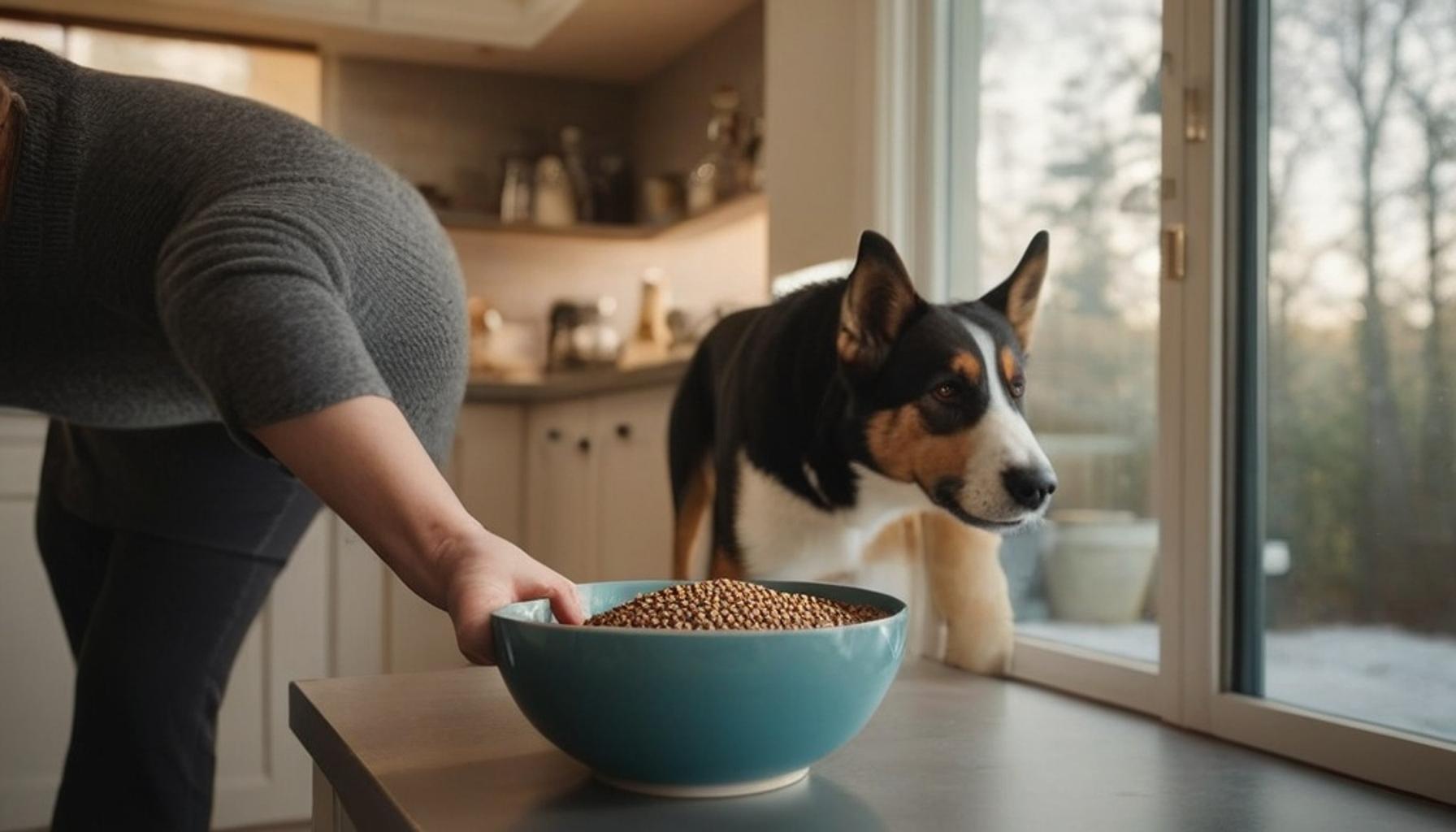
Integrating Feeding and Hygiene Routines: Best Practices for Dogs and Cats in Indoor Environments
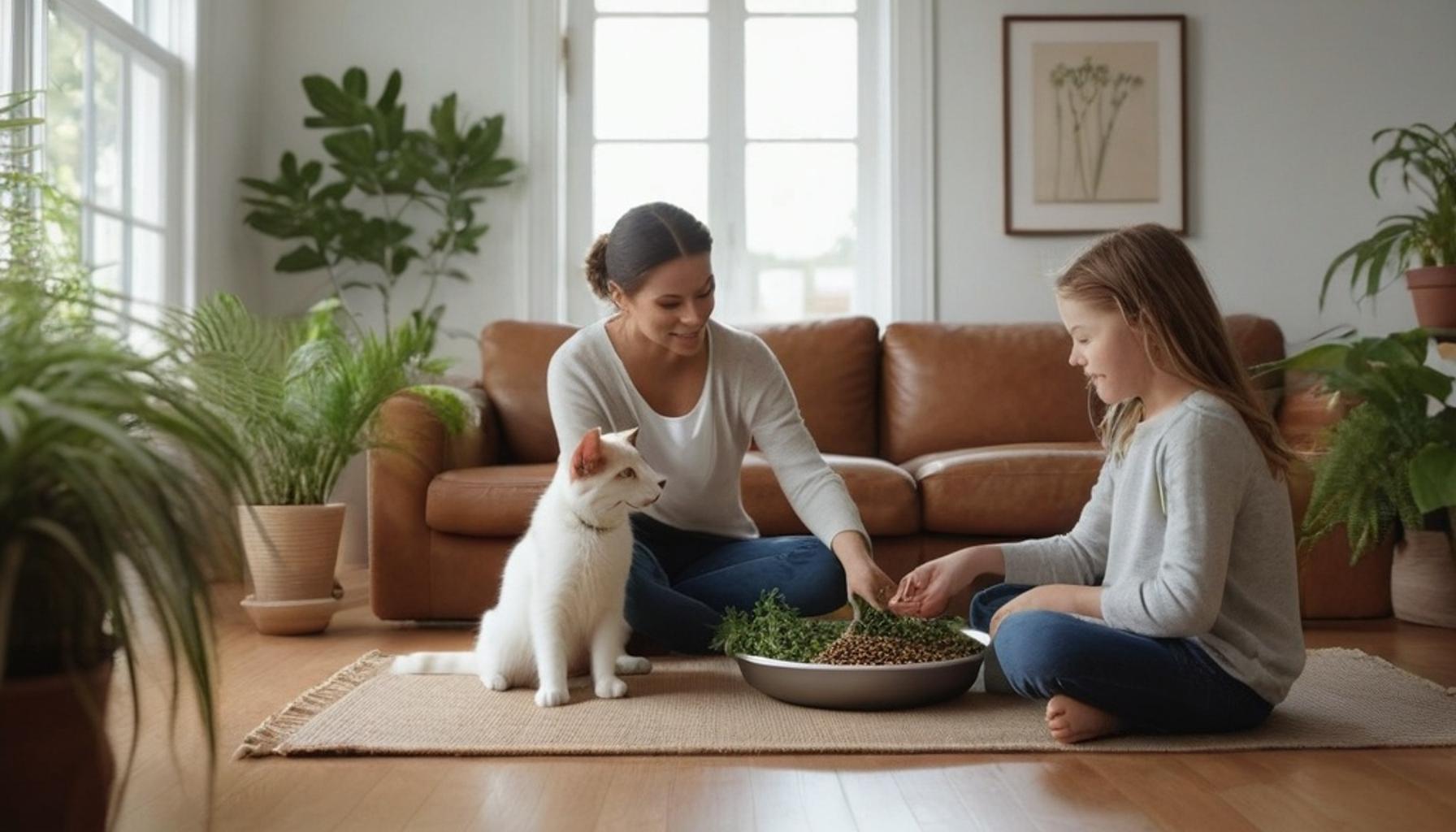
Why Feeding and Hygiene Routines Matter for Indoor Pets
Lagos apartments and Abuja duplexes are increasingly home to indoor dogs and cats, a shift that changes how pet owners must think about daily care. Unlike outdoor animals, indoor pets rely entirely on their humans for structure, cleanliness, and nutrition. This makes Feeding and Hygiene Routines for Pets a central pillar of responsible ownership.
The Hidden Cost of Inconsistent Care
Many Nigerian pet owners underestimate how quickly poor habits escalate into health issues. A missed grooming session or irregular feeding schedule for dogs and cats can trigger problems that are expensive and stressful to fix. Veterinary clinics in cities like Port Harcourt and Ibadan report a steady rise in cases linked directly to neglected daily routines, many of which could have been avoided with simple, consistent habits.
- Digestive upsets from erratic meal timing
- Skin infections linked to inconsistent bathing
- Weight gain from free-feeding without portion control
- Parasite infestations due to delayed hygiene checks
These issues rarely appear overnight. Instead, they build gradually, often masked by a pet’s resilience until the situation becomes visibly serious. A dog that seems fine today might be showing early signs of a skin condition that, left unchecked, requires costly veterinary intervention within weeks. This slow progression is precisely why many owners are caught off guard, assuming their pet is healthy simply because nothing dramatic has happened yet.
Building a System That Works
Effective indoor pet care tips go beyond isolated actions—they require integration. A well-structured cat feeding routine paired with regular dog grooming and hygiene practices creates a rhythm that benefits both pet and owner. Nigeria’s tropical climate adds another layer of complexity, as humidity levels in coastal cities like Lagos differ dramatically from the drier air in northern regions such as Kano, affecting everything from coat maintenance to food storage.
This article explores practical, science-backed strategies for combining these two essential aspects of pet care. Readers will discover actionable pet hygiene tips and feeding frameworks tailored to Nigeria’s indoor living conditions, from humidity challenges to space constraints. Understanding how local weather patterns, water quality, and even the availability of specific pet food brands influence daily care decisions can make the difference between a thriving pet and one constantly battling preventable ailments.
What follows are the best practices for indoor pets that veterinarians and experienced owners swear by, offering a roadmap for anyone determined to raise a healthier, happier companion within the unique realities of Nigerian indoor living.
CHECK OUT: Monitoring Health and Behavior: How Eating Routines Influence Animal Well-Being
Structure matters more than most Nigerian pet owners realize. A consistent feeding schedule for dogs and cats does more than prevent hunger—it regulates digestion, supports predictable bathroom habits, and reduces the anxiety that often drives destructive indoor behavior. Pets thrive on routine in ways that mirror human biology, and disruptions to that routine can manifest as excessive barking, scratching furniture, or even lethargy that owners mistake for illness.
Veterinarians typically recommend feeding adult dogs twice daily and adult cats two to three times daily, spaced at consistent intervals. Puppies and kittens require more frequent meals, often three to four times a day, due to their faster metabolism and smaller stomach capacity. A three-month-old puppy, for instance, burns through energy reserves far quicker than a five-year-old adult dog, making skipped meals riskier for younger animals than most first-time owners expect.
Why Timing Beats Quantity
Many owners focus exclusively on food volume while ignoring timing, yet irregular feeding windows confuse a pet’s internal clock just as much as human shift work disrupts sleep cycles. This is particularly relevant in busy Nigerian households where work schedules in Lagos traffic or Abuja’s demanding office hours can push feeding times later into the evening. A dog fed at 6am one day and 9am the next may begin associating hunger with stress, leading to overeating once food finally arrives.
Building a reliable cat feeding routine requires accounting for a cat’s natural grazing instinct, which differs significantly from a dog’s more opportunistic eating pattern. Cats often prefer smaller, more frequent portions rather than one or two large meals. This grazing behavior traces back to their ancestral hunting patterns, where wild cats consumed several small prey animals throughout the day rather than a single large feast.
- Morning meal: Serve within the same 30-minute window daily, ideally before 8am
- Evening meal: Maintain a 10 to 12-hour gap from the morning feeding to support healthy digestion
- Water access: Refresh bowls at least twice daily, especially critical in humid coastal cities where bacteria multiply faster
- Portion control: Use measuring cups rather than estimating by eye to prevent gradual overfeeding
Beyond these basics, owners in multi-pet households face an additional challenge: preventing one animal from stealing another’s portion. Feeding pets in separate spaces, even if just a few feet apart, minimizes competition and ensures each animal consumes its intended share without stress-induced gulping.
Adapting to Nigeria’s Climate Realities
Food storage becomes a genuine challenge in Nigeria’s tropical humidity, particularly during rainy seasons when kibble can absorb moisture and spoil faster than manufacturer guidelines suggest. Dry pet food left in open bowls in Lagos apartments may attract weevils within days, unlike in cooler, drier climates. Owners who purchase food in bulk to save costs often unknowingly expose themselves to greater spoilage risk if storage conditions are not addressed.
Storing dry food in airtight containers, away from direct sunlight and kitchen humidity, extends freshness considerably. Wet food, once opened, should never sit out for more than an hour in temperatures exceeding 30 degrees Celsius, a common occurrence across most Nigerian states. Refrigeration, where available, remains the safest option for leftover wet food, though it should be brought back to room temperature before serving to avoid digestive discomfort.
These foundational habits form the backbone of effective Feeding and Hygiene Routines for Pets, setting the stage for the grooming and cleanliness practices that complement proper nutrition.
CHECK OUT: Establishing Feeding Routines: The Key to Your Pets’ Health and Hygiene
Grooming Habits That Protect Indoor Air Quality
Once feeding routines settle into a rhythm, attention naturally shifts toward dog grooming and hygiene practices that keep indoor spaces livable. Fur, dander, and paw residue accumulate faster than most apartment dwellers in Port Harcourt or Ibadan anticipate, especially when pets spend most of their day indoors due to security concerns or lack of safe outdoor space. What begins as a few stray hairs on the couch can quickly evolve into a persistent allergen problem, particularly in homes with limited cross-ventilation.
Brushing frequency depends heavily on breed and coat type, yet a general guideline suggests short-haired dogs benefit from weekly brushing while long-haired breeds require attention every two to three days. Cats, contrary to popular belief, also need brushing support despite their self-grooming instincts, particularly during shedding seasons when loose fur can lead to hairballs or matting in humid conditions. Nigeria’s tropical climate, with its extended humid stretches, tends to accelerate shedding cycles compared to what pet owners in temperate countries typically experience.
- Bathing frequency: Dogs typically need bathing every four to six weeks, though outdoor exposure to Lagos dust may shorten this interval
- Nail trimming: Overgrown nails on hardwood or tiled floors common in Nigerian apartments can cause slipping injuries
- Ear cleaning: Weekly checks prevent wax buildup, especially in floppy-eared breeds prone to trapped moisture
- Litter box maintenance: Scooping daily and full replacement weekly reduces ammonia odor that intensifies in poorly ventilated rooms
Beyond these basics, many pet owners overlook the significance of paw cleaning after walks, particularly in cities where flooding and muddy pathways are seasonal realities. A simple damp cloth wipe at the doorway can prevent tracked-in bacteria from settling into carpets or rugs, an easily forgotten step that carries outsized hygiene benefits.
Connecting Grooming Schedules to Feeding Times
Interestingly, pairing grooming sessions with feeding times creates a psychological association that many Nigerian trainers now recommend. A dog groomed immediately after its evening meal often remains calmer, associating the brushing sensation with post-meal contentment rather than resistance. This technique, borrowed from behavioral conditioning principles, has gained traction among urban pet trainers seeking low-stress grooming solutions for anxious or first-time pet owners.
This layered approach forms the practical core of effective Feeding and Hygiene Routines for Pets, where nutrition and cleanliness reinforce rather than compete with each other throughout the day. When these routines align, owners report fewer grooming struggles and noticeably less shedding-related mess around feeding stations.
Cats present a different challenge entirely. Their independent nature means forcing grooming immediately after meals can trigger avoidance behavior, so many veterinarians in Abuja advise a thirty-minute buffer between eating and handling. This waiting period allows digestion to settle and reduces the likelihood of scratching or defensive reactions during brushing.
Practical Indoor Pet Care Tips for Small Living Spaces
Nigerian urban housing rarely offers the spacious compounds seen in rural settings, meaning odor control becomes a pressing concern for apartment-based pet owners. Ventilation, moisture control, and prompt waste removal matter more indoors than most first-time pet owners initially expect, particularly during rainy seasons when humidity traps smells within enclosed rooms.
Air fresheners mask odors temporarily but rarely address root causes like damp bedding or unwashed food bowls. Washing pet bedding weekly in hot water, alongside daily wiping of feeding stations, addresses bacterial buildup before it becomes noticeable to human noses. Some households have also found success placing charcoal-based odor absorbers near litter boxes, a low-cost solution increasingly popular in Nigerian pet care circles.
These combined pet hygiene tips and feeding disciplines represent achievable, low-cost adjustments that suit the realities of Nigerian indoor living, regardless of apartment size or household income level. As more urban dwellers adopt pets, these small but consistent practices could shape a new standard for shared living between humans and animals in tightly packed city environments.
Bringing Feeding and Grooming Together for Healthier Homes
Across Lagos, Enugu, and every city in between, the evidence points to one clear conclusion: Feeding and Hygiene Routines for Pets work best when treated as interconnected systems rather than separate chores. A well-timed meal schedule reduces begging and food-related stress, while consistent grooming keeps shedding and odor from overwhelming small apartments.
Nigerian pet owners face unique pressures, from unpredictable power supply affecting food storage to humidity accelerating both spoilage and shedding cycles. Yet these challenges also reveal opportunities. Simple habits like feeding at fixed times, wiping paws at the door, and scooping litter daily cost little but yield outsized results in air quality and household harmony.
What separates struggling pet owners from confident ones often isn’t budget but consistency. A structured feeding schedule for dogs and cats, paired with predictable grooming windows, builds trust between pet and owner while minimizing the mess that typically frustrates first-time adopters.
- Establish fixed feeding times to regulate digestion and reduce indoor accidents
- Pair grooming with calm post-meal moments for dogs, and buffer periods for cats
- Prioritize ventilation and moisture control alongside daily cleaning tasks
As more Nigerian households embrace indoor pet ownership, these best practices for indoor pets will likely become less optional and more expected, especially as awareness spreads through social media and community pet groups. The households that adapt early stand to enjoy cleaner spaces, calmer animals, and fewer veterinary surprises down the line.
Ultimately, integrating these routines isn’t about perfection but progress. Small, repeatable actions, applied consistently, transform pet ownership from a source of anxiety into a manageable, even rewarding, part of urban Nigerian life.
Frequently Asked Questions
How can I create a feeding schedule that also supports hygiene for my indoor dog or cat in Nigeria’s hot climate?
Feed your pet at fixed times, ideally twice daily, and clean food and water bowls immediately after each meal to prevent bacteria growth in Nigeria’s warm weather. Place feeding stations away from litter boxes or dog waste areas to avoid contamination. Using stainless steel bowls instead of plastic also makes cleaning easier and reduces bacterial buildup between meals.
What is the best way to manage litter box cleaning alongside my cat’s feeding routine indoors?
Scoop the litter box at least once daily, ideally right after your cat eats since many cats use the litter box shortly after meals. Keep the litter box in a separate room from feeding areas to prevent cross-contamination and odor near food. In Nigeria’s humid conditions, changing litter completely every week helps control bacteria and unpleasant smells.
How do I balance feeding times for both a dog and cat living together indoors without hygiene issues?
Feed dogs and cats in separate designated spots to prevent food-sharing, which can cause digestive upset or spread parasites between species. Pick up cat food promptly since dogs often eat it quickly, leaving mess and encouraging pests common in Nigerian homes like ants. Establishing consistent feeding zones also makes daily cleaning routines faster and more manageable.
Are there affordable hygiene products available in Nigeria for maintaining feeding and litter areas?
Yes, local markets and pet stores in cities like Lagos, Abuja, and Port Harcourt stock affordable disinfectants, pet-safe detergents, and litter deodorizers suitable for daily cleaning. Household items like diluted vinegar or bleach solutions can also safely disinfect feeding bowls and floors when pet-specific products aren’t accessible. Always ensure surfaces are fully dry before your pet uses them again to avoid chemical exposure.

Linda Carter
Linda Carter is a writer and pet care expert specializing in pet health, grooming, and wellness. With extensive experience helping pet owners create safe, loving, and enriching environments for their animals, Linda shares her knowledge on our platform. Her goal is to empower readers with practical advice and strategies to ensure their pets thrive and lead joyful, healthy lives.