
The Importance of Exercise Planning in Dogs’ and Cats’ Feeding Routines

Why Every Meal Deserves a Movement Plan
Across Nigerian homes, from Lagos apartments to Abuja compounds, more families are welcoming dogs and cats as household companions. Yet many pet owners focus solely on what to feed their animals, overlooking an equally critical factor: exercise planning for dogs and cats.
Feeding without movement is like filling a car with fuel it never burns. The result? Weight gain, sluggish metabolism, and long-term health complications. In a country where pet ownership is rapidly becoming a symbol of status and companionship, this oversight could quietly be shortening the lives of the very animals people cherish.
The Missing Link Between Food and Fitness
Veterinary studies suggest that over 50% of dogs and cats in urban households are overweight or obese. This isn’t just about appearance—it directly affects lifespan, joint health, and organ function. An overweight dog struggling to climb stairs in a Lagos duplex, or a cat panting after a short walk across the room, are signs many owners dismiss as normal but which actually point to deeper metabolic strain.
Understanding the connection between nutrition and exercise in pets can transform how owners approach daily care. Consider these essential factors:
- Caloric intake must match energy expenditure
- Breed, age, and health conditions influence exercise needs
- A consistent feeding schedule for pets supports digestion and energy regulation
- Indoor cats often require structured play to compensate for limited natural movement
For instance, a young Alsatian in a compound with ample space may need vigorous daily runs, while an aging Shih Tzu in a small flat might thrive with gentle, shorter walks combined with portion-controlled meals.
What Nigerian Pet Owners Should Know
With Nigeria’s growing pet ownership culture, especially in cities like Port Harcourt and Ibadan, understanding proper pet exercise routines has never been more relevant. Many local breeds and mixed pets thrive when owners combine mindful feeding with daily activity, whether that means a brisk evening walk around the estate or interactive play sessions using simple household items like ropes and balls.
This article explores the importance of exercise for pets and offers practical dog and cat health tips that any Nigerian household can implement—regardless of space, budget, or pet breed. As awareness grows, so does the opportunity to raise healthier, happier animals across the country.
CHECK OUT: Establishing Feeding Routines for Dogs and Cats: The Impact on Pets’ Health and Behavior
Building a Feeding-to-Fitness Framework That Works
Creating an effective exercise planning for dogs and cats routine isn’t about guesswork. It requires understanding how energy from food translates into physical activity, and how activity, in turn, regulates appetite and metabolism. This cycle, when properly managed, keeps pets lean, alert, and resistant to common lifestyle diseases that veterinarians across Lagos, Abuja, and Port Harcourt are increasingly reporting in household pets.
Many Nigerian pet owners unknowingly disrupt this cycle. Feeding a dog twice daily with no structured walk schedule, or leaving a cat’s bowl full throughout the day without playtime, creates an imbalance that accumulates over months into visible weight problems. This is particularly common in urban homes where compound space is limited, and pets spend most of their day indoors or within small yards.
How Much Exercise Does Your Pet Really Need?
Veterinary guidelines offer a useful starting point, though individual needs vary. On average, dogs require between 30 minutes to two hours of physical activity daily, depending on breed and age. Cats, though more independent, still need at least 15 to 30 minutes of active play to prevent obesity and boredom-related behaviors, such as excessive scratching or destructive clawing on furniture.
A structured approach to pet exercise routines should consider the following:
- Puppies and kittens need shorter, frequent bursts of activity rather than prolonged exertion
- Senior pets benefit from low-impact movement like slow walks or gentle stretching play
- Working breeds such as Boerboels or German Shepherds require significantly more stimulation than companion breeds like Pomeranians
- Cats kept strictly indoors need vertical climbing spaces and interactive toys to mimic natural hunting movements
Ignoring these distinctions often leads owners to either under-exercise large, energetic breeds or over-exert smaller, more fragile ones. A Boerboel confined to a small compound without adequate walks, for instance, may develop destructive tendencies or excessive weight gain within a few months, while a toy breed pushed into long runs risks joint strain.
Aligning Meals With Activity Levels
A well-planned feeding schedule for pets should mirror their exercise output. Feeding a highly active dog once daily with a large portion can cause digestive stress, while feeding an indoor cat multiple times without corresponding play encourages fat storage rather than energy use. This mismatch is one of the leading, yet overlooked, contributors to pet obesity across Nigerian households.
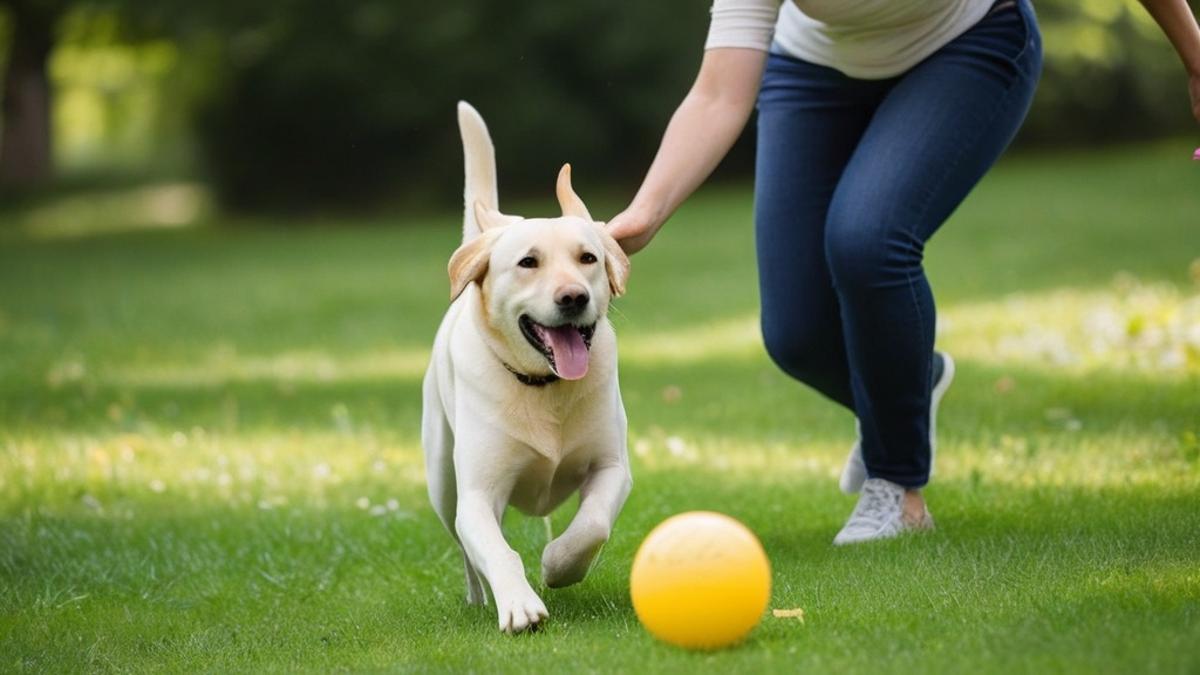
Nutritionists recommend dividing daily food intake into smaller portions aligned with activity periods. For example, feeding a dog lightly before a morning walk and offering a fuller meal after an evening play session supports better digestion and sustained energy throughout the day. Many local pet owners have started adopting this approach, particularly those raising dogs for security purposes, where sustained alertness matters.
This connection between nutrition and exercise in pets isn’t just theoretical—it’s observable. Owners who adjust feeding times around activity often report improved coat condition, better bowel regularity, and noticeably higher energy levels in their pets within weeks. Some veterinary clinics in Nigeria have even begun recommending simple activity logs alongside feeding charts, helping owners track patterns and catch early signs of imbalance before they become costly health issues.
CHECK OUT: Establishing Feeding Routines: The Key to Your Pets’ Health and Hygiene
Practical Strategies for Nigerian Pet Owners to Get It Right
Beyond understanding activity levels and meal timing, the real challenge lies in execution. Nigeria’s climate, housing patterns, and daily routines present unique obstacles that many pet care guides written for other regions simply don’t address.
Working Around Nigeria’s Climate and Space Constraints
The tropical heat across most Nigerian cities makes midday exercise risky for pets, particularly short-nosed breeds like Boxers or Pugs, which struggle with heat regulation. Veterinarians recommend scheduling walks during early morning hours before 8am or in the evening after 5pm, when temperatures drop and pavement surfaces cool down enough to avoid paw burns.
Rainy season presents a different problem entirely. Between April and October, sudden downpours can disrupt outdoor plans for days. Owners who fail to adjust their exercise planning for dogs and cats during this period often notice weight gain creeping in, simply because outdoor activity drops while feeding habits remain unchanged.
Smart alternatives for rainy days include:
- Indoor fetch games using soft toys in hallways or living rooms
- Stair climbing sessions for dogs in duplexes or storey buildings
- Puzzle feeders that force cats to work for their food, combining mental stimulation with physical movement
- Short, controlled compound walks during brief weather breaks
The Hidden Cost of Inconsistent Routines
Inconsistency carries financial consequences that many owners overlook. Treating obesity-related conditions such as joint strain, diabetes, or fatty liver disease in pets can cost significantly more than the effort required to maintain a proper feeding schedule for pets paired with regular activity.
Some veterinary clinics in Lagos have reported a rise in consultations related to weight management in dogs and cats, with many cases traced back to erratic feeding times and minimal structured exercise. This trend underscores the importance of exercise for pets as a preventive health measure, not merely a lifestyle choice.
Simple Tools That Make a Difference
Owners don’t need expensive equipment to build effective routines. A basic leash, a ball, or even household stairs can serve as tools for consistent movement. For cats, homemade toys from cardboard boxes or dangling string under supervision often work just as well as store-bought interactive gadgets.
Tracking progress matters too. Keeping a simple notebook or phone note logging feeding times, portion sizes, and daily activity duration helps identify patterns quickly. Owners who maintain this habit often catch subtle changes, like reduced appetite or unusual lethargy, before they escalate into serious health concerns.
These practical, low-cost adjustments demonstrate that solid dog and cat health tips don’t require elaborate systems. They require consistency, observation, and a willingness to adapt routines to local realities rather than following generic advice that ignores Nigeria’s specific environmental and lifestyle factors.
Bringing It All Together: A Healthier Future for Nigerian Pets
Across this article, one message stands out clearly: exercise planning for dogs and cats cannot be separated from what happens in the feeding bowl. Nutrition and movement work as partners, not as independent routines that owners can handle whenever convenient.
Nigerian pet owners face conditions that generic international guides rarely mention, from unpredictable rainy seasons to compound sizes that limit free roaming. Yet, as this piece has shown, these challenges are far from insurmountable. Adjusting walk times to avoid midday heat, using stairs or hallways during downpours, and relying on affordable tools like puzzle feeders all prove that consistency matters more than expensive solutions.
The financial angle deserves one final mention. Veterinary bills tied to obesity, joint problems, or diabetes often cost far more than the time invested in daily walks or portion control. This alone should push households to treat pet exercise routines as a long-term investment rather than an occasional afterthought.
Looking ahead, more Nigerian veterinary clinics may begin publishing localized data on pet weight trends, giving owners clearer benchmarks to follow. Until then, close observation remains the most reliable tool available.
Ultimately, a reliable feeding schedule for pets paired with intentional daily activity builds the foundation for a longer, healthier life. Recognizing the importance of exercise for pets today means fewer emergency vet visits tomorrow, and a stronger bond between owners and the animals depending on them for care.
Small, consistent choices, repeated daily, shape the difference between a thriving pet and one silently struggling with preventable health issues.

Linda Carter
Linda Carter is a writer and pet care expert specializing in pet health, grooming, and wellness. With extensive experience helping pet owners create safe, loving, and enriching environments for their animals, Linda shares her knowledge on our platform. Her goal is to empower readers with practical advice and strategies to ensure their pets thrive and lead joyful, healthy lives.