
Establishing Feeding Routines for Dogs and Cats: The Impact on Pets’ Health and Behavior
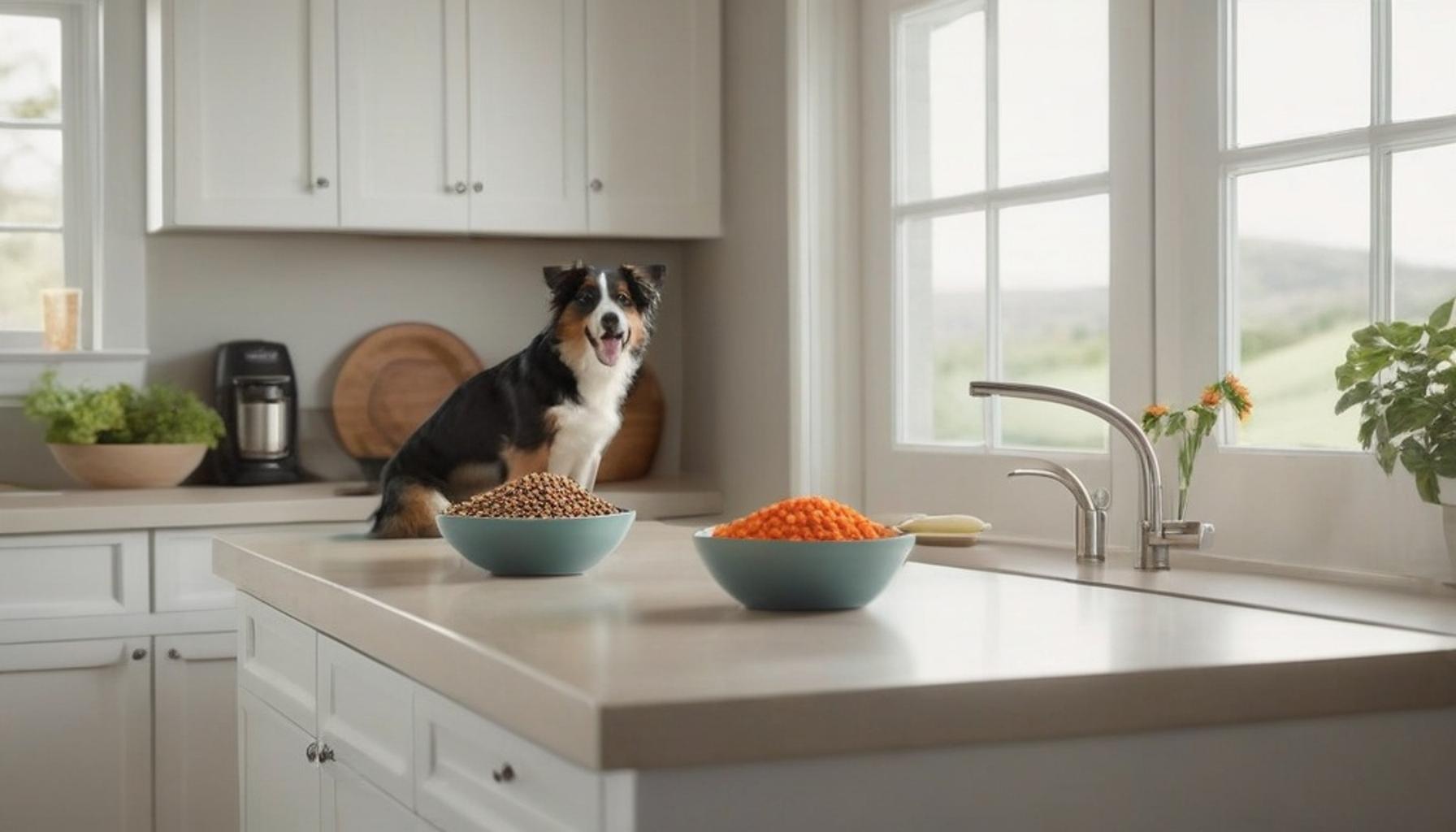
Why Meal Times Matter More Than You Think
Every dog owner in Lagos or Abuja knows the drill: that persistent nudge at 6 PM, the hopeful stare by the kitchen door. But is your pet’s hunger schedule actually helping or harming them?
Feeding routines for pets are far more than a convenience for busy Nigerian households. They shape digestion, behavior, and even lifespan in ways many pet owners never suspect. From the bustling estates of Ikeja to quiet compounds in Kaduna, the timing of that bowl placed on the floor carries weight far beyond simple nourishment.
The Hidden Cost of Irregular Feeding
Veterinarians across Nigeria report a troubling pattern: pets fed at random times often develop anxiety, aggression, or obesity. A consistent dogs feeding schedule does more than fill a bowl—it regulates blood sugar, supports metabolism, and reduces destructive behavior linked to hunger stress. Dogs left guessing about their next meal often resort to scavenging, excessive barking, or even chewing through furniture as stress responses to unpredictability.
Cats are no different, though their instincts tell a unique story. Left to their own devices, cats eating habits mimic their wild ancestors—multiple small meals rather than one large feast. This explains why many Nigerian cat owners notice their pets nibbling throughout the day rather than clearing a bowl in one sitting. Ignoring this natural rhythm can trigger overeating, vomiting, or territorial aggression around food.
What This Article Will Uncover
- How the impact of feeding on pets health extends beyond weight management to organ function and immunity
- The surprising link between pet behavior and diet, including anxiety, aggression, and excessive vocalization
- Step-by-step guidance for establishing feeding routines tailored to breed, age, and lifestyle
- Common mistakes Nigerian pet owners make with free-feeding and inconsistent portions
Understanding these dynamics isn’t just about discipline—it’s about decoding what your pet’s body and behavior are trying to tell you. Many owners assume a whimpering dog or a meowing cat simply wants attention, when in reality, the message may be tied directly to disrupted feeding patterns.
As pet ownership continues to rise across Nigerian cities, from Port Harcourt to Enugu, understanding the science behind mealtime consistency becomes increasingly relevant. The answers might reshape how you approach that next feeding time, and could ultimately determine whether your companion thrives or merely survives under your care.
SEE ALSO: Click here to read another article
The Science Behind the Bowl: How Timing Shapes Pet Physiology
Walk through any veterinary clinic in Victoria Island or Jos, and you’ll hear a recurring theme: irregular feeding is quietly driving a health crisis among Nigerian household pets. It’s not dramatic like a car accident or infection—it’s slow, cumulative, and often mistaken for normal pet quirks.
Feeding routines for pets influence circadian rhythms in ways strikingly similar to humans. Dogs and cats possess internal biological clocks that anticipate meals, triggering digestive enzyme release, insulin regulation, and even cortisol production. When feeding times fluctuate wildly, these systems misfire, leading to chronic low-grade stress that owners rarely connect to something as simple as an unpredictable dinner time.
Veterinarians in Port Harcourt and Enugu increasingly report cases where anxious, restless behavior in dogs traces back not to trauma or poor training, but to something far more mundane: a household schedule that shifts meal times by hours depending on traffic, work demands, or simply forgetfulness. The animal’s body, primed by millions of years of evolution to expect food at set intervals, interprets this unpredictability as a survival threat, flooding the bloodstream with stress hormones that, over months, wear down organ systems.
Digestive Disruption: More Than Just an Upset Stomach
Consider a Labrador in a Lekki household fed at 7 AM one day and 11 AM the next. This inconsistency confuses gastric acid secretion, which typically ramps up in anticipation of scheduled meals. Without that predictability, dogs experience hyperacidity, bloating, or reduced nutrient absorption over time.
A structured dogs feeding schedule stabilizes this process. Veterinary nutritionists recommend feeding adult dogs twice daily, spaced roughly 8 to 12 hours apart, to maintain steady glucose levels and prevent the bile-reflux vomiting common in dogs fed only once a day.
Puppies and senior dogs require even closer attention, as their metabolic systems are less forgiving of gaps. A growing puppy left without food for extended stretches may experience blood sugar crashes that manifest as lethargy or trembling, symptoms many first-time owners in Ibadan mistake for illness rather than a simple scheduling failure. Establishing set feeding windows, even within a busy Lagos household, gives the digestive tract time to prepare, reducing the likelihood of emergency vet visits for something entirely preventable.
Why Cats Demand a Different Approach
Unlike dogs, cats are obligate carnivores wired for frequent, smaller feasts—a trait inherited from ancestors who hunted multiple small prey daily. This biological reality explains why rigid, twice-a-day feeding sometimes backfires for felines.
Understanding authentic cats eating habits means recognizing these natural tendencies rather than forcing human meal patterns onto them. Owners across Abuja often report reduced vomiting and hairball frequency once they shift from one large serving to three or four smaller portions spread throughout the day.
This adjustment matters more in Nigeria’s warmer climate, where leftover wet food spoils faster, tempting owners to overload bowls just once daily to save time. Splitting portions, even using timed feeders or simply dividing kibble into labeled containers for morning, afternoon, and evening, mimics the grazing pattern cats are biologically driven toward, while also minimizing food waste and bacterial growth in the heat.
The measurable impact of feeding on pets health includes several critical areas worth monitoring:
- Weight stability — consistent portions prevent the yo-yo eating that leads to obesity or unexpected weight loss
- Digestive regularity — predictable meals support healthier stool consistency and reduce gastrointestinal distress
- Immune resilience — stable nutrient intake strengthens the body’s ability to fight infections common in Nigeria’s climate
- Kidney and liver function — reduced metabolic strain from erratic feeding preserves organ health long-term
These aren’t abstract veterinary concerns—they’re daily realities affecting pets in Nigerian homes right now, often mistaken for unrelated ailments or simply written off as bad luck. A dog that seems perpetually gassy, a cat that vomits every few days, a pet that gains weight despite modest portions—these patterns frequently point back to timing, not just quantity or quality of food.
As more Nigerian pet owners gain access to veterinary guidance and online resources, the conversation is shifting from simply what to feed toward when and how consistently. That shift, subtle as it seems, may hold the key to preventing years of silent physiological strain in the animals sharing our homes.

SEE ALSO: Click here to read another article
Behavioral Fallout: What Erratic Feeding Does to the Household Dynamic
Beyond digestion, pet behavior and diet are tangled together in ways many Nigerian households overlook. A dog barking incessantly by the kitchen door at odd hours, a cat that suddenly starts scratching furniture, or a puppy that nips at ankles more than usual—these are frequently behavioral SOS signals tied directly to meal unpredictability rather than defiance or poor training.
Animal behaviorists working with rescue shelters in Kaduna and Lagos have documented a pattern: pets rehomed from chaotic feeding environments display heightened food guarding, faster eating (which increases choking and bloat risk), and even aggression around mealtimes. Once these animals move into homes with establishing feeding routines as a priority, most of these behaviors soften within two to four weeks, sometimes without any additional training intervention.
The Hidden Cost of “Free Feeding”
Many Nigerian pet owners, especially those juggling demanding work schedules in cities like Lagos or Abuja, default to leaving a bowl of dry food out all day. While convenient, this “free feeding” approach quietly undermines both physical and behavioral health.
Cats allowed unrestricted access often overeat out of boredom rather than hunger, a pattern linked to feline obesity rates that veterinary clinics in Nigeria have flagged as rising steadily over the past decade. Dogs, meanwhile, lose the natural anticipation cues that structured mealtimes provide, making them less responsive during training sessions since food-based rewards lose their novelty and value.
Structured schedules solve this without requiring expensive equipment. A simple approach many Nigerian pet owners have adopted includes:
- Fixed morning and evening windows for dogs, ideally within a 30-minute buffer even on busy days
- Three to four smaller portions for cats, spaced evenly across waking hours
- Consistent feeding locations to reduce anxiety and territorial disputes in multi-pet households
- Removing bowls after 20 to 30 minutes if uneaten, discouraging grazing behavior that disrupts routine
Multi-Pet Households and the Competition Factor
In homes across Nigeria where dogs and cats coexist, or where multiple dogs share a compound, feeding routines take on added complexity. Without clear individual schedules, dominant animals often intimidate weaker ones away from food, leading to uneven nutrition and simmering tension that owners mistake for simple personality clashes.
Separating feeding stations, even by a few meters, alongside strict timing, has helped many households in Enugu and Ibadan reduce mealtime skirmishes significantly. Veterinarians note that this small adjustment often resolves what owners previously attributed to breed aggression or poor socialization.
The broader lesson emerging from clinics and behaviorists alike is that food functions as more than fuel—it’s a communication tool between pet and environment. When that communication is consistent, animals settle into calmer, more predictable patterns that ripple outward into every other aspect of household life, from training responsiveness to sleep quality.
Bringing It All Together: Why Consistency Wins
Across Nigerian homes, from a bustling flat in Lagos to a compound in Enugu, the evidence points to one conclusion: feeding routines for pets are not a minor domestic detail but a foundation for long-term wellbeing. What starts as a simple scheduling choice ripples into digestion, weight management, and even how calmly a household functions day to day.
The impact of feeding on pets health is measurable and immediate, but the behavioral shifts matter just as much. A predictable dogs feeding schedule reduces anxiety-driven barking and destructive habits, while attentive cats eating habits management curbs the boredom-eating that quietly fuels obesity in Nigerian clinics’ waiting rooms.
Owners juggling unpredictable work hours in Abuja or Port Harcourt may find perfect timing difficult, but near-consistency still outperforms chaos. Even a 30-minute buffer around mealtimes, paired with fixed locations and portion control, builds the trust animals need to feel secure.
Multi-pet households carry extra responsibility. Separate feeding stations and staggered timing prevent the food-guarding and dominance struggles that many owners mistakenly blame on temperament alone.
Ultimately, establishing feeding routines is less about rigid discipline and more about communication—teaching pets what to expect and when. That predictability translates into calmer temperaments, healthier weights, and stronger bonds between pets and their families.
Before adjusting portions or timing, a conversation with a local veterinarian remains the safest starting point, since breed, age, and health history all shape what “ideal” looks like. But the broader message stands firm: structured mealtimes are one of the simplest, most cost-effective investments any Nigerian pet owner can make in their animal’s future.
Frequently Asked Questions
How many times a day should I feed my dog or cat in Nigeria’s hot climate?
Most adult dogs and cats do well with two meals a day, ideally in the early morning and evening when temperatures are cooler. Puppies and kittens need three to four smaller meals daily to support their growth. Feeding during cooler hours also helps prevent food from spoiling quickly in Nigeria’s heat.
Can I feed my pet local foods like garri, rice, or leftover soup instead of commercial pet food?
While plain boiled rice or lean meat can occasionally supplement a pet’s diet, foods like garri, heavily spiced soups, or onion and pepper-based leftovers can upset your pet’s stomach or even be toxic. It is best to build feeding routines around balanced commercial pet food or vet-recommended homemade meals. Always avoid seasoning cubes, salt, and spicy ingredients common in Nigerian cooking.
What is the best way to establish a feeding routine for a newly adopted dog or cat?
Start by feeding at the same times and in the same location every day so your pet quickly learns what to expect. Keep portions consistent based on your vet’s advice and avoid free-feeding, which can lead to overeating and behavioral issues. Within two to three weeks, most pets adapt fully to a structured schedule, which reduces anxiety and begging.
How does an irregular feeding schedule affect a pet’s behavior and health?
Inconsistent feeding times can cause dogs and cats to become anxious, overly food-possessive, or prone to begging and scavenging, which is risky in many Nigerian neighborhoods with roaming animals. It can also lead to digestive problems, obesity, or malnutrition depending on portion inconsistency. A predictable routine helps regulate metabolism and creates a calmer, more trusting pet.
Should I change my pet’s feeding routine during Nigeria’s rainy or dry season?
Yes, pets often need slightly more food during the cold, rainy season to maintain body heat and less during the hot dry season when activity levels drop. It’s also important to always provide extra clean water in the dry season to prevent dehydration. Adjust portions gradually and monitor your pet’s weight to keep the routine balanced year-round.

Linda Carter
Linda Carter is a writer and pet care expert specializing in pet health, grooming, and wellness. With extensive experience helping pet owners create safe, loving, and enriching environments for their animals, Linda shares her knowledge on our platform. Her goal is to empower readers with practical advice and strategies to ensure their pets thrive and lead joyful, healthy lives.