
Behavioral Guidelines and Their Relation to Pet Hygiene in Indoor Environments
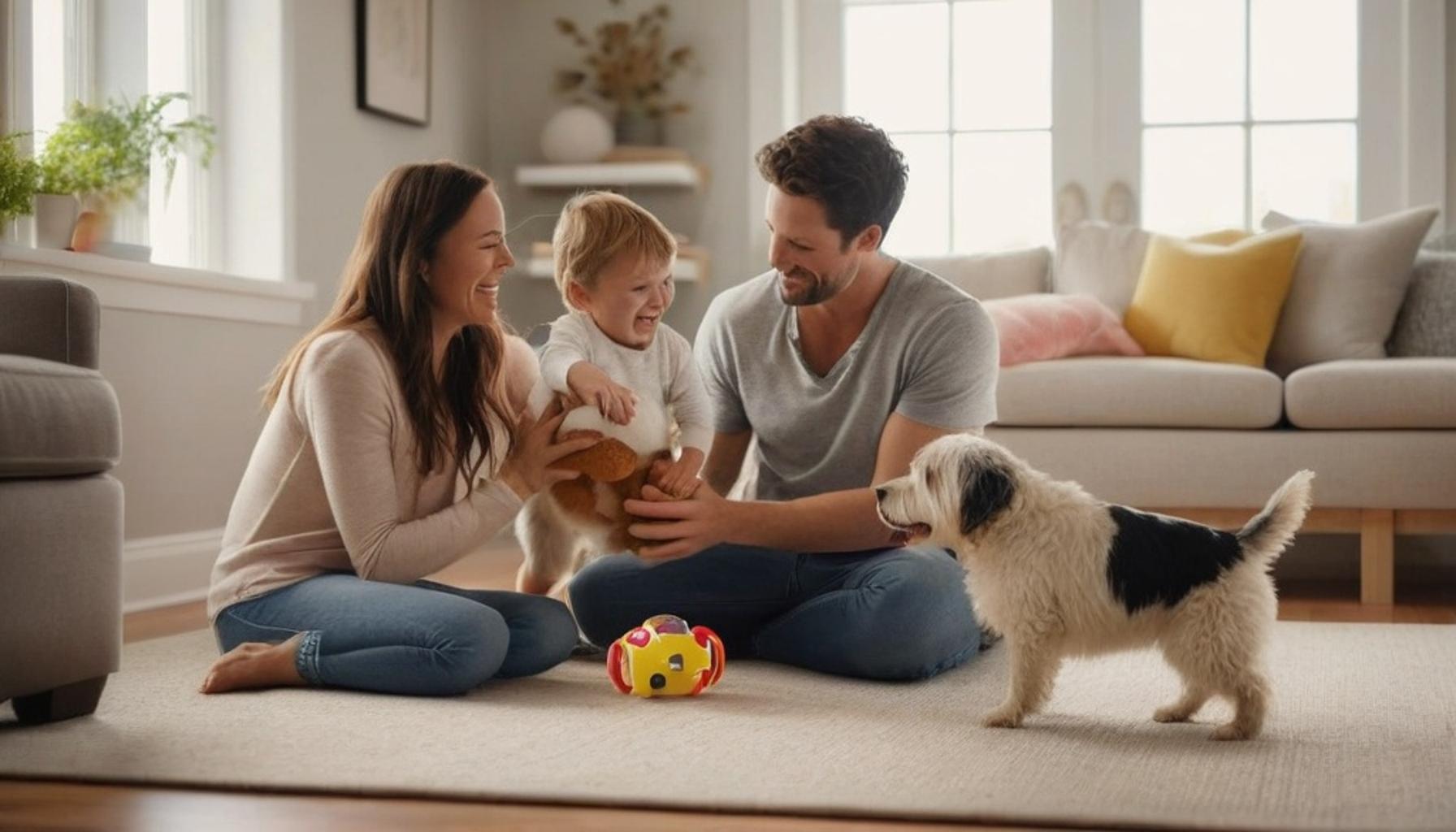
Understanding Pet Hygiene in Indoor Environments
Nigerian homes are increasingly welcoming dogs, cats, and other companion animals into shared indoor spaces, from Lagos apartments to Abuja bungalows. With this shift comes a pressing question: how do daily behaviors shape pet hygiene in indoor environments? The answer lies in understanding the connection between training and cleanliness, a relationship many households overlook until problems arise.
Many pet owners focus solely on baths and grooming, overlooking a critical factor. Behavioral guidelines for pets often determine whether a home stays fresh or becomes a breeding ground for odors and bacteria. In cities like Port Harcourt and Ibadan, where humidity accelerates the growth of bacteria and mold, this connection becomes even more significant. A pet that is well-behaved indoors contributes directly to a healthier living environment for the entire family.
Why Behavior Matters for a Clean Home
Consider these everyday scenarios that link pet actions directly to household cleanliness:
- A dog trained to use designated potty spots reduces indoor accidents by up to 80 percent, according to veterinary behaviorists who study urban pet households.
- Cats taught to use litter boxes consistently prevent unwanted surface contamination, particularly on furniture, rugs, and kitchen counters.
- Pets discouraged from jumping on furniture limit the spread of fur, dander, and dirt, which is especially important in smaller Nigerian apartments with limited ventilation.
These examples reveal a simple truth: pet hygiene practices cannot be separated from behavioral training. One reinforces the other. A dog that respects boundaries around the dining area, for instance, is far less likely to introduce dirt from the compound into food preparation zones. Similarly, cats that are litter-trained early tend to maintain that habit for life, reducing long-term cleaning burdens.
What This Article Covers
This piece explores practical, indoor pet care tips tailored for Nigerian households dealing with humidity, dust, and space constraints. Readers will discover:
- Simple training techniques for maintaining pet hygiene indoors, including consistency methods that work within busy Nigerian schedules.
- Common mistakes that worsen pet behavior and cleaning challenges, such as inconsistent feeding times or neglecting early litter training.
- Data-backed insights on odor control and disease prevention, particularly relevant given Nigeria’s tropical climate.
By the end, pet owners will understand why disciplined routines are not just about obedience, they are essential for a genuinely hygienic living space. This exploration will challenge assumptions and offer fresh perspectives worth investigating further.
RECOMMENDED: Establishing Feeding and Hygiene Routines for Dogs and Cats in Indoor Environments
Establishing Behavioral Guidelines for a Cleaner Home
Before any household can achieve lasting pet hygiene in indoor environments, there must be a foundation of clear expectations. Pets, much like children, thrive on structure. Without it, even the most well-intentioned owner ends up battling stains, odors, and stress that could have been avoided entirely.
Veterinary behaviorists across West Africa have noted a recurring pattern: households that introduce behavioral guidelines for pets within the first few weeks of ownership report significantly fewer hygiene complaints later on. This is not coincidental. Early boundaries shape long-term habits, and habits determine how clean or chaotic a home becomes. A puppy brought into a Lagos apartment without any structure, for instance, often grows into an adult dog that treats every corner of the living room as fair game for accidents.
Core Guidelines Every Nigerian Household Should Consider
Setting rules does not require a professional trainer or expensive equipment. It requires consistency, patience, and an understanding of what pets naturally respond to. Many Nigerian pet owners assume discipline only matters for large dogs, yet cats and even smaller companion animals respond just as strongly to structured routines. Consider the following foundational practices:
- Establish a fixed feeding schedule, since irregular feeding often leads to unpredictable bathroom habits and indoor accidents.
- Designate specific zones for sleeping, eating, and elimination, reinforcing structure that pets can memorize within one to two weeks.
- Introduce command-based boundaries, such as restricting access to bedrooms or kitchens, especially in homes with young children or elderly residents sensitive to allergens.
- Reward calm, clean behavior immediately, as delayed reinforcement rarely produces lasting results in dogs or cats.
These guidelines directly support maintaining pet hygiene indoors because they eliminate guesswork. A pet that understands where to eat, sleep, and relieve itself is a pet that inadvertently protects the home from unnecessary mess. Owners in Abuja who have adopted this structured approach often report that within a month, their pets no longer wander into forbidden zones, reducing both cleaning time and unnecessary tension within the household.
The Climate Factor Nigerian Owners Cannot Ignore
Nigeria’s tropical climate complicates hygiene matters further. High humidity in coastal cities like Warri and Calabar accelerates bacterial growth on damp fur, soiled bedding, and neglected litter boxes. This makes the connection between pet behavior and cleaning even more urgent than in temperate regions. Even in drier northern states such as Kano, sudden seasonal humidity spikes during the rainy months can catch owners off guard if hygiene routines are not already ingrained.
A pet allowed to lounge in humid corners without supervision may develop skin infections, which then transfer bacteria onto furniture and floors. Behavioral training that discourages such habits, like resting in damp, poorly ventilated areas, becomes a preventive health measure rather than a mere obedience exercise. Owners who invest in raised bedding, regular grooming schedules, and consistent airflow within pet zones often notice a marked reduction in unpleasant odors and skin-related complaints.
Ultimately, these pet hygiene practices reveal a pattern worth remembering. Discipline is not about control for its own sake. It is a practical tool that shapes cleaner, healthier homes across Nigeria’s diverse climates and living spaces, from the busy streets of Lagos to the quieter compounds found further inland.
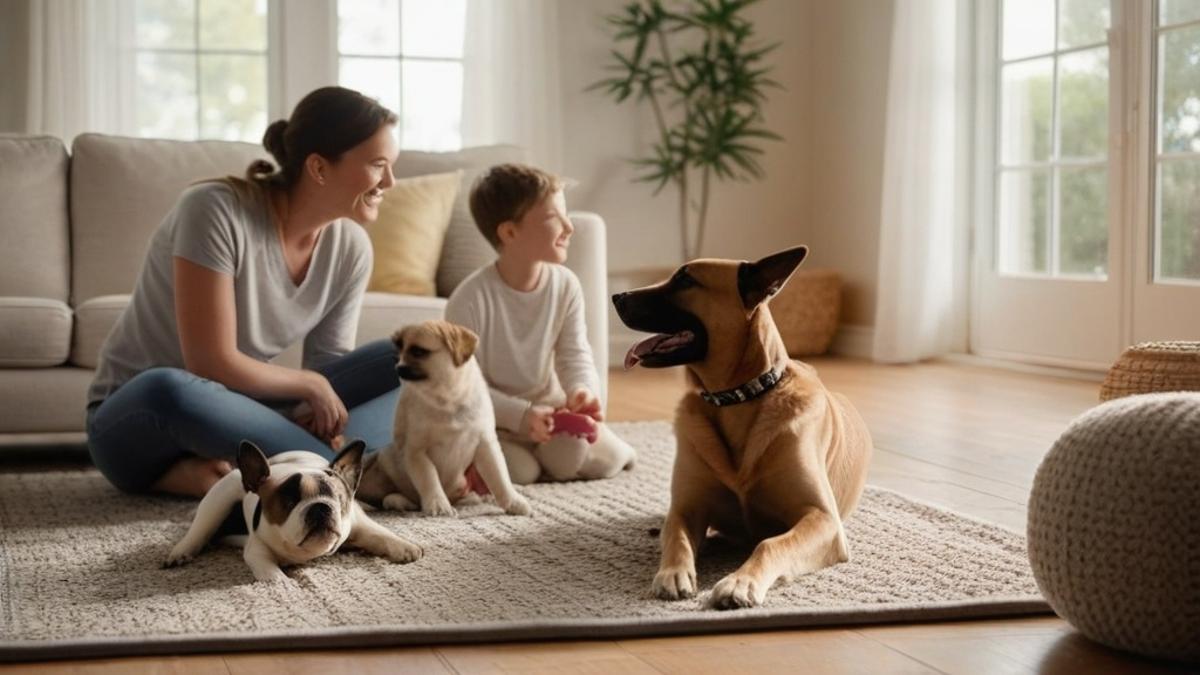
Behavioral Guidelines and Their Relation to Pet Hygiene in Indoor Environments
Understanding the link between behavioral guidelines for pets and cleanliness is essential for anyone managing pet hygiene in indoor environments. Consistent training routines do more than shape manners; they directly reduce mess, odor, and allergen buildup. Below is a breakdown of key behavioral guidelines and how each one supports maintaining pet hygiene indoors.
| Behavioral Guideline | Hygiene Benefit Indoors |
|---|---|
| Litter Box or Elimination Training | Reduces accidents and controls bacterial spread on floors and carpets |
| Scheduled Grooming Habits | Limits shedding, dander, and odor buildup in shared living spaces |
| Chew and Play Boundaries | Prevents contamination from chewed household items and surfaces |
| Paw-Cleaning Routines | Minimizes dirt transfer, a core part of effective indoor pet care tips |
Each of these pet hygiene practices reflects a broader principle: pet behavior and cleaning are deeply interconnected. A dog that reliably signals its need to go outside, for example, can cut indoor accidents by a significant margin compared to untrained pets. Similarly, cats tr
LEARN MORE: This related article may interest you
Reinforcement Techniques and Their Long-Term Impact on Cleanliness
Once foundational rules are in place, the next question becomes one of endurance. Structure introduced in the first month of ownership means little if it collapses under the pressure of daily distractions. This is where reinforcement strategies separate households that maintain lasting order from those that slide back into chaos within weeks.
Animal behavior specialists in Port Harcourt have observed that indoor pet care tips only work when paired with repetition spread across several weeks, not days. A dog trained to avoid the dining area for three consecutive days but left unsupervised on the fourth often reverts to old habits almost immediately. Consistency, not intensity, produces the results Nigerian pet owners are searching for.
Practical Reinforcement Methods Worth Adopting
Owners across Ibadan and Enugu have experimented with various reinforcement systems, and certain approaches consistently outperform others. These methods rely less on punishment and more on redirection, a principle increasingly supported by regional veterinary training programs.
- Use verbal cues paired with physical gestures, since animals often respond faster to combined signals than to voice commands alone.
- Introduce washable mats or designated rugs in high-traffic zones, making cleanup faster when accidents occur despite training efforts.
- Rotate cleaning products periodically, as pets can become desensitized to strong scents used repeatedly in the same spots.
- Track behavioral progress weekly, noting patterns that reveal whether a pet associates specific triggers with indoor accidents.
These steps reflect broader pet hygiene practices that extend beyond simple obedience. They acknowledge that animals, regardless of breed or size, respond to environmental cues shaped by their owners’ consistency.
What Nigerian Households Often Overlook
One overlooked factor involves shared living spaces common in many Nigerian compounds, where extended family members interact with pets differently. A grandmother in Ilorin might reward a dog with food scraps at the table, unintentionally undoing weeks of structured feeding routines established by the primary caregiver. This inconsistency directly undermines maintaining pet hygiene indoors, since mixed signals confuse animals and encourage unpredictable begging or scavenging behavior.
Addressing this requires household-wide agreement, not just individual effort. Families that hold brief conversations about shared rules, especially in multigenerational homes, report smoother transitions and fewer hygiene setbacks.
Another frequently ignored detail concerns outdoor-to-indoor transitions. Pets returning from compound yards during Nigeria’s rainy season often carry mud, parasites, and moisture directly onto indoor surfaces. Simple habits, such as wiping paws at entry points or maintaining a designated drying towel near doors, significantly reduce the spread of dirt. This single adjustment, though minor, demonstrates how pet behavior and cleaning intersect at moments owners rarely consider until problems accumulate.
Data from urban veterinary clinics suggests that homes practicing consistent entry routines report up to thirty percent fewer skin irritation cases linked to trapped moisture and bacteria. Numbers like these highlight why behavioral consistency remains central to any serious approach toward pet hygiene in indoor environments across Nigerian households.
Bringing Structure and Cleanliness Together for Good
Across Lagos apartments, Kano compounds, and Aba family houses, one truth keeps surfacing: pet hygiene in indoor environments is never purely about mops and disinfectants. It is about the daily choices that shape how an animal behaves before mess ever becomes a possibility.
This article has traced that connection from its earliest stages. Foundational rules establish expectations. Reinforcement techniques sustain them. Household cooperation determines whether those techniques survive contact with real life, especially in homes where multiple generations share responsibility for the same pet.
Why the Two Cannot Be Separated
Treating behavior and cleanliness as separate concerns has led many Nigerian pet owners toward frustration, reaching for stronger cleaning agents while ignoring the triggers behind repeated accidents. The more sustainable approach treats behavioral guidelines for pets as preventive hygiene tools, not afterthoughts introduced once problems appear.
Veterinary observations referenced throughout this piece, from paw-wiping routines to reduced skin irritation rates, point toward a measurable pattern. Households that apply indoor pet care tips consistently experience fewer sanitation issues, less tension among family members, and calmer, more predictable pets.
A Broader Takeaway for Nigerian Households
Perhaps the most valuable lesson here concerns patience. Behavioral change rarely follows a straight line, and setbacks, particularly in shared compounds, should be expected rather than feared. What matters is returning to consistent pet hygiene practices after each disruption, rather than abandoning structure altogether.
Ultimately, maintaining pet hygiene indoors reflects something larger than cleanliness alone. It reflects how well a household communicates, adapts, and commits to shared standards. Owners who recognize this link between pet behavior and cleaning position themselves not just for tidier homes, but for healthier, more harmonious relationships with the animals sharing their daily lives.
Frequently Asked Questions
How can I train my dog to stop shedding fur on furniture in my Lagos apartment?
Regular brushing at least three times a week reduces loose fur significantly before it settles on furniture. Establish a designated resting spot with a washable mat and reward your dog for using it consistently. Bathing every 4-6 weeks with a mild shampoo suited to Nigeria’s humid climate also helps control shedding-related mess indoors.
What behavioral signs indicate my cat needs litter box changes to maintain indoor hygiene?
If your cat starts avoiding the litter box, scratching outside it, or eliminating on rugs or tiles, this often signals the box is dirty or poorly placed. Cats are naturally clean animals, so scoop daily and fully change litter weekly, especially given Nigeria’s warm temperatures that intensify odors. Relocating the box away from noisy areas like generators can also correct this behavior.
How do I discourage my pet from licking floors and surfaces in a Nigerian home with frequent dust?
Excessive licking of floors is often linked to boredom, mineral deficiency, or exposure to appealing food residues, so keep floors mopped and free of crumbs, especially during dusty harmattan months. Provide chew toys and interactive feeding puzzles to redirect this behavior positively. If licking persists, consult a veterinarian to rule out nutritional gaps common in locally available pet diets.
Can poor pet hygiene habits contribute to health issues in Nigerian households with limited ventilation?
Yes, in homes with limited ventilation, uncleaned pet waste, fur, and dander can worsen indoor air quality and trigger respiratory issues or allergies among family members. Establishing routines like immediate waste cleanup and weekly deep cleaning of pet bedding minimizes bacterial buildup. Using natural deodorizers and opening windows during cooler morning hours also helps offset ventilation challenges.
What behavioral training methods help reduce indoor accidents from puppies in Nigerian apartments without a yard?
Since many Nigerian apartments lack outdoor yards, consistent schedule training with designated potty pads or a small indoor grass patch works effectively for puppies. Reward-based reinforcement immediately after successful elimination in the right spot speeds up learning within two to three weeks. Avoid punishment for accidents, as this can create anxiety that worsens hygiene-related behavioral problems over time.

Linda Carter
Linda Carter is a writer and pet care expert specializing in pet health, grooming, and wellness. With extensive experience helping pet owners create safe, loving, and enriching environments for their animals, Linda shares her knowledge on our platform. Her goal is to empower readers with practical advice and strategies to ensure their pets thrive and lead joyful, healthy lives.