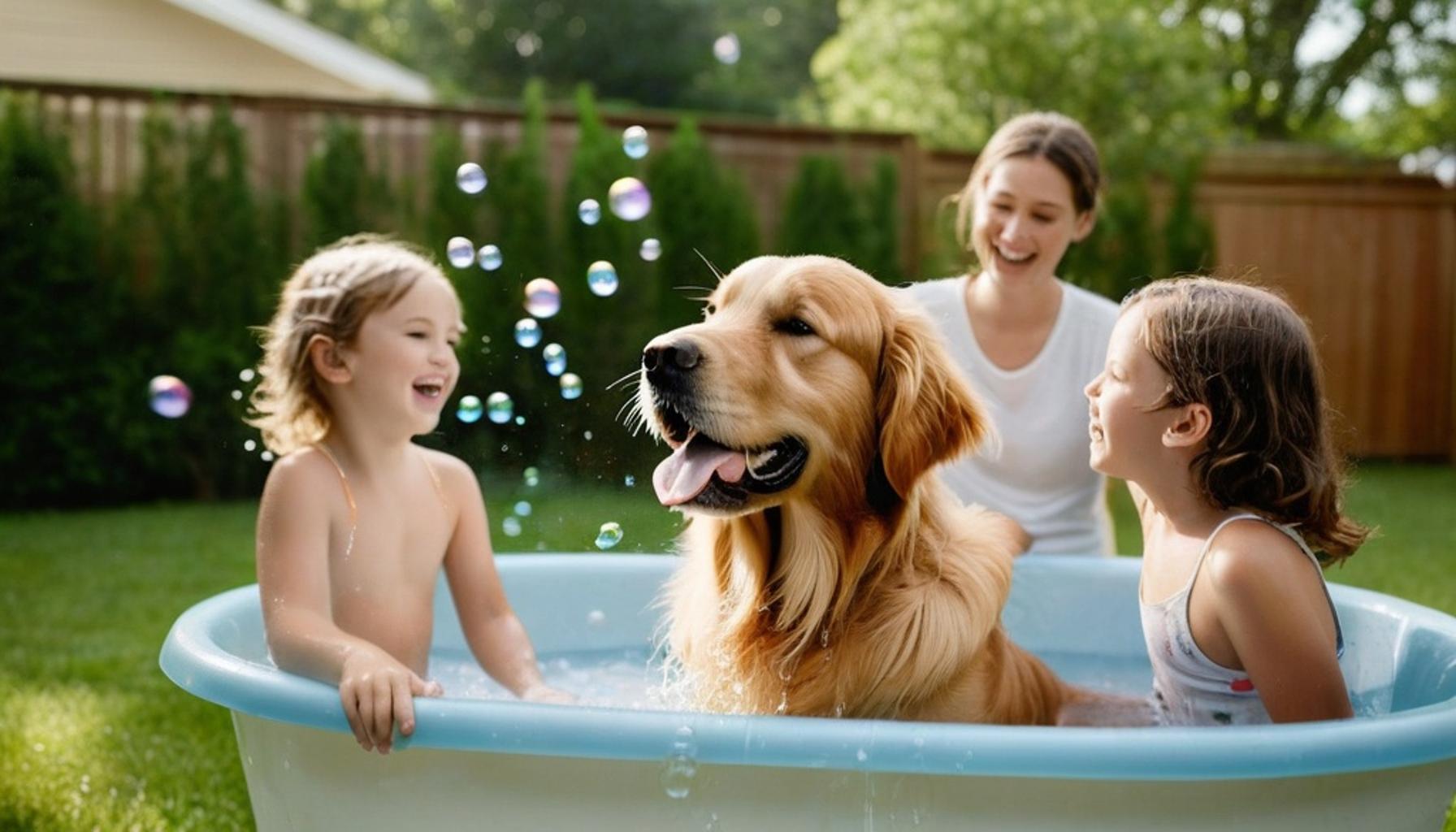
Keeping Pet Hygiene: The Relationship Between Feeding Routines and Emotional Health

Why Pet Hygiene and Emotional Health Go Hand in Hand
Across Lagos, Abuja, and Port Harcourt, more households are welcoming dogs, cats, and even rabbits into their homes than ever before. Yet many pet owners focus only on grooming and vaccinations, forgetting a crucial link: pet hygiene and emotional health are deeply connected to something as simple as feeding routines.
A messy feeding bowl or an inconsistent meal schedule does more than cause stomach upset. It can trigger stress, anxiety, and behavioral issues in animals that mirror what happens in humans when daily routines collapse.
The Hidden Connection Between Meals and Mood
Veterinary experts increasingly point to the importance of pet hygiene as a foundation for both physical and psychological wellbeing. Animals thrive on predictability, and a proper feeding schedule for pets plays a bigger role than most Nigerian pet owners realize.
- Irregular feeding times can increase cortisol (stress hormone) levels in pets
- Dirty feeding bowls harbor bacteria linked to digestive discomfort and irritability
- Consistent routines reduce destructive behavior like excessive barking or chewing
- Clean, well-timed meals support better sleep and calmer temperament
This article explores practical feeding routines for pets that support both cleanliness and emotional stability. We will also share essential pet care tips Nigeria owners can apply immediately, backed by veterinary insight and everyday realities of pet ownership in West Africa.
Understanding this relationship isn’t just about avoiding vet bills. It’s about nurturing pets emotional wellbeing through simple, consistent habits that any household can adopt.
What Nigerian Households Often Get Wrong
In many compounds across Ibadan or Enugu, pets are fed leftovers whenever convenient, sometimes early morning, sometimes late at night, with no fixed pattern. While this may seem harmless, veterinarians warn that this unpredictability confuses an animal’s internal clock. Dogs and cats, much like humans, rely on circadian rhythms that regulate hunger, digestion, and even mood stability. When these rhythms are disrupted, pets can display signs of restlessness, excessive whining, or sudden aggression that owners often misinterpret as disobedience rather than distress.
Another common oversight involves feeding bowls. In humid climates like those found across southern Nigeria, leftover food residue combined with moisture creates a breeding ground for bacteria within hours. A bowl that looks clean to the human eye may already be harboring harmful microorganisms that cause subtle but persistent gastrointestinal irritation in pets.
Practical Steps Toward Better Pet Wellbeing
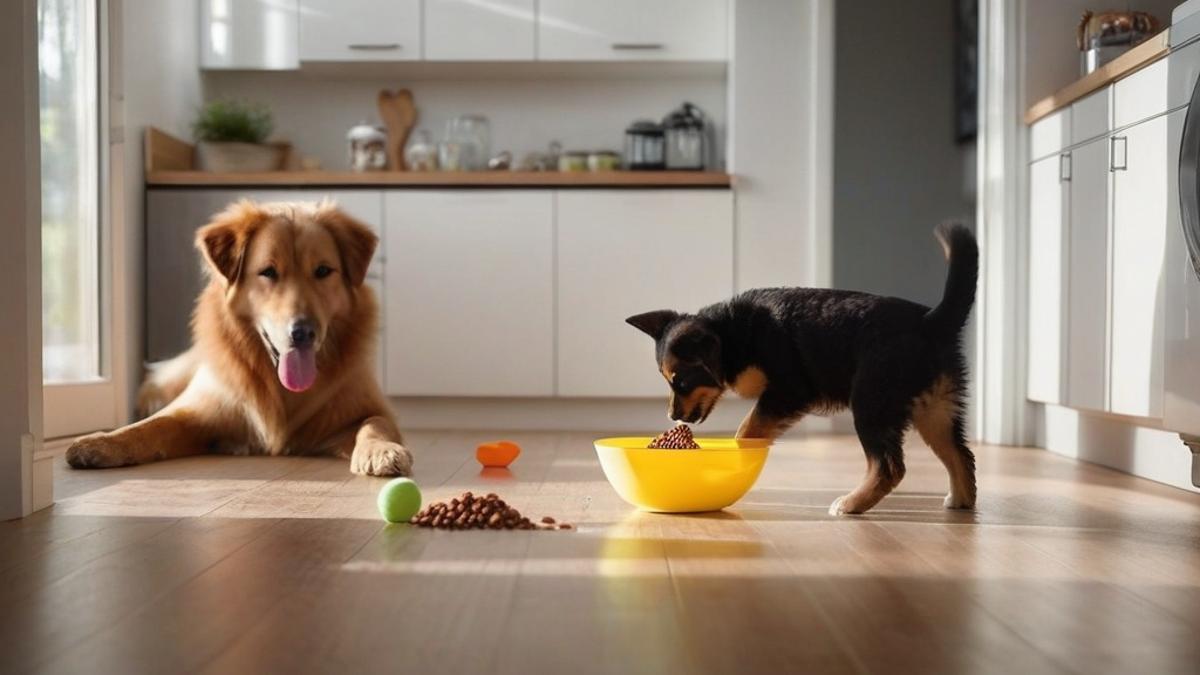
Establishing a fixed feeding schedule, ideally at the same two or three times daily, helps pets anticipate meals without anxiety. Washing bowls with hot water and mild, pet-safe soap after every meal prevents bacterial buildup. Additionally, creating a quiet, designated feeding spot away from household noise and foot traffic allows pets to eat without stress, further supporting digestive health and emotional calmness.
These small adjustments, though often overlooked, represent some of the most cost-effective ways Nigerian pet owners can improve both the physical and emotional health of their animal companions.
SEE ALSO: Exercise Planning and Health Monitoring to Maintain Pet Hygiene
# The Science Behind Bowls, Bacteria, and Behavior
Beyond anecdotal observation, veterinary research increasingly validates what many Nigerian pet owners suspect but rarely articulate: hygiene lapses in feeding routines directly influence animal psychology. This connection between pet hygiene and emotional health deserves closer scrutiny, especially as urban pet ownership grows across Nigerian cities like Lagos, Abuja, and Port Harcourt.
Studies on domestic animals reveal that stress markers rise measurably when feeding environments become unpredictable or unsanitary. A dog fed in a cluttered, noisy corner of a Lagos compound one day and a quiet backyard the next experiences a form of environmental instability that accumulates over time. Researchers argue that this instability, though seemingly minor to humans, registers as a significant threat cue within an animal’s nervous system.
How Dirty Feeding Habits Manifest as Behavioral Problems
Many pet owners bring behavioral complaints to veterinarians without realizing hygiene might be the root cause. Common signs include:
- Sudden aggression during mealtimes, often mistaken for territorial behavior
- Reluctance to eat, sometimes misdiagnosed as loss of appetite from illness
- Excessive licking or chewing of bowls, indicating anxiety rather than hunger
- Vomiting or diarrhea linked to bacterial contamination rather than dietary intolerance
- Increased vocalization around feeding times, signaling distress rather than excitement
These symptoms often prompt unnecessary medication or dietary changes when the actual solution lies in improving feeding routines for pets and basic bowl hygiene. Veterinary clinics across Nigeria frequently report that owners spend considerable sums on diagnostic tests and specialty diets, only to discover that a simple change in cleaning frequency resolves the issue entirely.
Regional Realities: Heat, Humidity, and Bacterial Growth
Nigeria’s tropical climate accelerates bacterial multiplication in ways that owners in temperate countries rarely consider. Research on food safety indicates that bacteria can double in number within twenty minutes under warm, humid conditions similar to those found in Port Harcourt or Calabar during rainy season.
This means a feeding bowl left unwashed after breakfast could harbor significantly elevated bacterial loads by evening feeding time. For pets, ingesting this contaminated residue repeatedly creates chronic low-grade gastrointestinal irritation, a condition that manifests emotionally as irritability, withdrawal, or restlessness. Plastic bowls, popular for their affordability, are particularly notorious for retaining bacteria within microscopic scratches that develop from regular use.
Veterinarians practicing in Abuja report that many cases of unexplained pet lethargy trace back to inconsistent bowl cleaning rather than underlying disease. This underscores the importance of pet hygiene as a preventive measure rather than merely a cosmetic concern. Switching to stainless steel or ceramic bowls, alongside daily washing with hot water and mild soap, has shown measurable improvements in pet demeanor within just a few weeks.
Why Predictability Matters More Than Owners Realize
Animals lack the cognitive tools humans use to rationalize delayed meals or sudden schedule changes. Where a person might reason “dinner is late because of traffic,” a pet simply experiences uncertainty, which triggers stress responses rooted in survival instinct.
A consistent feeding schedule for pets essentially communicates safety. It tells the animal that resources are reliable, reducing the hypervigilance that often underlies anxious or aggressive behavior. Dogs and cats fed at erratic hours, or in constantly changing locations within a household, often display heightened food-guarding tendencies compared to those with predictable routines.
Establishing this predictability doesn’t require elaborate systems, just deliberate consistency that many households can achieve with minor adjustments to daily habits. Something as simple as designating a fixed feeding spot away from foot traffic, paired with two set mealtimes daily, can noticeably calm a previously anxious animal within a short span, offering both peace of mind for owners and improved wellbeing for their pets.
RECOMMENDED: Behavioral Guidelines and Their Relation to Pet Hygiene in Indoor Environments
# Building Resilience Through Structured Care
Nigerian households navigating the realities of multi-pet ownership, extended family compounds, and unpredictable schedules often underestimate how much structure influences an animal’s inner state. Pet hygiene and emotional health are not separate concerns handled by different specialists; they intersect at nearly every point in a pet’s daily experience, particularly during meals.
The Overlooked Role of Water Bowls in Emotional Stability
Conversations about feeding hygiene frequently center on food bowls while neglecting water containers, yet stagnant water breeds bacteria and algae just as readily, especially in Nigeria’s warmer states like Sokoto or Kano during dry season heat.
A pet drinking from a slimy or foul-smelling bowl often develops avoidance behavior, drinking less than required for proper hydration. Dehydration, even mild, affects mood regulation in animals similarly to humans, contributing to sluggishness, irritability, or unusual clinginess.
Veterinary practitioners recommend refreshing water at least twice daily and scrubbing containers every evening, a habit that costs nothing beyond a few minutes but yields noticeable improvements in a pet’s alertness and temperament.
Multi-Pet Households and Competitive Anxiety
Many Nigerian families keep more than one dog or cat, often sharing feeding stations out of convenience rather than deliberate planning. This arrangement, while practical, frequently triggers competitive stress that undermines pets emotional wellbeing over time.
Signs of this hidden anxiety include:
- Rapid, anxious eating where animals barely chew before swallowing
- One pet consistently guarding the feeding area from others
- Weight discrepancies between pets sharing the same feeding space
- Increased tension or scuffles immediately after meals rather than during them
Separating feeding stations, even by just a few meters, alongside using individually assigned bowls, has proven effective in reducing this friction. Some Lagos-based pet owners have reported calmer household dynamics simply by feeding pets in separate rooms or staggered intervals.
Why Compound Living Adds Another Layer of Complexity
Beyond the immediate household, many Nigerian families live within extended compounds where relatives, tenants, or neighbors also keep animals nearby. This shared environment introduces unpredictable feeding schedules and unfamiliar scent trails that can heighten stress in pets already sensitive to competition.
A dog accustomed to routine may grow unsettled when a neighbor’s animal wanders close during feeding hours, or when children from other households offer scraps that disrupt controlled portions. These seemingly minor intrusions accumulate, gradually eroding the sense of predictability that pets rely on for emotional steadiness.
Establishing boundaries, whether through simple fencing, designated feeding times, or clear communication with neighboring households, helps preserve the structure animals need. It also reduces the likelihood of accidental overfeeding or ingestion of unsuitable food from well-meaning but uninformed visitors.
Practical Pet Care Tips Nigeria Households Can Adopt Immediately
Improving feeding hygiene doesn’t demand expensive equipment or imported products. Several accessible practices align with the importance of pet hygiene while suiting typical Nigerian household budgets and routines.
- Wash bowls with hot water and soap after every single meal, not just once daily
- Store dry food in sealed containers to prevent weevil infestation common in humid storage areas
- Avoid leaving wet food out for more than thirty minutes, particularly during hot afternoons
- Rotate feeding locations only when necessary, keeping changes minimal and gradual
- Observe pets during meals occasionally to catch early signs of discomfort or stress
These adjustments, though small individually, compound into meaningful shifts in an animal’s daily experience. A dog or cat that associates mealtime with cleanliness and predictability tends to display fewer anxious behaviors across other areas of household life, from sleeping patterns to interactions with visitors.
Nigerian veterinary clinics increasingly encourage owners to view feeding hygiene as preventive healthcare rather than an afterthought, noting that the financial and emotional cost of treating chronic stress-related conditions far exceeds the minimal effort required for consistent bowl maintenance and scheduling.
Building Long-Term Trust Through Consistency
Perhaps the most underappreciated benefit of structured feeding routines lies in the trust they build between pet and owner. Animals thrive on predictability, and when meals arrive at consistent times in clean, familiar surroundings, they begin to associate their environment with safety rather than uncertainty.
This trust extends beyond feeding moments alone. Pets raised within stable, hygienic routines often display greater confidence during veterinary visits, travel, or introductions to unfamiliar people, since their baseline emotional state remains grounded despite external changes.
For Nigerian households balancing busy schedules, communal living arrangements, and limited resources, investing in small structural habits around feeding offers a surprisingly powerful return, calmer pets, fewer behavioral disruptions, and a household dynamic that feels noticeably more settled.
YOU MAY ALSO LIKE: The Importance of Hygiene in the Health and Behavior of Pets
Final Thoughts: A Small Habit With Far-Reaching Impact
The connection between pet hygiene and emotional health runs deeper than most Nigerian households initially assume. What begins as a simple question of clean bowls and fixed mealtimes ultimately shapes how animals experience safety, trust, and belonging within their environment.
Throughout this discussion, one theme remains constant: consistency matters more than complexity. A reliable feeding schedule for pets does not require expensive imported products or elaborate routines, just deliberate attention to cleanliness, timing, and observation.
From water bowl neglect in warmer states to competitive stress among multiple pets, and the added unpredictability of compound living, each factor reinforces a single truth. Feeding routines for pets are never purely about nutrition; they are emotional anchors that animals depend on daily.
Recognizing the importance of pet hygiene as preventive care, rather than a reactive measure, allows owners to catch subtle behavioral shifts before they escalate into deeper anxiety or health complications. This shift in perspective costs little but protects a great deal.
For families seeking practical pet care tips Nigeria households can realistically sustain, the answer lies not in grand gestures but in small, repeated actions: scrubbing bowls nightly, separating feeding stations, setting boundaries with neighboring compounds, and staying attentive during meals.
Ultimately, pets emotional wellbeing reflects the environment created around them. Animals raised amid cleanliness and predictability tend to carry that stability into every other aspect of their lives, from social interactions to their response during unfamiliar situations.
As more Nigerian veterinary professionals highlight this link, pet owners are encouraged to look beyond visible symptoms and consider what daily routines communicate to their animals. Sometimes, the most meaningful care happens quietly, one clean bowl and one consistent mealtime at a time.
Frequently Asked Questions
How does a consistent feeding schedule improve pet hygiene and emotional health in Nigerian homes?
A regular feeding routine helps regulate your pet’s digestion, which reduces messy accidents and bad odors around the house, especially in humid Nigerian climates. It also gives pets a sense of security and predictability, lowering stress and anxiety that can lead to excessive shedding, licking, or aggressive behavior. Over time, this consistency strengthens the emotional bond between pets and owners.
– (this is answer text only, no markdown)
Can poor feeding habits cause skin and coat problems in dogs and cats kept in Nigeria?
Yes, irregular feeding or low-quality local diets lacking essential nutrients like omega-3 fatty acids can lead to dry skin, dull coats, and increased shedding. These physical issues often make grooming and hygiene maintenance harder, which can further stress the pet. Feeding a balanced diet on a fixed schedule helps maintain healthier skin, reducing the risk of infections common in Nigeria’s warm weather.
What is the link between stress from irregular feeding times and litter box or toilet training issues in pets?
When feeding times are inconsistent, pets can experience anxiety that disrupts their normal digestive patterns, making them urinate or defecate at unpredictable times. This often results in more accidents outside the litter box or designated potty area, creating hygiene challenges for owners. Establishing a fixed feeding routine helps stabilize their digestive system and reduces stress-related toileting problems.
How can Nigerian pet owners balance affordable feeding options with maintaining good pet hygiene and emotional health?
Owners can choose cost-effective local proteins like fish or chicken combined with rice, while ensuring meals are given at the same times daily to build routine and trust. Avoiding spoiled or expired food, which is common with poor storage in hot climates, is also crucial to prevent digestive upset and related hygiene issues. Consistency in both diet quality and feeding schedule supports a calmer, healthier pet even on a modest budget.

Linda Carter
Linda Carter is a writer and pet care expert specializing in pet health, grooming, and wellness. With extensive experience helping pet owners create safe, loving, and enriching environments for their animals, Linda shares her knowledge on our platform. Her goal is to empower readers with practical advice and strategies to ensure their pets thrive and lead joyful, healthy lives.