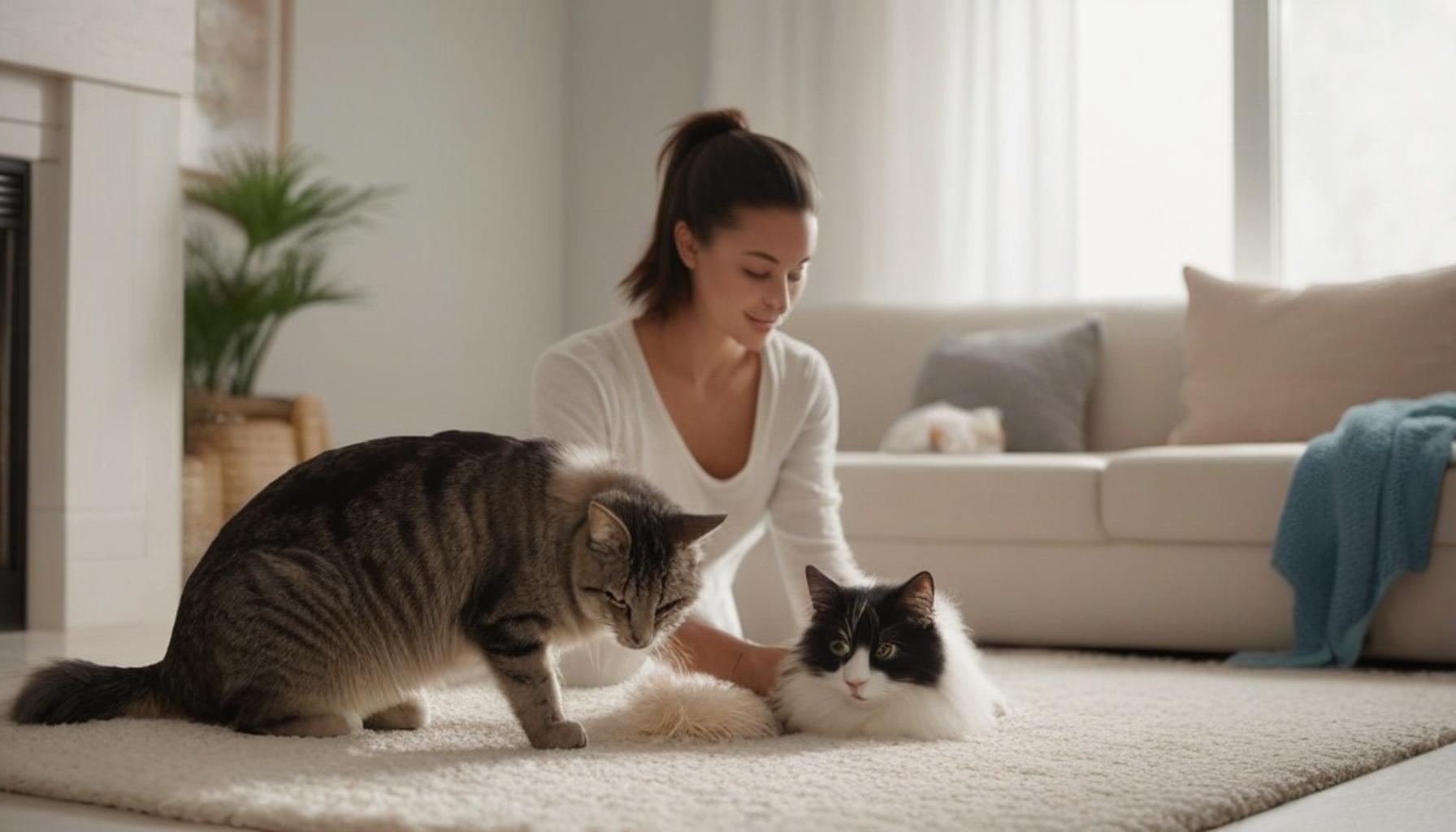
Exercise Planning: Maintaining the Health and Hygiene of Dogs and Cats
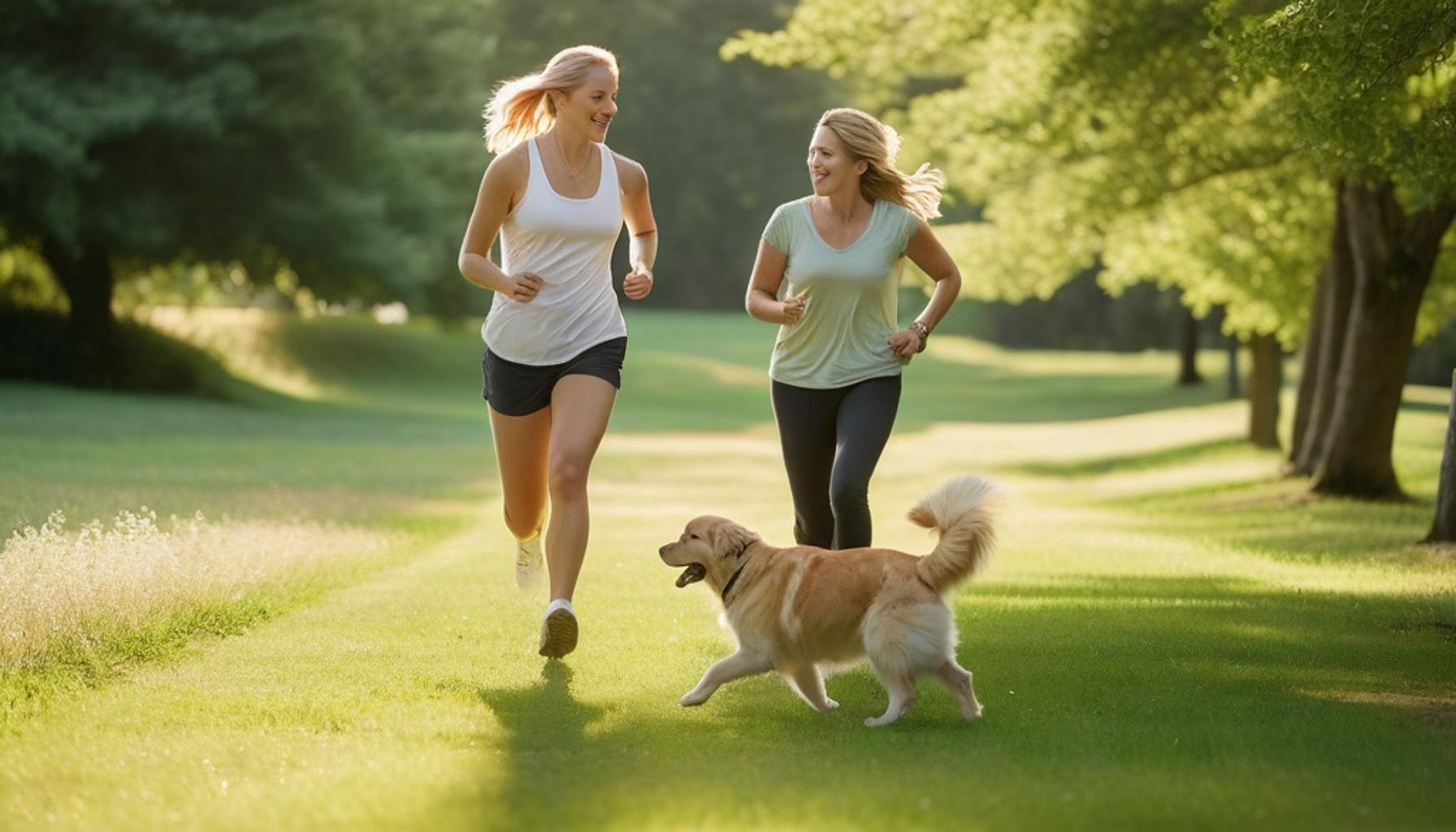
Why Every Nigerian Pet Owner Needs a Solid Exercise Routine
From the busy streets of Lagos to the quieter compounds in Enugu, more Nigerian households are welcoming dogs and cats into their families. Yet Exercise Planning for Dogs and Cats remains an overlooked part of pet ownership. Many assume feeding and occasional grooming are enough, but that’s only half the story.
Veterinarians across Nigeria are increasingly warning about a rise in obesity, joint problems, and stress-related behavior in pets. These issues often trace back to one root cause: lack of structured physical activity.
What This Article Will Cover
This guide breaks down practical, easy-to-follow strategies for keeping your furry companions active and clean. You’ll discover why physical activity for pets is just as important as their diet.
- Dog exercise tips tailored to different breeds and climates common in Nigeria
- Cat exercise ideas for indoor and outdoor felines
- Simple hygiene routines that complement daily movement
- Warning signs that your pet isn’t getting enough activity
Did you know that a moderately active dog needs at least 30 to 60 minutes of exercise daily, while cats benefit from short, frequent bursts of play? Ignoring these needs can lead to costly vet visits and shortened lifespans.
Whether you’re raising a Caravan Hound in Kano or a local mixed-breed cat in Port Harcourt, understanding pet health and hygiene basics will transform how you care for your animal. Let’s explore how proper dog and cat care can be built into your everyday routine.
The Nigerian Climate Factor
Nigeria’s weather patterns present a unique challenge that many pet owners fail to consider. The scorching afternoon heat in cities like Kaduna or Sokoto can make midday walks dangerous for dogs, particularly thick-coated breeds. Meanwhile, the humidity in coastal areas like Calabar or Warri affects how quickly pets tire during play sessions. Timing exercise around cooler hours, typically early morning before 9am or evening after 5pm, protects pets from heat exhaustion while still meeting their activity requirements.
Rainy season brings its own complications. Compound spaces become muddy, streets flood in urban centers, and many owners simply skip exercise altogether for weeks. This seasonal neglect compounds the problem, leading to sudden weight gain and behavioral issues when pets are cooped up indoors for extended periods.
Breed-Specific Considerations Matter
Not every dog thrives on the same exercise routine. A Nigerian Local Dog bred for hunting and guarding compounds naturally craves more vigorous activity than a smaller companion breed. Similarly, cats that have grown accustomed to roaming free in rural settings may struggle when confined to apartment living in cities like Abuja without adequate compensatory play.
Understanding your specific pet’s breed history, energy levels, and physical limitations forms the foundation of any effective exercise plan. This article will guide you through practical adjustments that fit realistically into Nigerian lifestyles, budgets, and available spaces, ensuring your pet gets what it genuinely needs rather than a generic, one-size-fits-all approach borrowed from foreign pet care guides.
RECOMMENDED: Exercise Planning and Its Influence on Pet Hygiene and Behavior
# Building a Practical Exercise Framework for Your PetCreating an effective exercise plan for dogs and cats isn’t about following rigid rules from a textbook. It’s about observing your pet, understanding their natural instincts, and matching activity levels to their actual needs. This is where many Nigerian pet owners stumble, either overexerting an aging animal or underestimating a young, high-energy breed.
Assessing Your Pet’s Baseline Activity Needs
Before jumping into any routine, spend a few days simply observing your pet. Does your dog pace restlessly by the gate every evening? Does your cat knock items off shelves at odd hours? These are signals of pent-up energy demanding release.
Physical activity for pets should align with age, breed, and current health status. A six-month-old puppy has vastly different requirements than a seven-year-old dog with early signs of arthritis. Veterinary clinics in Lagos and Ibadan report that owners often apply identical exercise expectations across all life stages, leading to unnecessary strain or, conversely, dangerous inactivity.
Consider these factors when building your baseline assessment:
- Current weight and body condition score
- Age and any existing joint or heart conditions
- Breed-specific energy levels and historical purpose
- Available space within your compound or neighborhood
- Time realistically available in your daily schedule
It also helps to note the climate patterns typical of your region. Pets in Kano or Sokoto face scorching afternoon temperatures that make midday exercise risky, while owners in Jos or Enugu might enjoy slightly cooler windows throughout the day. Adjusting exercise timing to early morning or early evening hours, when the sun is less punishing, protects pets from heat exhaustion while still meeting their activity requirements.
Structuring a Weekly Routine That Actually Works
Successful Exercise Planning for Dogs and Cats hinges on consistency rather than intensity. A dog walked briskly for 20 minutes every single day benefits more than one taken on an exhausting two-hour trek once a week.
For dogs, alternate between structured walks, free play in secured compounds, and mentally stimulating activities like scent games using hidden treats. This variety prevents boredom while addressing different muscle groups and cognitive needs. Breeds historically used for herding or guarding, such as the Nigerian indigenous dog or Rottweilers commonly kept for security purposes, often require more intense mental engagement than smaller companion breeds.
Cat exercise ideas require a different approach entirely. Cats respond better to short, intense bursts mimicking hunting behavior rather than sustained activity. Five to ten minutes of interactive play with a string toy or laser pointer, repeated three to four times daily, satisfies their predatory instincts far more effectively than one long session.
Indoor cats, increasingly common in apartment complexes across Abuja and Port Harcourt, particularly benefit from vertical climbing structures. Since natural hunting terrain isn’t available, cat trees or repurposed shelving units allow cats to jump, stalk, and pounce, satisfying instincts that would otherwise remain unexpressed and potentially manifest as destructive behavior.
Many Nigerian households find success dividing exercise responsibilities among family members, particularly children, who often enjoy these interactive sessions once shown proper techniques. This distributed approach makes maintaining pet health in Nigeria sustainable even within busy households juggling work, school, and other commitments.
Tracking progress matters too. Simple observations, such as noting whether your dog settles more calmly after evening walks or whether your cat sleeps through the night rather than becoming active at 3 a.m., provide valuable feedback. Adjusting the routine based on these behavioral cues, rather than sticking rigidly to a predetermined schedule, ensures the exercise plan continues serving its actual purpose. Over time, pet owners often discover that consistent, thoughtfully structured activity reduces veterinary visits related to obesity, joint issues, and stress-related behaviors, making the initial investment in observation and planning worthwhile many times over.
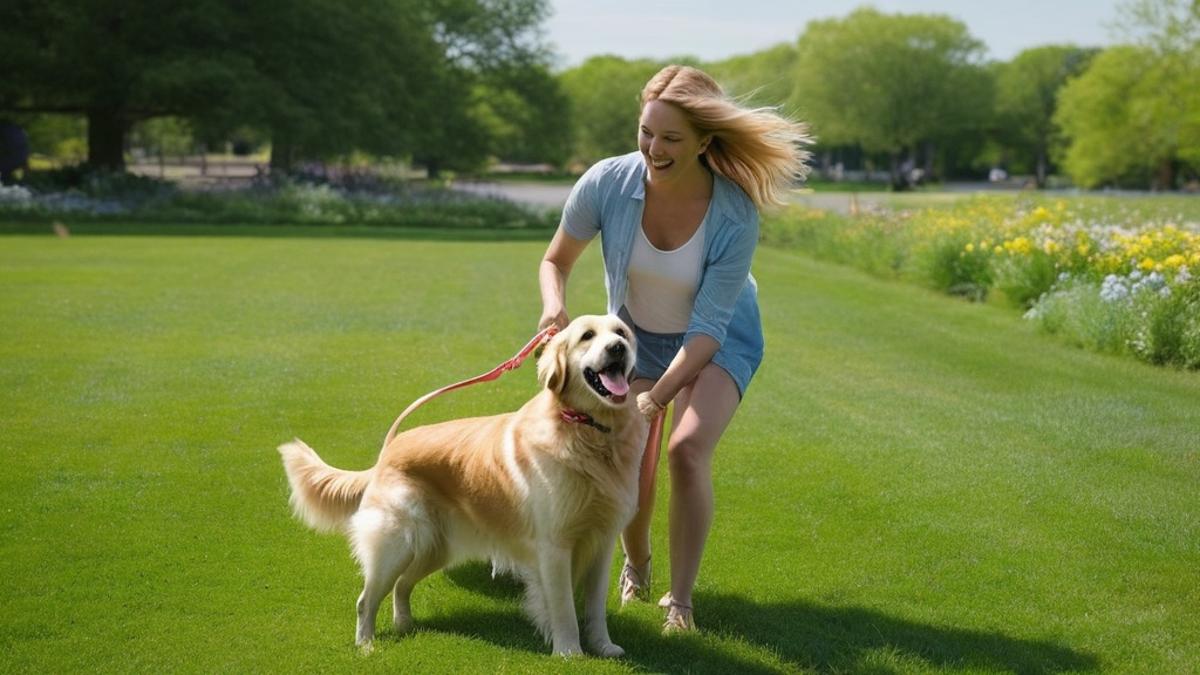
RECOMMENDED: The Importance of Pet Hygiene in Feeding Routines and Health Monitoring
# Linking Exercise Routines to Hygiene PracticesExercise and hygiene are not separate concerns; they work together as two halves of the same maintenance system. A dog that runs through muddy compounds after Lagos rainfall or a cat that climbs dusty rooftops in Kaduna will need grooming attention that directly follows their activity levels. Pet owners across Nigeria often treat these as unrelated chores, scheduling baths on weekends and walks whenever convenient, but this disconnect creates gaps where parasites, infections, and skin conditions quietly take hold.
Post-Exercise Grooming as a Hygiene Checkpoint
Pet health and hygiene routines work best when grooming becomes a natural extension of exercise sessions rather than a separate chore tackled once a week. After outdoor walks, checking paws for thorns, cracked pads, or embedded debris takes less than two minutes but prevents infections that could otherwise require costly veterinary intervention.
Dogs exercised in areas with tall grass or bush, common in semi-urban parts of Ogun or Oyo State, pick up ticks and fleas far more readily than those confined to swept compounds. A quick post-walk inspection, run through the coat with fingers rather than just a visual glance, catches parasites before they establish themselves. In humid regions like Calabar or Port Harcourt, this inspection becomes even more critical, since warm, moist conditions allow flea eggs to hatch within days rather than weeks.
Cats grooming themselves after play sessions ingest loose fur, which can lead to hairballs if shedding isn’t managed. Brushing sessions timed right after an active play period, when cats are naturally calmer and more receptive to handling, make grooming considerably easier than attempting it when they’re restless. Owners who skip this step often find themselves dealing with matted fur that traps dirt and moisture against the skin, creating an environment where fungal infections thrive.
Water, Rest, and Recovery Considerations
Hydration deserves more attention than it typically receives in dog and cat care discussions. Nigerian heat accelerates fluid loss during exercise, and dogs panting heavily after a midday walk in Abuja need immediate access to clean water, not water that’s been sitting stagnant since morning.
Bowls should be washed daily, ideally with hot water and mild soap, since bacterial buildup in humid climates happens faster than most owners anticipate. Leftover food residue combined with saliva creates conditions where bacteria multiply within hours. Plastic bowls, commonly used across many households, tend to develop microscopic scratches over time that harbor bacteria even after washing, making stainless steel or ceramic alternatives a worthwhile consideration for pet owners serious about long-term hygiene.
- Rinse water bowls after every exercise session, not just once daily
- Inspect ears for moisture buildup after swimming or heavy rain exposure
- Trim nails regularly, since overgrown nails alter gait and increase joint stress during activity
- Wash bedding weekly, particularly if pets rest immediately after sweaty or muddy exercise
Recovery periods matter just as much as the activity itself. Dogs need roughly 12 to 14 hours of rest daily, and interrupting this cycle repeatedly, whether through excessive exercise or household disturbances, weakens immune response over time. Puppies and older dogs require even more downtime, and pushing them through extended activity without adequate rest often shows up first as reduced appetite before escalating into more visible health issues.
This connection between rest and hygiene often goes unnoticed until skin conditions or recurring infections prompt a veterinary visit that thorough at-home care could have prevented entirely. Pet owners who build these small checks into their daily exercise routine, rather than treating hygiene as an afterthought, typically notice fewer trips to the clinic and considerably healthier, more energetic animals throughout the year.
# Bringing Exercise and Hygiene Together for Healthier Pets
Building a Sustainable Routine for Nigerian Pet Owners
Exercise planning for dogs and cats works only when paired with consistent hygiene habits that respond to Nigeria’s climate realities. From Lagos rainfall turning compounds into mud traps to the dry, dusty conditions common in northern states like Kano, every environment presents distinct challenges that generic pet care advice often overlooks.
Throughout this discussion, one theme keeps resurfacing: small, consistent actions outperform occasional, intensive efforts. Checking paws after walks, washing water bowls daily, and respecting rest cycles cost owners just minutes but save considerably more in veterinary bills and pet discomfort down the line.
Practical Takeaways Worth Remembering
Effective dog exercise tips and cat exercise ideas should never exist in isolation from grooming and cleanliness practices. Owners who separate these two elements often find themselves reacting to problems, ticks, skin infections, matted fur, rather than preventing them.
- Match activity levels to climate, adjusting walk times during Nigeria’s hottest months
- Treat grooming as part of the exercise routine, not a separate weekend task
- Prioritize hydration and bowl cleanliness immediately after physical activity
- Respect rest requirements, especially for puppies, kittens, and senior pets
Maintaining pet health in Nigeria demands attention to local conditions that imported pet care guides rarely address. Humidity, dust, seasonal flooding, and inconsistent access to veterinary clinics in some regions all shape how owners should approach daily care.
Physical activity for pets remains essential for weight management, mental stimulation, and behavioral balance, but its benefits diminish quickly without proper hygiene support. The two work as a single system, not competing priorities.
Pet owners who commit to this integrated approach typically notice fewer emergency clinic visits and animals that display more energy and resilience across seasons. Sound dog and cat care isn’t about perfection; it’s about building small, repeatable habits that protect against the specific risks Nigerian households encounter daily. Starting with even one or two changes outlined here can shift outcomes considerably over time.
Frequently Asked Questions
How often should I exercise my dog in Nigeria’s hot climate?
Dogs in Nigeria should be exercised for 30 to 60 minutes twice daily, ideally early morning before 9am or evening after 5pm when temperatures are cooler. Avoid midday walks between 12pm and 3pm as the heat and hot asphalt can cause heatstroke or burn their paw pads. Always provide water breaks during and after exercise sessions.
Can indoor cats get enough exercise without going outside, especially in areas with traffic or stray animals?
Yes, indoor cats can stay fit through interactive play using feather wands, laser pointers, or rolling balls for 15 to 20 minutes twice daily. This is especially important in Nigerian cities like Lagos or Abuja where busy roads and stray animals make outdoor exploration risky. Cat trees, scratching posts, and puzzle feeders also encourage natural movement indoors.
What hygiene routine should follow after exercising my pet in dusty or muddy Nigerian environments?
After outdoor exercise, wipe your pet’s paws, belly, and coat with a damp cloth to remove dust, mud, or debris common during Nigeria’s dry and rainy seasons. Check ears and between paw pads for ticks or fleas, which are prevalent in many Nigerian neighborhoods. Bathing should be done only when necessary, using a vet-approved shampoo to avoid stripping natural skin oils.
How can I create a safe exercise plan for my dog if I live in an area without parks or open spaces?
If your compound or estate lacks open space, you can use a harness and leash for short walks around your neighborhood streets during safer hours. Alternatively, tug-of-war, fetch in a hallway, or stair climbing indoors can provide sufficient physical activity. Many pet owners in cities like Port Harcourt and Ibadan also join local dog-walking groups for safer, shared exercise routes.
Is it safe to exercise my dog or cat right after feeding them, given typical Nigerian feeding schedules?
No, it’s best to wait at least one to two hours after a meal before exercising your pet to prevent bloating or digestive upset, which can be serious in larger dog breeds. Since many Nigerian households feed pets in the morning before work or school, plan vigorous exercise either before breakfast or a few hours afterward. Light activity like short walks is fine shortly after eating, but avoid running or intense play immediately.

Linda Carter
Linda Carter is a writer and pet care expert specializing in pet health, grooming, and wellness. With extensive experience helping pet owners create safe, loving, and enriching environments for their animals, Linda shares her knowledge on our platform. Her goal is to empower readers with practical advice and strategies to ensure their pets thrive and lead joyful, healthy lives.