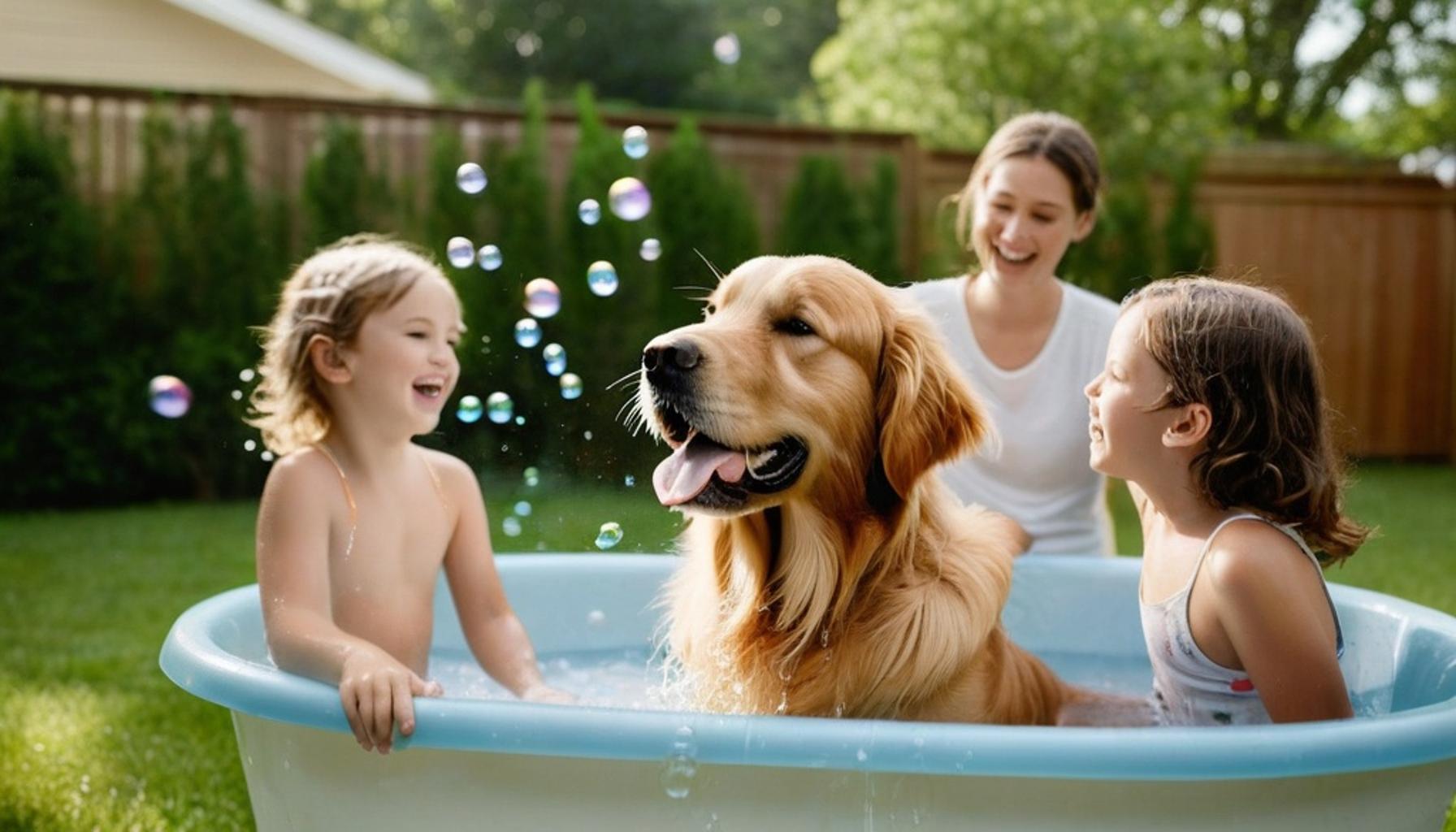
The Importance of Hygiene in the Exercise and Behavior of Pets
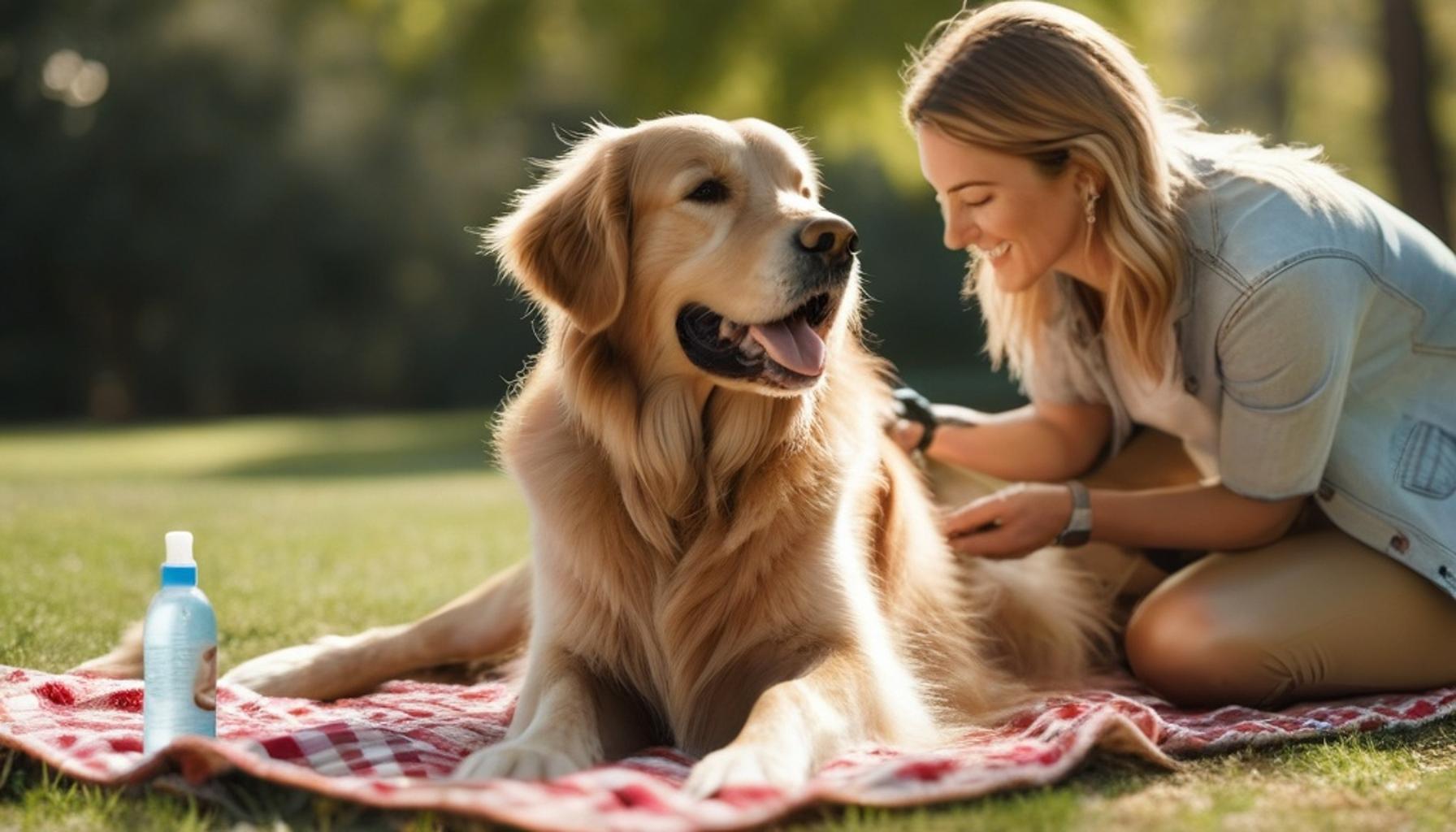
Why Clean Pets Are Happier, Healthier Companions
Across Nigerian homes, from Lagos apartments to Abuja compounds, pets are increasingly treated as family members. Yet many owners overlook a crucial factor shaping their pet’s daily life: cleanliness. The Importance of Hygiene in Pets extends far beyond a fresh smell—it directly influences energy levels, mood, and long-term wellbeing.
Veterinary studies suggest that unhygienic conditions can trigger skin infections, parasitic infestations, and behavioral issues like excessive scratching or aggression. In tropical climates such as Nigeria’s, where humidity accelerates bacterial growth, this connection becomes even more critical. A dog left unwashed for weeks in Port Harcourt’s damp air, for instance, becomes a magnet for fungal growth and irritation that can turn a once-playful animal into a lethargic, withdrawn one.
What This Article Covers
This piece explores how cleanliness routines shape a pet’s physical activity and temperament. We’ll examine practical pet hygiene tips that Nigerian pet owners can implement immediately, without breaking the bank or requiring specialized equipment.
- The direct link between pet exercise and behavior
- How dirty living spaces affect a dog or cat’s willingness to play
- Simple grooming habits that prevent common tropical diseases
- The impact of cleanliness on pets’ stress and anxiety levels
Consider this: a poorly maintained coat can trap fleas, mites, and ticks—pests thriving in Nigeria’s warm weather. This often leads to restlessness, reduced appetite, and reluctance to exercise. A dog constantly itching from flea bites has little energy left for the evening walk around the estate, and cats burdened with mites often retreat to hiding spots instead of engaging with family members.
Beyond parasites, unclean bedding and food bowls harbor bacteria that cause gastrointestinal upset, further sapping a pet’s vitality. Owners in cities like Kano and Ibadan, where dust and heat compound hygiene challenges, often notice that pets kept in cleaner environments display noticeably more curiosity, playfulness, and social confidence around strangers or other animals.
There’s also a psychological dimension rarely discussed. Just as humans feel more comfortable and confident after a bath, pets experience reduced stress when free from itching, matted fur, or foul odors. This comfort translates into calmer behavior, better sleep patterns, and stronger bonds with their human families.
Understanding how to maintain pet hygiene isn’t just about appearances. It’s about unlocking the full benefits of hygiene for pets, ensuring they remain active, sociable, and free from preventable illnesses that burden both pets and their owners financially. Veterinary bills for treating advanced skin conditions or tick-borne diseases often far exceed the cost of routine grooming, making hygiene a wise long-term investment rather than an optional luxury.
YOU MAY ALSO LIKE: Exercise Planning and Health Monitoring to Maintain Pet Hygiene
# The Hidden Connection Between Grooming and Physical ActivityMany Nigerian pet owners assume that hygiene and exercise belong to separate conversations. In reality, they are deeply intertwined. The Importance of Hygiene in Pets becomes obvious the moment you observe how a dirty, uncomfortable animal moves compared to a clean, well-groomed one.
Picture two dogs living on the same street in Lekki. One receives regular baths, brushing, and clean bedding. The other is rarely groomed, left to accumulate dirt and matted fur through Lagos’s humid months. Within weeks, a visible gap emerges—the well-maintained dog runs freely, chases balls, and greets visitors with enthusiasm, while the neglected one moves stiffly, scratches constantly, and shows little interest in play.
This scenario plays out across Nigerian households daily, yet few owners connect the dots between a matted coat and a lethargic pet. Veterinary clinics in Abuja and Port Harcourt have started noting a pattern worth paying attention to: animals brought in for “low energy” or “unusual laziness” frequently turn out to have underlying skin conditions, embedded parasites, or painful ear infections that were never obvious to the untrained eye. What looks like a personality trait is often a physical symptom in disguise.
How Skin Irritation Limits Movement
Matted fur and skin infections physically restrict movement. Tangled hair pulls at the skin, causing discomfort with every step, jump, or stretch. Ticks embedded around joints or paw pads make walking painful, discouraging dogs from the very activity that keeps them fit.
This creates a troubling cycle: less exercise leads to weight gain, weight gain increases joint strain, and joint strain further reduces the pet’s willingness to move. Nigerian veterinarians increasingly report obesity-related conditions in urban pets, often traced back to skin discomfort that started as a minor hygiene oversight.
Consider the paw pads alone. In cities like Ibadan or Kano, where pavements can grow scorching hot and dusty, cracked or infected paw pads make every outdoor step a small ordeal. A dog reluctant to walk on hot, irritated paws will naturally choose to lie indoors rather than accompany its owner on a walk, quietly losing the muscle tone and cardiovascular benefits that regular movement provides.
- Fungal infections thriving in humid climates like Calabar or Warri, causing itchy, inflamed skin
- Flea infestations that trigger allergic reactions and constant scratching
- Ear infections from trapped moisture, leading to head-shaking and balance issues
- Overgrown nails that alter walking posture and discourage running
Each of these conditions, left unaddressed, compounds the others. A dog scratching relentlessly at flea bites has less energy for play. One struggling with balance due to an ear infection avoids the uneven terrain of a compound or park. Over time, these small discomforts accumulate into a pet that appears withdrawn, when the real issue is physical pain masquerading as disinterest.
Practical Pet Hygiene Tips for Active Lifestyles
Understanding how to maintain pet hygiene doesn’t require expensive products or professional groomers. Simple, consistent routines make the biggest difference.
Brushing your dog’s coat twice weekly removes loose fur and prevents matting before it starts. Bathing every two to four weeks, depending on breed and activity level, keeps skin balanced without stripping natural oils—over-bathing can actually cause dryness and irritation, worsening the problem it aims to solve.
Trimming nails monthly prevents the awkward gait that discourages exercise, while regular ear checks catch infections before they cause disorientation. These small investments of time directly support pet exercise and behavior, keeping animals agile, comfortable, and eager to engage with their environment rather than retreating from it.
For pet owners across Nigeria’s diverse climates, adapting these routines to local conditions matters. Dogs in drier northern regions may require less frequent bathing but more attention to dry, cracked skin, while pets in coastal, humid zones benefit from more vigilant fungal and flea prevention. Recognizing that grooming is not a cosmetic luxury but a functional necessity changes how owners approach their pet’s overall wellbeing, turning routine hygiene into a foundation for a genuinely active, joyful animal.
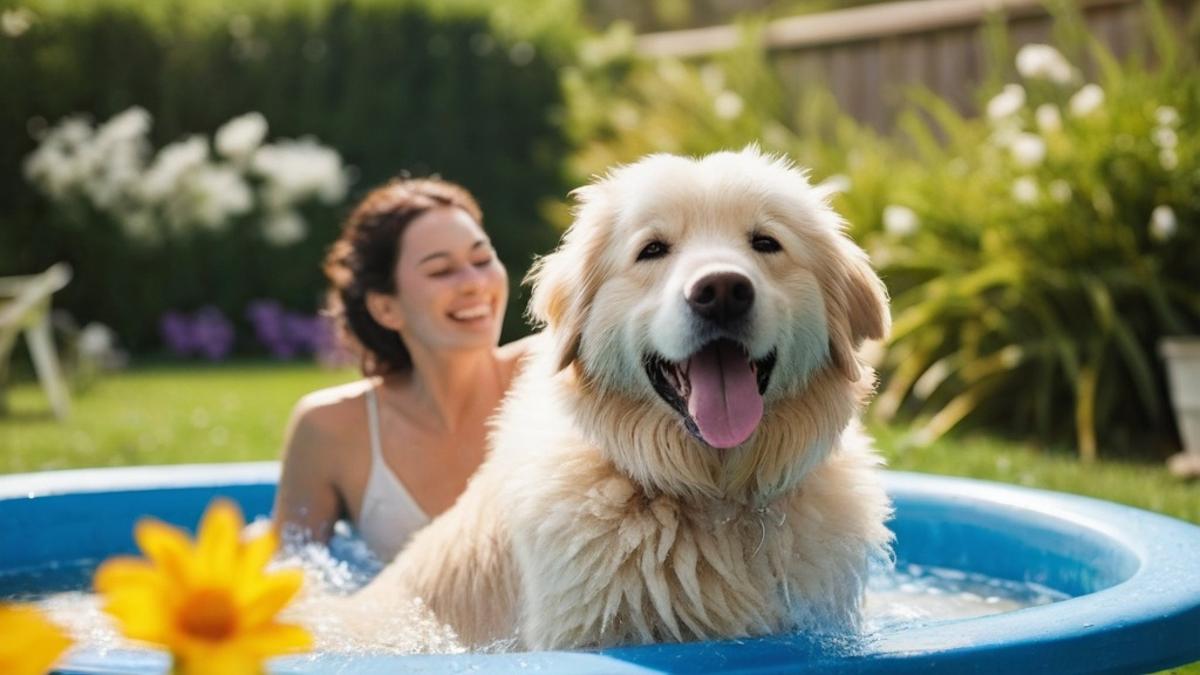
RECOMMENDED: Establishing Feeding Routines to Improve the Hygiene of Dogs and Cats
# When Cleanliness Shapes Character: The Behavioral Ripple EffectBeyond physical mobility, the impact of cleanliness on pets extends into territory many Nigerian pet owners never consider: personality and temperament. A pet’s willingness to socialize, respond to commands, or explore new environments often traces back to how comfortable that animal feels in its own skin.
Behavioral specialists working with animal shelters in Lagos and Abuja have observed something striking. Dogs surrendered for “aggression” or “stubbornness” frequently transform within weeks of receiving consistent grooming and hygiene care. The snapping, withdrawal, or refusal to engage often wasn’t a temperament flaw at all—it was chronic discomfort expressing itself as irritability.
This connection makes sense when viewed through a simple lens: would any living creature feel playful while itching constantly or carrying the weight of matted, heavy fur in Nigeria’s heat? Discomfort breeds defensiveness, and defensiveness looks a lot like bad behavior to an untrained eye.
The Stress Factor Nobody Talks About
Unclean living conditions trigger measurable stress responses in pets. Cortisol levels—the hormone associated with stress—rise in animals kept in soiled bedding or exposed to persistent parasites. Elevated stress doesn’t just affect mood; it suppresses immune function, making pets more susceptible to illness and less capable of recovering from minor infections.
Nigerian households with multiple pets face an added dimension. Poor hygiene in one animal can trigger tension among housemates. A cat irritated by fleas may lash out at a companion dog during normal play. A dog uncomfortable from ear infections may growl defensively when approached, confusing owners who see only the aggressive moment, not its root cause.
- Soiled litter boxes leading cats to avoid using them altogether, resulting in inappropriate elimination
- Dirty water bowls harboring bacteria that cause lethargy and reduced appetite
- Unwashed bedding trapping allergens that trigger respiratory discomfort and restlessness
- Neglected dental hygiene causing pain that manifests as food aggression or reluctance to eat
Building Routines That Nigerian Households Can Sustain
The benefits of hygiene for pets multiply when routines fit realistically into daily life rather than existing as occasional, overwhelming tasks. Owners in Enugu, Jos, or Benin City don’t need elaborate schedules—they need consistency.
Washing feeding bowls daily takes under a minute but prevents bacterial buildup that causes digestive upset and irritability. Cleaning bedding weekly, particularly during Nigeria’s rainy season when dampness invites mold, reduces respiratory irritants significantly.
Dental care deserves more attention than most owners give it. Weekly teeth brushing or dental chews reduce plaque buildup, preventing the kind of mouth pain that makes pets avoid meals or snap unexpectedly during handling.
Ultimately, hygiene functions as preventive behavioral therapy. Clean, comfortable pets approach their environment with curiosity rather than caution, transforming reluctant, guarded animals into confident companions ready for the parks, compounds, and family interactions that define a genuinely enriched life.
YOU MAY ALSO LIKE: The Importance of Hygiene in the Health and Behavior of Pets
The Importance of Hygiene in Pets: Pulling the Threads Together
Across compounds in Lagos, Kano, and Port Harcourt, a quiet truth emerges from everything explored so far: hygiene is not cosmetic maintenance. It is the foundation upon which movement, mood, and connection are built.
The Importance of Hygiene in Pets reveals itself in ways that go beyond a shiny coat or pleasant smell. It shapes whether a dog sprints freely across a compound or limps hesitantly from matted fur and infected paws. It determines whether a cat approaches its owner with trust or retreats from chronic, unaddressed discomfort.
What makes this topic worth revisiting is its practicality. Nigerian pet owners don’t need imported products or expensive routines to see results. Simple, consistent habits—regular brushing, clean bowls, dry bedding, routine nail trims—deliver outsized returns on a pet’s physical comfort and emotional stability.
The connection between pet exercise and behavior and everyday cleanliness cannot be overstated. An animal free from itching, pain, or parasites moves with confidence and engages with its surroundings rather than withdrawing from them.
Understanding how to maintain pet hygiene also means recognizing warning signs early—before minor irritations become behavioral crises or costly veterinary visits.
- Prioritize weekly grooming sessions tailored to your pet’s coat and climate exposure
- Treat hygiene as preventive care, not an afterthought following illness or behavioral change
- Observe mood shifts as potential signals of physical discomfort
These pet hygiene tips aren’t complicated, but their consistency matters more than their complexity. Nigerian households that embrace this mindset raise pets who are healthier, calmer, and genuinely more present in family life—proof that cleanliness, in the end, is truly kindness in action.
Frequently Asked Questions
Why is hygiene important for pets that exercise outdoors in Nigeria’s hot and dusty climate?
Nigeria’s heat and dust make pets sweat, pant, and pick up dirt, parasites, and bacteria quickly during outdoor exercise. Poor hygiene in these conditions can lead to skin infections, ticks, and fungal issues that affect a pet’s energy and willingness to play. Regular bathing and paw cleaning after walks or runs helps prevent these problems and keeps your pet comfortable enough to stay active.
Can poor hygiene actually change a dog or cat’s behavior at home?
Yes, pets that are itchy, uncomfortable, or dealing with skin irritation from poor hygiene often become irritable, restless, or withdrawn. A dirty living environment can also cause stress-related behaviors like excessive licking, aggression, or house soiling. Maintaining clean bedding, grooming routines, and a tidy space helps pets stay calm and well-behaved.
How often should I clean my pet’s exercise gear like leashes and toys in Nigeria’s climate?
Because of high humidity and heat, bacteria and mold grow faster on leashes, harnesses, and toys, so these should be washed at least once a week. Items used during outdoor play in dusty or muddy areas may need cleaning after every use. This simple habit reduces the risk of skin infections and keeps exercise sessions safe and enjoyable for your pet.
What hygiene practices help prevent tick and flea infestations during pet exercise in Nigerian homes?
Regularly checking your pet’s coat after outdoor exercise, especially in grassy or bushy compounds common in Nigeria, helps catch ticks and fleas early. Bathing with a vet-recommended anti-parasite shampoo and keeping the yard trimmed also reduces infestation risk. Combining these habits with routine vet checkups ensures your pet stays healthy and active without discomfort from parasites.

Linda Carter
Linda Carter is a writer and pet care expert specializing in pet health, grooming, and wellness. With extensive experience helping pet owners create safe, loving, and enriching environments for their animals, Linda shares her knowledge on our platform. Her goal is to empower readers with practical advice and strategies to ensure their pets thrive and lead joyful, healthy lives.