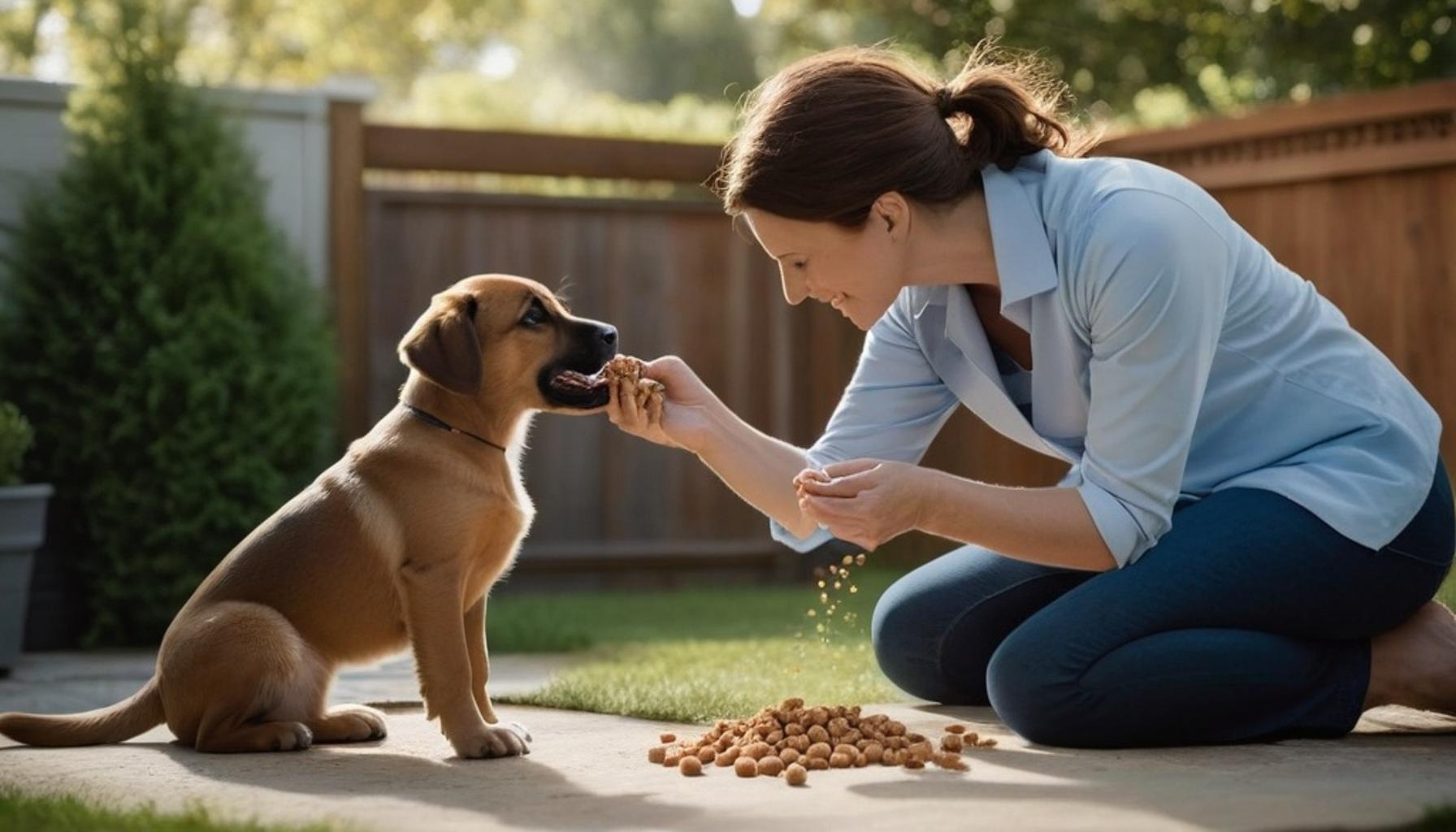
The Importance of Hygiene in Feeding: Essential Practices for Dogs and Cats
Why Clean Feeding Habits Matter for Your Pet’s Health
Across Nigerian homes, from Lagos apartments to Abuja compounds, more families are welcoming dogs and cats as cherished companions. Yet many pet owners overlook a critical aspect of pet care: Hygiene in Feeding Dogs and Cats. Poor feeding hygiene can silently trigger illnesses that cost both money and heartache.
The Hidden Risks in Everyday Feeding Routines
Bacteria like Salmonella and E. coli thrive in unwashed bowls and stale food, especially in Nigeria’s warm climate. Studies show that pet food left out for over two hours in temperatures above 25°C becomes a breeding ground for harmful microbes. This makes pet feeding hygiene tips essential knowledge, not optional advice.
Consider these common hygiene mistakes many pet owners make daily:
- Reusing unwashed feeding bowls for days
- Storing pet food in open containers exposed to pests
- Mixing old and new food without proper cleaning
- Ignoring water bowl contamination from saliva and debris
Why These Habits Persist in Nigerian Households
Many pet owners in Nigeria did not grow up with structured pet care education, so feeding routines are often inherited from casual practices rather than veterinary guidance. In markets across Ibadan, Port Harcourt, and Kano, pet food is frequently sold in loosely sealed bags, and once opened at home, it is rarely transferred into airtight containers. This exposes the food to humidity, ants, weevils, and rodents, all of which introduce contaminants long before the pet even takes a bite.
Compounding this issue is Nigeria’s tropical climate, where temperatures regularly exceed 30°C during the dry season. Wet or canned food left in a bowl under such heat can spoil within hours, yet many households leave food out overnight, assuming their pet will simply eat it later. This single habit is responsible for a significant number of preventable stomach infections in dogs and cats treated at veterinary clinics in urban centers.
The Real Cost of Ignoring Hygiene
Veterinary bills for treating food-borne illnesses in pets can range from a few thousand naira for mild cases to significantly higher costs for severe bacterial infections requiring hospitalization. Beyond the financial burden, there is the emotional toll of watching a beloved companion suffer from something entirely avoidable.
What This Article Will Uncover
This guide dives into practical, clean feeding practices for dogs and cats that any Nigerian household can adopt immediately. You’ll discover why the importance of pet hygiene extends beyond just clean bowls to storage, water quality, and feeding schedules.
From simple daily habits to overlooked details, understanding cat and dog feeding hygiene can prevent costly vet visits and keep your furry companions thriving. Let’s explore the essential practices every responsible pet owner needs to know.
SEE ALSO: Monitoring Health and Behavior: How Eating Routines Influence Animal Well-Being
Understanding the Science Behind Feeding Bowl Contamination
Most pet owners assume a quick rinse with water is enough to keep feeding bowls safe. Unfortunately, this assumption is far from accurate. Research on pet feeding equipment reveals that plastic and ceramic bowls develop microscopic scratches over time, creating perfect hiding spots for bacteria that plain water cannot dislodge.
This is where Hygiene in Feeding Dogs and Cats becomes a science rather than a suggestion. A bowl that looks clean to the naked eye may still harbor thousands of harmful microorganisms, particularly Salmonella, Staphylococcus, and mold spores that thrive in Nigeria’s humid coastal regions like Lagos and Calabar.
How Bacteria Multiply in Everyday Feeding Bowls
Saliva residue mixed with leftover food particles creates a biofilm, a thin, sticky layer that shields bacteria from casual cleaning. Once this biofilm forms, it becomes significantly harder to remove without proper scrubbing and disinfection.
Veterinary hygiene experts recommend washing feeding bowls with hot water and mild soap at least once daily, followed by thorough drying. Air-drying alone in humid weather is not sufficient, as moisture trapped in bowl crevices encourages further bacterial growth.
Adopting consistent hygiene practices for pets at this level directly reduces the risk of gastrointestinal issues, skin infections, and unpleasant odors that many owners mistakenly attribute to their pet’s breed or diet.
Material Matters: Choosing the Right Feeding Bowl
Not all feeding bowls offer equal protection against bacterial buildup. The material used plays a significant role in how easily contamination occurs and how effectively it can be cleaned.
- Stainless steel bowls resist scratching and are the easiest to sanitize thoroughly
- Ceramic bowls are hygienic if unglazed cracks are avoided, but chipped ceramic harbors bacteria
- Plastic bowls scratch easily over time and should be replaced every few months
- Silicone travel bowls are convenient but require daily deep cleaning due to porous surfaces
Many Nigerian households opt for plastic bowls due to affordability and availability in local markets. However, understanding this hidden risk allows owners to make informed upgrades where possible, even switching progressively to stainless steel options sold in pet stores across major cities.
These small adjustments form the foundation of effective clean feeding practices for dogs and cats, proving that hygiene begins long before the food even touches the bowl. The equipment itself carries responsibility, and neglecting it undermines every other precaution taken during feeding time.
SEE ALSO: Establishing Feeding Routines for Dogs and Cats: The Impact on Pets’ Health and Behavior
# The Importance of Hygiene in Feeding: Essential Practices for Dogs and Cats
Water Hygiene: The Overlooked Half of Feeding Safety
While food bowls receive occasional attention, water bowls often go unnoticed for days at a stretch. Yet stagnant water sitting under Nigeria’s heat, whether in Abuja, Port Harcourt, or Kano, becomes a breeding ground for algae, bacteria, and mosquito larvae within just 24 to 48 hours.
This oversight directly contradicts the importance of pet hygiene that many owners claim to prioritize. A dog or cat drinking from contaminated water is exposed to the same pathogens found in dirty feeding bowls, sometimes with more severe consequences since water intake is more frequent than meals.
Practical Water Hygiene Habits Worth Adopting
Refreshing water at least twice daily, especially during Nigeria’s dry season when dust settles quickly into open bowls, significantly reduces contamination risk. Placing water bowls away from direct sunlight also slows bacterial multiplication.
- Use a separate bowl for water and food to prevent cross-contamination from food residue
- Scrub water bowls with a brush weekly to remove biofilm buildup on the walls
- Avoid leaving water bowls outdoors overnight where insects and rodents have access
- Consider elevated water dispensers that reduce debris and dust settling
Feeding Location and Its Hidden Hygiene Risks
Where a pet eats matters just as much as what it eats. Feeding dogs and cats directly on bare floors, especially in compounds shared with poultry or other livestock common in many Nigerian homes, increases exposure to parasites and fecal contamination.
Veterinary professionals recommend designated feeding mats or elevated stands that keep bowls away from dust, ants, and soil-borne organisms. This simple change strengthens overall cat and dog feeding hygiene without requiring significant financial investment.
Leftover food left out for hours attracts houseflies, a known carrier of bacteria in tropical climates. Discarding uneaten food after 30 minutes, rather than letting it sit throughout the day, is one of the simplest yet most effective pet feeding hygiene tips available to Nigerian pet owners.
The Role of Storage in Preventing Contamination
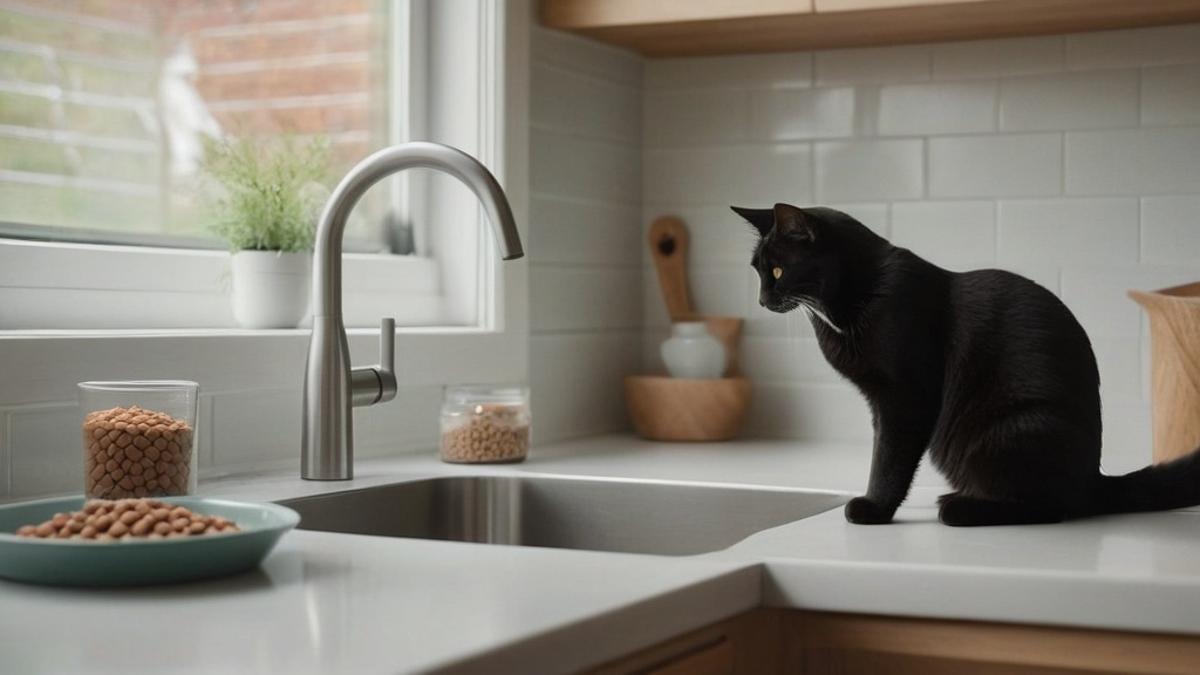
Improperly stored pet food, whether dry kibble or leftover wet food, invites weevils and mold growth, particularly during Nigeria’s rainy season. Airtight containers, rather than leaving bags open in kitchens or storerooms, preserve freshness and prevent contamination before food even reaches the bowl.
These layered habits demonstrate that Hygiene in Feeding Dogs and Cats extends far beyond the bowl itself, touching every stage from storage to consumption.
Building a Culture of Consistent Pet Care
From the food bowl to the water dish, from feeding mats to storage containers, every detail examined throughout this discussion points to one conclusion: Hygiene in Feeding Dogs and Cats is not a one-time task but a daily commitment. Nigerian pet owners in Lagos apartments, Kaduna compounds, or Enugu backyards all face similar tropical challenges, humidity, dust, and insects, that make cleanliness non-negotiable.
The data is clear on this front. Bacteria on unwashed bowls can multiply within hours, stagnant water breeds mosquito larvae within two days, and improperly stored food invites mold during rainy months. These are not distant risks but everyday realities within Nigerian households.
Small Habits, Significant Outcomes
Adopting clean feeding practices for dogs and cats does not require expensive equipment or veterinary training. It requires attention: washing bowls daily, changing water twice a day, storing food in airtight containers, and choosing feeding locations away from livestock or bare soil.
- Daily bowl washing reduces bacterial exposure significantly
- Proper food storage prevents weevils and mold contamination
- Designated feeding areas limit parasite exposure
- Fresh water twice daily curbs mosquito breeding risks
These pet feeding hygiene tips collectively form a defense system against illnesses that often go misdiagnosed or untreated in companion animals across Nigeria.
A Call for Greater Awareness
The broader importance of pet hygiene deserves more attention within Nigerian veterinary conversations, pet product marketing, and household routines. As pet ownership continues rising in urban centers, understanding hygiene practices for pets becomes essential rather than optional.
Ultimately, strong cat and dog feeding hygiene reflects a broader commitment to animal welfare. Every clean bowl, fresh water change, and properly stored food bag contributes to healthier, longer lives for the animals sharing our homes.
Frequently Asked Questions
How often should I wash my dog’s or cat’s feeding bowls in Nigeria’s hot climate?
In Nigeria’s warm weather, bacteria multiply faster on food residue, so feeding bowls should be washed with hot water and mild soap after every meal. Leaving bowls unwashed for even a few hours can attract flies and cause stomach infections in pets. Proper hygiene in feeding dogs and cats also means drying bowls completely before reuse to prevent mold growth.
Can poor feeding hygiene cause diseases in pets kept outdoors in Nigerian homes?
Yes, pets fed outdoors are more exposed to dust, ants, and contaminated water sources common in many Nigerian compounds, which can lead to diarrhea, vomiting, and parasitic infections. Using raised, covered feeding stations and changing water at least twice daily greatly reduces this risk. Practicing good hygiene in feeding dogs and cats even in outdoor settings helps prevent costly vet visits.
Is it safe to feed dogs and cats leftover local dishes like jollof rice or eba in Nigeria?
While small amounts of plain rice or eba without spicy stew, onions, or excessive salt can be given occasionally, leftovers should always be fresh and stored hygienically to avoid bacterial contamination. Spoiled leftovers left in humid Nigerian kitchens can quickly develop harmful bacteria that upset a pet’s digestive system. It’s best to prepare pet-safe portions separately rather than relying solely on family leftovers.
What hygienic feeding practices help prevent worm infestations in dogs and cats in Nigeria?
Since many pets in Nigeria roam freely and may eat from unclean sources, using separate, regularly disinfected feeding bowls and storing pet food in sealed containers away from pests helps reduce worm exposure. Washing hands before and after handling pet food also limits cross-contamination between humans and animals. Combining these hygiene practices with routine deworming every three months offers the best protection.

Linda Carter
Linda Carter is a writer and pet care expert specializing in pet health, grooming, and wellness. With extensive experience helping pet owners create safe, loving, and enriching environments for their animals, Linda shares her knowledge on our platform. Her goal is to empower readers with practical advice and strategies to ensure their pets thrive and lead joyful, healthy lives.