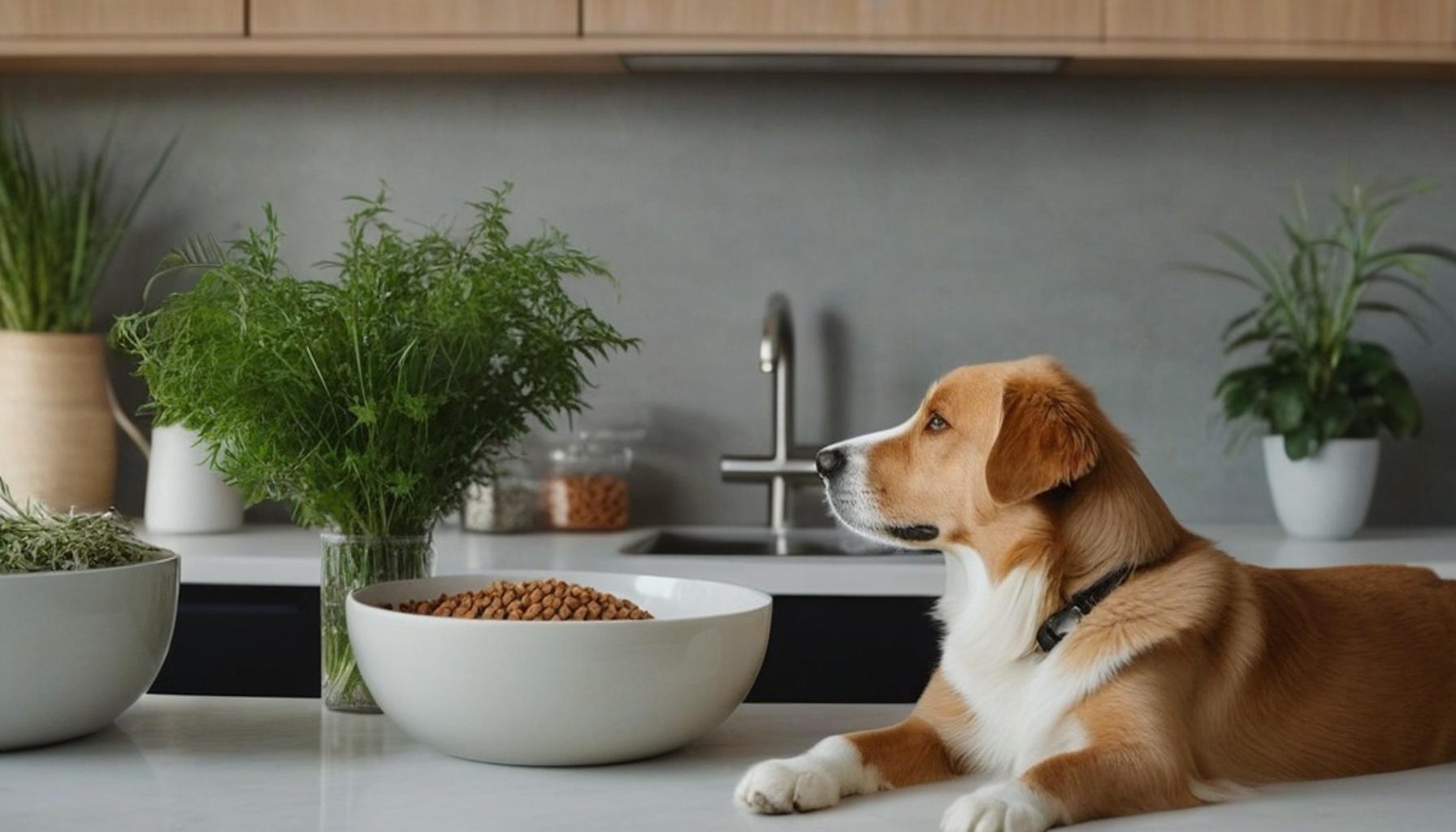
Establishing Feeding Routines for Monitoring the Health of Dogs and Cats

Why Every Nigerian Pet Owner Needs a Feeding Schedule
From the bustling streets of Lagos to the quieter neighborhoods of Enugu, more Nigerian households are welcoming dogs and cats into their families. But amid the excitement of pet ownership, one critical health tool often gets overlooked: a structured feeding routine.
Establishing Feeding Routines for Dogs and Cats isn’t just about mealtime convenience. It’s a powerful, low-cost strategy for early detection of illness, weight problems, and behavioral changes. Many pet owners across Nigeria are still learning that what happens at feeding time can say more about their animal’s wellbeing than an occasional visit to the vet clinic.
What a Consistent Dog Feeding Schedule Reveals
Veterinarians across Nigeria are increasingly emphasizing that how and when a pet eats can reveal as much as a check-up. A sudden loss of appetite or unusual eating patterns often signals problems long before other symptoms appear. In cities like Port Harcourt and Abuja, where humidity and heat fluctuate throughout the year, dogs can be particularly vulnerable to conditions that first show up as changes in appetite.
- Early signs of digestive disorders
- Dental pain or oral infections
- Stress or anxiety triggers, often linked to noise, travel, or new environments
- Underlying parasitic infections common in tropical climates, especially during the rainy season
Local breeders and animal welfare groups in Nigeria have noted that dogs fed at irregular times are more prone to overeating, scavenging, or begging behaviors. A fixed schedule, ideally two meals a day for adult dogs, helps regulate digestion and reduces the risk of obesity, a growing concern as more pet owners rely on affordable but calorie-dense local feed options.
The Link Between Pet Nutrition Tips and Cat Health Monitoring
Cats, known for their subtle health cues, benefit enormously from predictable feeding times. A consistent routine makes it easier to spot when your feline companion skips a meal or eats excessively. Unlike dogs, cats often hide discomfort, making feeding time one of the few reliable windows into their health status.
Nigerian cat owners, particularly those in urban apartments where cats are kept indoors, should pay close attention to appetite changes tied to heat stress, hydration levels, and even boredom. Offering meals at set times, alongside fresh water, can help owners quickly notice when something is wrong.
This article explores practical steps for establishing feeding habits tailored to Nigeria’s climate, lifestyle, and locally available pet foods. Readers will discover the best dog food schedule practices, portion guidelines, and warning signs that demand a vet’s attention, insights that could make the difference between early intervention and a costly emergency.
LEARN MORE: Implementing Effective Health Monitoring Through Feeding Routines and Exercise Planning for Indoor Pets
Building the Foundation: Structuring a Dog Feeding Schedule That Works
Setting up a reliable dog feeding schedule is less about rigid discipline and more about creating predictable patterns your pet’s body can adjust to. Nigerian veterinarians often point out that dogs thrive on routine, much like humans do, and disruptions to that routine are frequently the first visible clue that something is wrong internally. A consistent schedule essentially trains the digestive system to anticipate meals, which regulates hormone release, stabilizes blood sugar, and reduces the likelihood of bloating or acid reflux, conditions that are more common in dogs fed erratically.
For most adult dogs, two structured meals a day, one in the morning and one in the early evening, strike the right balance between digestion support and energy regulation. Puppies, on the other hand, typically require three to four smaller meals daily until they reach six months of age, after which owners can gradually transition them into the standard two-meal pattern. This gradual shift matters because abrupt changes in feeding frequency can trigger digestive upset, something breeders across Lagos and Abuja frequently caution new pet owners about during adoption handovers.
Practical Steps for Establishing Feeding Habits at Home
Nigerian households juggling busy schedules, school runs, market visits, generator refueling, can still maintain consistency with a few practical adjustments. The goal isn’t perfection but rather building a rhythm reliable enough that any deviation becomes noticeable almost immediately.
- Choose two fixed times daily and stick to them within a 30-minute window
- Avoid free-feeding (leaving food out all day), as this makes it harder to notice appetite loss
- Measure portions using a standard cup rather than guessing, especially with locally sourced feed
- Keep a simple feeding log, noting how much was eaten and how quickly
- Store dog food properly to prevent spoilage in humid conditions, a common issue in coastal cities like Calabar and Port Harcourt
This kind of structure doesn’t just support digestion, it becomes a diagnostic tool. When a dog that normally finishes its bowl within ten minutes suddenly takes an hour or walks away entirely, that’s a signal worth noting, not ignoring. Some owners even photograph feeding logs weekly, creating a visual record that veterinarians can quickly reference during checkups, saving valuable diagnostic time when symptoms escalate unexpectedly.
Why Timing Matters More Than Nigerian Pet Owners Realize
Heat plays a significant role in appetite fluctuation across Nigeria’s varied climate zones. Dogs in the northern states, where temperatures can exceed 38°C during the dry season, often eat less during peak afternoon heat. Feeding during cooler parts of the day, early morning and after sunset, can improve appetite consistency and make it easier to track genuine health-related changes rather than heat-driven ones. Interestingly, dogs with thick coats or larger breeds tend to show more dramatic appetite swings during extreme heat compared to smaller, short-haired breeds better suited to tropical conditions.
This is where pet nutrition tips intersect directly with observation skills. A dog that skips meals only during extreme heat is behaving normally. A dog that skips meals regardless of weather, activity, or food type may be signaling an underlying issue, ranging from dental discomfort to intestinal parasites common during Nigeria’s rainy season, when stagnant water and increased mosquito activity create favorable conditions for infections that indirectly suppress appetite.
Establishing Feeding Routines for Dogs and Cats ultimately gives pet owners a baseline. Without that baseline, subtle warning signs blend into daily randomness, and by the time a problem becomes obvious, it may already require urgent veterinary intervention rather than simple early correction. In a country where veterinary access varies dramatically between urban centers and rural communities, this kind of proactive observation isn’t just convenient, it can genuinely determine how early a health issue gets caught and treated.

Key Aspects of Establishing Feeding Routines for Dogs and Cats
A consistent dog feeding schedule and structured mealtime routine for cats do more than satisfy hunger. They create a reliable framework for cat health monitoring, allowing pet owners to detect subtle changes in appetite, weight, or behavior before they become serious medical issues.
| Category | Key Insight |
|---|---|
| Best Dog Food Schedule | Feeding twice daily at fixed times supports digestive regularity and helps prevent obesity. |
| Pet Nutrition Tips | Measured portions tailored to age and breed reduce risks of nutrient deficiencies. |
| Establishing Feeding Habits | Predictable routines lower stress-related behaviors in both dogs and cats. |
| Cat Health Monitoring | Tracking food intake reveals early signs of illness or dental problems. |
| Long-Term Benefits | Consistent routines improve lifespan and quality of life for pets. |
Veterinarians frequently emphasize that Feeding Routines for Dogs and Cats should align with each animal’s metabolic needs. For instance, senior dogs often thrive on smaller, more frequent meals, while indoor cats benefit from portion control to offset lower activity levels. These small adjustments, backed by observation, can reveal patterns that owners might otherwise overlook.
RECOMMENDED: Behavioral Guidelines for Effective Monitoring of Pet Health in Indoor Environments
# Establishing Feeding Routines for Monitoring the Health of Dogs and Cats## Adapting Feeding Routines for Cats: Why Independence Doesn’t Mean Ignoring Structure
Unlike dogs, cats carry a reputation for being self-sufficient eaters, a myth that has led countless Nigerian households to underestimate how much cat health monitoring depends on structured feeding. Cats are obligate carnivores with digestive systems that respond poorly to unpredictable feeding patterns, yet their independent nature often masks early warning signs until a problem becomes serious.
Veterinary clinics in Ibadan and Enugu report that feline patients frequently arrive with conditions that could have been caught weeks earlier, simply because owners assumed occasional food refusal was normal cat behavior rather than a symptom worth tracking. This pattern repeats itself across urban and semi-urban Nigerian communities, where cats often move freely between compounds, making it easy to overlook subtle shifts in appetite until weight loss or lethargy becomes obvious.
Establishing structured feeding for cats requires understanding their natural grazing instincts while still creating observable patterns. Wild cats eat small portions multiple times daily, which is why many veterinarians recommend three to four smaller meals rather than the traditional two-meal dog schedule. This grazing behavior stems from ancestral hunting patterns, where cats consumed small prey multiple times throughout a day rather than one large meal. Replicating this natural rhythm indoors, even loosely, gives owners a reliable baseline against which any deviation becomes noticeable rather than dismissed.
### Practical Adjustments for Feline Feeding Consistency
Nigerian cat owners, particularly those managing free-roaming compound cats, face unique challenges in maintaining feeding structure. Still, a few adjustments make consistent monitoring achievable even in less controlled environments, regardless of whether the cat spends most of its day outdoors or confined to a single household.
- Feed at the same three or four times daily, ideally indoors to prevent scavenging that skews appetite data
- Avoid mixing wet and dry food unpredictably, as sudden texture changes can mask genuine appetite loss
- Use separate bowls for multi-cat households to accurately track individual eating habits
- Watch water intake alongside food, since reduced hydration often precedes appetite decline
- Note litter box changes, since digestive shifts frequently appear there before showing up at the food bowl
These small observations compound into meaningful data over time. A cat consistently finishing meals within fifteen minutes that suddenly starts leaving food behind for three consecutive days is presenting a pattern, not a coincidence. Owners who keep even a simple notebook or phone log of feeding times and portions consumed often catch illness signals far earlier than those relying purely on memory or instinct.
### Seasonal and Regional Factors Affecting Feline Appetite
Nigeria’s rainy season, typically running from April through October, brings increased humidity that affects stored cat food differently than it does dog kibble, given the higher fat content in most feline formulas. Improperly sealed food can turn rancid within days in humid coastal regions such as Lagos and Port Harcourt, causing appetite refusal that owners might mistake for illness rather than spoiled feed.
This is where establishing feeding habits becomes inseparable from proper storage practices. Airtight containers, kept away from direct sunlight and generator heat, preserve nutritional value and prevent false health alarms triggered by nothing more than degraded food quality. Many households unknowingly store pet food near kitchen heat sources or outdoor generator sheds, both of which accelerate spoilage far faster than expected in tropical conditions.
Combining consistent timing with careful storage creates the kind of reliable best dog food schedule and feline equivalent that Nigerian pet owners need, especially in regions where veterinary consultations require travel time and advance planning rather than same-day appointments. For families balancing multiple pets, work schedules, and unpredictable power supply, this structured approach transforms feeding time from a routine chore into a genuine early-warning system for health.
LEARN MORE: This related article may interest you
## Conclusion: Turning Daily Meals into a Lifelong Health Strategy
Establishing feeding routines for dogs and cats is never just about preventing hunger. Across Nigerian households, from Lagos apartments to Kaduna compounds, the timing, consistency, and observation built into daily meals form one of the most accessible health monitoring tools available to pet owners, often without requiring a single trip to the veterinary clinic.
Throughout this discussion, one theme remains constant: patterns reveal problems before symptoms become severe. A disrupted dog feeding schedule or a cat suddenly ignoring its bowl are rarely random occurrences. They are data points, and owners who pay attention to them gain a critical advantage in catching illness early, particularly in regions where veterinary access demands planning rather than convenience.
Sound pet nutrition tips extend beyond food quality alone. Storage conditions, feeding frequency, water intake, and even litter box habits all interconnect to paint a fuller picture of an animal’s wellbeing. Nigeria’s climate, with its intense humidity and unpredictable power supply, adds practical urgency to these considerations, making airtight storage and fixed mealtimes far more than convenience measures.
Perhaps the most valuable shift comes in mindset. Establishing feeding habits should be viewed as ongoing health documentation, not routine chore. A simple notebook, a phone reminder, or a shared household log can transform scattered observations into meaningful trends worth discussing with a veterinarian.
For dog owners, committing to a best dog food schedule offers structure that supports digestion, weight management, and behavioral stability. For cat owners, respecting feline independence while still tracking intake creates the balance needed for effective cat health monitoring.
Ultimately, the households that thrive are those willing to treat feeding time as both nourishment and observation, recognizing that small, consistent habits often reveal health concerns long before obvious symptoms ever appear.
Frequently Asked Questions
How many times a day should I feed my dog or cat in Nigeria’s hot climate?
Most adult dogs and cats do well with two measured meals a day, ideally morning and evening when temperatures are cooler. Puppies and kittens need three to four smaller meals to support growth and prevent low blood sugar. Sticking to consistent feeding times also helps you quickly notice if your pet skips a meal, which can be an early sign of illness.
Why is a fixed feeding schedule important for spotting health problems early?
A regular feeding routine makes it easier to notice changes in appetite, eating speed, or interest in food, which are often the first signs of illness like infections, dental pain, or parasites common in Nigerian pets. If your dog or cat suddenly refuses food or eats less than usual for more than a day, it’s a clear signal to consult a veterinarian. Without a routine, subtle changes can go unnoticed until the problem becomes serious.
What local Nigerian foods are safe to include in my pet’s feeding routine?
Boiled chicken, fish (deboned), rice, and cooked vegetables like carrots and pumpkin leaves can be safely included alongside commercial pet food. Avoid heavily spiced, salty, or pepper-seasoned local dishes, as well as onions and garlic, which are toxic to dogs and cats. Always introduce new foods gradually and in small portions to monitor for allergies or digestive upset.
How can I tell if my dog or cat’s feeding routine needs adjustment due to weather or activity changes?
During Nigeria’s dry, hot season, pets may eat less and drink more water, so it’s normal to slightly reduce portion sizes while ensuring constant access to clean water. If your pet becomes more active during cooler rainy periods or engages in more play, you may need to adjust meal portions to match their energy needs. Regularly monitoring your pet’s weight and body condition every few weeks helps you know when a routine adjustment is necessary.
What should I do if my dog or cat consistently avoids its usual feeding time?
Consistent avoidance of feeding time, especially over two or more days, often points to underlying issues such as fever, dental disease, intestinal worms, or stress. Check for other symptoms like lethargy, vomiting, or diarrhea, and note any recent changes in environment or diet. It’s best to visit a veterinarian promptly, as early diagnosis improves treatment outcomes for common conditions seen in Nigerian dogs and cats.

Linda Carter
Linda Carter is a writer and pet care expert specializing in pet health, grooming, and wellness. With extensive experience helping pet owners create safe, loving, and enriching environments for their animals, Linda shares her knowledge on our platform. Her goal is to empower readers with practical advice and strategies to ensure their pets thrive and lead joyful, healthy lives.