Exercise Planning to Promote the Health and Well-Being of Pets
Why Every Nigerian Pet Deserves a Fitness Routine
From the busy streets of Lagos to the quiet compounds of Kaduna, more Nigerian households are welcoming dogs and cats into their families. Yet many pet owners overlook one critical factor: structured movement and play.
Exercise Planning for Pets is no longer a luxury reserved for show animals or working breeds. It’s a practical necessity that directly impacts lifespan, temperament, and disease prevention. As urban living spaces shrink and more Nigerians adopt pets for companionship and security, the gap between instinctive animal needs and modern living arrangements continues to widen.
The Hidden Cost of an Inactive Pet
Veterinary reports across Africa show a rising trend in pet obesity, joint disease, and behavioral issues linked to sedentary lifestyles. A dog left indoors all day, or a cat with no vertical space to climb, often develops habits that are costly to reverse. In cities like Port Harcourt and Abuja, where compound spaces are shrinking due to urban expansion, this problem is becoming increasingly common among middle-class households who mistake feeding and shelter for complete care.
Consider these common consequences of poor pet health and fitness planning:
- Weight gain leading to diabetes and heart strain
- Destructive chewing or excessive barking from pent-up energy
- Reduced mobility in aging dogs and cats
- Anxiety and depression-like symptoms in confined animals
These issues rarely appear overnight. Instead, they build gradually, often mistaken for normal aging or personality quirks, until a veterinary visit reveals the underlying cause. By then, treatment costs and lifestyle adjustments become far more demanding than simple daily exercise would have required.
What This Article Will Uncover
This guide explores the real benefits of pet exercise, backed by practical routines suited to Nigerian climates and living spaces. You’ll discover how a simple exercise routine for dogs differs from effective cat fitness tips, and why applying the same approach to both species often leads to frustration for pet owners and stress for the animals themselves.
We’ll also examine safe outdoor activities for pets that work around Nigeria’s heat, terrain, and urban density. From backyard games to structured walks, every recommendation is designed to fit real-life schedules, including those of working professionals, students, and families juggling multiple responsibilities across busy Nigerian cities.
By the end, you’ll have a clear framework for building a sustainable fitness plan tailored to your pet’s breed, age, and energy level, one that considers everything from local weather patterns to the realities of compound living and limited access to formal dog parks.
LEARN MORE: Exercise Planning: The Key to Healthy Behavior in Dogs and Cats
# Building Blocks of a Practical Exercise Routine for Dogs
Every successful fitness plan starts with observation, not assumption. Before drafting an exercise routine for dogs, owners need to assess breed history, current weight, and daily energy patterns. A Boerboel guarding a compound in Ibadan has vastly different needs from a Shih Tzu living in a Lagos apartment, yet both require deliberate exercise planning for pets to thrive.
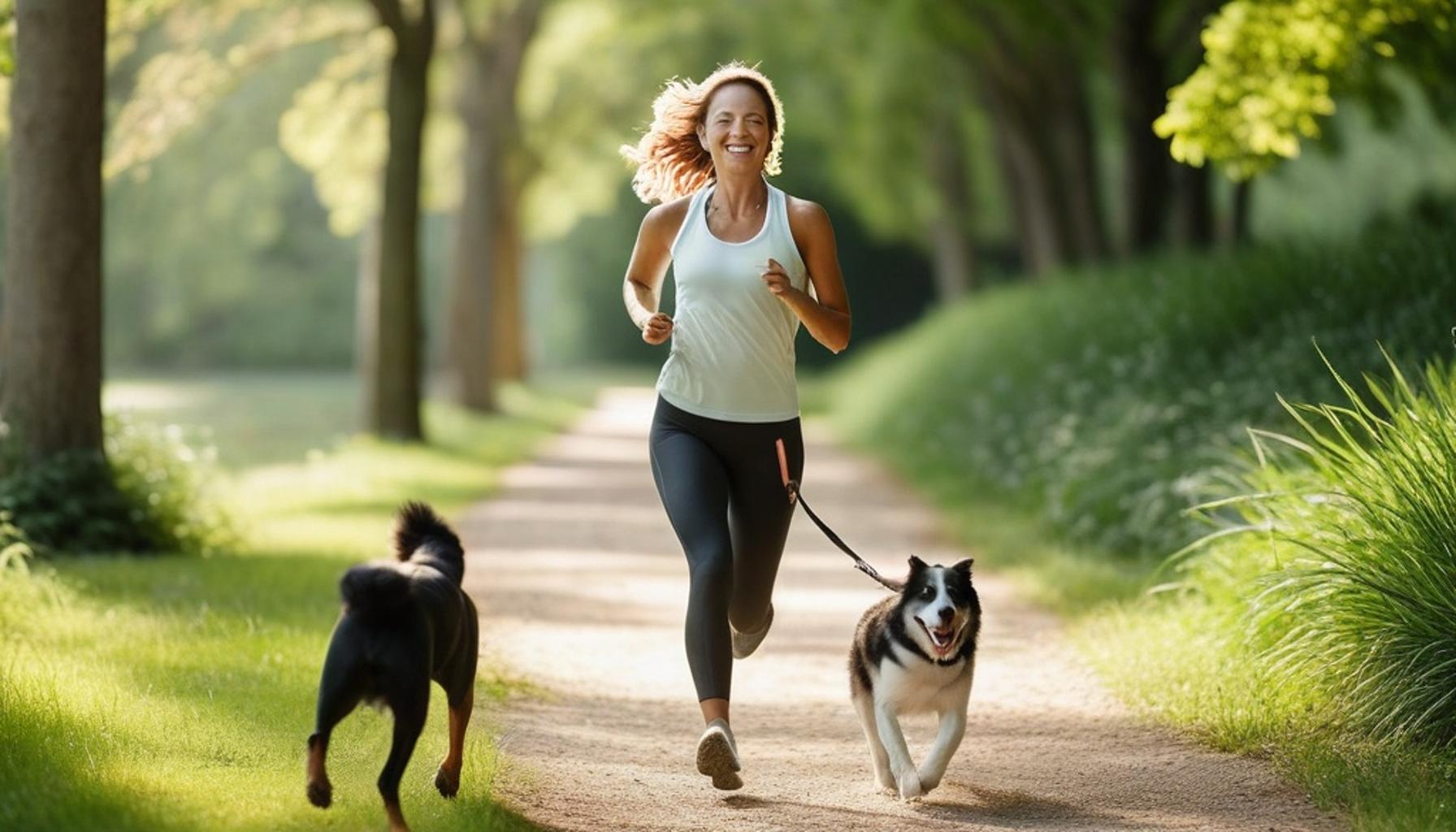
Veterinarians generally recommend that healthy adult dogs get between 30 minutes and two hours of physical activity daily, depending on breed and age. Puppies and senior dogs require gentler, shorter sessions spread throughout the day rather than one long outing. Skipping this consideration is one of the most common mistakes new pet owners make, often mistaking a tired dog for a healthy one when exhaustion and genuine conditioning are not the same thing.
Matching Activity to Breed and Environment
Nigerian households often keep mixed-breed dogs or popular guard breeds like Alsatians and Rottweilers. These breeds carry high energy reserves that, left unspent, translate into destructive behavior such as excessive digging, chewing on furniture, or relentless barking at odd hours. A structured plan should include:
- Morning walks before the heat intensifies, ideally between 6am and 8am
- Interactive play sessions using balls, ropes, or homemade obstacles
- Short training drills that combine mental stimulation with physical movement
- Evening cooldown walks once temperatures drop after 5pm
This structure respects Nigeria’s climate realities while still meeting the physiological needs that drive genuine benefits of pet exercise, including improved cardiovascular health and better weight regulation. Owners in humid regions like Port Harcourt should pay particular attention to midday heat, since panting dogs left in direct sun for extended periods risk heat stress rather than fitness gains.
Why Cats Need a Different Fitness Formula
Cats rarely require leash walks, but that doesn’t mean they’re exempt from movement. Cat fitness tips center on vertical space and predatory instinct rather than distance covered. A cat confined to flat surfaces all day, with no climbing shelf or scratching post, often becomes lethargic and prone to weight gain, a problem increasingly common among indoor cats kept in compact urban apartments.
Simple additions like cardboard boxes, wall-mounted shelves, or affordable cat trees can transform a stagnant indoor cat into an active one. Feather wands and laser pointers, used in short five to ten-minute bursts twice daily, mimic hunting behavior and satisfy instinctual needs that static feeding bowls never will. Rotating toys weekly also prevents boredom, since cats quickly lose interest in objects that no longer present novelty or challenge.
Reading the Signs of Insufficient Movement
Pet owners across Enugu, Ibadan, and Kano report similar warning signs when fitness routines are missing: excessive sleeping beyond normal patterns, sudden aggression during handling, or reluctance to jump onto familiar furniture. These behavioral shifts often precede visible weight gain, making early observation critical to effective pet health and fitness planning.
Tracking these small changes weekly, rather than waiting for annual veterinary checkups, gives owners a realistic window to adjust routines before minor issues become chronic conditions requiring costly intervention. A simple notebook or phone reminder logging activity duration, appetite, and mood can reveal patterns that might otherwise go unnoticed until a vet visit becomes unavoidable.
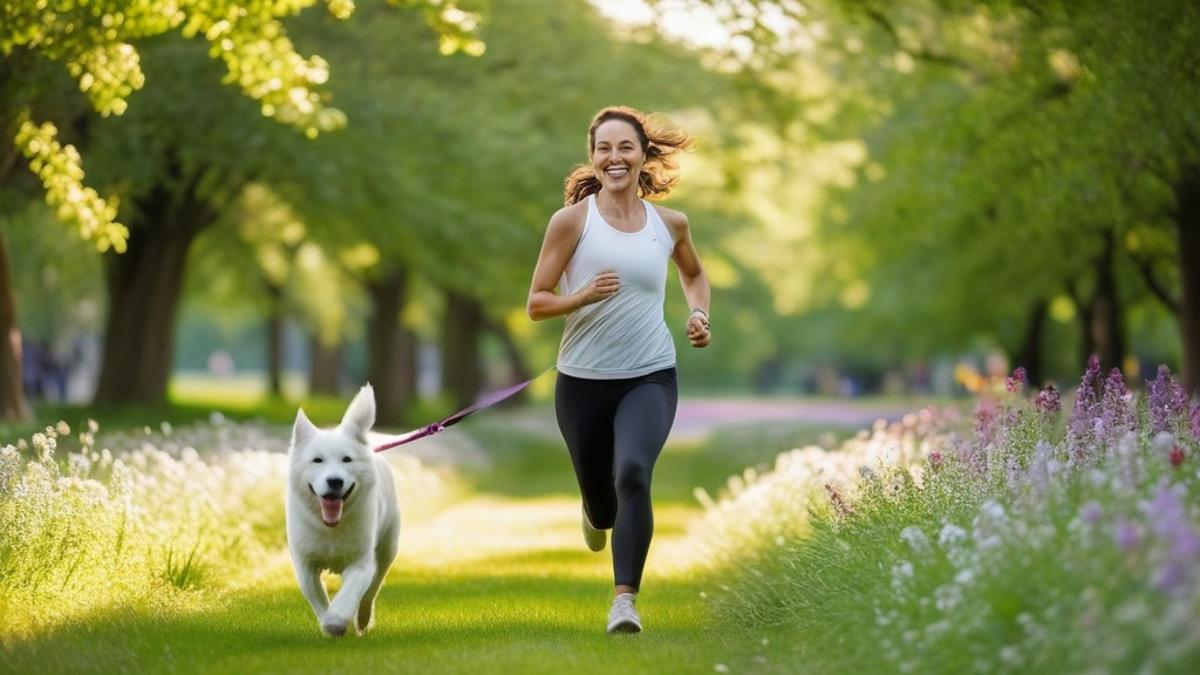
LEARN MORE: Establishing Feeding Routines and Behavioral Guidance for Dogs and Cats in Indoor Environments
# Turning Outdoor Spaces Into Fitness Opportunities
Nigeria’s varied landscape, from the coastal breeze of Lagos to the savannah stretches of Kaduna, offers pet owners a natural advantage that many overlook. Outdoor activities for pets don’t require expensive equipment or formal training facilities; they require intentional use of what’s already available. A compound with uneven terrain, a nearby football field, or even a quiet estate road at dawn can become the foundation of a sustainable exercise routine for dogs.
Community parks remain scarce in many Nigerian cities, pushing owners toward creative alternatives. Some residents in Abuja have started informal weekend dog-walking groups within their estates, turning solitary walks into social events that benefit both pets and owners. This kind of grassroots structure also encourages consistency, since accountability to a group often outweighs personal motivation on tired mornings.
Beyond estates, open markets and school compounds during off-hours have quietly become informal exercise grounds for pets in cities like Ibadan and Enugu. Early morning hours, before human traffic picks up, offer a window where dogs can move freely without the tension of busy streets or the risk of encountering aggressive strays. This kind of resourcefulness reflects a broader truth: fitness for pets in Nigeria often depends less on infrastructure and more on an owner’s willingness to notice what’s already around them.
Water-Based Movement Worth Considering
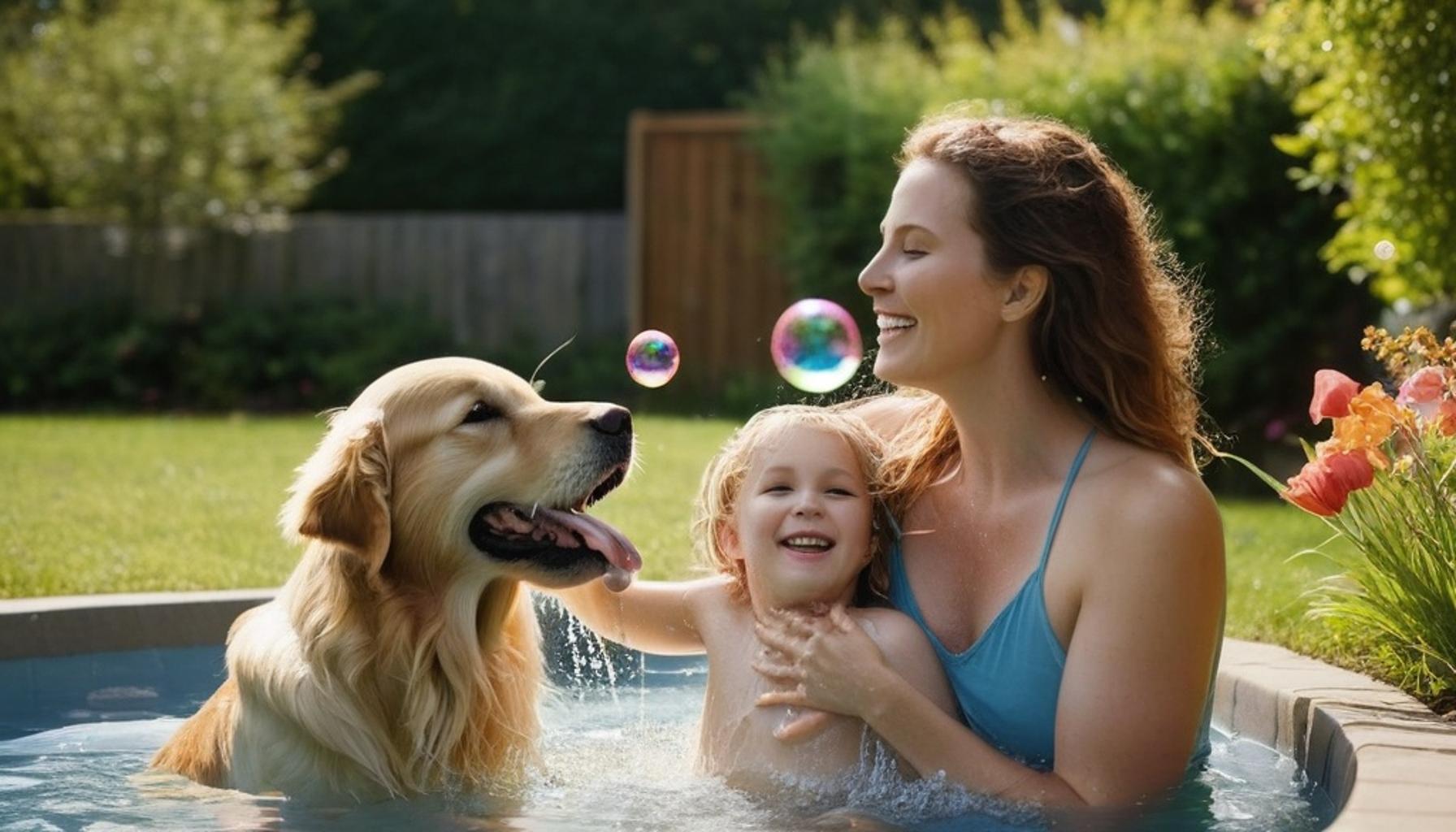
Swimming remains an underused option in pet health and fitness planning across Nigeria, despite its low-impact benefits for joints and cardiovascular conditioning. Dogs recovering from injury, or older animals with arthritis, often tolerate water exercise far better than pavement walking. Coastal communities in Bayelsa and Delta States, where natural water access exists, present opportunities rarely explored by pet owners who default exclusively to walking.
Supervision remains essential here, since not every dog swims instinctively well, and currents in natural water bodies can pose risks absent in controlled environments. Even a shallow basin or a large tub filled with clean water can substitute for river access in urban settings, offering a low-cost alternative that still delivers meaningful physical benefits without exposing pets to unpredictable currents or contamination.
The Overlooked Role of Nutrition Timing in Exercise Plans
Feeding schedules directly influence how effectively a pet responds to physical activity, yet this connection rarely receives attention in casual conversations about fitness. Exercising a dog immediately after a heavy meal risks bloat, a condition particularly dangerous in deep-chested breeds like German Shepherds. Veterinary guidance generally suggests waiting at least one hour after feeding before engaging in vigorous movement.
Hydration deserves equal weight in this equation. Nigeria’s average daily temperatures often exceed 30 degrees Celsius, meaning pets lose fluids rapidly during outdoor sessions. Owners should offer water before and after exercise, not just when panting becomes noticeable, since visible thirst often indicates dehydration has already begun. During harmattan season, when humidity drops sharply across northern states, this risk intensifies further, catching many owners unprepared for how quickly their pets can become fatigued.
Practical Steps for Consistent Results
Building a routine that lasts requires realistic expectations rather than ambitious overhauls abandoned after two weeks. Consider these practical starting points:
- Introduce new activities gradually over a two-week adjustment period
- Pair exercise sessions with consistent feeding windows to avoid digestive strain
- Involve children in supervised play sessions to reinforce daily consistency
- Document weight and behavior monthly to measure genuine progress
These small, measurable habits often produce more lasting results than sporadic bursts of intense activity, reinforcing that thoughtful exercise planning for pets depends on rhythm rather than occasional enthusiasm. Owners who treat these routines as flexible rather than rigid tend to sustain them longer, adapting to weather shifts, travel schedules, and the natural unpredictability of daily Nigerian life without abandoning the habit entirely.
Bringing Exercise Planning for Pets Into Everyday Nigerian Life
Across this article, one theme keeps resurfacing: exercise planning for pets succeeds when it fits into existing routines rather than demanding a complete lifestyle overhaul. Whether it’s a dawn walk through a quiet estate in Abuja or a supervised swim in Bayelsa’s coastal waters, the most effective approaches work with local realities instead of against them.
The benefits of pet exercise extend well beyond weight management. Regular movement supports joint health, reduces destructive behavior linked to boredom, and strengthens the bond between pets and their owners. These outcomes matter more in a country where veterinary access can be inconsistent, making prevention through consistent activity a genuinely practical strategy rather than a luxury.
Nutrition timing, hydration awareness, and gradual introduction of new activities all reinforce that pet health and fitness planning works best as a system, not a single action. A dog walked daily but fed carelessly, or a cat given toys but no fresh water during harmattan heat, still faces preventable risks.
Nigerian pet owners hold a distinct advantage: diverse climates, informal community networks, and adaptable outdoor spaces that many countries lack. Simple cat fitness tips, such as vertical climbing setups or interactive feeding toys, cost little yet yield measurable improvements in indoor pets’ agility and mood.
Ultimately, sustainable outdoor activities for pets and structured indoor routines don’t require perfection. They require attention, adjustment, and a willingness to observe how an individual animal responds over time. Owners who start small, track progress monthly, and remain flexible during seasonal shifts tend to build habits that last years rather than weeks. That patience, more than any single technique, determines whether a pet thrives or merely survives within its environment.
Frequently Asked Questions
How much daily exercise does a dog need in Nigeria’s hot climate?
Most healthy adult dogs need 30 to 60 minutes of exercise daily, but in Nigeria’s heat it’s best scheduled for early morning before 8am or evening after 5pm. Breeds like Boerboels and local mixed breeds tolerate heat better than short-nosed breeds such as Pugs or Bulldogs. Always carry water and watch for signs of overheating like excessive panting or lethargy.
Can I create an exercise plan for my cat if it stays indoors all day?
Yes, indoor cats in Nigerian homes still need 15 to 20 minutes of active play twice daily using toys like feather wands or laser pointers to mimic hunting behavior. Setting up climbing shelves, scratching posts, and interactive feeders also encourages natural movement throughout the day. This prevents obesity and boredom-related destructive behavior common in apartment-dwelling cats.
What are safe outdoor exercise options for pets in areas with heavy traffic or limited open spaces, like Lagos?
In busy Nigerian cities, secure compounds, rooftop spaces, or nearby estates with walking paths are safer than busy roadsides for pet exercise. Leash walks during low-traffic hours, indoor fetch games, or visits to pet-friendly parks in cities like Lagos and Abuja are practical alternatives. Always use a sturdy leash and avoid exercising pets near open gutters or construction areas common in urban Nigeria.
How do I adjust my pet’s exercise routine during the rainy season in Nigeria?
During Nigeria’s rainy season, shift outdoor exercise to brief windows between showers or move activities indoors using tug-of-war, hide-and-seek, or stair climbing. Wet, muddy conditions increase the risk of slips, parasites, and fungal skin infections, so drying your pet thoroughly after any outdoor activity is essential. Keeping a consistent indoor play schedule helps maintain fitness levels when outdoor exercise is limited by weather.

Linda Carter
Linda Carter is a writer and pet care expert specializing in pet health, grooming, and wellness. With extensive experience helping pet owners create safe, loving, and enriching environments for their animals, Linda shares her knowledge on our platform. Her goal is to empower readers with practical advice and strategies to ensure their pets thrive and lead joyful, healthy lives.