
Establishing Feeding Routines and Behavioral Guidance for Dogs and Cats in Indoor Environments
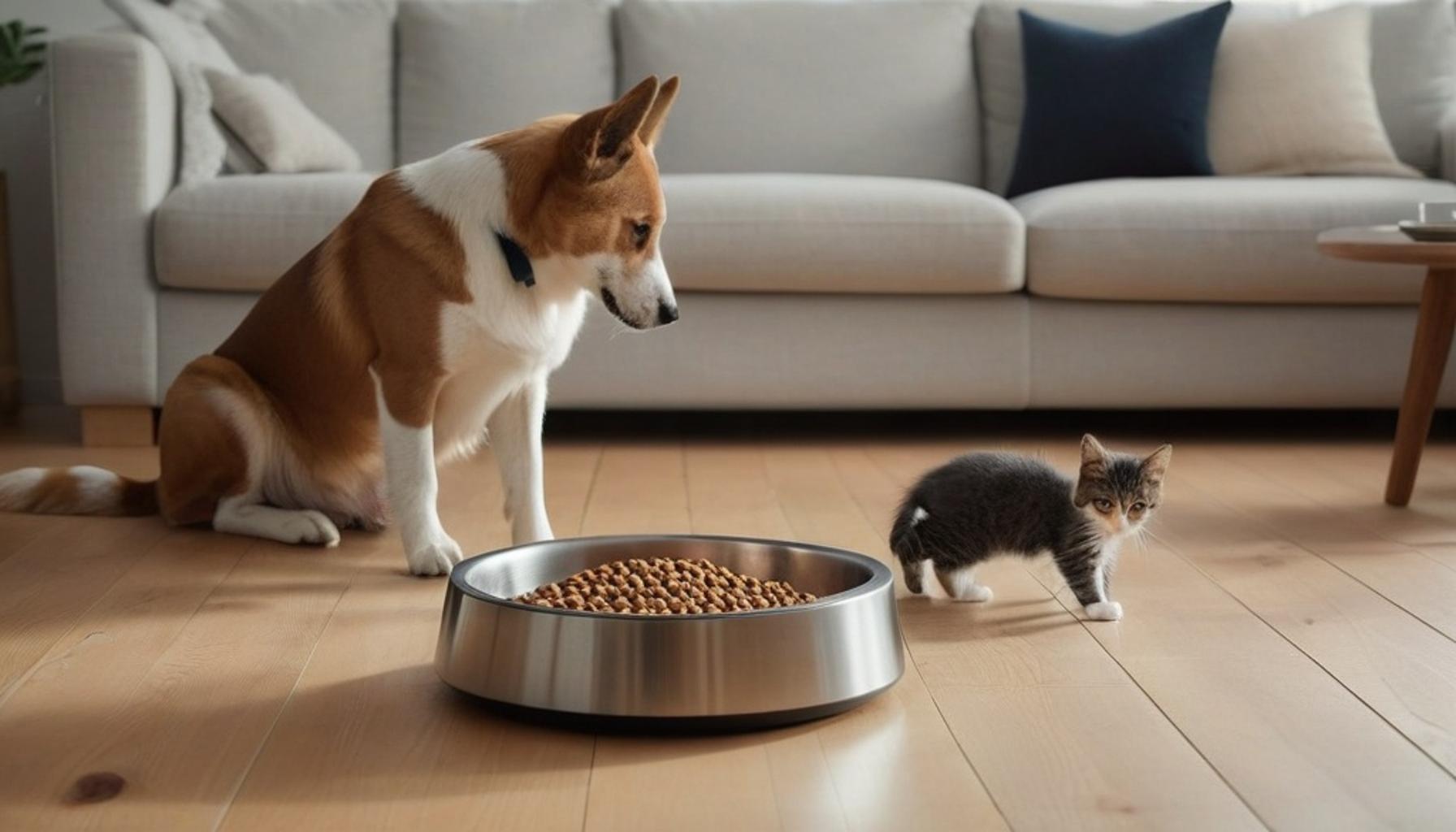
Why Structure Matters for Indoor Pets in Nigerian Homes
Lagos apartments, Abuja compounds, and Port Harcourt bungalows share one growing trend: more Nigerians are keeping dogs and cats strictly indoors. This shift brings comfort and safety, but it also demands intentional planning. Without structure, indoor pets can develop anxiety, obesity, or destructive habits.
This pattern reflects a broader lifestyle change sweeping across Nigerian cities. As urban living spaces shrink and security concerns rise, families are choosing to keep their animals within compound walls or apartment doors rather than allowing them to roam freely outside. The reasoning makes sense—fewer risks from traffic, theft, or contact with stray animals carrying disease. Yet this same confinement, when handled without proper planning, can quietly harm the very pets it aims to protect.
Feeding Routines for Dogs and Cats sit at the heart of this challenge. A predictable schedule does more than fill a bowl—it shapes digestion, energy levels, and even litter box or potty habits. Nigerian pet owners juggling generator schedules, work commutes through Lagos traffic, or unpredictable power supply often struggle to maintain consistency, yet consistency is exactly what indoor animals need most.
What This Guide Will Cover
Indoor pet care tips go beyond food. They involve creating an environment where animals feel secure, stimulated, and disciplined without needing constant outdoor access. A dog confined to a two-bedroom flat in Ikeja faces different challenges than one roaming a spacious compound in Kaduna, and this guide accounts for those variations.
- Dog feeding schedule models suited to breed size and activity level
- Cat feeding routines that respect natural grazing instincts
- Behavioral guidance for pets facing confinement-related stress
- Practical steps for pet training indoors, from crate work to litter habits
Consider this: veterinary studies suggest dogs fed at consistent times daily show fewer signs of separation anxiety than those fed irregularly. Cats, meanwhile, often thrive on multiple smaller meals rather than one large serving. These findings carry particular weight for Nigerian households where owners frequently leave pets alone for extended work hours.
What Readers Will Gain
This article unpacks practical, research-backed strategies tailored for Nigerian pet owners navigating smaller living spaces. Expect real feeding timelines, behavior-correction techniques, and tips for balancing discipline with affection. Whether you own a German Shepherd guarding an Abuja duplex or a British Shorthair lounging in a Lekki apartment, the principles apply across breeds and budgets.
By the end, you will have a clear framework for building routines that keep both dogs and cats calm, healthy, and well-adjusted indoors, transforming confined spaces into environments where pets genuinely thrive rather than merely survive.
CHECK OUT: Click here to explore more
Building a Dog Feeding Schedule That Fits Nigerian Households
Setting a reliable dog feeding schedule is one of the simplest ways to bring order to indoor pet life. Dogs are creatures of habit, and their digestive systems respond well to predictability. A German Shepherd in an Abuja duplex, for instance, thrives on two structured meals daily—one in the morning before the household rushes into traffic, and another in the early evening once the compound gates are locked for the night.
Puppies, however, need a different approach. Their smaller stomachs and higher energy demands mean three to four smaller meals spread across the day work better than two large ones. As they mature past six months, most Nigerian veterinarians recommend transitioning gradually to a twice-daily routine. This shift should not happen overnight, since abrupt changes in feeding frequency can trigger digestive upset, loose stools, or sudden pickiness at mealtime.
Breed size also plays a role in determining portion timing and quantity. Consider these general guidelines for indoor dogs:
- Small breeds (Lhasa Apso, Chihuahua): two small meals daily, spaced roughly 10-12 hours apart
- Medium breeds (Mixed local breeds, Beagles): two moderate meals, adjusted for activity level within the home
- Large breeds (German Shepherd, Rottweiler): two substantial meals, avoiding vigorous play immediately after eating to reduce bloat risk
Power outages complicate this picture significantly. Refrigerated wet food or fresh meat portions can spoil quickly without consistent electricity, pushing many households toward dry kibble as a more stable option. Dry food also simplifies portion control, an important factor since obesity remains common among indoor dogs that get limited exercise within apartment walls. In cities like Lagos and Port Harcourt, where generator fuel costs add another layer of unpredictability, many owners find that kibble removes one more variable from an already demanding daily routine.
Why Timing Affects Behavior, Not Just Health
Feeding at scattered, unpredictable hours does more than disrupt digestion—it can quietly fuel anxiety. Dogs left guessing when their next meal arrives often develop restless pacing, excessive barking, or even food-guarding behaviors once mealtime finally comes. Some owners mistake these signs for stubbornness or poor training, when in reality the root cause is simply an inconsistent feeding rhythm that leaves the animal uncertain about what happens next.
This connects directly to broader behavioral guidance for pets confined indoors. A dog that knows breakfast arrives at 7am and dinner at 6pm typically settles faster into other daily routines, including potty breaks and rest periods. Structure breeds calm, particularly in smaller living spaces where dogs cannot burn off excess nervous energy through free roaming. Trainers across Nigeria increasingly point to feeding time as an overlooked anchor point around which an entire day can be organized.
Nigerian pet owners managing irregular work schedules can still maintain consistency by using timed feeders or enlisting house help to handle meals during work hours. The goal remains the same regardless of method: predictability that the animal can rely on, day after day, regardless of what chaos unfolds outside the compound walls. Even small adjustments, like feeding at the same spot in the kitchen or using a familiar bowl, reinforce the sense of routine that dogs quietly depend on for emotional stability.

Key Aspects of Feeding Routines for Dogs and Cats Indoors
Establishing consistent Feeding Routines for Dogs and Cats is one of the most effective ways to reduce anxiety and promote healthy digestion in indoor pets. Combining structured meal times with Behavioral guidance for pets creates a predictable environment that both dogs and cats thrive in. Below is a breakdown of essential elements every pet owner should consider when designing a daily routine.
| Category | Key Details |
|---|---|
| Dog Feeding Schedule | Two fixed meals daily reduce begging and support stable blood sugar levels. |
| Cat Feeding Routines | Smaller, frequent portions mimic natural hunting patterns and prevent overeating. |
| Pet Training Indoors | Reward-based cues during feeding reinforce obedience and reduce stress-driven behaviors. |
| Indoor Pet Care Tips | Designated feeding zones limit territorial disputes among multiple pets. |
Beyond scheduling, environmental enrichment plays a crucial role. Puzzle feeders, for instance, can extend mealtime by up to 15 minutes, curbing boredom-related chewing or scratching. Pairing this with Behavioral guidance for pets during non-feeding hours helps reinforce calm indoor behavior throughout the day.
CHECK OUT: Click here to explore more
# Cat Feeding Routines and the Art of Indoor Behavioral TrainingCats present a different puzzle entirely. Unlike dogs, who often gulp down whatever appears in their bowl, cats are natural grazers with a biological preference for small, frequent meals throughout the day. This instinct traces back to their ancestry as solitary hunters who caught several small prey items rather than one large meal.Indoor cats in Nigerian apartments benefit from this understanding. Rather than serving two large portions like a dog owner might, many veterinarians in Lagos and Ibadan now recommend three to five smaller feedings spread across daylight hours. This approach mirrors natural hunting patterns and helps prevent the boredom-driven overeating that often plagues cats confined to small flats without access to outdoor exploration.
Establishing Structure Without Rigid Timing
Unlike dogs, cats do not always respond well to fixed clock-based schedules. Instead, many thrive on a semi-flexible routine anchored around specific daily events—feeding right after the household wakes up, again after work hours, and a final small portion before bedtime.
This pattern works particularly well in Nigerian homes where domestic staff or family members rotate through the house at different times. As long as the sequence of events stays consistent, cats adjust remarkably well even without perfectly identical clock times each day.
Consider these practical approaches for maintaining cat feeding routines indoors:
- Puzzle feeders: slow down eating pace while providing mental stimulation during idle daytime hours
- Multiple small stations: placed in different rooms to encourage movement and reduce territorial tension between multiple cats
- Consistent portion measuring: using a standard cup or scale rather than guessing, since indoor cats burn significantly fewer calories than their outdoor counterparts
Correcting Unwanted Behavior Through Routine Reinforcement
Behavioral guidance for pets extends well beyond mealtime discipline. Excessive scratching, nighttime yowling, and litter box avoidance often trace back to disrupted routines rather than defiance. A cat that receives attention and food at unpredictable intervals may resort to vocal demands or destructive scratching simply to regain a sense of control over its environment.
Nigerian trainers increasingly recommend pairing feeding time with brief structured play sessions, particularly for cats confined entirely indoors without balcony or compound access. Ten minutes of interactive play using a feather wand before mealtime mimics the natural hunt-then-eat sequence, satisfying instinctual drives that otherwise surface as unwanted behavior.
For dogs, similar principles apply during indoor pet training sessions. Short, consistent obedience drills conducted immediately before feeding reinforce the connection between good behavior and reward, strengthening the human-animal bond while simultaneously managing energy levels within compact living spaces common across Nigerian cities.
Bringing It All Together: Consistency as the Foundation of Indoor Pet Wellness
Establishing reliable Feeding Routines for Dogs and Cats is never just about mealtime. It shapes temperament, reduces anxiety, and determines how smoothly a dog or cat adapts to compact Nigerian living spaces without compound access or open-air exercise.
Throughout this discussion, one theme remains constant: predictability builds trust. Dogs benefit from fixed schedules that regulate digestion and energy expenditure, while cats thrive on flexible feeding patterns tied to household rhythms rather than the clock.
Both species, however, share a deeper need—structured interaction that satisfies instinct. Whether through short obedience drills before a dog’s dinner or a feather-wand session preceding a cat’s bowl, these rituals transform feeding from a mundane task into a behavioral training tool.
For pet owners across Lagos, Abuja, and Port Harcourt, applying these indoor pet care tips can significantly reduce common frustrations: destructive scratching, excessive barking, litter box avoidance, and nighttime restlessness.
Consider these final takeaways for sustainable routines:
- Dog feeding schedule consistency reduces begging and digestive upset in confined apartments
- Cat feeding routines built around daily events, not rigid hours, ease multi-pet household tension
- Behavioral guidance for pets works best when paired directly with feeding and play cues
As more Nigerian households adopt indoor-only pet lifestyles, the demand for structured pet training indoors will only grow. Owners who invest early in these habits often discover calmer animals, fewer behavioral surprises, and a noticeably stronger bond between pet and household.
Ultimately, the routine matters less than the consistency behind it. Whether raising a Rottweiler in Lekki or a rescued kitten in Enugu, structure remains the quiet architecture supporting a well-adjusted indoor companion.
Frequently Asked Questions
How many times a day should I feed my indoor dog or cat in Nigeria’s hot climate?
Most adult dogs and cats do well with two measured meals a day, ideally in the early morning and evening when Nigeria’s heat is less intense. Puppies and kittens need three to four smaller meals daily to support growth. Sticking to consistent times helps regulate digestion and prevents overeating in warm, humid conditions.
What local Nigerian foods are safe to include in a feeding routine for dogs and cats?
Cooked rice, boiled chicken, fish like titus or mackerel without bones, and plain boiled eggs are safe additions to a balanced diet. Avoid heavily spiced, oily, or pepper-soup style meals since Nigerian seasoning can upset a pet’s stomach. Always introduce new foods gradually alongside their regular commercial feed to prevent digestive issues.
How can I stop my indoor dog or cat from begging or stealing food during meal times?
Establish a designated feeding spot away from the family dining area and use consistent commands like sit or wait before placing the bowl down. Never reward begging with table scraps, as this reinforces the behavior over time. Crate or room separation during human meals can also help break the habit within a few weeks.
What is the best way to transition my dog or cat to a fixed feeding schedule if they’re used to free feeding?
Gradually reduce the time the food bowl stays out, moving from all-day access to two or three defined windows of 20 to 30 minutes. Remove uneaten food after each session so your pet learns meals aren’t always available, which encourages them to eat during scheduled times. Expect some resistance in the first week, but most pets adjust within seven to ten days.
How does establishing a feeding routine help with behavioral guidance for indoor pets in Nigerian homes?
A predictable feeding schedule reduces anxiety-driven behaviors like excessive barking, meowing, or destructive scratching common in confined indoor spaces. It also creates natural opportunities to reinforce obedience training, since mealtime can double as a reward for commands like sit or stay. Consistency in feeding times, paired with clear house rules, builds trust and reduces stress-related accidents indoors.

Linda Carter
Linda Carter is a writer and pet care expert specializing in pet health, grooming, and wellness. With extensive experience helping pet owners create safe, loving, and enriching environments for their animals, Linda shares her knowledge on our platform. Her goal is to empower readers with practical advice and strategies to ensure their pets thrive and lead joyful, healthy lives.