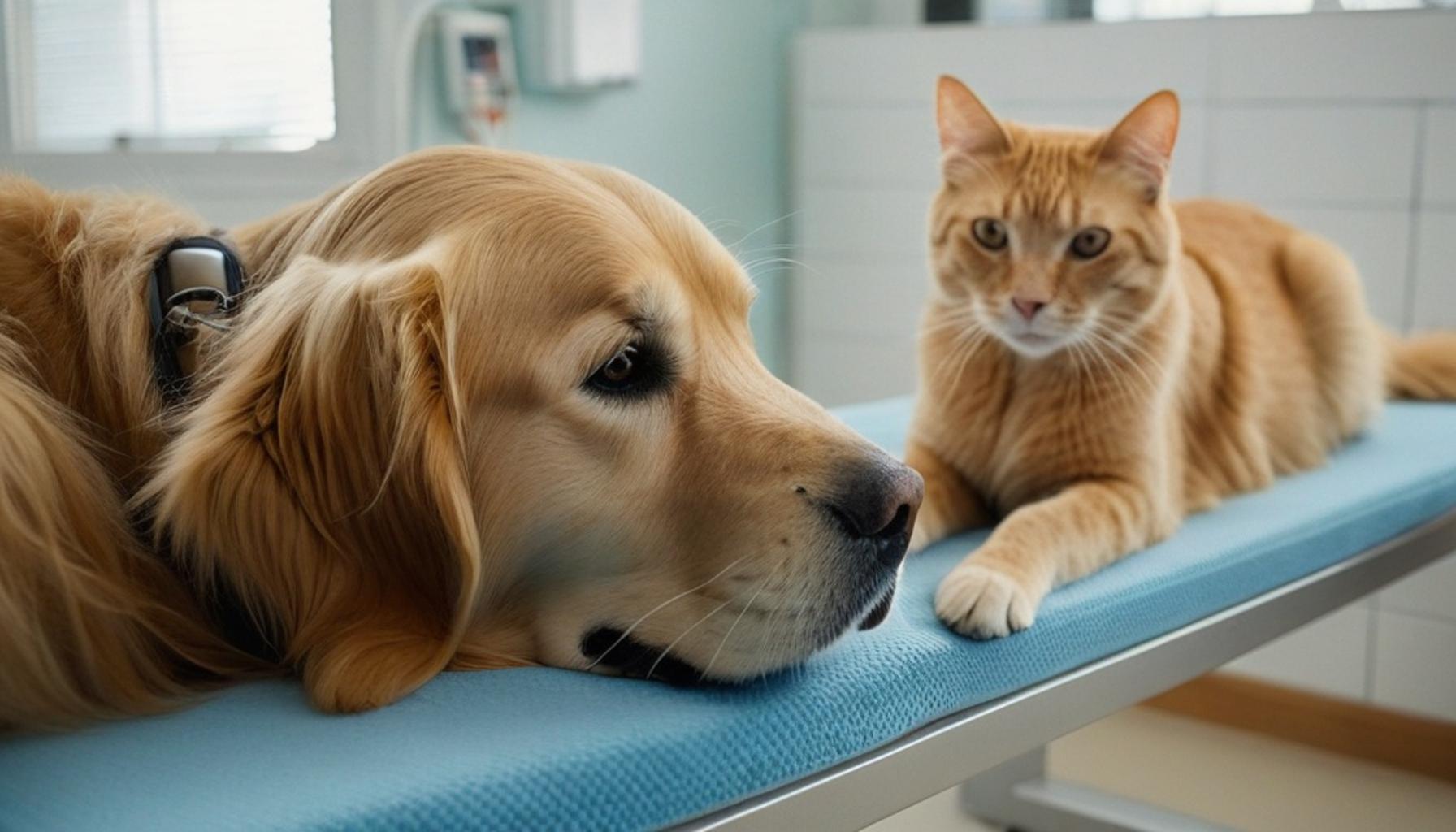
Health Monitoring as a Tool to Improve Dog and Cat Behavior
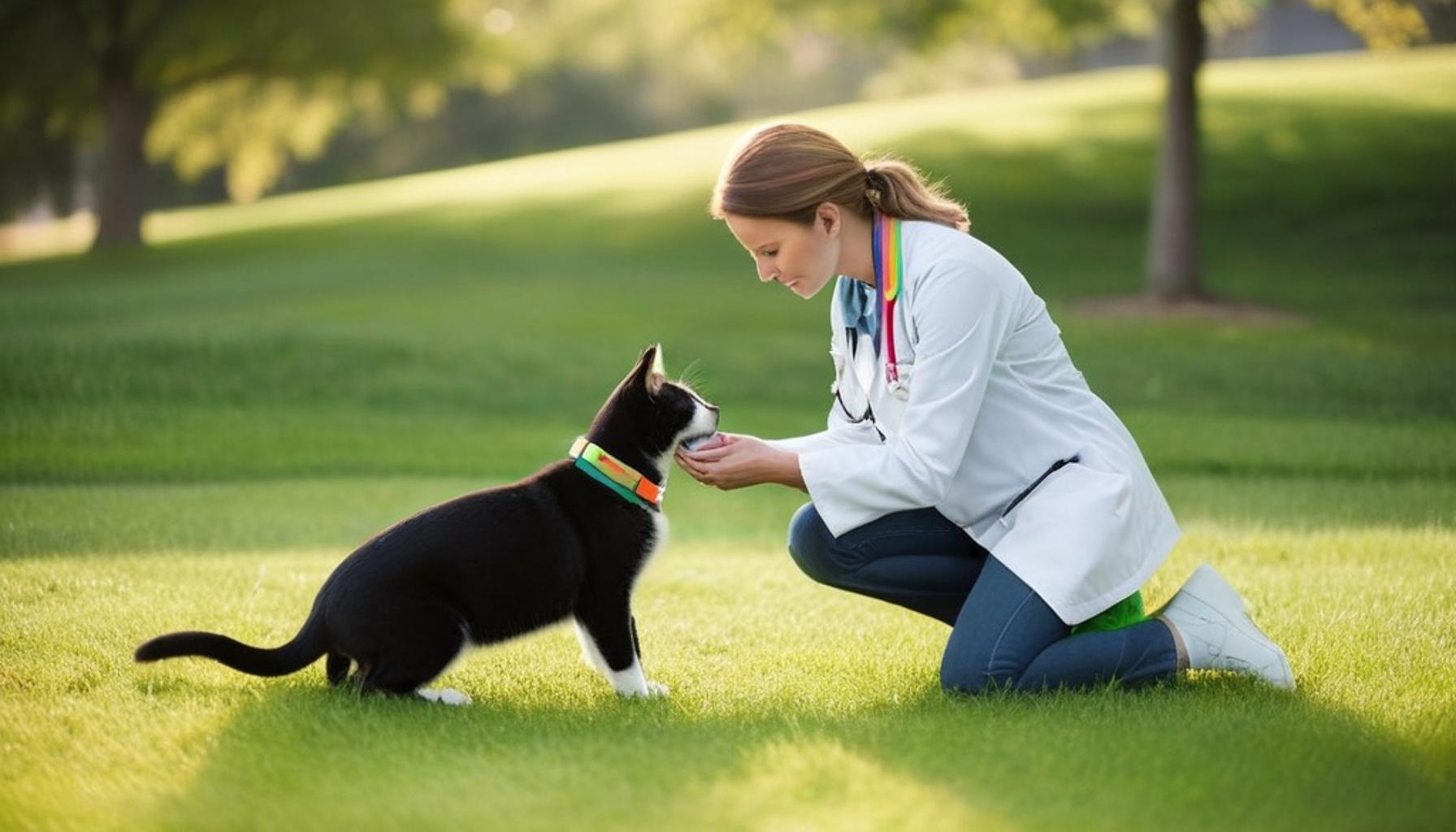
Why Your Pet’s Health Holds the Key to Better Behavior
A sudden growl, an unexplained scratching habit, or a cat that suddenly avoids its litter box—these are not just quirks. They are often signals your pet’s body sends before behavior changes, and Nigerian pet owners are increasingly discovering this connection.
From bustling Lagos apartments to quieter compounds in Ibadan, more households are welcoming dogs and cats as family members. Yet few realize that health monitoring for pets could be the missing piece in solving frustrating behavioral puzzles. In cities like Abuja and Port Harcourt, veterinary clinics are reporting a steady rise in visits where owners initially believed their pet had simply become “stubborn” or “moody,” only to discover an underlying medical issue.
The Hidden Link Between Health and Behavior
Veterinary studies suggest that up to 80% of sudden behavior changes in dogs and cats stem from underlying physical discomfort. Pain, hormonal imbalances, or nutritional deficiencies often masquerade as “bad behavior.” This is especially relevant in Nigeria, where extreme heat, seasonal changes, and varying diet quality can silently affect a pet’s internal balance.
Consider these common examples:
- A dog that suddenly snaps may be suffering from joint pain
- A cat that stops grooming could have dental disease
- Excessive barking might signal anxiety linked to thyroid issues
- Aggression in older pets often points to arthritis or vision loss
Local pet owners often mistake these signs for stubbornness, disobedience, or even “juju,” when in reality, the explanation lies in biology rather than superstition. Recognizing this shift in understanding is crucial to raising healthier, calmer pets across Nigerian households.
Tracking Wellness for Smarter Pet Parenting
This is where monitoring cat health and canine wellness routines become game-changers. Modern pet health tracking tools—from simple observation checklists to wearable devices—help owners catch problems early, often before symptoms become severe or costly to treat.
Many Nigerian pet owners are now embracing basic wellness habits: tracking appetite changes, monitoring water intake during hot seasons, and noting shifts in sleep patterns. These small observations often reveal big clues about a pet’s overall condition.
Understanding this link doesn’t just improve dog and cat wellness; it transforms how we approach pet behavior improvement altogether. The following sections explore practical ways to monitor your pet’s health and, in turn, nurture calmer, happier companions—an investment that benefits both the animal and the family that loves it.
SEE ALSO: Creating a Clean Environment: The Relationship Between Hygiene and Pet Behavior
Reading the Warning Signs: What Your Pet’s Body Is Trying to Tell You
Before a dog bites or a cat starts urinating outside its litter box, there is usually a quieter phase that owners overlook. This is the stage where health monitoring for pets becomes most valuable—catching subtle shifts before they escalate into full-blown behavioral crises.
Veterinarians across Lagos and Enugu often describe a familiar pattern: a pet owner arrives convinced their animal has “changed personality,” only to learn that a treatable condition has been driving the change for weeks or even months. By the time behavior becomes disruptive, the underlying issue has often progressed significantly.
Everyday Signs Nigerian Pet Owners Often Miss
Because many households are only beginning to adopt structured wellness routines, certain red flags slip through unnoticed. Understanding these signs is the first step toward genuine pet behavior improvement.
- Increased hiding or withdrawal, often mistaken for a cat being “moody”
- Sudden reluctance to climb stairs or jump, frequently dismissed as laziness
- Excessive licking of paws, which may indicate allergies rather than habit
- Changes in vocalization, such as a normally quiet dog barking persistently at night
- Loss of interest in play, sometimes wrongly attributed to “growing older and lazier”
Each of these behaviors carries a potential medical explanation. A dog avoiding stairs may have early-stage hip dysplasia. A cat hiding excessively could be experiencing pain from a urinary tract infection—a condition that, left unaddressed, can become life-threatening within days.
Why Nigeria’s Climate and Lifestyle Make Monitoring Essential
Nigeria’s tropical climate adds another layer of complexity. Extreme heat in cities like Kano and Warri can trigger dehydration far faster than in temperate countries, leading to irritability, lethargy, or unusual aggression in pets that would otherwise be calm.
Additionally, inconsistent access to quality veterinary care in some regions means that many behavioral changes go undiagnosed for longer periods. This makes home-based pet health tracking not just useful, but necessary for proactive pet parenting.
Simple daily observations—checking how much water a dog drinks during Harmattan season, or noting how often a cat visits its litter box—can reveal patterns invisible to the untrained eye. Over time, these small data points build a clearer picture of an animal’s baseline health, making it easier to spot when something is truly wrong.
This proactive approach lays the foundation for stronger dog and cat wellness, moving pet care in Nigeria away from reactive fixes and toward informed, preventive attention that benefits both the animal and the household around it.

YOU MAY ALSO LIKE: Establishing Effective Feeding Routines to Improve the Behavior of Dogs and Cats
From Data to Behavior: How Tracking Health Transforms Temperament
Once a pet owner begins consistently observing physical health, something unexpected often happens: the animal’s behavior starts to improve, sometimes without any direct behavioral training at all. This connection is at the heart of effective health monitoring for pets, and it explains why veterinary behaviorists increasingly treat medical checkups as behavioral interventions in disguise.
A dog suffering from untreated ear infections, for instance, may snap when touched near the head—not out of aggression, but pain. Once the infection clears, the snapping typically disappears. This is a textbook example of how physical treatment leads directly to improve dog behavior outcomes.
Practical Tools Making a Difference in Nigerian Homes
Pet ownership in Nigeria is evolving rapidly, and with it, the tools available for tracking wellness. Owners in Abuja and Port Harcourt are increasingly using simple methods that do not require expensive technology.
- Keeping a written or phone-based log of feeding times, water intake, and bathroom habits
- Photographing a cat’s litter box output weekly to spot changes in color or consistency
- Using basic pet activity monitors, now more accessible through online marketplaces
- Scheduling recurring vet visits every three to six months, rather than only during emergencies
These habits form the backbone of reliable pet health tracking, turning vague impressions like “she seems off” into concrete, actionable information a veterinarian can use immediately.
The Ripple Effect on Multi-Pet Households
In many Nigerian homes, dogs and cats live alongside each other, and one animal’s declining health can disrupt the entire household’s harmony. A cat in pain may lash out at a resident dog, triggering conflict that has nothing to do with territorial instinct and everything to do with an undiagnosed dental issue or arthritis.
Monitoring each animal individually prevents these ripple effects. Owners who practice consistent monitoring cat health alongside their dog’s wellness routines often report calmer, more predictable interactions between pets that once seemed incompatible.
Research from animal behavior clinics abroad suggests that up to 20 percent of so-called “personality problems” in pets actually stem from undiagnosed pain. Applied to the Nigerian context, where formal diagnosis rates remain lower, this figure could be even higher, making structured observation an essential, low-cost first line of defense.
Ultimately, this approach reframes dog and cat wellness not as a luxury reserved for imported pets or wealthy households, but as an accessible daily practice, one rooted in attentiveness rather than expensive equipment.
Building a Culture of Attentive Pet Ownership
The evidence gathered throughout this discussion points to a single, practical truth: health monitoring for pets is not a specialized skill reserved for veterinarians alone. It is a daily habit any Nigerian household can adopt, whether raising a Caravan dog in Kaduna or a rescued cat in Lagos.
What began as simple observation, tracking meals, movement, and mood, reveals itself as one of the most underused tools for pet behavior improvement available today. Behavioral change rarely happens through discipline alone; it happens when discomfort is identified and removed.
A Shift in How We Define Good Pet Care
Nigerian pet owners are increasingly recognizing that a well-behaved animal is often simply a healthy one. This reframing matters because it shifts responsibility away from punishment-based training and toward proactive care.
- Consistent journaling replaces guesswork with pattern recognition
- Early detection of pain prevents behavioral issues before they solidify into habits
- Routine vet visits, even without symptoms, catch problems invisible to the untrained eye
- Shared monitoring across multi-pet households protects overall harmony at home
These practices cost little but demand consistency, a trade-off well worth making when the alternative is chronic misbehavior misread as stubbornness or aggression.
Looking Ahead
As awareness spreads, the future of dog and cat wellness in Nigeria will likely depend less on imported gadgets and more on informed observation. Pet owners who commit to monitoring cat health and canine wellness alike are not just preventing illness, they are actively shaping calmer, more trusting companions. The next step for curious owners is simple: start watching closely, recording consistently, and asking veterinarians better, more specific questions. That single shift in habit may prove more transformative than any training class.
Frequently Asked Questions
How can health monitoring for pets help reduce aggressive behavior in dogs kept for security in Nigerian homes?
Many guard dogs in Nigeria show aggression due to untreated pain, tick-borne diseases, or poor nutrition rather than temperament alone. Regular health monitoring for pets, including checking for ticks, fleas, and weight changes, helps identify these hidden triggers early. Once the underlying health issue is treated, most dogs become calmer and easier to manage.
What are simple signs at home that show my cat’s behavior change is linked to a health problem?
If your cat suddenly hides more, avoids the litter box, hisses when touched, or stops grooming itself, these are often signs of pain or illness rather than a bad attitude. Tracking these changes through basic health monitoring for pets, like noting appetite and litter box habits daily, helps you catch problems before they worsen. A vet visit is recommended if these signs last more than two days.
Can regular deworming and vaccination schedules actually improve a dog’s temperament in Nigeria’s climate?
Yes, Nigeria’s warm climate makes dogs prone to worm infestations and parasite-related illnesses that cause irritability, lethargy, and even food aggression. Sticking to a consistent deworming and vaccination schedule as part of health monitoring for pets reduces discomfort and restores normal, friendlier behavior. Pet owners often notice their dogs becoming more playful and responsive within weeks of treatment.
Do I need expensive equipment to start health monitoring for my dog or cat in Nigeria?
No, you can start with affordable basics like a weighing scale, a notebook to track eating and bathroom habits, and routine checks for skin, coat, and eye condition. Many local veterinary clinics and community animal health programs also offer low-cost check-ups and parasite screening. Consistent observation at home, combined with periodic vet visits, is often enough to catch behavior-related health issues early.

Linda Carter
Linda Carter is a writer and pet care expert specializing in pet health, grooming, and wellness. With extensive experience helping pet owners create safe, loving, and enriching environments for their animals, Linda shares her knowledge on our platform. Her goal is to empower readers with practical advice and strategies to ensure their pets thrive and lead joyful, healthy lives.