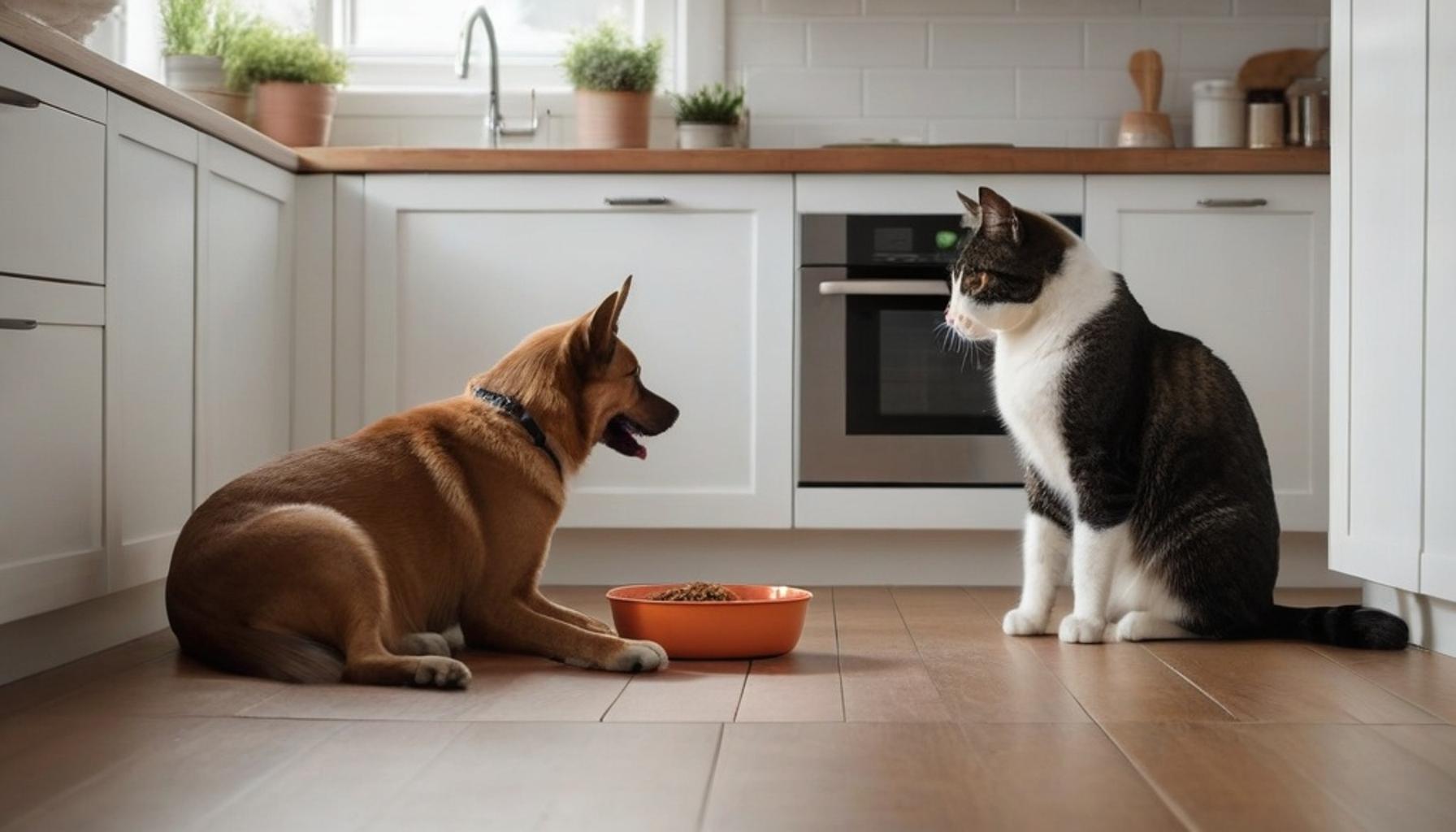
The Importance of Pet Hygiene in Feeding Routines and Health Monitoring
Why Clean Habits Matter for Every Nigerian Pet Owner
From bustling Lagos apartments to quiet compounds in Enugu, more Nigerian households are welcoming dogs, cats, and even rabbits into their families. This shift reflects a broader change in how Nigerians view pets—no longer just guard dogs tied outside, but companions living indoors, sharing space, and requiring the same level of care given to any family member. But with this growing trend comes a responsibility that many overlook: pet hygiene in feeding routines. A dirty feeding bowl or unchecked health sign can quickly turn into a costly vet bill, one that many households in cities like Port Harcourt or Ibadan may not be financially prepared for.
Bacteria like Salmonella and E. coli thrive in unwashed pet dishes, especially in Nigeria’s warm, humid climate, which creates the perfect breeding ground for microbial growth. Studies suggest that pet bowls can harbor more germs than a household toilet seat if not cleaned daily. Consider that alarming for a moment: the very dish feeding your beloved animal could be dirtier than surfaces you actively avoid touching. This makes pet hygiene tips essential knowledge, not optional advice, particularly for households juggling multiple pets or limited access to veterinary services.
What This Article Will Cover
- The connection between feeding routines for pets and long-term health, including how timing and consistency affect digestion
- Simple, affordable pet care best practices suited for Nigerian homes, using locally available materials and tools
- How health monitoring for pets can catch illnesses before they escalate into emergencies requiring expensive treatment
- The real importance of pet nutrition in preventing disease, especially given the varying quality of commercial pet food available in local markets
Many pet owners assume hygiene only means bathing their animals. In reality, it stretches far beyond that—covering feeding tools, storage of pet food, and even how leftovers are handled. Leaving wet food out in Nigeria’s heat, for instance, can attract flies and accelerate bacterial growth within hours, not days.
This piece uncovers practical, budget-friendly steps that every Nigerian pet owner can start using today, regardless of income level or location. From improvised cleaning solutions using household items to scheduling simple daily checks, the advice here requires no expensive equipment. Curious how a simple bowl-washing habit could add years to your pet’s life? Keep reading to discover the small changes making a big difference.
YOU MAY ALSO LIKE: Establishing Feeding and Hygiene Routines for Dogs and Cats in Indoor Environments
Building a Feeding Schedule That Protects Your Pet’s Health
Establishing consistent feeding routines for pets is one of the simplest yet most overlooked aspects of animal care in Nigerian households. Many pet owners feed their dogs or cats whenever convenient, often leaving food out for hours in tropical heat that can reach 35°C in cities like Kano or Warri. This inconsistency does more than disrupt digestion—it creates a breeding ground for bacteria that thrive in warm, moist environments.
Veterinary experts recommend feeding adult dogs twice daily and cats up to three times, depending on breed and age. Puppies and kittens require even more frequent, smaller meals to support healthy growth. Skipping this structure doesn’t just affect behavior; it can lead to digestive upset, irregular bowel movements, and in some cases, malnutrition that goes unnoticed until symptoms become severe.
Why Timing Affects More Than Just Hunger
A structured feeding routine supports the body’s natural digestive rhythm. When meals are irregular, pets may overeat when food finally appears, increasing the risk of bloating or vomiting. This is particularly common in larger dog breeds like Boerboels, which are increasingly popular across southern Nigeria for both companionship and security.
Pet hygiene in feeding routines becomes even more critical when routines are inconsistent. Leftover food sitting out for extended periods attracts houseflies and cockroaches, common pests in many Nigerian homes, especially during rainy season when insect activity peaks between April and October. Beyond pests, warm leftovers can quickly turn rancid, particularly wet or homemade meals containing fish, offal, or leftover stew—staples in many local pet diets across states like Ogun and Rivers.
Veterinarians across Lagos and Abuja have noted a rise in gastrointestinal complaints among household pets during the hotter months, a trend they often trace back to poor food storage rather than the ingredients themselves. This suggests that what pets eat matters less than how and when that food reaches their bowls.
Consider these practical steps to strengthen your pet’s feeding structure:
- Feed at the same times daily, ideally morning and evening, to regulate digestion and reduce begging behavior
- Remove uneaten wet food after 30 minutes to prevent bacterial growth in Nigeria’s humid climate
- Store dry kibble in airtight containers rather than leaving bags open, which invites weevils and moisture damage
- Wash feeding bowls with hot water and mild soap after every single meal, not just once a day
- Avoid feeding pets directly from the floor, especially in compounds shared with poultry or other animals, to reduce cross-contamination
These pet care best practices cost little beyond consistency and discipline. A basic plastic container with a tight lid, easily found in markets like Balogun in Lagos or Ariaria in Aba, can protect months’ worth of pet food from contamination for less than ₦2,000. Some pet owners have even adopted repurposed paint buckets with lids, a low-cost alternative that works just as effectively when properly cleaned.
For families managing multiple pets, staggering feeding times slightly can also prevent food aggression and ensure each animal eats at its own pace without competition. This small adjustment, though rarely discussed, often makes a noticeable difference in multi-pet households across Nigerian cities.
Ignoring these details doesn’t just risk hygiene—it undermines the entire purpose of feeding your pet well in the first place. A structured, hygienic feeding schedule is not a luxury reserved for veterinary clinics or pet boutiques; it is a practical, affordable standard that any Nigerian pet owner can adopt starting today.
Key Aspects of Pet Hygiene in Feeding Routines and Health Monitoring
Maintaining pet hygiene in feeding routines goes beyond washing bowls occasionally. Veterinarians report that unsanitary feeding stations can harbor bacteria like Salmonella and E. coli, which silently affect both pets and owners. Combining consistent pet hygiene tips with structured health monitoring for pets creates a foundation for long-term wellness. Below is a quick reference table summarizing critical elements every pet owner should track.
| Category | Key Benefit or Insight |
|---|---|
| Bowl Sanitation | Daily washing prevents bacterial buildup linked to digestive issues |
| Feeding Schedules | Consistent feeding routines for pets support metabolism and weight control |
| Water Freshness | Clean water reduces risk of urinary infections and dehydration |
| Health Monitoring | Tracking appetite changes reveals early signs of underlying illness |
| Nutrition Quality | Highlights the importance of pet nutrition in immune system strength |
These pet care best practices illustrate how small daily habits translate into measurable long-term health outcomes for animals under human care.
CHECK OUT: Exercise Planning and Its Influence on Pet Hygiene and Behavior
# Second Body Section
Spotting Early Warning Signs Through Daily Health Monitoring
Beyond feeding schedules, health monitoring for pets often separates a minor issue from a costly veterinary emergency. Many Nigerian pet owners only notice problems once symptoms become obvious—lethargy, refusal to eat, or visible weight loss. By then, conditions that could have been managed early often require expensive treatment or hospitalization. This delay is not born out of neglect but rather a lack of awareness about how subtle the earliest symptoms of illness can be.
Daily observation doesn’t require veterinary training. It requires attention. A pet’s eating habits, stool consistency, coat texture, and general energy levels offer constant, visible clues about internal health. Dogs kept outdoors in compounds across Enugu or Kaduna, for instance, are particularly vulnerable to tick and worm infestations that first manifest as subtle appetite changes before escalating into anemia or severe weight loss. In many cases, owners assume the pet is simply being picky, when in reality, an internal parasite load is quietly draining its strength.
What Your Pet’s Bowl and Body Language Reveal
Uneaten food left in the bowl for more than a day is rarely a behavioral quirk—it’s often the first sign of illness. Similarly, a cat suddenly drinking excessive water or a dog with persistently loose stool after meals should prompt closer attention rather than dismissal. These small shifts, though easy to overlook amid a busy household, often carry more diagnostic value than owners expect.
Pet hygiene in feeding routines plays a direct role here. Contaminated bowls, spoiled food, or inconsistent mealtimes can mimic symptoms of actual disease, making it harder for owners to distinguish between hygiene-related discomfort and genuine illness. This is why cleanliness and monitoring must work together, not separately. A pet reacting to a dirty bowl may display the exact same disinterest in food as one battling a genuine infection, which is precisely why ruling out simple causes first can save unnecessary stress and expense.
Consider tracking these indicators weekly:
- Appetite consistency—note any sudden increase, decrease, or refusal across consecutive meals
- Stool color, firmness, and frequency, which reflect digestive health more accurately than most owners realize
- Coat condition, since dull or thinning fur often signals nutritional deficiencies tied to poor feeding hygiene
- Water intake, particularly during Nigeria’s dry season when dehydration risks rise sharply between November and February
- Body weight, checked monthly using simple bathroom scales for smaller pets or visual rib-check methods for larger breeds
The importance of pet nutrition becomes clearer when paired with consistent observation. A balanced diet means little if contamination or irregular feeding undermines absorption, leaving pets malnourished despite adequate food volume. This paradox—well-fed yet undernourished—confuses many owners who assume that quantity alone guarantees good health.
Veterinary clinics in Port Harcourt and Ibadan report that early detection through simple home monitoring has reduced treatment costs for common conditions like gastrointestinal infections by significant margins, since owners arrive before conditions worsen. Some clinics have even begun encouraging clients to bring basic logs of their pet’s eating and bathroom habits to consultations, speeding up diagnosis considerably.
Keeping a basic notebook or phone note logging feeding times, stool observations, and unusual behavior costs nothing but a few minutes daily. This habit, though simple, often proves more valuable than expensive supplements or reactive veterinary visits, giving Nigerian pet owners a practical, low-cost tool for long-term animal wellbeing. Over time, these small daily notes build a pattern that can alert an owner to trouble long before a crisis emerges.
Bringing It All Together: A Culture of Consistent Care
Across compounds in Lagos, Abuja, and smaller towns alike, the wellbeing of a pet often comes down to habits that seem too small to matter—until they do. Pet hygiene in feeding routines and daily health monitoring are not separate chores but two halves of the same responsibility. One protects a pet from preventable contamination; the other catches trouble before it becomes a crisis.
What emerges from examining both is a simple truth: prevention costs far less than treatment. A clean bowl, fresh water, and a fixed feeding schedule may seem unremarkable, yet they form the foundation upon which every other aspect of animal wellness rests. Without that foundation, even the best intentions around nutrition or veterinary care can fall short.
Practical Steps Nigerian Pet Owners Can Start Today
Adopting pet care best practices does not require expensive equipment or veterinary expertise. It requires consistency. Owners can begin with small, deliberate actions:
- Wash feeding bowls daily, not just when visibly dirty
- Maintain fixed feeding routines for pets to support predictable digestion and easier symptom detection
- Keep a simple log tracking appetite, stool, and energy levels
- Watch for seasonal risks, particularly dehydration during Nigeria’s dry months
- Treat unusual eating behavior as information, not inconvenience
These pet hygiene tips work best when practiced together rather than in isolation, since hygiene lapses can easily mimic illness and cause unnecessary alarm or, worse, missed diagnoses.
Ultimately, the importance of pet nutrition and cleanliness cannot be separated from ongoing observation. A well-fed pet monitored closely is far better protected than one fed generously but neglected in daily checks. As more Nigerian households welcome pets into their families, building this dual habit—clean feeding paired with attentive monitoring—may prove one of the most affordable, effective investments in long-term animal health available today.
Frequently Asked Questions
Why is pet hygiene in feeding routines especially important in Nigeria’s hot and humid climate?
Nigeria’s warm weather speeds up bacterial growth in leftover food and dirty bowls, increasing the risk of stomach upsets and infections in pets. Washing feeding bowls daily and discarding uneaten wet food within a few hours helps prevent contamination. This is particularly critical for households without constant refrigeration access.
How often should I clean my dog or cat’s feeding bowls to maintain proper pet hygiene?
Feeding and water bowls should be washed with soap and hot water at least once daily, ideally after every meal for wet food. Bacteria like Salmonella and E. coli can build up quickly on food residue, so a consistent cleaning routine protects both your pet and your family. Using separate bowls for food and water also helps maintain better hygiene.
Can poor feeding hygiene affect my pet’s health monitoring and early disease detection?
Yes, dirty feeding areas can mask early signs of illness, such as changes in appetite or vomiting caused by contaminated food rather than an underlying disease. Maintaining clean feeding routines allows you to accurately observe genuine changes in your pet’s eating habits and stool consistency. This makes it easier to spot real health issues early and seek veterinary care in Lagos, Abuja, or other Nigerian cities promptly.
What affordable hygiene practices can Nigerian pet owners adopt during feeding time?
Simple practices like using clean water sachets or boiled water for drinking bowls, storing pet food in sealed containers to avoid pests, and washing hands before and after feeding are cost-effective and highly effective. Locally available dish soap and hot water are sufficient for cleaning bowls without needing expensive products. Regularly checking for ants, cockroaches, or rodents near feeding areas also supports better pet hygiene in feeding routines.

Linda Carter
Linda Carter is a writer and pet care expert specializing in pet health, grooming, and wellness. With extensive experience helping pet owners create safe, loving, and enriching environments for their animals, Linda shares her knowledge on our platform. Her goal is to empower readers with practical advice and strategies to ensure their pets thrive and lead joyful, healthy lives.