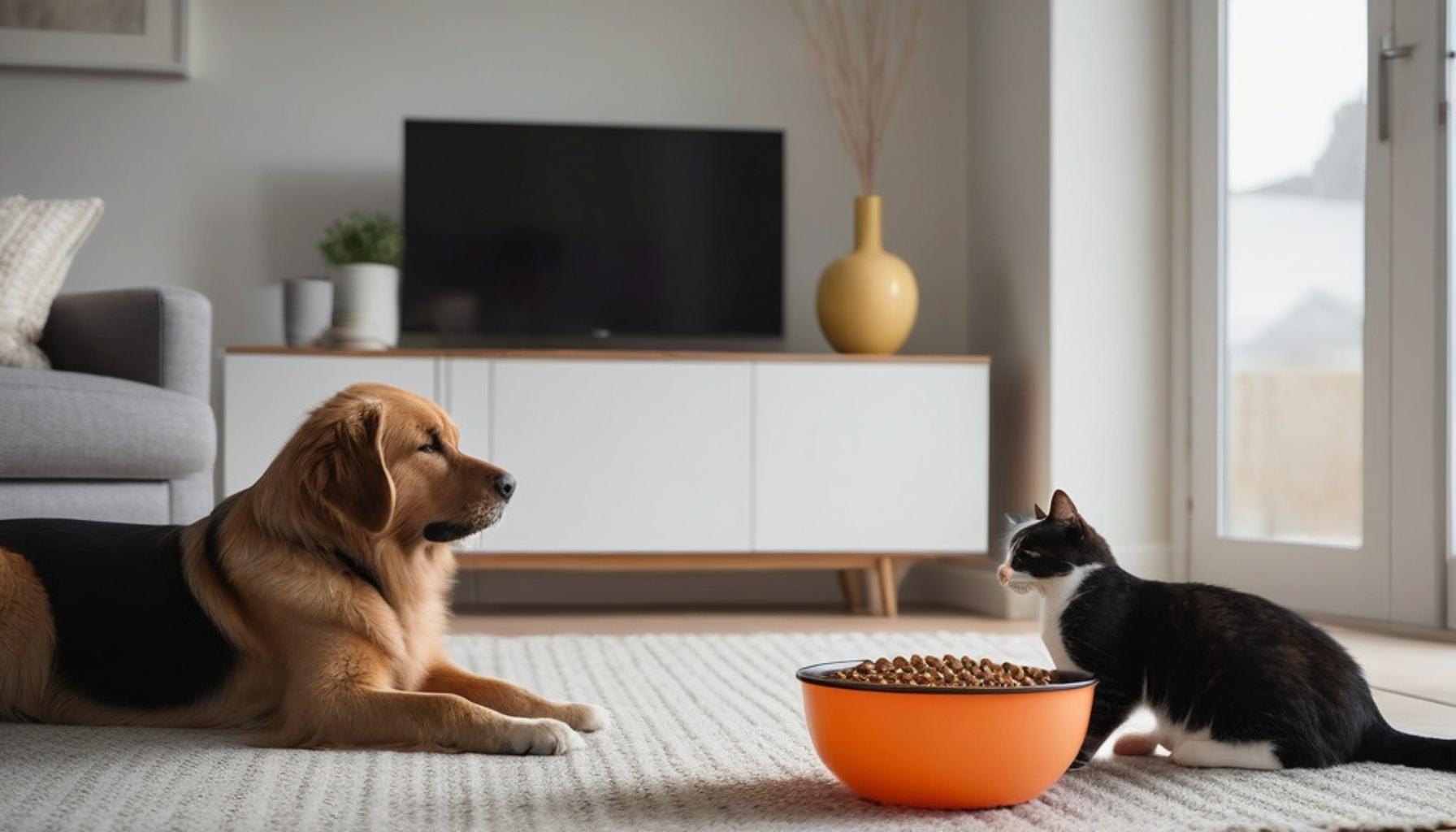
Behavioral Guidelines for Effective Monitoring of Pet Health in Indoor Environments

Understanding Your Pet’s Silent Signals
From the busy streets of Lagos to the quiet estates of Abuja, more Nigerian households are welcoming dogs and cats into their indoor spaces. This shift mirrors a broader lifestyle change as urban families seek companionship within secure compounds and high-rise apartments. But apartment living comes with a hidden challenge: pets can’t always tell us when something’s wrong. This is where pet health monitoring guidelines become essential for every indoor pet owner.
Animals are masters of disguise when it comes to discomfort. A cat hiding under the sofa or a dog eating less than usual might seem trivial, but these could be early warning signs of illness. In many cases, by the time symptoms become obvious, an underlying condition has already progressed significantly, making treatment more complicated and expensive.
Why Indoor Environments Demand Special Attention
Unlike pets that roam freely outdoors, indoor animals face unique health risks tied to limited space and activity. Reduced exposure to natural sunlight, restricted movement, and closer proximity to household chemicals or foods can all contribute to health complications that outdoor pets rarely encounter. Indoor pet health management requires owners to become fluent in reading subtle behavioral cues daily.
Consider these common indicators that often go unnoticed:
- Changes in sleeping patterns or excessive lethargy
- Reduced appetite lasting more than 24 hours
- Unusual vocalizations or withdrawal from family interaction
- Repetitive scratching, licking, or grooming in one area
- Sudden weight fluctuations noticeable within weeks
- Changes in litter box or toilet habits, including frequency or consistency
These signs, though minor on the surface, often reveal deeper issues requiring attention. A dog that suddenly refuses its favorite treat, or a cat that stops using its scratching post, is communicating in the only way it knows how.
Building a Practical Monitoring Routine
Effective monitoring pet health at home doesn’t require veterinary expertise, just consistency and awareness. Simple daily observations, tracked over time, can reveal patterns that even experienced pet owners might miss. Keeping a basic notebook or phone app to log feeding times, energy levels, and bathroom habits can transform vague worries into concrete evidence for a veterinarian.
This article explores practical effective pet care strategies tailored for Nigerian homes, covering everything from behavioral red flags to establishing routines that protect your furry companion’s wellbeing. Given that access to emergency veterinary care can be limited in certain regions, prevention through observation becomes even more critical. These indoor pet health tips will empower you to catch problems early, before they escalate into costly emergencies that strain both your pet’s health and your household budget.
RECOMMENDED: Implementing Effective Health Monitoring Through Feeding Routines and Exercise Planning for Indoor Pets
# Decoding Behavior: The Foundation of Proactive Pet Care
Every pet owner in Nigeria, whether in Port Harcourt’s humid neighborhoods or Kano’s dry climate, faces the same fundamental challenge: pets cannot verbally express pain or discomfort. This reality makes pet health behavior guidelines not just useful but genuinely necessary for anyone sharing an indoor space with an animal companion.
Veterinary research suggests that behavioral changes typically precede visible physical symptoms by several days, sometimes weeks. A dog that becomes unusually clingy or a cat that suddenly avoids its favorite window perch is often signaling distress long before any physical marker becomes obvious. This gap between behavioral onset and physical confirmation represents a critical window that attentive owners can use to their advantage, potentially saving significant veterinary costs and, more importantly, sparing their pets unnecessary suffering.
The Science Behind Behavioral Cues
Animals evolved to hide vulnerability. In the wild, showing weakness invites predators. This survival instinct remains hardwired even in the friendliest household pet, which explains why monitoring pet health at home requires deliberate attention rather than passive observation. A cat lounging on a Lagos balcony might appear perfectly content while masking early signs of kidney distress, a condition notoriously subtle in its initial presentation.
Understanding baseline behavior becomes the first step toward effective tracking. Every pet has a personality-driven normal, and deviations from that normal carry significance. An owner who spends just ten minutes daily observing their pet’s routine builds an invaluable mental database, one that makes anomalies instantly recognizable rather than easily dismissed as mood swings.
Key behavioral categories worth tracking include:
- Activity levels during typical play or exercise periods
- Social engagement with family members versus isolation tendencies
- Response to familiar stimuli like doorbells, feeding time, or favorite toys
- Sleep-wake cycles and unusual restlessness at night
- Vocal patterns, including excessive meowing, barking, or unusual silence
- Appetite fluctuations that persist beyond a single meal
- Grooming habits, particularly sudden neglect or obsessive over-grooming
These categories form the backbone of indoor pet health management, allowing owners to spot irregularities before they escalate. Notably, appetite and grooming shifts often arrive alongside other signals, creating a pattern rather than an isolated incident, which strengthens the case for concern and prompts timely action.
Environmental Factors That Shape Behavior
Nigerian homes present distinct environmental variables that influence pet behavior. Generator noise, frequent power outages affecting fans or air conditioning, and varying humidity levels during rainy seasons can all trigger stress responses that mimic illness symptoms. A sudden generator startup in Enugu, for instance, might send a nervous dog scrambling under furniture, a reaction easily mistaken for pain rather than sound sensitivity.
Temperature sensitivity deserves particular attention. Indoor pets in poorly ventilated apartments may show heat stress through excessive panting or lethargy, conditions that owners sometimes mistake for general tiredness rather than genuine physiological distress. This is especially relevant during Nigeria’s hotter months, when indoor temperatures can climb uncomfortably high without adequate airflow.
Household routines also matter significantly. Pets thrive on predictability, and disruptions, such as irregular feeding schedules common during Lagos traffic delays, can manifest as anxiety-driven behaviors like excessive licking or destructive chewing. Even seemingly minor changes, such as a new househelp or rearranged furniture, can unsettle a pet accustomed to stability.
Recognizing these environmental triggers helps distinguish between behavioral responses to circumstance and genuine health concerns, a distinction that forms the core of effective pet care strategies applicable across diverse Nigerian household settings. Owners who learn to differentiate stress-induced quirks from illness-driven changes ultimately become better advocates for their pets’ long-term wellbeing, fostering a relationship built on observation rather than assumption.

Pet Health Monitoring Guidelines: Key Behavioral Indicators to Track Indoors
Establishing consistent pet health monitoring guidelines at home starts with recognizing subtle behavioral shifts before they escalate. Indoor environments limit natural instincts, making daily observation essential for early detection of illness or stress.
Below is a breakdown of critical categories every pet owner should track when monitoring pet health at home, along with the specific behaviors and benefits tied to each.
| Category | Key Behavioral Indicators |
|---|---|
| Appetite & Hydration | Sudden refusal to eat or excessive thirst signals metabolic or dental issues requiring quick action. |
| Sleep & Activity Cycles | Increased lethargy or restlessness often reflects pain, anxiety, or underlying disease progression. |
| Grooming Habits | Excessive licking or neglected coat care can indicate skin allergies or psychological distress. |
| Environmental Stress Signals | Hiding, pacing, or vocalizing highlights the value of indoor pet health management practices. |
| Vet Visit Triggers | Persistent behavioral changes beyond 48 hours support effective pet care strategies through timely veterinary consultation. |
These indoor pet health tips reveal how consistent observation transforms ordinary routines into powerful diagnostic tools, helping owners catch warning signs long before symptoms become severe.
ADDITIONAL INSIGHTS: Expand your understanding here
# Building a Practical Tracking System for Daily Observation
Translating awareness into action requires structure. Without a system, even the most attentive Nigerian pet owner can miss subtle patterns that emerge over days or weeks. This is where structured pet health monitoring guidelines transform vague concern into actionable data, giving owners a clear framework for spotting trouble early.
A simple journal, whether digital or handwritten, works remarkably well. Recording daily observations, such as food intake, water consumption, bathroom habits, and energy levels, creates a timeline that reveals trends invisible to memory alone. An owner in Abuja tracking their dog’s water intake might notice a gradual increase over ten days, a subtle sign of possible diabetes or kidney issues that would otherwise go unnoticed until symptoms became severe.
Consider the difference between a household that simply “feels” something is off and one that has actual records to reference. Memory is notoriously unreliable when it comes to gradual shifts. Was the dog eating this much two weeks ago? Did the cat always sleep this much during the day? Without documentation, these questions remain guesswork. With even basic notes, patterns that once seemed invisible become obvious within days.
Practical Tools for Consistent Monitoring
Several accessible methods make consistent tracking manageable, even for busy households juggling work and family demands:
- Smartphone note apps set with daily reminders for quick behavioral logging
- Weekly photo comparisons to track physical changes like weight or coat condition
- Feeding schedule charts posted visibly in kitchens for shared household accountability
- Simple checklists covering appetite, mood, mobility, and litter box or bathroom habits
- Voice memos capturing unusual sounds like coughing, wheezing, or altered vocalizations
These tools support indoor pet health tips that require minimal effort yet yield substantial insight. Consistency matters more than complexity here; a five-minute daily check performed reliably outperforms an elaborate system abandoned after a week. Many Nigerian households already juggle multiple responsibilities, from work commutes in Lagos traffic to managing extended family visits, so any tracking method must fit naturally into existing routines rather than becoming another burden.
Multi-person households benefit particularly from shared tracking systems. When several family members interact with a pet throughout the day, individual observations often go unshared. A child noticing the family cat skipping breakfast might not mention it, while a parent observing lethargy that evening might dismiss it as normal tiredness. Combined, these fragments could indicate genuine illness onset. A shared digital note or a chart pinned to the fridge allows everyone, from the house help to the youngest child, to contribute observations that might otherwise vanish into separate memories by nightfall.
Recognizing Red Flags That Demand Immediate Attention
While gradual changes warrant careful observation, certain behavioral shifts signal urgency. Sudden aggression in a previously calm pet, disorientation, seizures, or complete refusal to eat for over 24 hours should never be attributed to mood alone. These represent moments when monitoring pet health at home must give way to professional veterinary consultation without delay.
Nigerian veterinary clinics report that delayed responses to acute symptoms often worsen treatable conditions into emergencies. A dog experiencing bloating alongside restlessness, for example, could indicate gastric torsion, a life-threatening condition where hours matter significantly. Similarly, a cat straining repeatedly without producing urine may be facing a blocked urinary tract, a condition that can turn fatal within a day or two if ignored.
Owners practicing diligent effective pet care strategies learn to distinguish between behaviors requiring patient observation and those demanding same-day intervention. This discernment, built through consistent tracking, ultimately strengthens the broader framework of responsible, informed pet ownership across Nigerian households, turning anxious guesswork into confident, timely action whenever something seems amiss.
CHECK OUT: Click here to explore more
Bringing It All Together: A Culture of Watchful Care
Across Lagos apartments, Abuja compounds, and Port Harcourt bungalows, the same truth holds steady: pets cannot speak, but they constantly communicate. The households that thrive at catching illness early are not necessarily those with the most veterinary knowledge, but those committed to consistent, structured observation. This is the essence of sound pet health behavior guidelines applied daily rather than occasionally.
Throughout this discussion, one theme repeats itself: small, regular actions outperform occasional dramatic interventions. A five-minute daily check, a shared household journal, a quick photo comparison; these unglamorous habits form the backbone of genuine indoor pet health management. They replace panic with pattern recognition, and guesswork with documented evidence a veterinarian can actually use.
It is worth remembering that Nigerian households face unique pressures, from unpredictable power supply affecting food storage to dusty harmattan seasons that strain respiratory health. These realities make pet health monitoring guidelines not a luxury borrowed from foreign pet care culture, but a practical necessity shaped by local conditions.
Looking ahead, owners should treat monitoring as an evolving practice rather than a fixed checklist. As pets age, their needs shift, and yesterday’s baseline may not apply tomorrow. Periodic reassessment, perhaps every few months, keeps tracking systems relevant rather than stale.
Ultimately, the goal extends beyond avoiding emergencies. It is about building a relationship of attentiveness where monitoring pet health at home becomes second nature, much like checking a child’s temperature or mood after school. Combined with timely veterinary visits, these habits form the foundation of truly effective pet care strategies.
Pets thrive under watchful, informed care. For Nigerian pet owners willing to invest a few consistent minutes each day, the reward is a healthier, longer, and more comfortable life for the animals who depend entirely on human observation to speak on their behalf.

Linda Carter
Linda Carter is a writer and pet care expert specializing in pet health, grooming, and wellness. With extensive experience helping pet owners create safe, loving, and enriching environments for their animals, Linda shares her knowledge on our platform. Her goal is to empower readers with practical advice and strategies to ensure their pets thrive and lead joyful, healthy lives.