Implementing Effective Health Monitoring Through Feeding Routines and Exercise Planning for Indoor Pets
Why Indoor Pets Need a Smarter Wellness Approach
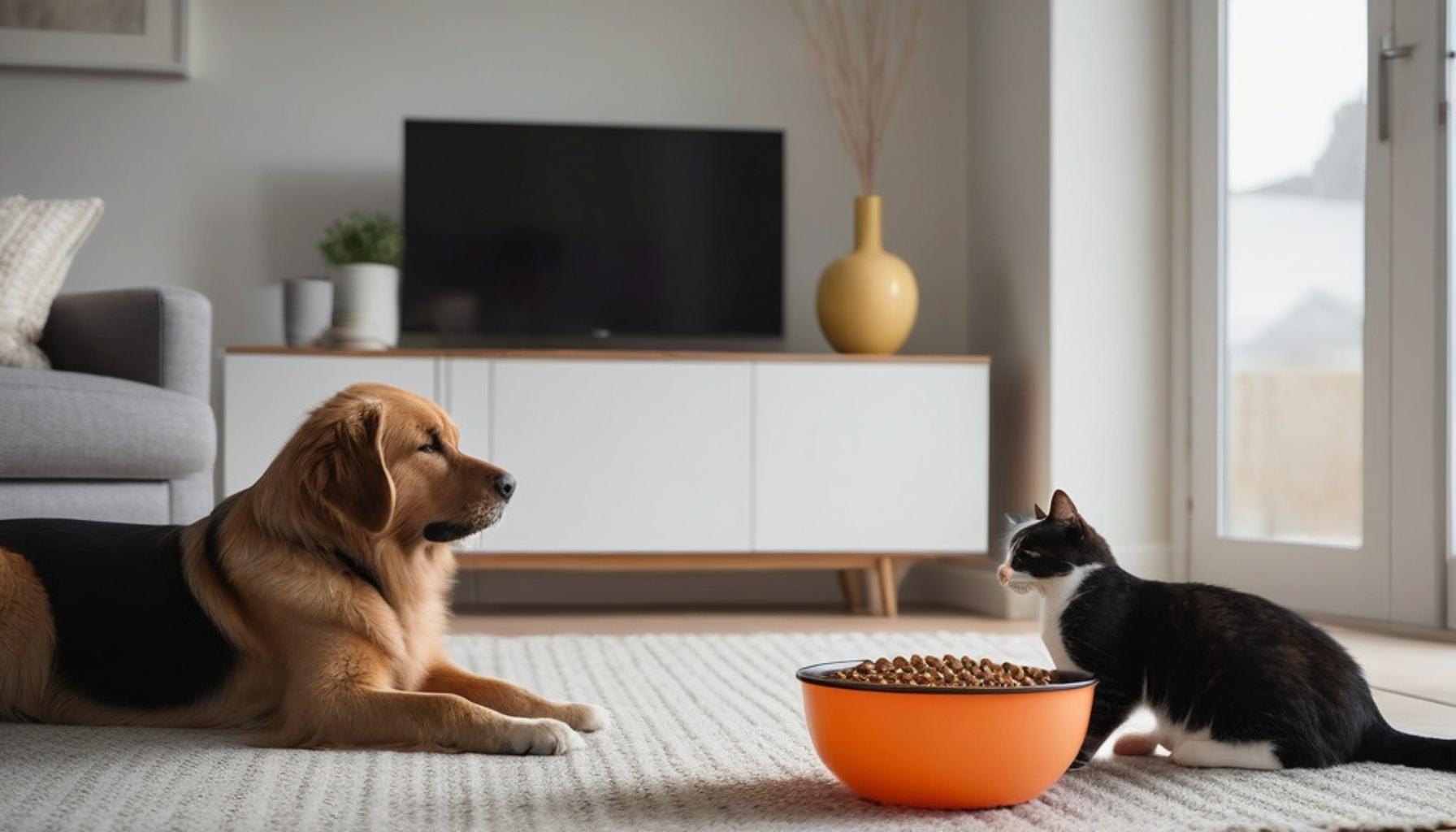
Lagos apartments, Abuja duplexes, and Port Harcourt flats now house more indoor cats and dogs than ever before. Nigerian pet owners are increasingly seeking practical Health Monitoring for Indoor Pets strategies as urban living limits outdoor access. Without deliberate planning, pets confined indoors face rising risks of obesity, boredom, and preventable illness.
Across major Nigerian cities, high-rise living and gated estates have quietly reshaped how pets experience daily life. A dog that once roamed a family compound in Enugu might now spend its entire day within a two-bedroom flat. This shift, while convenient for busy urban lifestyles, introduces health challenges that many owners never anticipated.
The Hidden Cost of Indoor Living
Studies suggest indoor pets can gain up to 30% more weight than pets with regular outdoor movement. Limited space often means limited activity, and limited activity quietly triggers long-term health problems.
- Reduced muscle tone from inactivity
- Irregular eating habits due to boredom
- Delayed detection of early illness signs
These issues rarely announce themselves immediately. That’s precisely why structured feeding routines for pets paired with consistent movement matter so much. Veterinarians across Nigeria have reported a noticeable rise in overweight cats and dogs brought in for routine checkups, many owners genuinely surprised by how gradually the weight accumulated.
Building a Foundation for Better Pet Care
Effective exercise planning for indoor pets doesn’t require a large compound or expensive equipment. Simple daily habits, tracked consistently, can transform a pet’s overall condition. Even climbing stairs within a duplex or engaging a cat with interactive toys for fifteen minutes can significantly improve muscle engagement and mental stimulation.
- Scheduled feeding times to regulate metabolism
- Short, structured indoor play sessions
- Weekly weight and behavior checks
This article breaks down actionable indoor pet health tips Nigerian pet owners can apply immediately. From monitoring pet health signs to designing a healthy diet for indoor pets, every section offers practical steps rather than vague advice, empowering owners to catch problems early and keep their companions thriving despite spatial limitations.
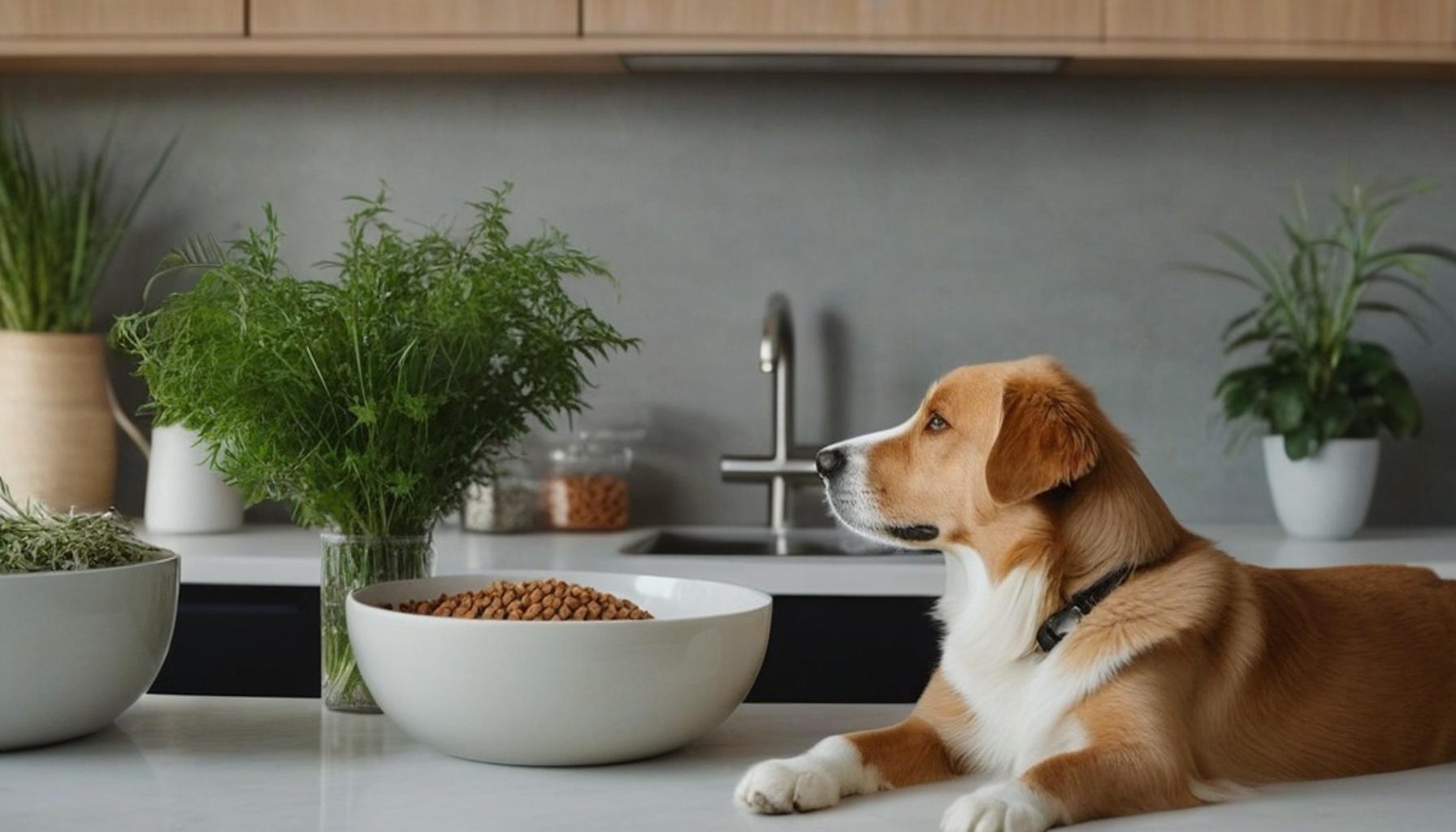
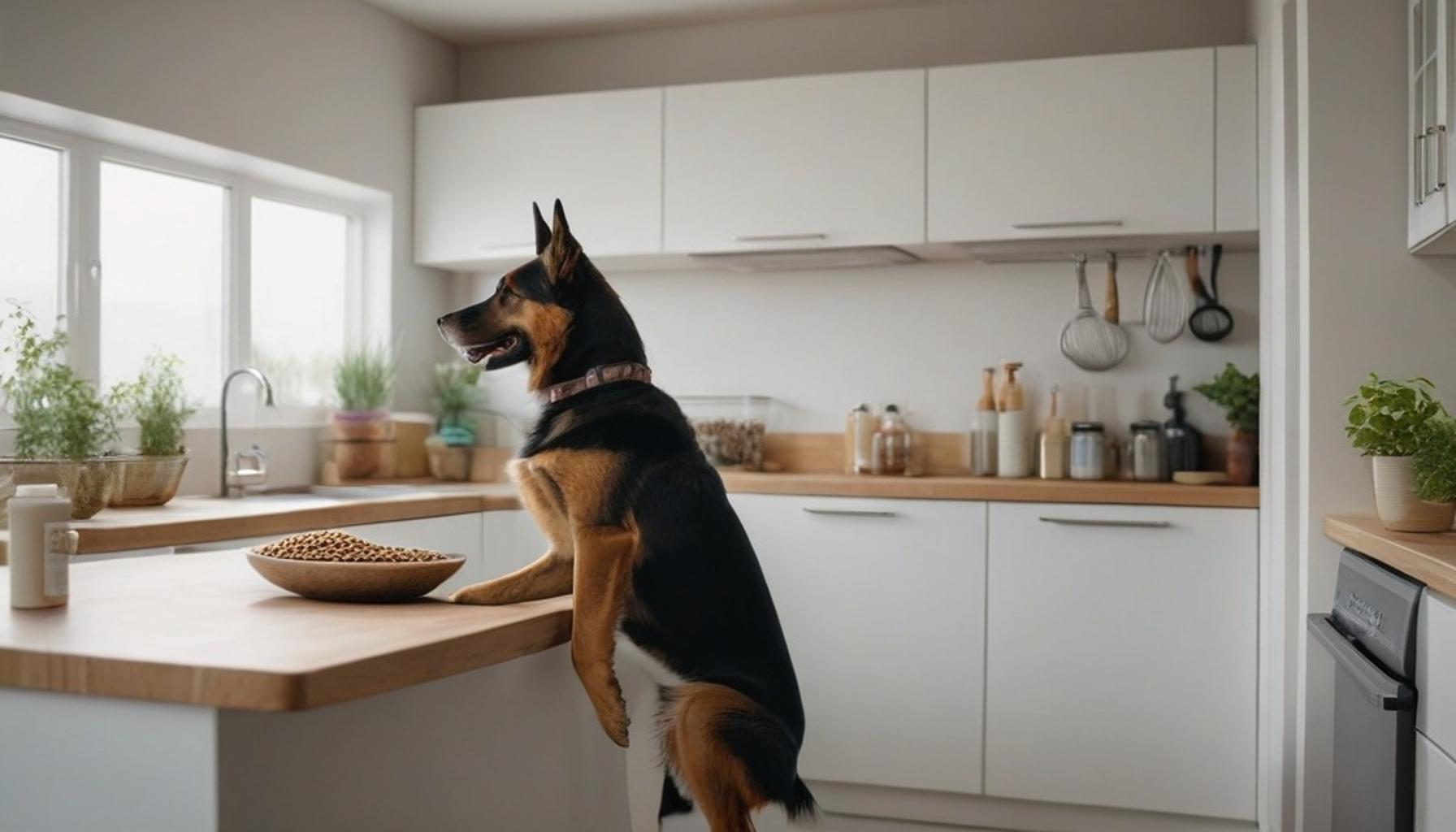
# Establishing a Reliable Feeding Schedule for Better Health OutcomesNigerian households often feed pets whenever convenient, leaving food bowls filled throughout the day. This casual approach, while common, undermines effective Health Monitoring for Indoor Pets and makes it nearly impossible to track appetite changes that often signal illness.A structured feeding schedule offers far more than convenience. It creates a predictable rhythm that owners can use to spot problems early, sometimes weeks before visible symptoms appear.
Why Timing Matters More Than Owners Realize
Veterinary clinics in Lagos and Ibadan frequently note that pets on feeding routines for pets recover faster from minor ailments simply because irregularities get caught sooner. When a dog skips its usual 7am meal, an attentive owner notices immediately rather than assuming reduced appetite is normal.
Consider these practical scheduling principles that work well within Nigerian home settings:
- Feed at the same two or three times daily, ideally matching household routines like breakfast and dinner
- Remove uneaten food after 20 to 30 minutes rather than leaving it out all day
- Measure portions using a standard cup rather than estimating by eye
- Record any skipped meals in a simple notebook or phone app
This consistency does something subtle but powerful. It transforms feeding time into a diagnostic checkpoint rather than just a chore.
Beyond illness detection, scheduled feeding also curbs unhealthy begging behaviors that develop when pets learn food appears sporadically throughout the day. Cats in particular, known for their opportunistic feeding instincts, quickly adapt to structured mealtimes once owners commit to consistency for at least two weeks. This adjustment period matters because abrupt changes to feeding patterns can cause temporary stress, so gradual transitions work better than sudden overhauls.
Interestingly, some Nigerian pet owners have started syncing feeding times with generator schedules or NEPA power restoration, using these fixed daily events as memory triggers. Whatever method works within a specific household, the underlying principle remains unchanged: predictability breeds observability.
Connecting Diet Quality to Long-Term Wellness
A healthy diet for indoor pets must account for reduced calorie burn compared to outdoor animals. Many commercial pet foods sold across Nigerian pet stores are formulated for active, outdoor lifestyles, meaning indoor cats and dogs may be consistently overfed without owners realizing it.
Nutritionists recommend adjusting portion sizes downward by roughly 10 to 15% for pets confined mostly indoors, then monitoring weight over four to six weeks to gauge results. This isn’t guesswork; it’s a measurable process.
Fresh water availability deserves equal attention. Indoor pets in warmer regions like Kano or Port Harcourt still require consistent hydration, particularly when ceiling fans or air conditioning units alter humidity levels within living spaces. Dehydration often masks itself as lethargy, another reason why disciplined monitoring pet health routines prove essential rather than optional for modern Nigerian households.
Owners should also pay attention to treat consumption, which often goes unrecorded yet contributes significantly to daily caloric intake. A few pieces of suya or leftover chicken skin, seemingly harmless, can quietly sabotage an otherwise well-managed diet plan. Establishing clear boundaries around treats, perhaps limiting them to training rewards rather than casual snacking, helps maintain the integrity of scheduled feeding efforts.
Ultimately, the combination of disciplined timing and thoughtful portioning creates a feedback loop. Owners become more attuned to their pets, veterinarians receive more accurate histories during consultations, and pets themselves benefit from stable digestive patterns. For Nigerian households increasingly investing in pet wellness, these small adjustments represent meaningful steps toward longer, healthier companionship.
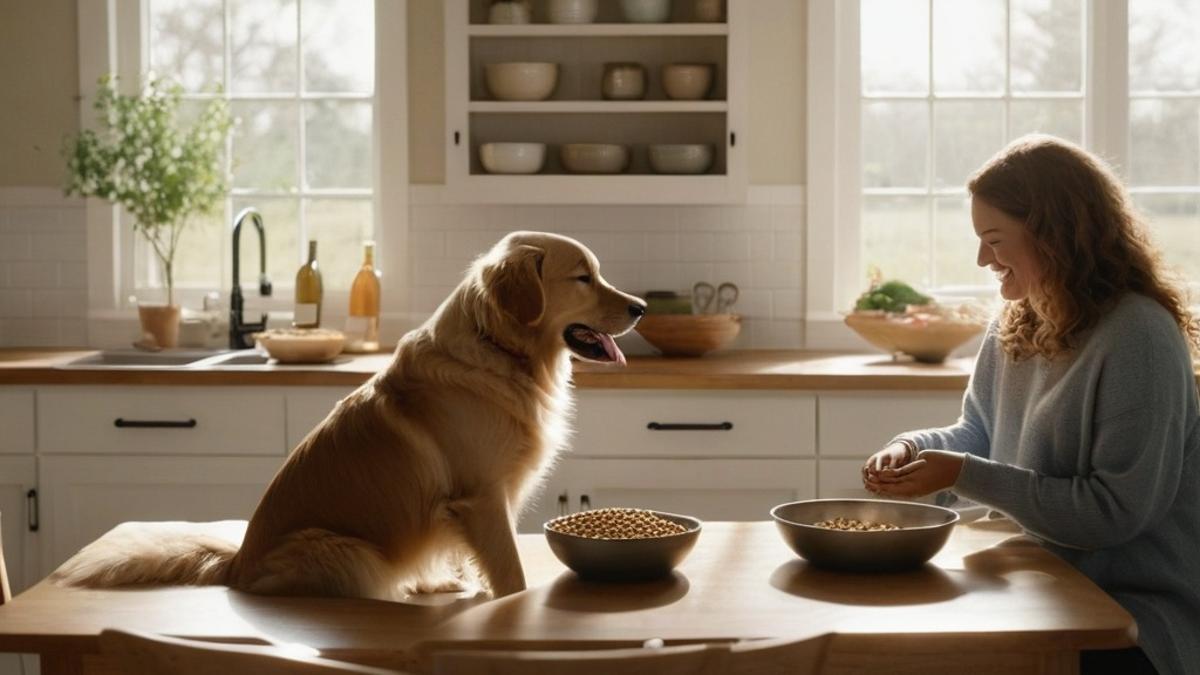
# Designing Exercise Plans That Compensate for Indoor LimitationsNigerian apartments and duplexes, particularly in urban centers like Abuja and Lagos, rarely offer pets the sprawling compounds their ancestors once roamed. This spatial constraint makes deliberate exercise planning for indoor pets a necessity rather than a luxury, since animals confined indoors face measurable risks of obesity, joint stiffness, and behavioral deterioration.
Building Movement Into Confined Spaces
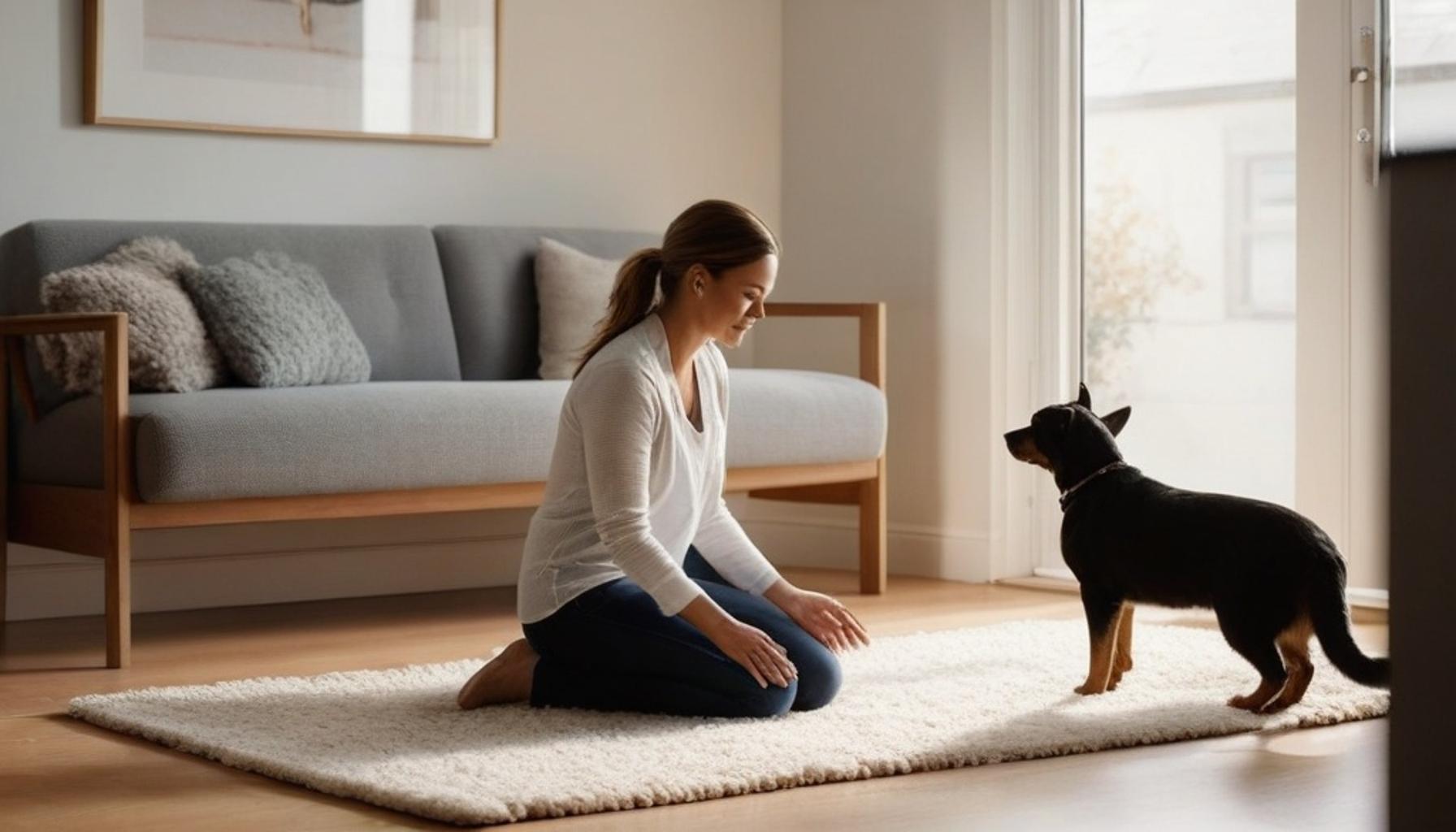
Veterinary behaviorists estimate that indoor dogs need at least 30 minutes of structured activity daily, split across two sessions, to maintain cardiovascular health and mental stability. Cats require shorter but more frequent bursts, typically five to ten minutes several times a day, mimicking their natural hunting instincts.
Within Nigerian homes, corridors, staircases, and balconies often become unexpected exercise zones. Owners have successfully adapted these spaces using simple techniques:
- Tossing lightweight balls down hallways for short retrieval sprints
- Using stairs for controlled up-and-down repetitions, especially beneficial for medium-sized dog breeds
- Introducing puzzle feeders that force cats to move around before accessing food
- Setting aside 15-minute leash walks within compound perimeters during cooler morning or evening hours
Heat remains a genuine concern across most Nigerian cities, meaning exercise timing matters almost as much as exercise itself. Scheduling activity before 9am or after 5pm avoids the punishing midday temperatures that can trigger heat exhaustion, particularly in short-nosed breeds like Pugs or Boxers increasingly popular among Lagos pet owners.
Tracking Activity as a Diagnostic Tool
Physical activity, much like feeding, becomes a valuable window into overall wellness when tracked consistently. A pet that suddenly refuses its usual stair climbs or shows reluctance during play sessions may be signaling joint pain, respiratory issues, or early-stage arthritis.
Some Nigerian pet owners have begun using affordable fitness trackers designed for animals, clipping them onto collars to monitor daily step counts and rest patterns. While not yet mainstream, this technology mirrors broader indoor pet health tips circulating among veterinary communities, emphasizing quantifiable data over guesswork.
Even without gadgets, a simple logbook noting duration and enthusiasm level during each session can reveal patterns over time. A noticeable decline across two consecutive weeks often warrants a veterinary consultation rather than dismissal as laziness.
Combining structured movement with scheduled feeding creates a comprehensive framework for Health Monitoring for Indoor Pets that many Nigerian households are only beginning to explore. Pets that eat and move on predictable schedules display fewer stress-related behaviors, including excessive shedding, destructive chewing, or unexplained vocalization, all of which veterinarians increasingly link to sedentary indoor lifestyles lacking adequate stimulation.
Bringing Feeding, Movement, and Monitoring Together
Across Nigerian homes, from Lekki apartments to Kaduna bungalows, the evidence keeps pointing to the same conclusion: Health Monitoring for Indoor Pets works best when it treats feeding and exercise as interconnected systems rather than separate chores.
A dog whose meals arrive on schedule but who never climbs a staircase or chases a ball remains vulnerable to obesity. Similarly, a cat with ample play sessions but an inconsistent diet may still develop digestive complications. Genuine wellness emerges only when both routines reinforce each other.
Practical Habits Worth Adopting
Nigerian pet owners seeking measurable results should consider a few consistent practices:
- Maintaining fixed feeding times to support digestion and appetite regulation
- Prioritizing a healthy diet for indoor pets that matches breed, age, and activity level
- Scheduling movement sessions during cooler hours to prevent heat-related stress
- Logging changes in appetite or energy as early warning signals
These small, repeatable actions form the backbone of effective feeding routines for pets and structured exercise planning for indoor pets, especially in urban households where space remains limited.
Looking Beyond the Basics
As veterinary awareness grows across Lagos, Abuja, and Port Harcourt, more owners are discovering that monitoring pet health extends beyond occasional clinic visits. It involves daily observation, simple record-keeping, and willingness to adjust routines as pets age or their circumstances change.
Ultimately, the households that thrive are those treating feeding schedules and physical activity as complementary tools for early detection rather than afterthoughts. For Nigerian pet owners navigating tighter living spaces, this integrated approach offers a practical, sustainable path toward longer, healthier lives for the animals sharing their homes.
Frequently Asked Questions
How can I monitor my indoor pet’s health using feeding routines in Nigeria’s hot climate?
Set fixed feeding times, ideally early morning and evening when temperatures are cooler, and track your pet’s appetite daily since sudden loss of interest in food often signals illness or heat stress. Keep a simple logbook or phone note of portion sizes and any leftovers to spot patterns quickly. This consistency helps you notice digestive issues before they become serious, especially with locally available pet foods that may vary in quality.
What signs during exercise indicate my indoor dog or cat may be unwell?
Watch for excessive panting, reluctance to move, limping, or unusual fatigue after light indoor play, as these can indicate joint problems, heart issues, or infections common in Nigerian indoor pets with limited outdoor access. Weight gain from inactivity combined with laziness during exercise sessions is another red flag. If these signs persist for more than a day or two, consult a veterinarian promptly rather than waiting.
How often should I schedule exercise for indoor pets given limited outdoor space in Nigerian homes?
Aim for at least 20 to 30 minutes of active play or movement twice daily, using stairs, hallways, or compact indoor spaces since many homes in cities like Lagos or Abuja lack large yards. Interactive toys and short leash walks within compounds can substitute for open outdoor exercise. Regular movement prevents obesity and supports mental stimulation, both crucial for effective health monitoring.
Can I use local Nigerian foods safely within a feeding routine for health monitoring?
Yes, foods like boiled chicken, rice, and certain vegetables can be safely incorporated, but avoid excessive salt, spices, or bones common in local dishes since these can cause digestive upset or choking hazards. Introduce any new local food gradually and observe your pet’s stool consistency and energy levels afterward. Always balance homemade meals with commercial pet food to ensure proper nutrition tracking.
What tools or methods work best for tracking indoor pet health without expensive veterinary equipment?
A simple weighing scale, a notebook or smartphone app to log weight, food intake, and activity levels weekly can effectively track your pet’s health trends over time. Observing coat condition, energy during play, and bathroom habits also provides reliable indicators without costly devices. Many Nigerian pet owners find that consistent home monitoring reduces the need for frequent, expensive vet visits by catching problems early.

Linda Carter
Linda Carter is a writer and pet care expert specializing in pet health, grooming, and wellness. With extensive experience helping pet owners create safe, loving, and enriching environments for their animals, Linda shares her knowledge on our platform. Her goal is to empower readers with practical advice and strategies to ensure their pets thrive and lead joyful, healthy lives.