
Establishing Feeding Routines for Better Pet Hygiene
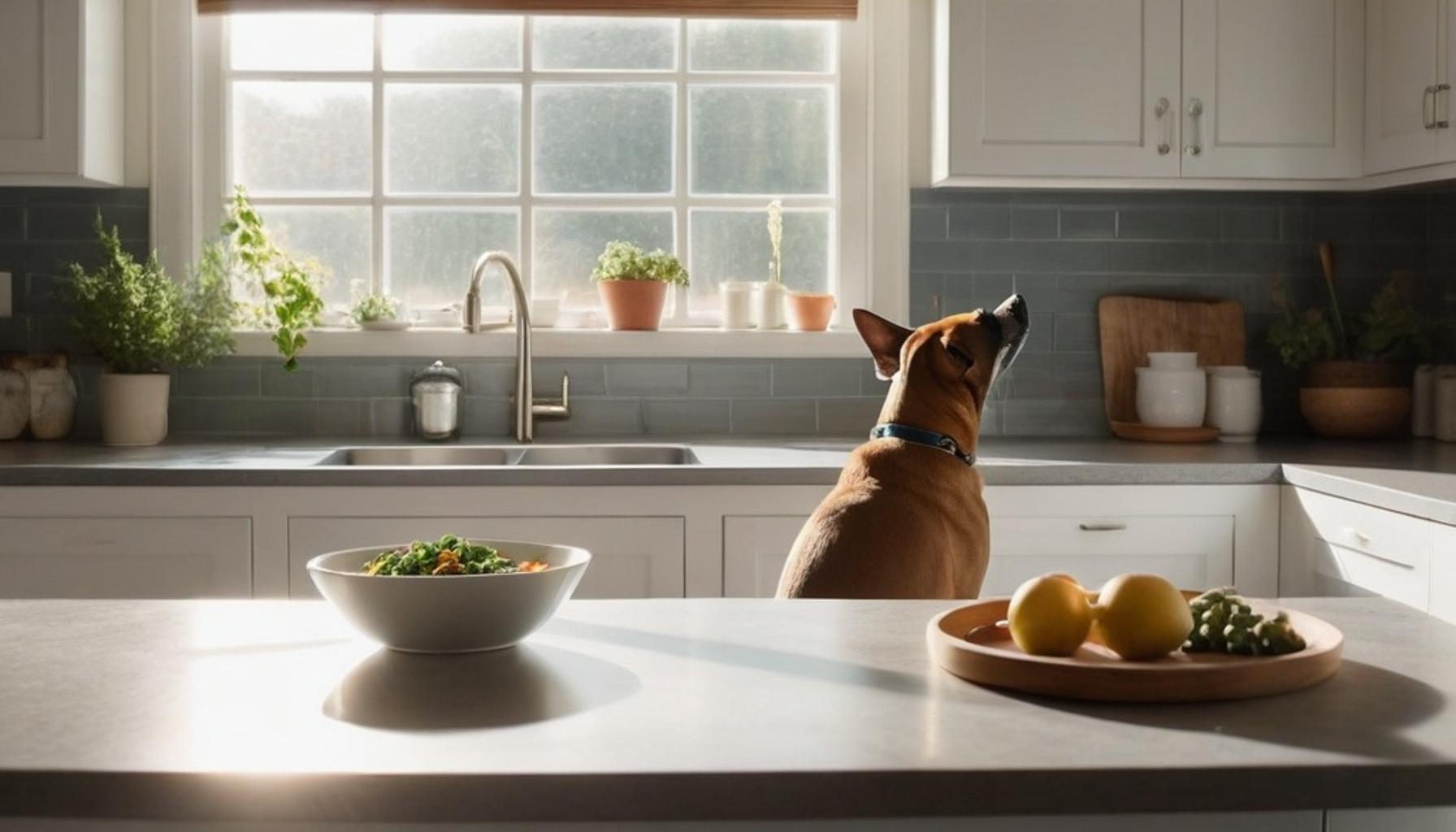
Why Timing Your Pet’s Meals Matters More Than You Think
Every dog owner in Lagos or Abuja knows the scene: a pet whining at odd hours, leftover food attracting flies, and a mealtime routine that feels more chaotic than controlled. Pet feeding routines are not just about convenience—they are the backbone of a cleaner, healthier home for both pets and their families. From Kano to Enugu, the story repeats itself in countless households where feeding time has become a guessing game rather than a structured practice.
Across Nigeria, where warm climates accelerate food spoilage, irregular feeding can quickly turn into a hygiene nightmare. Uneaten food left in bowls for hours attracts ants, cockroaches, and bacteria, especially in humid regions like Port Harcourt. Even in drier northern states, dust and heat combine to spoil food faster than most owners realize, creating conditions ripe for pest infestations and unpleasant odors that linger long after the food itself has been cleared away.
The Hidden Connection Between Schedules and Sanitation
Establishing feeding times does more than curb hunger—it directly impacts pet health and wellness. Studies on companion animals show that structured meals improve digestion, reduce overeating, and minimize waste that could otherwise become a breeding ground for germs. Veterinarians across major Nigerian cities have noted a rise in digestive complaints among pets fed inconsistently, further reinforcing the link between timing and overall wellbeing.
Consider these benefits of consistent feeding schedules:
- Reduced food spoilage and pest attraction
- Predictable bathroom habits, easier cleanup
- Better portion control, less obesity risk
- Lower stress levels in pets, fewer behavioral issues
- Stronger bonding between pets and owners through routine
Many Nigerian pet owners are discovering that how to feed pets properly involves more than just tossing food into a bowl whenever convenient. It requires intention, timing, and awareness of hygiene practices. Some households, particularly in urban centers like Ibadan, have begun adopting timed feeding stations, a trend borrowed from international pet care standards but adapted to fit local realities and budgets.
What This Article Will Uncover
This piece explores practical pet hygiene tips tied to feeding habits, backed by veterinary insights and local case studies. Readers will discover the real benefits of pet feeding schedules, including how simple changes can transform both pet wellness and household cleanliness, offering a fresh perspective on a routine many have overlooked for far too long.
RECOMMENDED: Monitoring Health and Behavior: How Eating Routines Influence Animal Well-Being
Building a Feeding Schedule That Actually Works
Walk through any estate in Lekki or a compound in Kaduna, and you will find pets fed at wildly different times each day. This inconsistency, though seemingly harmless, quietly undermines both hygiene and health. Pet feeding routines thrive on predictability, and predictability is precisely what most Nigerian households struggle to maintain amid busy work schedules and unpredictable traffic.
Veterinary experts recommend feeding adult dogs and cats twice daily, spaced roughly twelve hours apart. Puppies and kittens, with faster metabolisms, often need three to four smaller meals. Sticking to these intervals does more than satisfy hunger—it trains the digestive system to anticipate meals, reducing the likelihood of scavenging, begging, or raiding kitchen bins when owners are away.
It also helps to consider the local rhythm of daily life. Many Nigerian households wake early for work, school runs, or market trips, and this natural morning activity offers a convenient anchor for the first meal. The second meal, ideally served before dusk, aligns with the household’s return from school, office, or business, making the routine easier to sustain long-term rather than relying on memory alone.
Practical Steps for Establishing Feeding Times
Establishing feeding times does not require expensive equipment or imported gadgets. It starts with observation and commitment. Owners who succeed typically follow a simple structure:
- Choose two fixed times daily, ideally morning and early evening
- Serve meals in the same location every time to build association
- Remove uneaten food after twenty to thirty minutes
- Wash bowls immediately after each meal, not hours later
- Store dry food in airtight containers to prevent weevils and moisture damage
This last point matters significantly in places like Onitsha and Aba, where open-market pet food often arrives without proper packaging. Once exposed to Nigeria’s humidity, kibble can develop mold within days if left in flimsy bags. Some households have found success repurposing large rice or garri containers with tight-fitting lids, an inexpensive solution that keeps pests and dampness at bay without adding extra cost to already stretched budgets.
Another overlooked step involves portioning. Many owners simply pour food until the bowl looks full, but this guesswork often leads to overfeeding or waste. Using a simple measuring cup, even an improvised one, helps maintain consistency in both quantity and timing, reinforcing the same predictable rhythm that pets thrive on.
Why Consistency Outperforms Convenience
Many pet owners assume flexible feeding shows more affection, but the opposite tends to be true. Animals fed at random intervals often develop anxious behaviors, including excessive barking and destructive chewing, as they struggle to predict when their next meal will arrive. This unpredictability, according to animal behaviorists, mirrors the stress patterns seen in improperly socialized pets.
There is also a practical hygiene angle often overlooked. Food bowls left out for extended periods become sticky, oily surfaces that harbor bacteria long before visible mold appears. In warmer states such as Sokoto or Yola, this bacterial growth accelerates within hours, not days, turning a simple feeding bowl into a potential health hazard for both pets and curious children who may wander near it.
Understanding how to feed pets correctly means recognizing that timing and cleanliness are inseparable. A consistent schedule naturally encourages consistent cleaning habits, creating a cycle that benefits the entire household rather than just the animal being fed. As more Nigerian families welcome pets into daily life, this small but deliberate discipline may prove far more valuable than any imported feeding gadget or trend.
Key Aspects of Establishing Feeding Routines for Better Pet Hygiene
Consistent pet feeding routines do more than satisfy hunger — they directly influence cleanliness, digestion, and long-term wellness. Below is a quick-reference table highlighting the core elements every pet owner should consider when structuring mealtimes.
| Category | Key Details |
|---|---|
| Consistent Timing | Establishing feeding times twice daily helps regulate digestion and reduces bacterial buildup around bowls. |
| Portion Control | Measured meals prevent leftover food from attracting pests, a core pet hygiene tip often overlooked. |
| Bowl Maintenance | Daily washing supports how to feed pets safely, minimizing salmonella and mold risks. |
| Health Monitoring | Scheduled meals reveal appetite changes early, a proven benefit among the benefits of pet feeding schedules for pet health and wellness. |
LEARN MORE: Establishing Feeding Routines for Dogs and Cats: The Impact on Pets’ Health and Behavior
The Hidden Link Between Feeding Routines and Household Hygiene
Beyond the bowl itself, pet feeding routines influence hygiene in ways many Nigerian households never consider. Leftover food particles scattered around feeding areas attract houseflies, cockroaches, and in some compounds, rodents that thrive in the warm, humid conditions common across Lagos, Port Harcourt, and Ibadan. A structured schedule limits exposure time, reducing these unwanted visitors significantly. Veterinary officers working within urban clinics often point out that pest complaints spike noticeably in homes where feeding happens sporadically rather than at fixed hours.
Consider a household that feeds its dog haphazardly throughout the day, leaving food out for hours. Within that window, pests have ample opportunity to contaminate both the food and surrounding floor space. Compare this to a home practicing disciplined establishing feeding times, where meals are served, consumed, and cleared within thirty minutes. The difference in pest activity, according to pest control professionals in Abuja, can be substantial over just one week. Some estate managers in gated communities around Lekki have even begun advising residents to formalize feeding schedules as part of broader compound sanitation policies, a small but telling sign of how seriously this issue is being taken.
Water Bowls Deserve Equal Attention
Feeding routines often overshadow an equally important element: water hygiene. Many pet owners fill a water bowl once in the morning and forget it until the next day, unaware that stagnant water breeds bacteria rapidly in Nigeria’s heat, particularly during dry season months when temperatures in states like Kano regularly exceed thirty-five degrees Celsius. Left unchanged, this water can develop a thin biofilm within hours, something easily missed until a pet begins refusing to drink.
Pairing water changes with feeding times creates a simple, memorable habit. Fresh water served alongside breakfast and dinner ensures pets are not drinking from bowls coated with algae or dust blown in from harmattan winds. This small addition transforms a basic feeding routine into a more comprehensive hygiene practice. In households with outdoor kennels, placing water bowls under a slight overhang can also prevent debris from settling in during sudden afternoon downpours, a common occurrence during the rainy season in the southern states.
Practical Habits That Reinforce Pet Health and Wellness
Households that successfully maintain structured feeding often adopt a few additional habits alongside their schedule:
- Inspecting food for spoilage before serving, especially during rainy season storage
- Positioning feeding areas away from direct sunlight and open drainage channels
- Using separate bowls for multiple pets to prevent disease transmission
- Observing appetite changes as an early warning sign of illness
- Keeping a simple written or phone-based feeding log for consistency
This last habit, though simple, offers surprising benefits. Families with house helps or multiple caregivers often struggle with double-feeding or missed meals when responsibilities are unclear. A basic log, even scribbled on a wall calendar, eliminates confusion and supports the broader goal of pet health and wellness. Some tech-savvy pet owners have started using free reminder apps on their phones, setting alerts that align with school runs or work schedules, ensuring no meal slips through the cracks even on hectic days.
These combined efforts illustrate the real benefits of pet feeding schedules: fewer pests, reduced bacterial exposure, and healthier animals overall. For Nigerian households navigating limited space, shared compounds, and unpredictable weather, these small, consistent actions matter more than expensive imported pet care products. Simple pet hygiene tips rooted in daily discipline often outperform costly alternatives, proving that good pet care does not require a large budget, only consistency and attention to detail. As more families share these practices within neighborhood associations and online pet communities, the ripple effect could reshape how everyday pet care is approached across the country.
Building a Culture of Consistency Around Pet Care
Across this discussion, one theme stands out clearly: pet feeding routines are not a minor domestic detail but a foundation for hygiene, health, and household order. From reducing pest activity in Lagos apartments to preventing bacterial buildup in water bowls during Kano’s dry season, structure consistently outperforms guesswork. What begins as a simple scheduling decision ends up shaping the sanitation standards of an entire compound.
Nigerian pet owners searching for guidance on how to feed pets responsibly will find that the answer rarely involves expensive products or imported solutions. Instead, it rests on timing, observation, and shared responsibility among household members. A written feeding log, a fixed mealtime, or simply moving a bowl away from a drainage channel can produce noticeable improvements within days.
The broader benefits of pet feeding schedules extend beyond the individual home. As estate managers in Lekki and veterinary officers in Abuja have observed, collective habits within a neighborhood influence pest levels, disease transmission, and even community sanitation ratings. When multiple households adopt similar practices, the impact compounds, turning private routines into public health advantages.
Ultimately, pet health and wellness depends less on grand gestures and more on daily discipline. Establishing feeding times, refreshing water consistently, and staying alert to changes in appetite are small acts that, repeated over months, build resilience against Nigeria’s heat, humidity, and unpredictable rains. These practical pet hygiene tips offer a low-cost, high-impact approach that any household can adopt regardless of budget or location.
As more Nigerian families document and share these habits, whether through neighborhood associations, online communities, or simple word of mouth, the conversation around responsible pet care continues to grow. The evidence suggests that consistency, not convenience, is what ultimately determines whether a home remains clean, pest-free, and welcoming for both pets and people alike.
Frequently Asked Questions
Why are consistent pet feeding routines important for hygiene in Nigerian homes?
Consistent pet feeding routines help prevent leftover food from attracting houseflies, ants, and rodents that are common in Nigeria’s warm climate. They also regulate your pet’s digestion, leading to predictable toilet times that make cleanup easier. This reduces the spread of bacteria and odours in your home.
How many times a day should I feed my dog or cat to maintain good hygiene?
Most adult dogs and cats do well with two set meals a day, while puppies and kittens may need three to four smaller feedings. Sticking to fixed times, such as 7am and 6pm, prevents food from sitting out for hours in Nigeria’s heat and humidity, which can spoil quickly and attract pests. Always remove uneaten food after 20 to 30 minutes.
What type of feeding bowls are best for keeping pets clean in a tropical climate like Nigeria’s?
Stainless steel or ceramic bowls are best because they don’t harbor bacteria as easily as plastic bowls, which can develop scratches and odours in humid weather. Elevated bowls also help reduce spillage and keep the feeding area drier, minimizing insect problems. Wash bowls daily with hot water and mild soap to keep them hygienic.
How can I stop ants and pests from being attracted to my pet’s feeding area?
Set strict pet feeding routines so food isn’t left out beyond 30 minutes, then wash the bowl immediately after each meal. Placing the feeding bowl inside a wider container of water creates a natural barrier that keeps crawling ants away, a helpful trick in many Nigerian households. Sweeping and wiping the feeding spot daily also removes crumbs that attract pests.
Does a regular feeding schedule really help with pet toilet training and cleanliness?
Yes, feeding your pet at the same times every day creates a predictable digestive pattern, making it easier to anticipate when they need to relieve themselves. This is especially useful for dog owners in Nigeria who want to train pets to use a specific outdoor spot rather than soiling the compound randomly. Over time, this consistency reduces indoor accidents and keeps your living space cleaner.

Linda Carter
Linda Carter is a writer and pet care expert specializing in pet health, grooming, and wellness. With extensive experience helping pet owners create safe, loving, and enriching environments for their animals, Linda shares her knowledge on our platform. Her goal is to empower readers with practical advice and strategies to ensure their pets thrive and lead joyful, healthy lives.