
Exercise Planning and Its Influence on Pet Hygiene and Behavior

Why Every Nigerian Pet Owner Should Rethink Daily Walks
From the busy streets of Lagos to the quieter compounds of Enugu, dogs and cats across Nigeria are spending more time indoors than ever. Exercise Planning for Pets is no longer a luxury reserved for show animals; it is fast becoming a necessity for everyday household companions.
Veterinary experts across the country are noticing a pattern. Pets with structured routines tend to be calmer, cleaner, and far less destructive than those left to their own devices. In cities like Port Harcourt and Ibadan, where compound spaces are shrinking due to urban development, many animals now spend most of their day confined to small verandas or single rooms. This shift in lifestyle, though often unnoticed, is quietly reshaping pet health outcomes nationwide.
The Hidden Connection Between Movement and Cleanliness
Most people assume exercise is only about weight control. In reality, the impact of exercise on pets stretches far beyond the waistline.
- Regular activity reduces excessive shedding and skin irritation
- Physical movement helps regulate digestion, minimizing accidents indoors
- Active pets groom themselves more consistently
- Sweating and panting during play help flush out toxins naturally
These small details form the foundation of practical pet hygiene tips that many owners overlook. For instance, a dog that spends thirty minutes running around a compound in Kaduna will naturally pant more, which assists in temperature regulation and reduces the buildup of bacteria on the skin. Cats, similarly, become more diligent about self-cleaning when they are not lethargic from inactivity.
Behavior Changes You Can Actually See
Ask any dog trainer in Abuja and they will confirm it: bored pets become destructive pets. Chewed furniture, excessive barking, and anxious pacing often trace back to one missing ingredient—movement. Some owners in Lagos have reported that their dogs stopped digging up flower beds entirely after just two weeks of consistent morning walks.
Introducing consistent pet exercise routines can transform a restless animal into a relaxed, well-mannered companion within weeks. Trainers often recommend starting with short fifteen-minute sessions before gradually increasing duration, especially for puppies and older pets that may need a gentler introduction to physical activity.
This article explores how simple, structured activity plans deliver real pet behavior improvement while keeping your home cleaner and your furry friend healthier. The benefits of exercising pets are more far-reaching than most owners realize, and the evidence is worth examining closely. From reduced veterinary bills to stronger emotional bonds between pets and their families, the case for daily movement continues to grow stronger across Nigerian households, regardless of breed, age, or living environment.
SEE ALSO: Establishing Feeding and Hygiene Routines for Dogs and Cats in Indoor Environments
Building a Practical Exercise Schedule That Actually Works
Designing a workable routine does not require expensive equipment or professional trainers. It requires consistency. Exercise Planning for Pets works best when it mirrors the natural rhythms of the animal rather than fighting against them.
Veterinary clinics in Kano and Owerri report that owners who schedule activity around early morning or early evening hours, when temperatures are cooler, see far better results than those who exercise pets during the midday heat. Dogs, in particular, are prone to overheating in Nigeria’s tropical climate, so timing matters just as much as duration. A brisk walk at six in the morning along a quiet street in Enugu produces far less strain than the same walk attempted at noon under direct sun.
Owners who track their pet’s response to heat often notice panting, reluctance to move, or seeking shade as early warning signs. Adjusting the schedule around these cues, rather than a fixed clock time, tends to produce more reliable long-term results.
Matching Activity Levels to Breed and Age
Not every pet needs the same amount of movement. A young Caucasian Shepherd guarding a compound in Jos will require significantly more physical output than a Shih Tzu living in a Lagos apartment. Understanding this difference is central to effective pet exercise routines.
- Puppies and kittens benefit from short, frequent bursts of play rather than long sessions
- Senior pets need low-impact activity such as slow walks or gentle stretching games
- Working breeds like German Shepherds and Boerboels often require sixty minutes or more of daily activity
- Indoor cats thrive with interactive toys that mimic hunting behavior for fifteen to twenty minutes twice a day
Ignoring these distinctions often leads to frustration on both sides. An under-exercised working dog will bark excessively at night, while an over-exercised puppy may develop joint strain that affects mobility later in life. Age also shifts requirements gradually rather than overnight, meaning routines should be reviewed every few months rather than set once and forgotten.
Mixed-breed dogs common in many Nigerian households add another layer of complexity, since their exercise needs often combine traits from multiple lineages. A careful owner watches for signs of fatigue, restlessness, or excitement to fine-tune the balance rather than relying strictly on breed charts.
What Happens When Structure Is Missing
The impact of exercise on pets becomes most visible in its absence. Clinics in Ilorin and Benin City have documented a rise in stress-related skin conditions among dogs confined to small spaces without adequate movement. Matted fur, persistent scratching, and unusual odor often trace back to inactivity rather than poor diet alone.
Cats display subtler signs. A cat that suddenly stops grooming itself, or grooms excessively in one spot, may be signaling boredom or anxiety linked to insufficient stimulation. These behavioral shifts are early indicators that a structured plan is overdue.
Simple pet hygiene tips rooted in movement can address many of these concerns before they escalate into costly veterinary visits. A ten-minute fetch session in the backyard, repeated consistently, does more for coat health than most supplements marketed for shine and softness. Weight gain, another common consequence of inactivity, places additional strain on joints and organs, compounding the very problems structured movement is meant to prevent.
The evidence continues to point toward one clear conclusion: structured activity is not optional, it is foundational to a healthier, cleaner, and calmer household pet. Owners who take the time to observe, adjust, and commit to a rhythm suited to their animal’s breed, age, and environment often discover that discipline in scheduling pays dividends far beyond physical fitness alone.
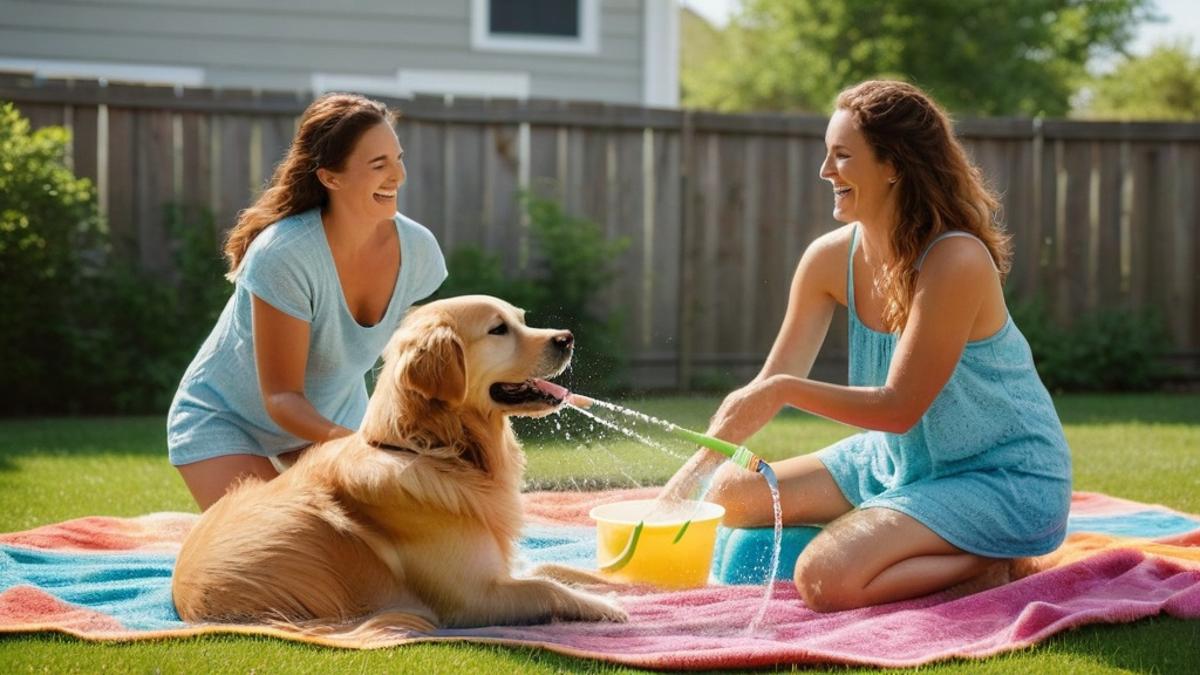
SEE ALSO: Establishing Feeding Routines to Improve the Hygiene of Dogs and Cats
Linking Physical Activity to Grooming Habits and Long-Term Behavior
Beyond scheduling and breed-specific routines, the connection between movement and cleanliness deserves closer examination. Many Nigerian pet owners underestimate how directly Exercise Planning for Pets influences the frequency and effectiveness of self-grooming behavior in cats and coat maintenance in dogs.
Veterinary observations from Abuja and Port Harcourt suggest that pets engaged in regular physical activity naturally shed loose fur more efficiently, reducing the buildup of mats that trap dirt, moisture, and parasites. A dog that runs, digs, or swims occasionally distributes natural skin oils across its coat far better than one that remains sedentary for most of the day.
The Role of Movement in Reducing Parasite Infestations
Ticks and fleas thrive in stagnant, unkempt environments. Pets that spend long hours lying in one spot, particularly outdoor dogs in compounds across Kaduna and Aba, become easier targets for infestation. Movement disrupts this cycle in several practical ways.
- Active pets are groomed more frequently by owners who notice them after outdoor sessions
- Walking on varied terrain naturally dislodges debris and parasites from paws and fur
- Increased circulation from exercise supports healthier skin that resists irritation
- Regular outdoor movement reduces prolonged contact with contaminated bedding or soil
These pet hygiene tips are rarely discussed alongside exercise, yet the correlation is difficult to ignore once observed over several weeks. Clinics in Uyo have reported fewer tick-related consultations among clients who committed to daily walking schedules compared to those who left pets largely confined.
Behavioral Transformation Through Consistent Routines
The impact of exercise on pets extends well beyond the physical. Dogs that receive structured daily movement show measurably calmer responses to visitors, reduced destructive chewing, and better sleep patterns at night. This is not anecdotal alone; animal behaviorists point to the release of endorphins during physical exertion as a key driver of mood stability.
Households in Ibadan that introduced thirty-minute evening walks reported noticeable drops in nuisance barking within two to three weeks. This kind of pet behavior improvement often surprises owners who assumed aggression or restlessness was simply part of an animal’s personality rather than a symptom of unmet physical needs.
Cats, though less demonstrative, show similar shifts. Increased play sessions using feather wands or laser toys often reduce inappropriate scratching on furniture, since the animal channels energy toward the activity rather than the household environment.
The broader benefits of exercising pets therefore touch hygiene, temperament, and even the owner’s household maintenance routine simultaneously. A structured plan, once established, tends to reinforce itself as pets begin anticipating activity times and adjusting their own energy levels accordingly, creating a rhythm that benefits the entire home.
LEARN MORE: Behavioral Guidelines and Their Relation to Pet Hygiene in Indoor Environments
Bringing It All Together: Why Exercise Planning Deserves a Permanent Place in Pet Care
Across Lagos courtyards, Kano compounds, and Enugu backyards, one truth keeps surfacing: pets that move regularly tend to live cleaner, calmer, and healthier lives. Exercise Planning for Pets is not a luxury reserved for show dogs or urban apartment cats. It is a practical, low-cost intervention that Nigerian households of all sizes can adopt starting today.
This article has traced that link from multiple angles. Structured routines reduce parasite exposure. Consistent walks and play sessions curb destructive habits. Grooming becomes easier when coats are naturally maintained through movement rather than forced brushing sessions alone.
What Owners Should Take Away
The evidence gathered from clinics in Uyo, Ibadan, and Port Harcourt points to a consistent pattern worth repeating.
- Daily movement lowers tick and flea infestation rates significantly
- Structured pet exercise routines reduce nuisance barking and destructive chewing within weeks
- Self-grooming improves naturally when pets are physically active
- Behavioral stability often follows predictable activity schedules rather than random bursts of play
These findings suggest that the impact of exercise on pets reaches far beyond weight management, touching hygiene systems and emotional regulation simultaneously.
Nigerian pet owners now have a clearer picture of what consistency can achieve. A thirty-minute walk, a few play sessions with a feather toy, or simply allowing a dog to explore varied terrain can trigger measurable pet behavior improvement over time.
The benefits of exercising pets are cumulative rather than instant, rewarding households that commit to patience over quick fixes. As more veterinary clinics document these outcomes, the conversation around pet care in Nigeria is likely to shift, placing movement alongside diet and vaccination as a core pillar of responsible ownership. For any owner still hesitant, the compounds of Abuja and Aba already offer a quiet, convincing answer.
Frequently Asked Questions
How does exercise planning for pets help reduce bad odour and shedding in Nigeria’s hot climate?
Regular, well-timed exercise increases blood circulation and helps regulate a pet’s natural oil production, which reduces excessive shedding and skin odour common in Nigeria’s humid weather. A consistent exercise plan also encourages panting and controlled sweating in dogs, which helps flush out toxins that can cause smell. Early morning or evening walks are ideal to avoid the harsh midday heat while still keeping your pet clean and active.
What is the best time of day to exercise dogs and cats in Nigerian cities like Lagos or Abuja?
Early morning between 6am and 8am or late evening after 5pm is best, since Nigerian afternoons are often too hot and can cause heatstroke or paw pad burns from hot asphalt. Exercise planning for pets should factor in local weather patterns, especially during the dry season (Harmattan) when dust and heat are more intense. This timing also helps reduce restlessness and destructive behavior indoors during the day.
Can a structured exercise routine reduce aggressive or destructive behavior in pets kept in Nigerian homes?
Yes, pets that lack proper exercise planning often become bored or anxious, leading to chewing furniture, excessive barking, or aggression toward visitors and other animals. A structured routine of daily walks, playtime, or fetch releases pent-up energy and lowers stress hormones, making pets calmer and more obedient. This is especially important for compound-kept dogs in Nigeria that may have limited space to roam freely.
Does regular exercise affect how often I need to bathe or groom my pet in Nigeria?
Yes, active pets that exercise regularly tend to have healthier skin and coats, which can slightly reduce how frequently deep grooming is needed, though bathing after outdoor activity is still important due to dust, mud, or sweat. Exercise planning for pets should always include a quick paw and coat check afterward, especially during rainy season when pets are more likely to pick up dirt and parasites outdoors. Combining exercise with a simple hygiene routine keeps pets cleaner between full baths.

Linda Carter
Linda Carter is a writer and pet care expert specializing in pet health, grooming, and wellness. With extensive experience helping pet owners create safe, loving, and enriching environments for their animals, Linda shares her knowledge on our platform. Her goal is to empower readers with practical advice and strategies to ensure their pets thrive and lead joyful, healthy lives.