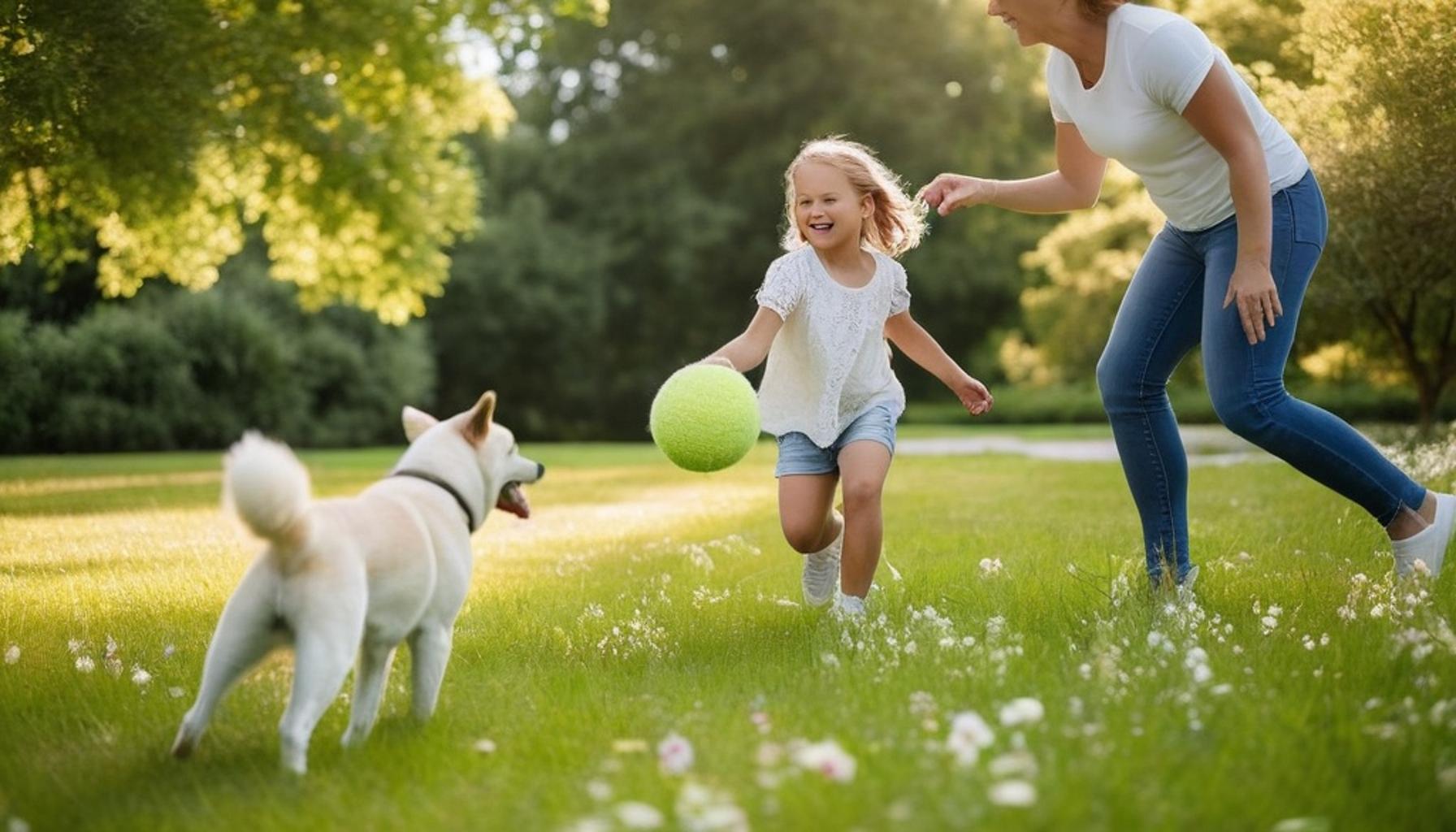
The Importance of Hygiene in the Health and Behavior of Pets
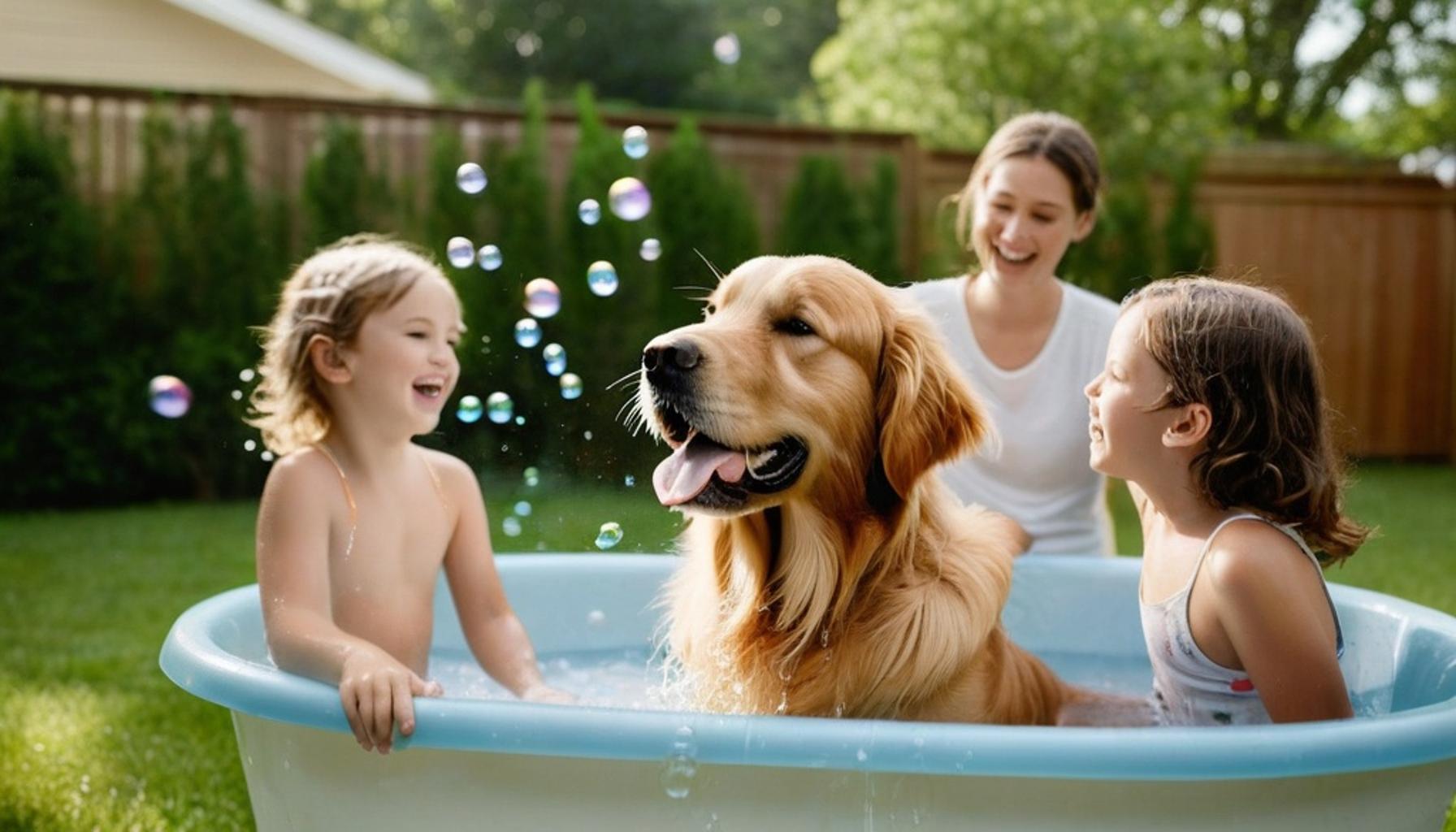
Why Clean Pets Are Happier, Healthier Companions
Walk through any Lagos market or Abuja neighborhood, and you will spot dogs and cats roaming with their owners nearby. Yet many pet parents across Nigeria overlook a critical factor that shapes their animal’s wellbeing: Hygiene in Pets.
Beyond just smelling fresh, cleanliness directly influences how long your furry friend lives and how it behaves at home. Skin infections, parasites, and even aggressive tendencies often trace back to poor grooming habits. In cities like Port Harcourt and Kano, where dust, humidity, and heat create ideal breeding grounds for bacteria, neglecting hygiene can quickly escalate into serious health complications for household pets.
The Hidden Connection Between Cleanliness and Behavior
Veterinarians increasingly emphasize the impact of hygiene on pet behavior. A dog constantly itching from fleas becomes irritable, while a cat with dirty litter may develop stress-related disorders. These are not isolated cases—animal behaviorists have documented a clear pattern linking physical discomfort to emotional instability in domesticated animals, regardless of breed or location.
Consider these common issues linked to neglected hygiene:
- Skin allergies and persistent scratching
- Bad odor affecting the human-pet bond
- Parasitic infections like ticks and mites, common in Nigeria’s warm climate
- Behavioral changes such as anxiety or aggression
- Ear infections caused by trapped moisture and dirt buildup
- Digestive issues resulting from unclean feeding bowls and water containers
Interestingly, many Nigerian pet owners associate grooming purely with appearance, unaware that a poorly maintained coat can trap moisture and heat, creating a breeding ground for fungal infections. This is particularly relevant during the rainy season, when humidity levels soar across southern states like Rivers and Delta.
What This Article Will Cover
Understanding the importance of pet hygiene goes beyond bathing schedules. This piece explores practical pet hygiene tips tailored for Nigerian households, including affordable grooming solutions that do not require expensive imported products or specialized equipment.
You will discover how cleaning your pet regularly prevents costly vet visits and strengthens emotional bonds between owner and animal. Local veterinary clinics in cities such as Ibadan report that routine hygiene checks catch problems early, saving pet owners significant expenses down the line.
We will also examine the science behind healthy pets and hygiene, backed by veterinary insights relevant to local conditions—from tropical parasites to dietary habits common in Nigerian homes. By the end, you will have actionable steps to transform your pet’s daily routine, starting today with simple, sustainable practices anyone can implement.
RECOMMENDED: Behavioral Guidelines and Their Relation to Pet Hygiene in Indoor Environments
The Science Behind Hygiene in Pets and Everyday Wellbeing
Skin is the largest organ on any dog or cat, and it acts as the first line of defense against bacteria, fungi, and parasites. When Hygiene in Pets is neglected, this natural barrier weakens, opening the door to infections that spread faster in Nigeria’s tropical climate than in temperate regions.
A study published by the World Small Animal Veterinary Association found that pets bathed irregularly show a 40% higher likelihood of developing dermatological conditions compared to those on consistent grooming schedules. While this data comes from international research, veterinarians in Lagos and Enugu confirm similar patterns among local pet populations, especially during the harmattan season when dry air cracks skin and invites secondary infections.
What makes this issue particularly pressing for Nigerian households is the sheer diversity of environments pets must endure within a single year. A dog living in Abuja experiences dusty, arid conditions for months, followed by sudden downpours that leave compounds waterlogged. This constant shift between extremes places unusual demands on an animal’s skin, coat, and immune system, demands that many pet owners underestimate until visible symptoms appear.
How Poor Hygiene Triggers Behavioral Problems
The impact of hygiene on pet behavior is not merely anecdotal. Discomfort from matted fur, dirty ears, or flea infestations activates the same stress responses found in humans dealing with chronic irritation. Cortisol levels rise, sleep patterns disrupt, and previously calm animals begin exhibiting destructive tendencies.
Nigerian pet owners frequently report these warning signs without connecting them to hygiene:
- Excessive licking or chewing on paws and flanks
- Withdrawal from family interaction or hiding behavior
- Sudden aggression during petting or handling
- Restlessness, particularly at night
- Loss of appetite linked to nausea from parasite overload
- Repetitive shaking of the head, often signaling ear infections
Animal behaviorists at veterinary conferences across West Africa have noted that addressing these symptoms through improved cleaning your pet routines often resolves behavioral issues within two to three weeks, without medication or professional training intervention. This finding challenges the common assumption that behavioral problems always require costly interventions or specialist consultations.
Interestingly, some owners in Ibadan and Kaduna have described their pets becoming noticeably more affectionate and playful after establishing regular bathing and ear-cleaning habits, suggesting that hygiene improvements ripple outward into the overall human-animal bond. This connection between physical comfort and emotional expression deserves far more attention than it currently receives in mainstream conversations about pet care.
Why Nigerian Climate Conditions Demand Extra Attention
Humidity levels in coastal cities like Port Harcourt regularly exceed 80%, creating ideal conditions for fungal growth on pet skin and in ear canals. Combine this with dust storms common in northern states such as Kano and Sokoto, and Nigerian pets face a unique combination of environmental stressors rarely discussed in generic pet care guides imported from Western sources.
This is precisely why understanding the importance of pet hygiene requires local context rather than one-size-fits-all advice. What works for a dog in London differs significantly from what a Yoruba household in Ibadan needs during the rainy season, when standing water and mud create additional grooming challenges.
Veterinary clinics in cities like Benin City have started tailoring their advice to reflect these regional realities, recommending more frequent ear checks for dogs in humid zones and specialized moisturizing treatments for pets in drier northern climates. Some clinics even suggest adjusting bathing frequency according to the specific breed’s coat type, since long-haired dogs trap moisture differently than short-haired local breeds adapted to Nigerian conditions.
Ultimately, the conversation around pet hygiene in Nigeria is shifting from a purely cosmetic concern to a matter of genuine health and welfare. As more pet owners begin connecting environmental factors with skin health and behavioral stability, the demand for locally relevant research and products is likely to grow. This evolving awareness may soon prompt Nigerian veterinary associations to develop guidelines specifically suited to the country’s diverse climates, rather than relying solely on international standards that overlook local realities.
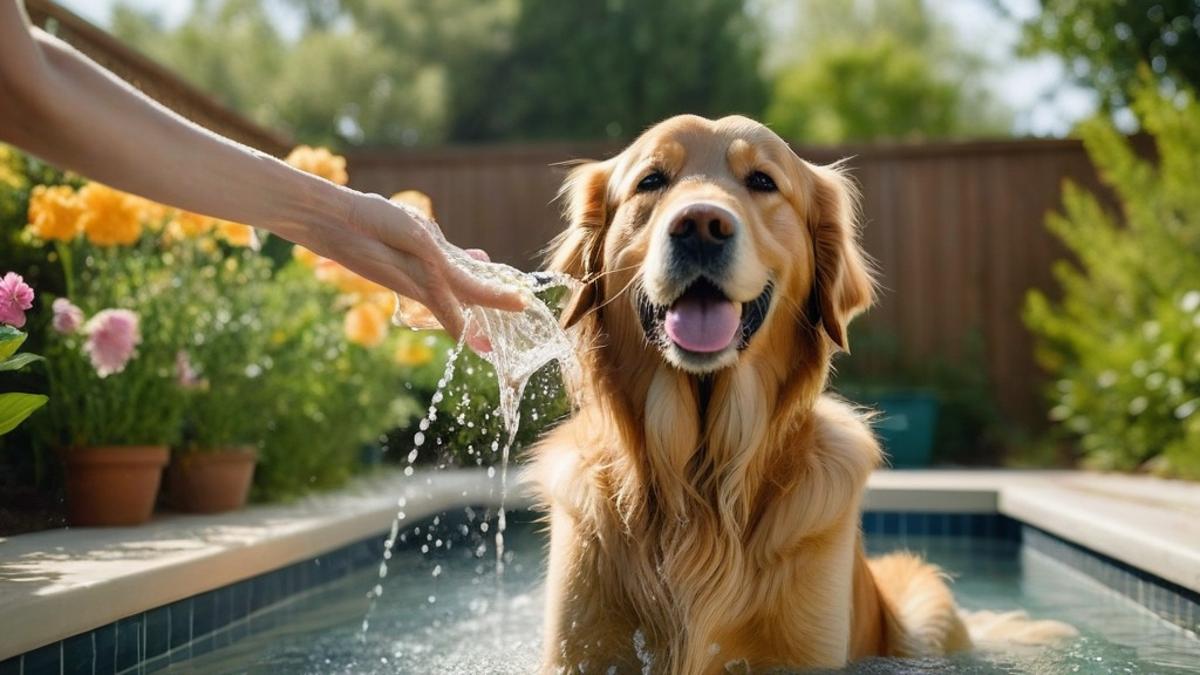
RECOMMENDED: Establishing Feeding and Hygiene Routines for Dogs and Cats in Indoor Environments
Practical Pet Hygiene Tips Every Nigerian Household Should Adopt
Moving beyond theory, the real question most pet owners ask is simple: what does effective Hygiene in Pets actually look like on a daily or weekly basis? The answer varies by species, breed, and location, but certain fundamentals apply across Nigeria’s diverse households, from bustling Lagos apartments to compound homes in Kaduna and Enugu.
Veterinarians recommend a structured approach rather than sporadic cleaning whenever a pet appears visibly dirty. Waiting until odor or matting becomes obvious often means the underlying problem has already progressed, sometimes to a stage requiring professional intervention rather than a simple home remedy. This distinction between reactive and proactive care is where many households unintentionally fall short.
- Bathe dogs every two to four weeks, adjusting frequency based on coat length and local humidity
- Check and clean ears weekly, particularly for breeds with floppy ears prone to trapping moisture
- Brush teeth two to three times per week to prevent tartar buildup and gum disease
- Trim nails monthly to avoid painful overgrowth that alters walking posture
- Inspect paws after walks through muddy or dusty compounds, common in both Lagos suburbs and northern towns
- Wash bedding weekly to reduce flea eggs and bacterial accumulation
These pet hygiene tips may sound basic, yet surveys conducted by animal welfare groups in Nigeria suggest fewer than half of dog owners maintain consistent ear cleaning routines, despite ear infections ranking among the most common reasons for veterinary visits nationwide. Clinics in Ibadan and Port Harcourt report similar patterns, with pet owners often surprised to learn that persistent head shaking or scratching signals discomfort rather than simple playfulness.
The Overlooked Role of Dental Hygiene in Pet Health
Dental care remains one of the most neglected aspects of healthy pets and hygiene across African households. Many owners assume dogs and cats naturally maintain clean mouths through chewing, but plaque buildup tells a different story, one that unfolds silently until bad breath or bleeding gums finally draw attention.
By age three, an estimated 70% of cats and 80% of dogs show signs of dental disease, according to veterinary dental associations. Left untreated, bacteria from infected gums can enter the bloodstream, potentially affecting the heart and kidneys over time. This connection between oral health and internal organ function surprises many pet owners who view dental issues as purely cosmetic.
In Nigerian markets, dental chews and pet toothpaste remain less accessible outside major cities, pushing many owners toward improvised solutions like raw bones or homemade brushing routines using diluted saltwater. While these alternatives offer some benefit, they cannot fully replace veterinary-grade dental products designed for consistent plaque control. Some pet owners in Abuja have started forming informal buying groups to order dental supplies collectively, reducing shipping costs and improving access outside the traditional retail chain.
Parasite Control as a Cornerstone of Hygiene Practices
Fleas, ticks, and intestinal worms thrive in Nigeria’s warm climate year-round, making parasite prevention inseparable from any conversation about importance of pet hygiene. Ticks in particular pose a dual threat, causing skin irritation while also transmitting diseases like babesiosis, which veterinary clinics in Abuja report treating with increasing frequency during rainy months when tick populations surge dramatically.
Regular deworming, typically every three months for adult pets, combined with topical or oral flea treatments, significantly reduces infestation risks. Households with compound dogs that roam freely face higher exposure, particularly in areas bordering bushland or agricultural land where wild animal contact increases transmission opportunities.
Economic considerations also matter here. Preventive parasite control costs considerably less than treating advanced infestations or tick-borne illnesses, a financial reality that makes routine cleaning your pet practices a sound long-term investment rather than an optional luxury for Nigerian pet owners balancing tight household budgets. Some veterinary clinics have begun offering subscription-based preventive packages, spreading costs across monthly payments rather than requiring lump sums during emergency treatment, an approach gaining traction among younger pet owners in urban centers.
YOU MAY ALSO LIKE: Establishing Feeding Routines to Improve the Hygiene of Dogs and Cats
Bringing It All Together: Hygiene as a Daily Commitment, Not a Chore
Across every section of this discussion, one theme keeps resurfacing: Hygiene in Pets is never a single action but an ongoing rhythm woven into daily life. From ear checks in Ibadan households to parasite prevention during Abuja’s rainy season, the evidence points to a consistent truth. Small, regular habits outperform occasional deep cleans every time.
The impact of hygiene on pet behavior deserves particular attention here. Pets suffering from untreated skin irritation, dental pain, or parasite discomfort often display what owners mistake for stubbornness or aggression. In reality, these behavioral shifts frequently trace back to physical discomfort that proper hygiene routines could have prevented. Recognizing this link transforms hygiene from a cosmetic concern into a genuine welfare issue.
Nigerian pet owners face unique challenges, from limited access to specialized grooming products outside major cities to climate conditions that accelerate flea and tick reproduction. Yet these same challenges have sparked practical solutions, including community buying groups and subscription-based veterinary packages that make consistent care more affordable.
Ultimately, the importance of pet hygiene extends beyond the individual animal. Clean, well-maintained pets reduce household health risks, ease the burden on veterinary clinics already stretched thin, and strengthen the human-animal bond through fewer behavioral conflicts.
Consider starting small: pick one overlooked habit, whether that is weekly ear cleaning or monthly nail trims, and build from there. Healthy pets and hygiene go hand in hand, and the households willing to invest a little time each week often find themselves saving considerably more in veterinary bills and stress down the line. The choice, as always, rests with those holding the leash.

Linda Carter
Linda Carter is a writer and pet care expert specializing in pet health, grooming, and wellness. With extensive experience helping pet owners create safe, loving, and enriching environments for their animals, Linda shares her knowledge on our platform. Her goal is to empower readers with practical advice and strategies to ensure their pets thrive and lead joyful, healthy lives.