Establishing Feeding and Hygiene Routines for Dogs and Cats in Indoor Environments
Why Structure Matters for Indoor Pets
Nigerian homes are going indoor-pet crazy. From Lagos apartments to Abuja duplexes, more families are keeping dogs and cats inside, away from the dust, heat, and street hazards outside. This shift reflects changing lifestyles, smaller compounds, and a growing awareness of pet safety in urban centers like Port Harcourt and Ibadan.
But indoor living changes everything. Without a yard to roam or soil to dig, pets depend entirely on Feeding and Hygiene Routines for Pets that owners must actively create and maintain. Unlike outdoor animals that self-regulate through instinct and space, indoor pets rely on their owners for every aspect of their physical and hygienic needs.
The Hidden Cost of Guesswork
Many pet owners feed on impulse and clean on convenience. This approach often backfires, leading to obesity, digestive issues, and unpleasant odors that spread through small living spaces. A dog fed leftover jollof rice at odd hours, or a cat given attention only when the litter box smells unbearable, is a recipe for long-term problems.
Consider what’s at stake without proper structure:
- Irregular meals causing weight gain or nutrient deficiencies
- Litter boxes and feeding areas becoming bacteria hotspots
- Behavioral problems linked to inconsistent schedules
- Increased vet visits from preventable health issues
Veterinary clinics across Nigeria report a steady rise in cases tied directly to poor feeding habits and neglected hygiene, especially among pets confined to apartments without proper ventilation or outdoor access.
What Indoor Pet Care Actually Requires
A proper dog feeding schedule isn’t just about timing meals. It’s about portion control, food quality, and matching intake to activity levels within a confined space. A Rottweiler cooped up in a two-bedroom flat needs a different feeding approach than one with access to a compound.
Similarly, cat hygiene practices go beyond scooping litter. They involve grooming habits, paw cleaning, and managing shedding in ways that suit Nigeria’s warm, humid climate, where bacteria and fungal growth thrive faster than in temperate regions.
Setting the Stage for Healthier Homes
This article breaks down practical, tested strategies for keeping indoor pets clean and well-fed. Expect actionable steps, not vague advice, drawn from real situations Nigerian pet owners face daily.
Whether you’re a first-time pet parent or looking to fix existing habits, these indoor pet care tips will transform how you manage your furry companions’ daily needs, one routine at a time.
LEARN MORE: This related article may interest you
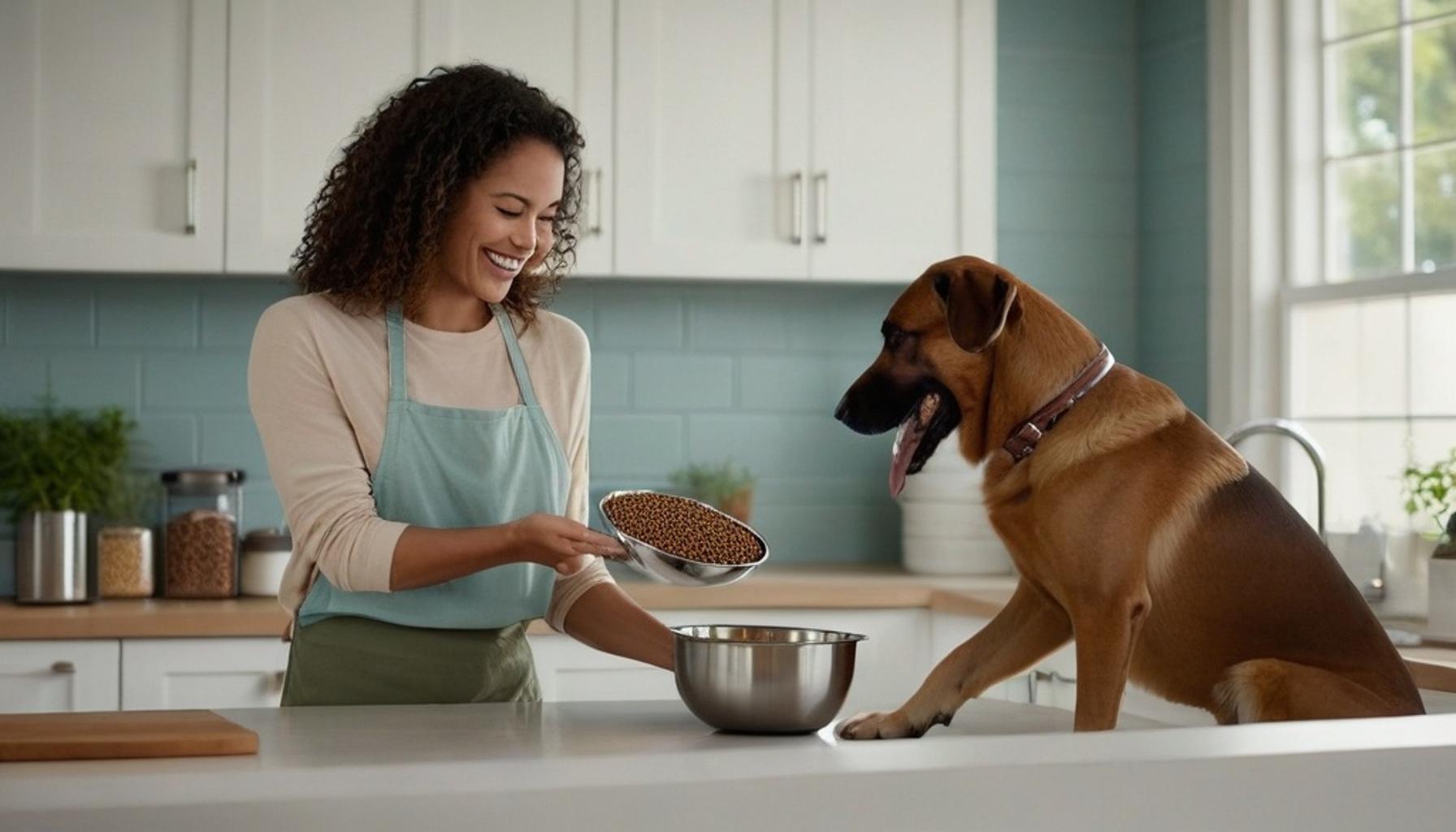
# Building a Reliable Dog Feeding ScheduleEvery seasoned vet in Nigeria will tell you the same thing: chaos in the feeding bowl leads to chaos in behavior. A structured dog feeding schedule gives indoor dogs a sense of predictability that outdoor dogs get naturally from roaming and foraging.Most adult dogs thrive on two meals daily, spaced roughly twelve hours apart. Puppies need more frequent feeding, typically three to four times a day, since their smaller stomachs can’t handle large portions at once. Skipping this structure often leads to begging, aggressive food guarding, or excessive weight gain, conditions increasingly common among apartment dogs in cities like Enugu and Kano.Portion control matters just as much as timing. An indoor dog burns fewer calories than one with yard access, so owners feeding based on breed-standard charts alone often overfeed without realizing it. A useful approach includes:
- Measuring food with a standard cup rather than guessing by eye
- Adjusting portions based on activity level, not just breed size
- Avoiding table scraps, especially spiced Nigerian dishes that upset canine digestion
- Sticking to consistent feeding locations to reduce anxiety
Fresh water availability throughout the day is non-negotiable, particularly given Nigeria’s heat. Dehydration in indoor dogs happens faster than most owners expect, especially in homes without air conditioning during peak afternoon temperatures.
Reading Your Dog’s Hunger Cues Correctly
Not every whine means hunger. Indoor dogs often confuse boredom, thirst, or the need for attention with food cravings. Owners who respond to every cue with a treat inadvertently create overweight pets within months.
Veterinary nutritionists recommend sticking rigidly to scheduled times, even when a dog appears desperate for food outside those windows. This consistency, uncomfortable at first, resets a pet’s internal clock within roughly two to three weeks.
Establishing Cat Hygiene Practices That Actually Work
Cats carry a reputation for self-cleaning, but indoor environments complicate their natural instincts. Cat hygiene practices inside a Lagos flat differ significantly from what a free-roaming compound cat would manage on its own.Litter box placement affects everything. Boxes tucked into humid, poorly ventilated corners become breeding grounds for bacteria within days, not weeks. Nigeria’s climate accelerates this process, making daily scooping essential rather than optional.Grooming routines also need adjustment. Cats confined indoors often develop matting or excessive shedding since they lack the natural abrasion from outdoor surfaces. Brushing two to three times weekly reduces hairballs and keeps skin irritation at bay, particularly during the dry Harmattan season when static and dryness worsen coat conditions.
Key Aspects of Feeding and Hygiene Routines for Pets
Establishing consistent Feeding and Hygiene Routines for Pets transforms indoor living for both dogs and cats. A structured dog feeding schedule paired with reliable cat hygiene practices reduces stress, prevents obesity, and minimizes household odors. Below is a quick reference summarizing the essential elements every pet owner should prioritize when applying indoor pet care tips daily.
| Category | Key Aspect & Benefit |
|---|---|
| Meal Timing | Feeding twice daily at fixed hours supports best pet feeding habits and stabilizes digestion. |
| Litter Box Care | Daily scooping is central to keeping indoor pets clean and odor-free. |
| Grooming Frequency | Weekly brushing reduces shedding and supports skin health for both species. |
| Water Access | Fresh water stations encourage hydration and kidney function. |
CHECK OUT: Click here to explore more
Synchronizing Feeding and Hygiene Routines for Pets Living Together
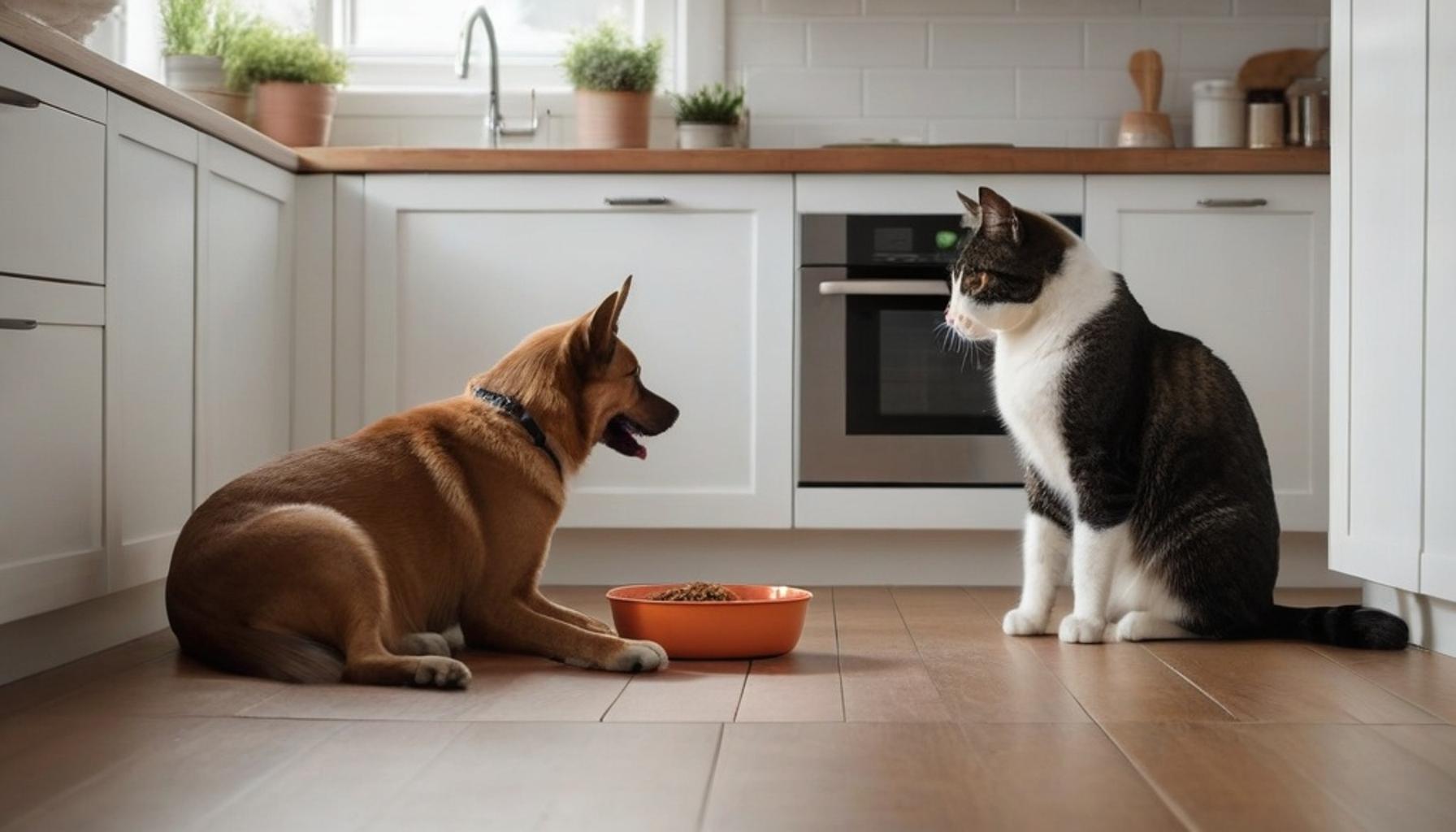
Households with both a dog and a cat face a unique challenge: overlapping Feeding and Hygiene Routines for Pets that, if left uncoordinated, create stress for both animals. A cat sneaking bites from a dog’s bowl, or a dog investigating a litter box, are common scenarios in Nigerian homes where space is limited and pets share tight quarters.
Separating feeding stations by room, or at minimum by height (elevated feeding for cats works well), prevents food-guarding incidents and keeps portion control accurate. Without this separation, tracking how much each animal actually eats becomes guesswork, undermining even the most carefully planned dog feeding schedule.
Bathing Frequency Without Stripping Natural Oils
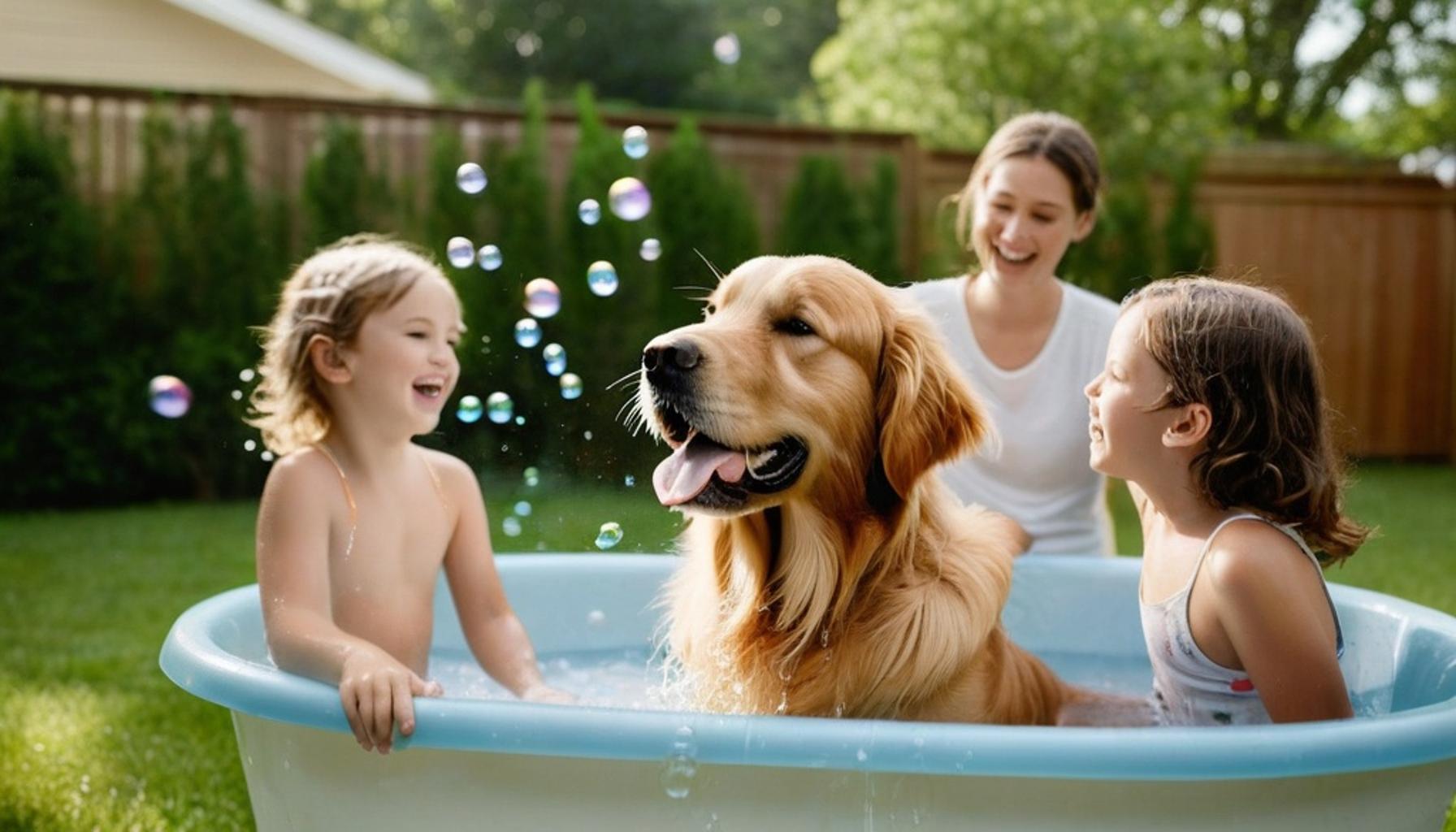
Unlike outdoor pets that get rained on or roll in dust, indoor animals rely entirely on owners for cleanliness. Yet over-bathing causes as many problems as neglect. Dogs typically need bathing every four to six weeks, while cats, particularly shorthaired breeds, rarely need baths beyond twice yearly unless they get into something sticky or oily.
Harmattan season complicates this further. Dry air combined with frequent bathing strips natural oils faster, leaving dogs with flaky, itchy skin. Owners in Jos or Kaduna, where Harmattan hits hardest, often need moisturizing pet shampoos rather than standard formulas during December and January.
Dental Care: The Overlooked Piece of Indoor Pet Care Tips
Few Nigerian pet owners brush their dog’s or cat’s teeth, yet dental disease affects over 80 percent of dogs by age three, according to veterinary estimates. Indoor pets, fed softer commercial diets rather than bones or raw scraps, accumulate plaque faster than working or free-roaming animals.
Simple additions make a measurable difference:
- Offering dental chews two to three times weekly
- Brushing teeth with pet-safe toothpaste, ideally every other day
- Scheduling professional cleanings if tartar buildup becomes visible
- Watching for bad breath, a common early warning sign owners dismiss too easily
Building Consistency Into Daily Household Rhythms
The most successful best pet feeding habits and grooming routines aren’t complicated, they’re simply consistent. Linking feeding times to fixed daily anchors, like breakfast or closing the shop for the night, helps owners stay on track even during unpredictable Lagos traffic or extended NEPA outages that disrupt normal schedules.
Keeping a written or phone-based log for the first month works surprisingly well. It reveals patterns, missed meals, skipped brushing days, litter box neglect, that owners rarely notice otherwise. This small habit turns keeping indoor pets clean from a vague intention into a measurable, trackable practice.
Final Thoughts: Making Routine the Foundation of Indoor Pet Wellness
Establishing reliable Feeding and Hygiene Routines for Pets is not about perfection, it’s about rhythm. Whether managing a single cat in a Lagos flat or a dog-and-cat household in Abuja, the underlying principle stays the same: predictability reduces stress for animals and owners alike.
Across this discussion, a clear pattern emerges. A structured dog feeding schedule prevents obesity and digestive upset. Consistent cat hygiene practices, from litter box maintenance to occasional bathing, curb odor and disease before they start. Dental care, often ignored, quietly protects against health issues that surface years later.
Nigerian households face specific hurdles that global pet guides rarely address. Harmattan dryness, unpredictable power supply, limited indoor space, and multi-pet dynamics all shape how routines should actually work, not just how they look on paper.
What separates struggling pet owners from successful ones isn’t expensive equipment or rare knowledge. It’s consistency, tracked and adjusted over time.
Consider starting small this week:
- Fix two or three daily feeding times and stick to them for thirty days
- Introduce one grooming habit, brushing or nail trimming, into an existing routine
- Separate feeding and litter areas if multiple pets share the home
- Log any changes in appetite, coat condition, or bathroom habits
These indoor pet care tips aren’t complicated, but they compound. Small, repeated actions build the foundation for keeping indoor pets clean and healthy long-term.
Ultimately, the goal isn’t rigid scheduling for its own sake. It’s giving dogs and cats the stability they need to thrive indoors, while giving owners a system flexible enough to survive Nigeria’s everyday unpredictability. Adopting best pet feeding habits today shapes a healthier, calmer household tomorrow.

Linda Carter
Linda Carter is a writer and pet care expert specializing in pet health, grooming, and wellness. With extensive experience helping pet owners create safe, loving, and enriching environments for their animals, Linda shares her knowledge on our platform. Her goal is to empower readers with practical advice and strategies to ensure their pets thrive and lead joyful, healthy lives.