
The Impact of Positive Affirmations on Mental Health and Stress Resilience

Understanding the Impact of Positive Affirmations
In a fast-paced world characterized by relentless pressures, achieving mental well-being has become a priority for many. As individuals face the burdens of daily responsibilities at work, in friendships, and family obligations, stress can escalate, leading to anxiety and a decrease in overall mental health. While some may turn to traditional forms of therapy or medication, an increasing number are discovering the surprisingly simple yet profound impact of positive affirmations.
Positive affirmations consist of short, powerful statements that challenge negative self-perceptions and promote a more favorable mindset. When practiced regularly, these declarations can transform the way we view ourselves and our experiences. Research suggests that people who engage with positive affirmations can:
- Reduce anxiety—By shifting focus from fear and self-doubt to empowering thoughts, affirmations can help lower feelings of anxiousness.
- Enhance self-esteem—Studies show that repeat exposure to encouraging language results in an increase in self-worth and opens avenues to social connection.
- Increase stress resilience—When facing difficulties, individuals who practice affirmations are better equipped to adapt and recover.
The process of repeating affirmations is rooted in the cognitive-behavioral practice of reframing thoughts. A person might regularly tell themselves, “I am capable of handling anything that comes my way,” which not only pushes back against self-doubt but also establishes a healthier narrative over time. This iterative action rewires thought processes, leading to a greater scope of mental well-being.
In the United States, where 75% of adults report experiencing moderate to high levels of stress, the potential for positive affirmations in addressing mental health issues is gaining traction. Particularly in the age of social media and constant connectivity, where comparisons and self-judgments can be amplified, the need for effective coping strategies has never been more urgent. Mental health professionals increasingly include positive affirmations as part of their therapeutic toolbox, often advising clients to integrate them into daily routines.
This article delves into the intricate relationship between positive affirmations and mental health, exploring the science that backs their effectiveness. As we unveil the mechanisms through which they operate, readers will discover how these affirmations can pave the way toward enhanced stress resilience and overall psychological health. Join us in uncovering the tangible benefits of this empowering practice as we redefine our approach to mental wellness.
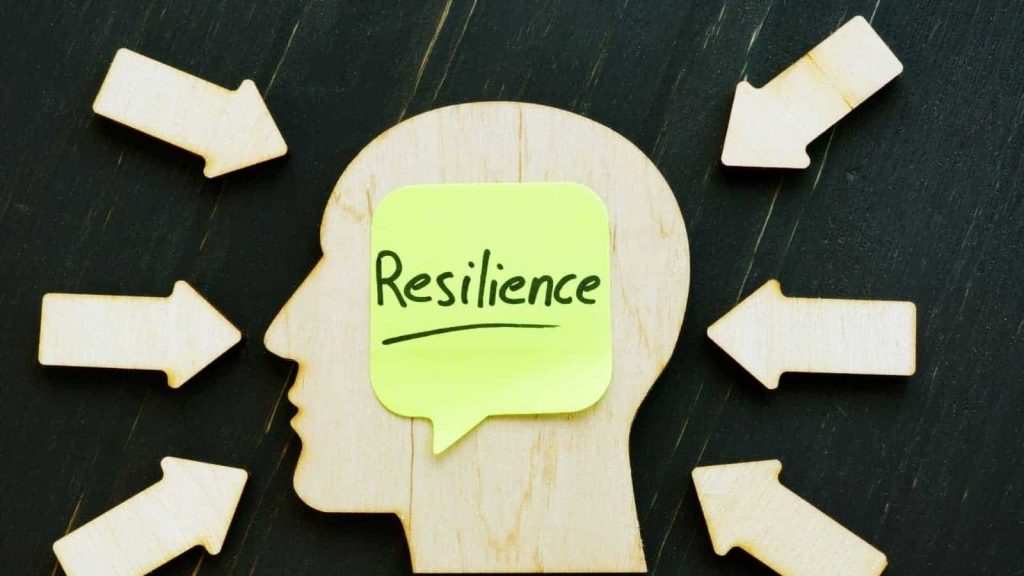
DISCOVER MORE: Click here to learn about the power of daily affirmations
The Science Behind Positive Affirmations
To fully appreciate the impact of positive affirmations on mental health and stress resilience, it is essential to delve into the psychological principles that underpin this practice. At the core of positive affirmations is the concept of self-affirmation theory, which posits that individuals can maintain their self-integrity through affirming their personal values and beliefs. By doing so, they fortify their sense of self-worth, which can then alleviate feelings of anxiety and stress when faced with challenges.
Research conducted by the University of California, Los Angeles (UCLA) found that participants who engaged in self-affirmation exercises displayed decreased activity in a region of the brain called the amygdala, which is responsible for processing negative emotions like fear and stress. This suggests that affirmations not only influence emotional states but may also promote neurological changes that contribute to improved mental health.
In practical terms, the regular practice of affirmations can lead to measurable benefits. Consider the following outcomes associated with the consistent use of positive affirmations:
- Improved Emotional Regulation: Engaging with positive statements can help individuals modulate emotional responses, making it easier to navigate stressful situations.
- Enhanced Academic and Professional Performance: Students and professionals who practice affirmations report improved focus, motivation, and confidence, which are critical in high-pressure environments.
- Better Relationships: Affirmations can foster a more optimistic outlook, allowing individuals to approach their relationships with a greater sense of empathy and positivity, whether at home or in the workplace.
The cumulative effects of such practices are long-lasting, as they not only counteract negative thought patterns but also enhance overall resilience in the face of stress. In today’s society, where mental health issues are on the rise—approximately one in five adults in the U.S. suffers from mental illness—finding proactive and accessible strategies for self-care is increasingly critical.
Moreover, the democratization of affirmations through social media and mobile applications has made it easier for individuals to incorporate them into daily routines. Platforms dedicated to well-being often promote positive affirmations as effective tools for personal growth. This accessibility is particularly vital in a country where approximately 40 million Americans experience anxiety disorders, offering a potential lifeline that requires no special equipment or significant lifestyle changes.
As we explore the intersection of science and personal experiences, the following sections will provide deeper insights into specific techniques for incorporating positive affirmations into everyday life. From morning routines to during work breaks, these practices can be tailored to individual needs, reinforcing the power of the mind in cultivating a healthier, more resilient self.
| Category | Description |
|---|---|
| Enhanced Self-Esteem | Through positive affirmations, individuals can foster greater self-worth and belief in their abilities. |
| Stress Reduction | Regular practice can lead to lower levels of anxiety, contributing to a more balanced emotional state. |
The practice of positive affirmations serves as a foundational tool for enhancing mental health, particularly in the realm of emotional resilience. By regularly repeating affirming phrases, individuals can reshape their inner dialogue, leading to improved self-esteem and productivity. Moreover, studies indicate that people who engage with affirmations tend to manage stress more effectively, often utilizing these positive statements to counteract negative thoughts during challenging moments.Positive affirmations can also reinforce a mindset of growth, where individuals learn to view setbacks as opportunities instead of failures. This mindset shift is crucial in building stress resilience, enabling individuals to bounce back from adversities with greater ease. As they cultivate a more compassionate internal narrative, they begin to embrace their imperfections and celebrate their progress, fostering not only mental clarity but also emotional stability.Incorporating positive affirmations into daily routines can be as simple as dedicating a few minutes each morning to reflect on personal strengths and potential, setting a positive tone for the day ahead. The ripple effects of such practices can contribute significantly to one’s overall well-being. As people start to integrate these affirmations into their lives consistently, they often report feelings of newfound peace and an enhanced capacity to deal with stressors that once seemed overwhelming.
DISCOVER MORE: Click here to unlock your potential
Practical Techniques for Implementing Positive Affirmations
While the scientific underpinnings of positive affirmations are compelling, the real magic occurs when individuals put these principles into practice. Effective incorporation of affirmations into daily life can amplify their benefits, significantly enhancing mental health and stress resilience. Below are several practical techniques designed to help individuals seamlessly integrate affirmations into their routines.
1. Morning Affirmation Rituals
Starting the day with a dedicated affirmation practice can set a positive tone for the hours ahead. Individuals can consider setting aside just 5 to 10 minutes each morning to engage in affirmations. This can involve reciting phrases that resonate deeply, such as “I am capable of achieving my goals” or “I embrace challenges as opportunities for growth.” Research from the University of Pennsylvania indicated that morning affirmations can significantly elevate mood and enhance focus, leading to increased productivity throughout the day.
2. Visualization Techniques
Combining affirmations with visualization can amplify their impact. Individuals can close their eyes and mentally picture themselves achieving their goals while simultaneously reciting affirmations that align with these aspirations. This dual approach is rooted in psychology, as imagery engages different areas of the brain than verbal affirmations alone. For instance, athletes often employ this method to enhance sports performance by visualizing success alongside motivational phrases.
3. Journaling as a Reflective Practice
Incorporating affirmations into a journaling routine can deepen their effectiveness. By writing down affirmations every day, individuals create a physical representation of their positive thoughts. Coupled with reflections on personal experiences related to each affirmation, journaling can provide insights into progress and areas for improvement. A study published in the Journal of Consulting and Clinical Psychology revealed that expressive writing significantly reduces anxiety and fosters resilience, underscoring the synergistic effects of affirmation and reflection.
4. Affirmation Reminders Throughout the Day
To ensure that positive affirmations take a front-row seat in daily life, setting reminders on smartphones or placing sticky notes in visible locations can serve as effective prompts. Phrases like “I am worthy of love and joy” can be peppered throughout a workspace, creating continual opportunities for internal dialogue that encourages positivity. This practice not only reinforces self-affirmations but also serves to interrupt negative thought patterns that may arise during stressful moments.
5. Group Affirmation Sessions
Community engagement enhances personal affirmation practices. Joining or forming groups dedicated to sharing and supporting one another through positive affirmations can create a sense of camaraderie and accountability. Group dynamics can amplify motivation and commitment, as individuals share experiences and success stories. The power of collective affirmation can be a transformative force, fostering a supportive environment for mental health and resilience.
Incorporating these techniques into daily life can turn positive affirmations from a concept into a way of being, significantly influencing how individuals navigate stress and mental health challenges. As the exploration of affirmations continues to evolve, understanding these practical approaches can empower individuals to seize control over their narratives, fostering not only resilience but also a more fulfilling and positive life.
DISCOVER MORE: Click here to learn about the power of self-compassion
Conclusion
The profound impact of positive affirmations on mental health and stress resilience cannot be overstated. As we have explored, these simple yet powerful tools can significantly reshape the way individuals perceive themselves and tackle life’s challenges. By incorporating practical techniques such as morning rituals, visualization, journaling, and community support, anyone can transform affirmations from mere phrases into a vital part of their daily lives.
Emerging research supports the notion that positive affirmations are not just a fleeting trend but a legitimate practice that encourages mental fortitude and fosters resilience. For instance, studies reveal that those who practice affirmations regularly often experience reductions in anxiety and increased motivation, paving the way for healthier mindsets. In a world fraught with stressors, the importance of maintaining mental wellness through self-empowerment has never been clearer.
Moreover, the adaptability of positive affirmations makes them accessible to virtually anyone, regardless of background or circumstances. Whether you are navigating personal challenges or striving for professional growth, affirmations provide a framework for promoting positivity and mental clarity. The collective power of affirmations, especially in group settings, creates a supportive community that reinforces individual commitment and inspires shared growth.
As readers embark on their journey of self-discovery and resilience through positive affirmations, it is essential to view this practice as an ongoing process. By embracing affirmations as part of a holistic mental health strategy, individuals can cultivate a proactive approach to stress management—finding strength in their affirmations and ultimately transforming their narratives. This transformative journey is not just about feeling good in the moment; it is about building a sustainable foundation for a mentally healthy and fulfilling life.